In an era defined by the rapid proliferation of low-cost unmanned aerial systems (UAS) and the increasing sophistication of hypersonic weaponry, the United States Army finds itself at a critical juncture. The traditional doctrines of air defense, long predicated on high-altitude, long-range engagements, are being rewritten in real-time.
On the sidelines of the recent Space and Missile Defense (SMD) Symposium, Lt. Gen. John Rafferty, the commanding general of the U.S. Army Space and Missile Defense Command (SMDC), sat down with Pentagon reporter Ashley Roque for an exclusive episode of The Pentagon Buzz. The conversation peeled back the layers of a complex modernization effort, revealing a service that is no longer looking for a "silver bullet" solution, but rather a robust, layered ecosystem of interceptors designed to counter threats ranging from cheap commercial drones to state-level ballistic missiles.
Main Facts: The Shift Toward Interceptor Diversity
The core takeaway from the discussion with Lt. Gen. Rafferty is a fundamental departure from the procurement habits of the past two decades. For years, the Army relied heavily on specialized, high-cost interceptor systems designed for specific, high-end threats. However, the operational reality in modern conflict zones—exemplified by the war in Ukraine and ongoing tensions in the Middle East—has demonstrated that relying solely on premium interceptors is a strategic and economic liability.
Rafferty emphasized that the Army is now prioritizing a "portfolio approach." This strategy involves the integration of a wide range of interceptors, each calibrated for a specific "cost-per-kill" ratio. By fielding a mix of systems—some designed for rapid, low-cost drone neutralization and others for sophisticated ballistic missile defense—the Army aims to ensure that it does not exhaust its most expensive munitions on targets that do not warrant them.
"We are moving toward a tiered, integrated defense architecture," Rafferty noted. "The threat environment is no longer monolithic. To succeed, we need a portfolio that allows us to match the right tool to the right threat, ensuring that our logistics tail remains sustainable even in a high-intensity, long-duration conflict."
Chronology: From Counter-Insurgency to Peer Competition
To understand the urgency behind Rafferty’s modernization push, one must look at the evolution of the Army’s missile defense posture over the last 20 years:
- 2003–2014: The Counter-Insurgency Era: During the wars in Iraq and Afghanistan, the primary threat to U.S. forces was indirect fire—mortars and rockets. The focus was on Counter-Rocket, Artillery, and Mortar (C-RAM) systems. These were effective for base protection but were not designed for the peer-level conflict the military now anticipates.
- 2015–2020: The Re-emergence of Great Power Competition: As Russia and China accelerated their investment in hypersonic glide vehicles and cruise missiles, the Army began pivoting back toward Integrated Air and Missile Defense (IAMD). The focus shifted to upgrading the Patriot systems and developing the Integrated Battle Command System (IBCS).
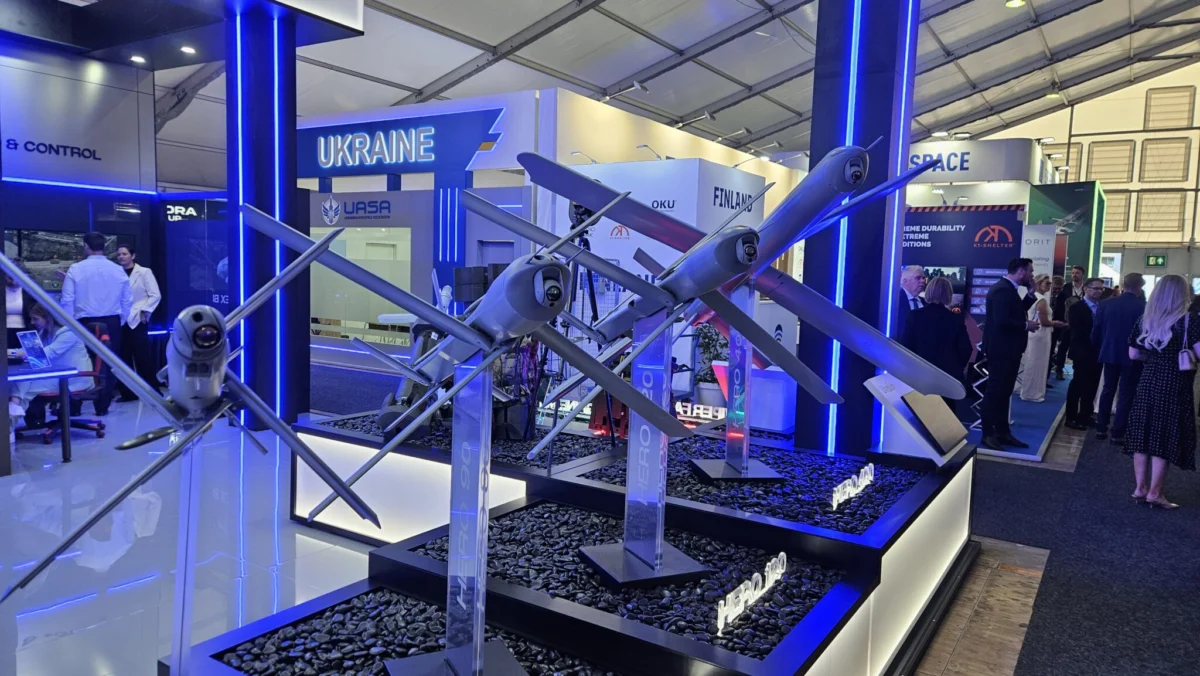
- 2021–2023: The Drone Proliferation Crisis: The conflict in Ukraine served as a catalyst, proving that commercial-off-the-shelf drones could dominate the battlefield. The Army realized that using a multi-million-dollar interceptor to destroy a drone costing a few thousand dollars was a strategic failure.
- 2024–Present: The Integrated Portfolio Strategy: Under leadership figures like Lt. Gen. Rafferty, the Army has consolidated its efforts, focusing on "multi-domain" capabilities. The current push is to integrate space-based sensors with ground-based interceptors to create a unified, responsive network that functions across all combatant commands.
Supporting Data: The Cost-Exchange Calculus
The modernization effort is driven by hard data regarding the cost-exchange ratio of modern aerial warfare. Currently, the Army is contending with a "threat inflation" problem.
The Cost-Exchange Dilemma
- Threat Profile: Modern drone swarms can cost as little as $5,000 to $20,000 per unit.
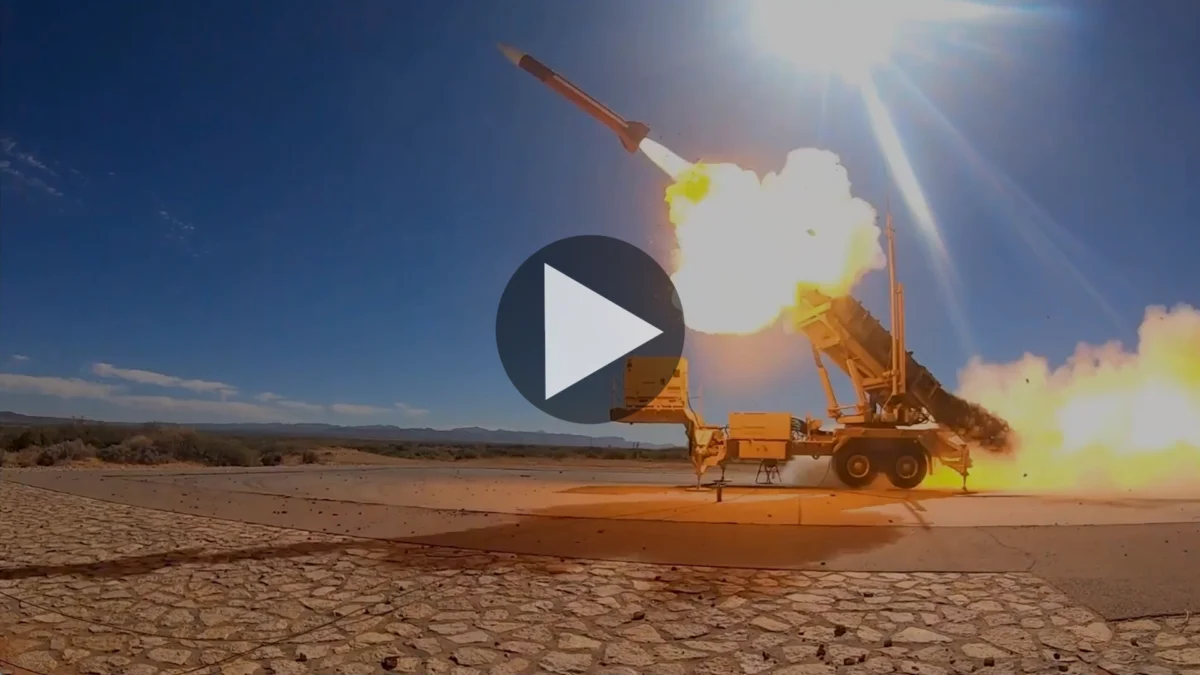
- Interceptor Cost: A single Patriot PAC-3 interceptor is estimated to cost between $3 million and $4 million.
- The Sustainability Gap: If an adversary launches a saturation attack with 50 drones, the economic disparity becomes unsustainable. The Army’s current focus on directed energy (lasers) and lower-cost kinetic interceptors is a direct response to this data.
Lt. Gen. Rafferty highlighted that the Space and Missile Defense Command is leveraging data from recent operational deployments to refine the "sensor-to-shooter" timeline. By shortening the loop between detection (via space-based assets) and engagement (via ground-based systems), the Army reduces the window of vulnerability, effectively increasing the probability of kill (Pk) for every interceptor launched.
Official Responses: Addressing the Modernization Tension
Throughout the discussion, Lt. Gen. Rafferty addressed the inherent tension in modernization: the struggle to balance current operational requirements with the need to invest in future technology.
"We cannot simply wait for the ‘perfect’ system to arrive in ten years," Rafferty explained. "We have to modernize the force we have today while simultaneously prototyping the capabilities we will need for the battlefield of 2035."
The official Army response to these challenges is threefold:
- Open Architecture: The Army is mandating that all new systems be built on open-architecture standards. This prevents "vendor lock-in" and allows for the rapid integration of third-party software updates, essential for keeping pace with evolving drone-jamming and spoofing tactics.
- Increased Industrial Capacity: Recognizing that supply chain vulnerabilities are a threat to national security, the Army is working closely with defense contractors to surge production capacity for interceptors. This involves not just building more missiles, but expanding the raw material supply chain.
- Cross-Domain Synergy: By integrating space assets (satellites) more tightly with missile defense batteries, the Army is creating a "global eyes" capability. This allows for earlier tracking of maneuvering hypersonic targets, giving ground commanders more time to react.
Implications: Strategic Deterrence in a New Age
The implications of the Army’s shifting strategy are profound, both for U.S. national security and for the broader global military balance.
1. Deterrence through Resilience
By demonstrating that it can cost-effectively defeat large-scale drone and missile salvos, the U.S. Army complicates the strategic calculations of adversaries. If an adversary’s primary asymmetric advantage—low-cost saturation attacks—is neutralized, the "cost" of aggression rises significantly, thereby enhancing deterrence.
2. Space as the High Ground
Rafferty’s role as head of the Space and Missile Defense Command underscores that space is no longer just a support domain; it is the backbone of modern air defense. The ability to track threats from the moment of launch—and even before—relies entirely on a robust space-based sensor layer. The shift toward low-Earth orbit (LEO) constellations for missile warning is a direct outcome of this necessity.
3. The Future of the Industrial Base
The Army’s pivot to a "portfolio of interceptors" will have a lasting impact on the defense industrial base. Smaller, innovative firms that specialize in low-cost, high-volume manufacturing will likely find new opportunities alongside traditional aerospace giants. This shift is intended to foster a more competitive, agile industrial sector capable of responding to the rapid iteration cycles typical of drone warfare.
4. The Human Dimension
Ultimately, as Rafferty noted, modernization is about more than just hardware. It is about training a new generation of soldiers who are comfortable operating in a complex, software-defined battlespace. The Army is placing a renewed emphasis on training, ensuring that operators can manage the high-velocity, high-data environments created by integrated sensor-to-shooter networks.
Conclusion
The dialogue with Lt. Gen. John Rafferty serves as a reminder that the U.S. Army is in a race against time and technology. As drone swarms and hypersonic missiles move from the drawing board to the front lines, the traditional "shield" must become smarter, cheaper, and more agile.
By diversifying its interceptor portfolio and integrating space-based intelligence with ground-based kinetic defense, the Army is crafting a multi-layered shield designed to hold the line in an increasingly dangerous world. Whether this strategy will be sufficient to deter near-peer adversaries remains to be seen, but the intent is clear: the United States is no longer content to react to the threats of yesterday. It is aggressively positioning itself to neutralize the threats of tomorrow.
For more in-depth reporting on the Pentagon’s latest modernization initiatives and procurement updates, subscribe to our newsletter and stay informed on the developments shaping the future of global defense.