
The architecture of global telecommunications is undergoing a seismic shift. As the terrestrial 5G ecosystem matures, the integration of Non-Terrestrial Networks (NTN)—encompassing satellites, high-altitude platforms, and drones—has become the next frontier in achieving ubiquitous, high-speed connectivity. However, this expansion brings a new set of security challenges. To address these, the European Space Agency (ESA) has commissioned a landmark development program led by Keysight Technologies to explore how blockchain, artificial intelligence (AI), and machine learning can create a robust, self-healing, and verifiable trust framework for space-based networks.
The Convergence of Space and Security: Main Facts
In a move that signals the increasing convergence of aerospace engineering and cybersecurity, Keysight Technologies—a global leader in design, test, and measurement solutions—has been named the prime contractor for a new ESA initiative. This project, falling under the ESA’s Advanced Research in Telecommunications Systems (ARTES) 5G Strategic Product Line, aims to solve one of the most pressing issues in satellite communications: anomaly detection and data integrity.
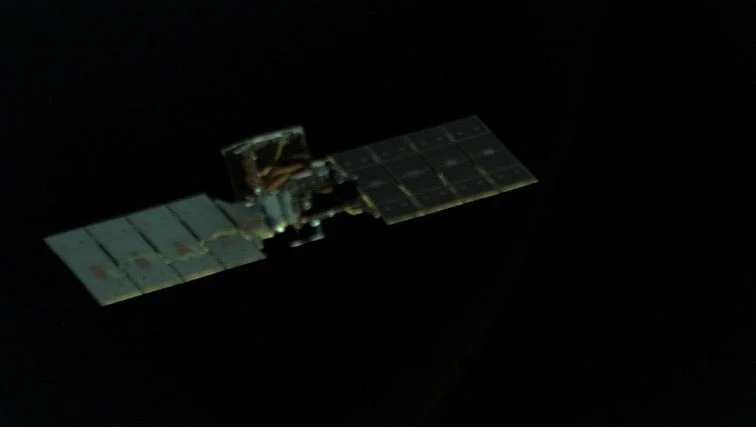
Collaborating with Sateliot, a prominent provider of satellite-based Internet of Things (IoT) solutions, the program seeks to implement a decentralized "trust framework." By leveraging blockchain technology, the project aims to ensure that telemetry data remains tamper-proof and that anomalous behavior in satellite performance can be identified and mitigated autonomously.
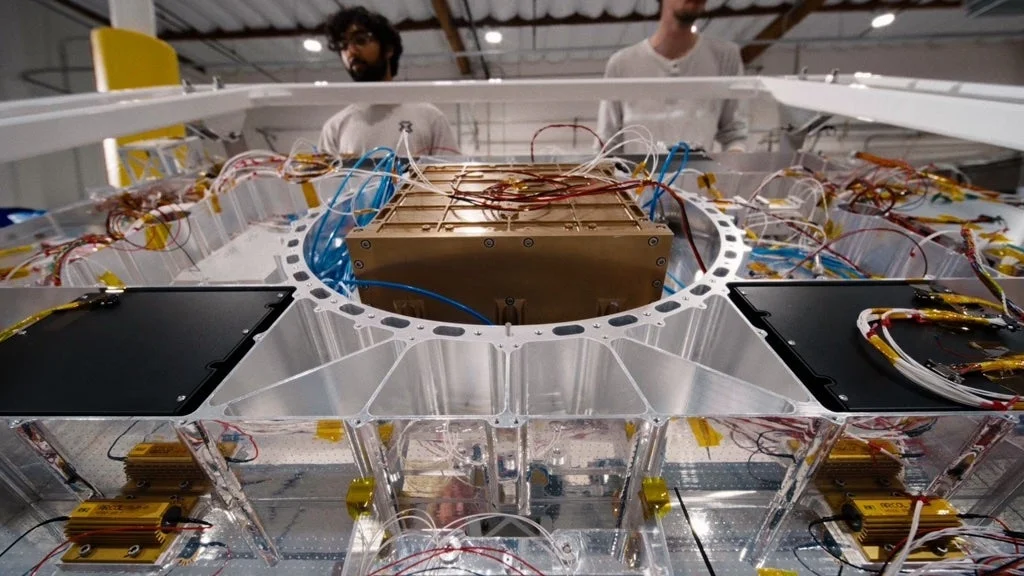
The scope of this initiative is comprehensive, spanning the entire lifecycle of a satellite network—from the initial manufacturing phase and digital calibration to final in-orbit deployment and ongoing service delivery. The primary goal is to provide a blueprint for how 5G NTN systems can be secured against cyber threats in an increasingly congested orbital environment.
Chronology of Development
The path to this partnership reflects the rapid evolution of the "Space for 5G/6G" initiative. While satellite connectivity is not new, the transition to 3GPP-standardized 5G NTN architectures has necessitated a more rigorous approach to security.
- Q1 2021: Early discussions within the European space sector regarding the security of 5G integration began to take shape, emphasizing the need for standardized testing protocols.
- 2022–2023: ESA’s ARTES 5G Strategic Product Line began soliciting proposals to address the "trust deficit" in space-based networks, focusing on how emerging technologies like distributed ledgers could support mission-critical operations.
- Wednesday Announcement: The formal unveiling of the partnership between Keysight and Sateliot marked the transition from conceptual framework to active development.
- Phase I (Upcoming): The program is slated to commence with intensive laboratory research and digital prototyping, simulating the complex interactions between terrestrial 5G base stations and orbiting satellite constellations.
- Phase II (Future): The project will culminate in a full in-orbit demonstration, utilizing Sateliot’s satellite infrastructure to validate the blockchain-anchored trust and autonomous anomaly detection systems in a live operational environment.
Technical Foundations: Supporting Data and Methodology
The integration of blockchain into space-based telecommunications is a departure from traditional centralized management. In a standard network, telemetry data is sent from a satellite to a ground station, where it is monitored by human operators. This creates a single point of failure and potential vulnerability to "man-in-the-middle" attacks or data corruption.
The Role of Blockchain and AI
The Keysight-led team intends to employ blockchain to create a "distributed ledger" of satellite performance. Every piece of telemetry data, calibration certificate, and performance metric will be cryptographically signed and recorded. This ensures that any deviation from the expected performance—an "anomaly"—is immediately identifiable across the entire network, rather than being trapped in a siloed ground station.
Keysight’s Measurement Expertise
Keysight is contributing its deep knowledge of RF (radio frequency) testing and digital calibration. By applying AI and machine learning, the system can move beyond static threshold-based alerts. Instead, the AI will learn the "normal" behavioral signature of a satellite constellation. If a satellite begins to exhibit degraded performance or unusual signal patterns, the machine learning model will flag the anomaly, and the blockchain will verify the authenticity of the data, ensuring the response is based on truthful information.
The Sateliot Contribution
Sateliot’s role is critical in providing the real-world testbed. By integrating these security protocols into their existing IoT-focused satellite constellation, the team can demonstrate that these security measures do not impose an unsustainable "latency tax" on the network. Maintaining the high throughput required for 5G while simultaneously running cryptographic checks is a significant engineering challenge that this program aims to solve.
Official Responses: The Strategic Vision
The collaboration has been met with enthusiasm from both industry leaders and regulatory bodies, who view it as a cornerstone for future European connectivity.
Antonio Franchi, head of the Space for 5G/6G & Sustainable Connectivity program at ESA, underscored the strategic importance of the mission. "The future of Europe’s connectivity depends on networks that are not only advanced, but trusted, resilient and secure," Franchi stated. "Supporting this project, which benefits from Keysight’s leadership and Sateliot’s expertise, underscores ESA’s commitment to helping pioneer the technologies required to safeguard the integration of non-terrestrial and terrestrial networks."
For Keysight, the project is an opportunity to prove the value of its "digital twin" and test-measurement ecosystem in the harsh, unpredictable environment of space. By validating the entire lifecycle—from manufacturing to orbit—Keysight is positioning itself as the indispensable arbiter of quality and security in the New Space economy.
Implications for the Future of Connectivity
The implications of this program extend far beyond simple anomaly detection. If successful, this research could establish a global standard for how 5G satellite networks operate.
Safeguarding the Space Economy
As the number of satellites in Low Earth Orbit (LEO) continues to skyrocket, the risk of orbital collisions and radio interference grows. A decentralized trust framework could allow satellite operators to share performance data securely, enabling autonomous collision avoidance and interference mitigation.
Resilience Against Cyber Warfare
In an era of increasing geopolitical tension, space assets have become high-value targets. A system that relies on blockchain-anchored trust is inherently more resilient to spoofing and unauthorized access. By decentralizing the "truth" of the network, the program makes it significantly harder for adversaries to disrupt satellite services.
Enabling the 6G Transition
Looking ahead, the technologies developed in this program will be foundational for 6G. While 5G introduced the integration of satellites, 6G is expected to rely on them as a native component of the network architecture. The lessons learned by Keysight and Sateliot will likely serve as the "security baseline" for future 6G standards, ensuring that the next generation of global connectivity is secure by design.
Conclusion: A New Era of Trust
The partnership between Keysight Technologies and the European Space Agency represents a maturation of the space industry. Moving past the initial "Wild West" era of rapid satellite deployment, the sector is now focusing on the essential task of building a secure, sustainable infrastructure.
By marrying the cutting-edge capabilities of blockchain and AI with the rigors of aerospace engineering, this project is setting a new benchmark. As the team moves from laboratory simulations to in-orbit trials, the global telecommunications industry will be watching closely. The success of this initiative could ultimately mean the difference between a fragmented, vulnerable network and a cohesive, global digital fabric that serves as the backbone of 21st-century civilization. Through this program, ESA and its partners are not just monitoring the skies; they are ensuring that the networks orbiting above us are as reliable as the ground beneath our feet.