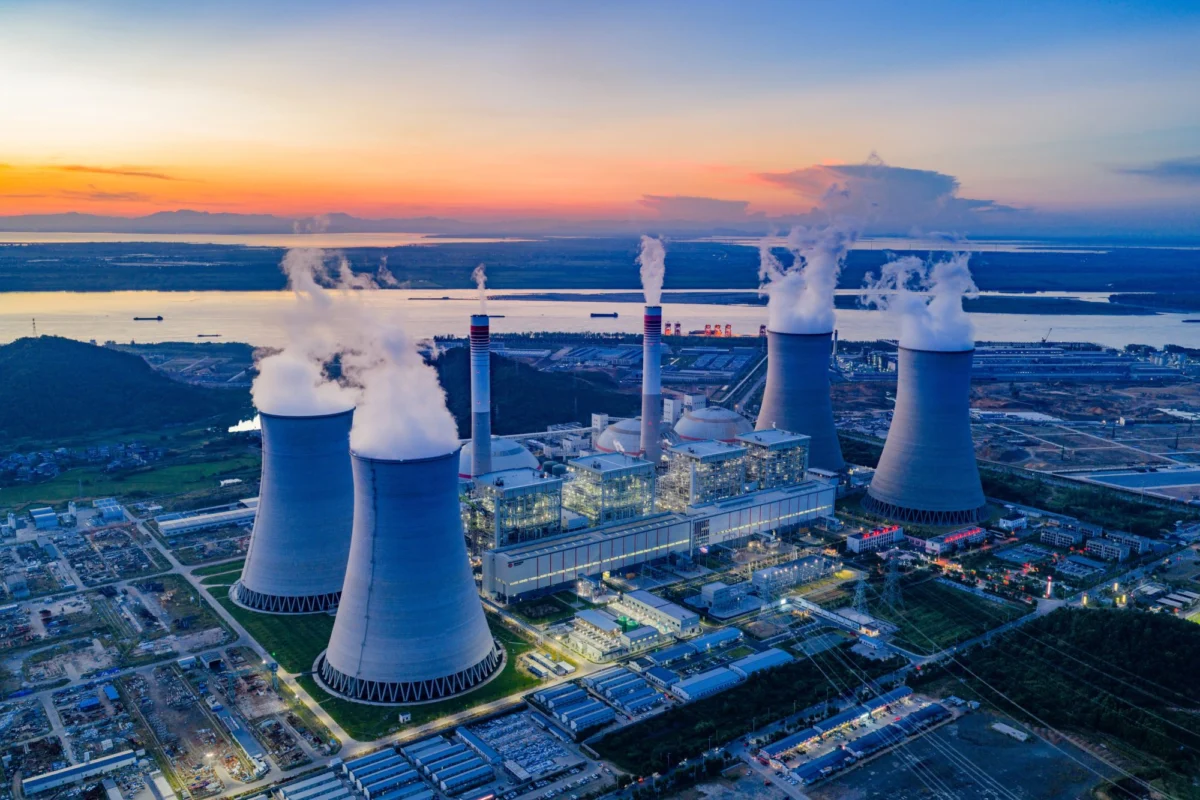

For decades, the intersection of literature and environmental science was relegated to the fringes of speculative fiction. Today, that has changed. As global temperatures rise and the tangible impacts of environmental degradation become a daily reality, “climate fiction”—or “cli-fi”—has matured from a niche subgenre into one of the most vital, inventive, and acclaimed corners of the modern publishing landscape.
Vacation itineraries and long-haul flights have increasingly become the preferred venue for these stories. Whether it is a Booker Prize-winning meditation on our planet’s fragility or a harrowing depiction of a world reshaped by rising tides, readers are turning to climate fiction not just for escapism, but for a mirror held up to our current anxieties. This article explores nine essential works of climate fiction that capture the spirit of our age, offering a lens through which we can process the complex, systemic changes defining the 21st century.
The Evolution of a Genre: A Chronology of Climate Anxiety
The trajectory of climate fiction tracks closely with the evolution of public discourse regarding the environment.
- The Early Warning (Pre-2010s): Climate change appeared primarily as a backdrop for post-apocalyptic tropes. The focus was on "the end of the world" as a distant, abstract event.
- The Rise of Realism (2015–2020): Following the Paris Agreement, literature began to grapple with the "near future." Works like John Lanchester’s The Wall (2019) moved away from planetary destruction toward the sociopolitical consequences of scarcity, border control, and intergenerational tension.
- The Age of Integration (2020–Present): Today, climate fiction is mainstream. It is no longer just about the disaster; it is about the ethics of survival, the intersection of technology and nature, and the psychological burden of living in an era of rapid transformation.
The genre has now garnered institutional legitimacy, racking up Booker Prizes, National Book Award nominations, and the creation of its own dedicated recognition: The Climate Fiction Prize.
The Essential Reading List: Nine Works of Climate Fiction
1. The Mountain in the Sea by Ray Nayler
In this Locus Award-winning debut, Nayler—a former international advisor to the NOAA—leverages his deep expertise in marine biology to craft a story about the discovery of a highly intelligent octopus species. The novel forces a reckoning with human hubris and the ethics of exploitation. As corporations increasingly face scrutiny for their impact on natural capital, Nayler’s work serves as a chilling, brilliant case study in the intersection of corporate power and environmental ethics.
2. Orbital by Samantha Harvey
Winner of the 2024 Booker Prize, Orbital is a slim, meditative masterpiece. It follows six astronauts aboard the International Space Station as they circle the Earth 16 times in a single day. Harvey’s prose captures the "overview effect"—the sense of awe and vulnerability experienced when seeing our planet from above. It is a profound reminder that our social and environmental systems are not merely linked; they are one and the same.
3. The Actual Star by Monica Byrne
Spanning a thousand years across three timelines—the ancient Maya, contemporary Belize, and a future reshaped by catastrophe—Byrne’s work is a "stone-cold masterpiece," according to New Scientist. For sustainability professionals who struggle to communicate the importance of multi-generational planning, this book offers a necessary, wide-angle lens on how civilizations rise, adapt, and collapse.
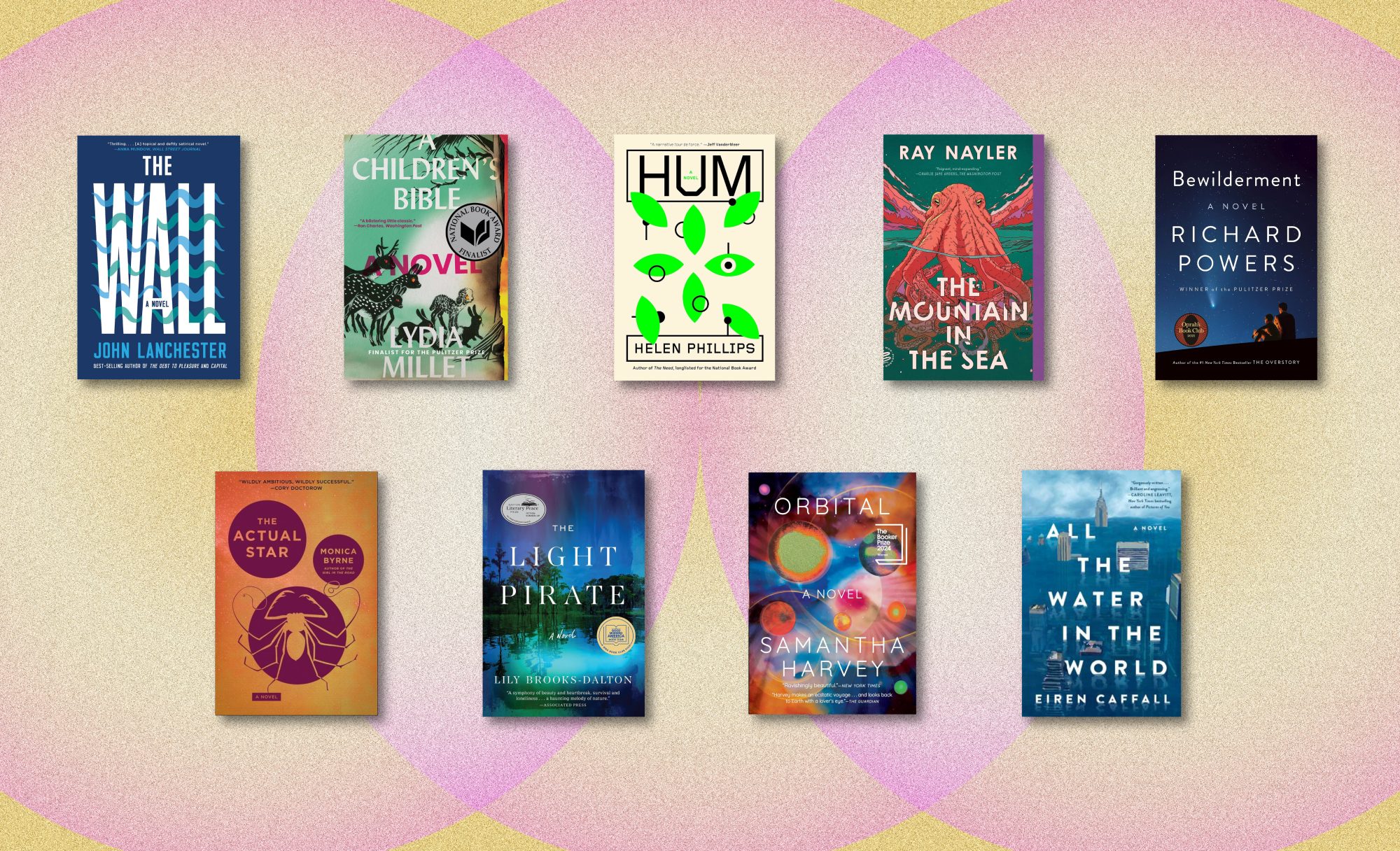
4. All the Water in the World by Eiren Caffall
Set in a flooded future New York, this incandescent debut follows a young protagonist seeking to preserve human history amidst a catastrophic superstorm. Praised for its tense, gripping momentum, the novel is a masterclass in depicting community resilience. It is an essential read for anyone tasked with understanding the practical implications of climate risk and urban adaptation.
5. The Wall by John Lanchester
A 2019 Booker Prize longlister, The Wall depicts a coastal nation hiding behind a literal concrete barrier against a rising sea. Beyond the physical wall, the book explores the psychological walls we build to justify inequality. It asks uncomfortable questions: What is the price of our safety? How do we treat those displaced by the climate shifts we helped create?
6. Bewilderment by Richard Powers
Pulitzer Prize winner Richard Powers turns his gaze to the personal toll of environmental grief. The story of an astrobiologist and his environmentally anxious son is a poignant, heart-wrenching exploration of how we maintain hope in a world that seems to be burning. It moves the climate conversation from the political to the deeply intimate.
7. A Children’s Bible by Lydia Millet
This National Book Award finalist uses dark satire to expose the generational divide regarding climate action. As adults remain "determinedly, drunkenly indifferent" to a series of escalating disasters, the children are forced to inherit the responsibility of survival. It is a righteous, angry, and necessary critique of institutional paralysis.
8. The Light Pirate by Lily Brooks-Dalton
Spanning several decades, this novel chronicles the slow submersion of Florida. Rather than focusing solely on the tragedy of loss, Brooks-Dalton focuses on the human capacity for adaptation. It is a study of how people build, rebuild, and find meaning even as their geography is fundamentally altered.
9. Hum by Helen Phillips
The 2026 Climate Fiction Prize winner, Hum explores the convergence of AI, environmental decline, and surveillance. As the protagonist attempts to navigate a world where automation reshapes her family life, the reader is forced to confront how technology and nature are increasingly entangled in the modern domestic sphere.
Supporting Data: Why Fiction Matters to Science
Literature provides a "cognitive rehearsal" for the challenges that data alone cannot convey. While climate models provide the what and the when, climate fiction provides the who and the how.

Recent surveys by organizations like the Climate Outreach group suggest that narratives are significantly more effective at inducing behavioral change than raw statistics. For instance, data indicates that 67% of individuals feel overwhelmed by climate change to the point of "paralysis." In contrast, readers of cli-fi report a higher capacity for "empathetic engagement," allowing them to process the data without shutting down.
Official Responses and Professional Implications
For sustainability professionals, policymakers, and corporate leaders, these books are not mere entertainment—they are professional development.
"The fiction of today is the policy challenge of tomorrow," says a spokesperson for the Climate Fiction Initiative. "When we see the stories of people living through resource scarcity or rising sea levels, we begin to identify the systemic vulnerabilities in our current supply chains and urban planning."
Indeed, the rise of the genre reflects a broader shift in the private sector. Companies are increasingly integrating "narrative forecasting"—a practice inspired by speculative fiction—into their ESG (Environmental, Social, and Governance) strategies. By imagining the outcomes of current trajectories, firms are better equipped to mitigate long-term risks.
Implications for the Future
The emergence of climate fiction as a dominant literary force is a symptom of a world in transition. We are moving away from the era of climate denial and into the era of climate integration.
These nine books provide more than just a list of summer reads; they provide a toolkit for the imagination. As we face the unprecedented challenges of the coming decades, our greatest asset will be our ability to envision a future that is both survivable and worth living in. Whether through the lens of a futuristic octopus or a flooded New York City, these authors are doing the essential work of mapping the new reality.
In the words of Richard Powers, the goal is not to find a way out of the world, but to find a way to stay within it—with our eyes wide open. As you head out on your next vacation, pack one of these titles. You may find that while you are moving through the world, the world is moving through you, and the stories we tell today will define the path we take tomorrow.