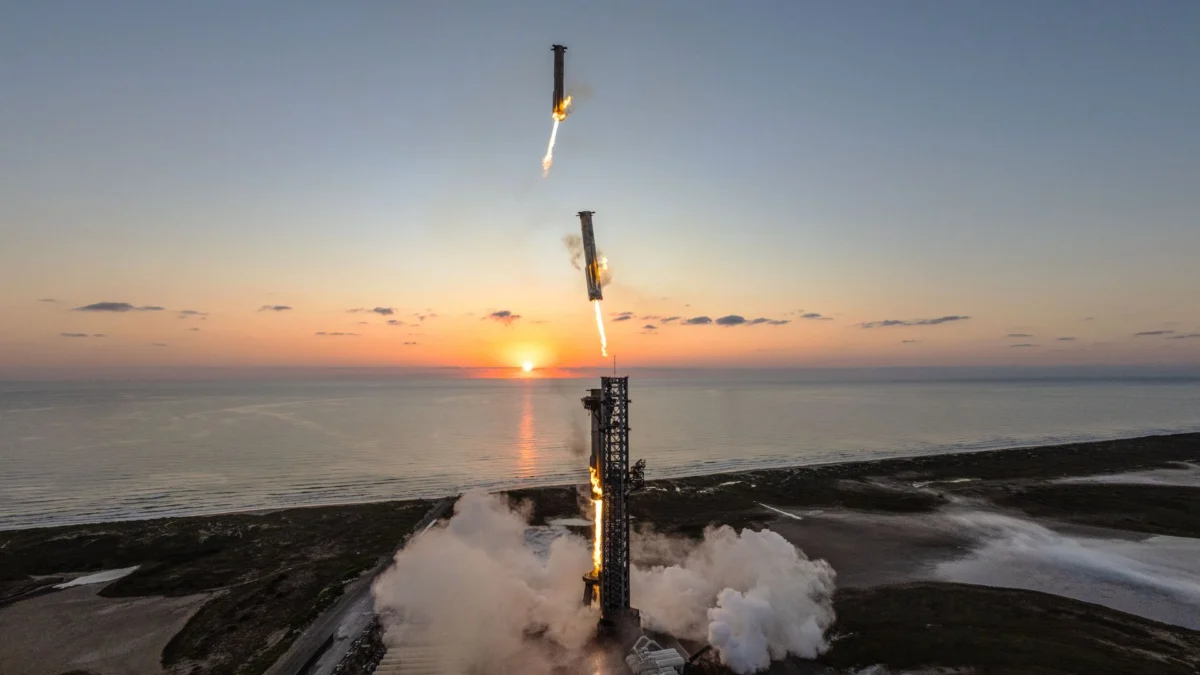
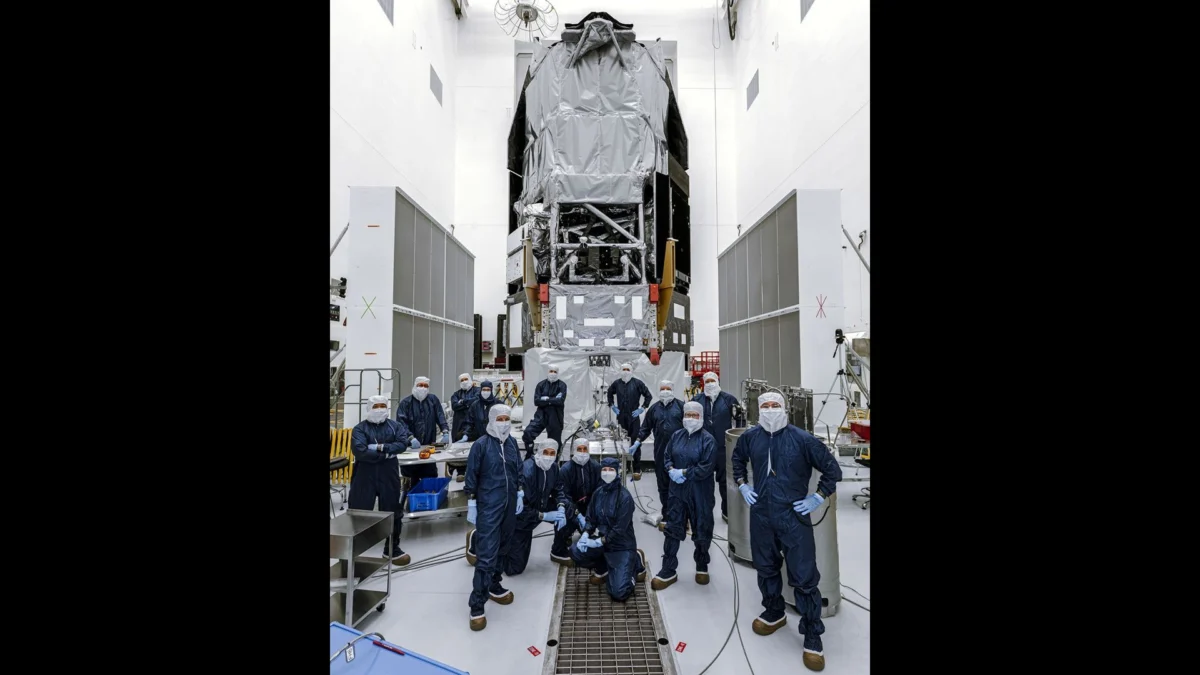
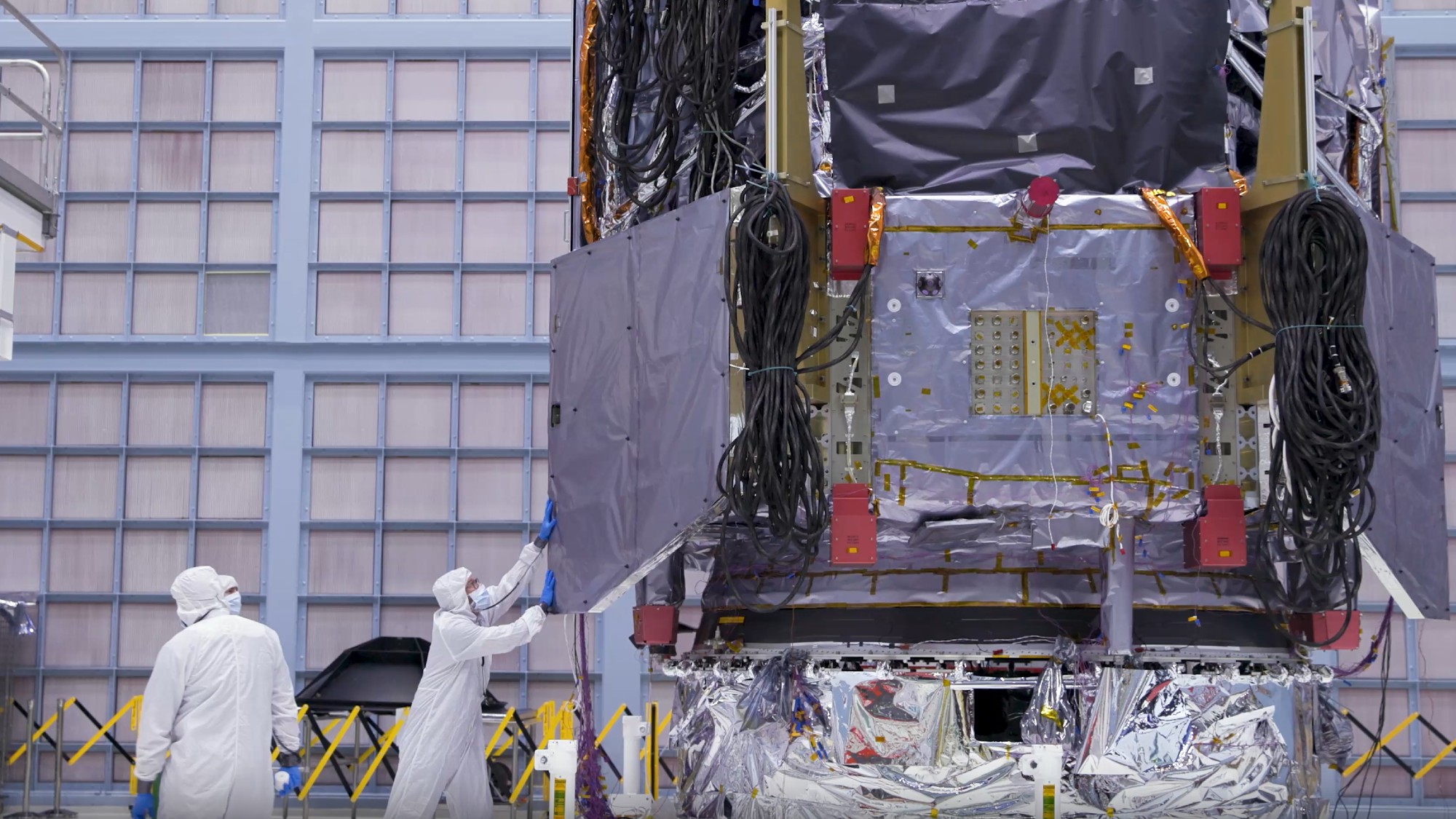
In a milestone that signals the final countdown to one of the most ambitious astronomical endeavors in history, NASA has successfully completed the fueling of the Nancy Grace Roman Space Telescope. Announced on Tuesday, July 28, the fueling process serves as the penultimate step before the observatory is integrated with its launch vehicle, a SpaceX Falcon Heavy rocket, currently slated to lift off on August 30 at 7:26 a.m. EDT (1126 GMT).
This event marks more than just a technical checklist completion; it represents the beginning of a transformative era for astrophysics. Designed to peer into the "dark" mysteries of the universe—specifically dark matter and dark energy—the Roman Space Telescope is poised to rewrite our understanding of cosmic evolution. By operating at a scale of data collection that dwarfs its predecessors, the mission is set to become the new gold standard for space-based observation.
A Technical Triumph: Ahead of Schedule and Under Budget
The Roman Space Telescope project is being heralded not only for its scientific promise but for its remarkable efficiency. In an era where major aerospace projects frequently face ballooning costs and systemic delays, the Roman team has managed to keep the mission nine months ahead of schedule and under budget.
This accomplishment is a testament to the rigorous engineering and project management protocols employed by NASA. By prioritizing modularity and leveraging existing technologies, the team has successfully navigated the complexities of building a next-generation observatory. The fueling process, completed on Saturday, July 25, involved the delicate task of loading the spacecraft with hydrazine. While hydrazine remains the industry standard for high-efficiency space maneuvers, it is notoriously volatile and toxic. The successful handling of this propellant underscores the precision and safety standards maintained by the technicians working in the clean-room environment.
The Fueling Process: Precision at the Edge of Space
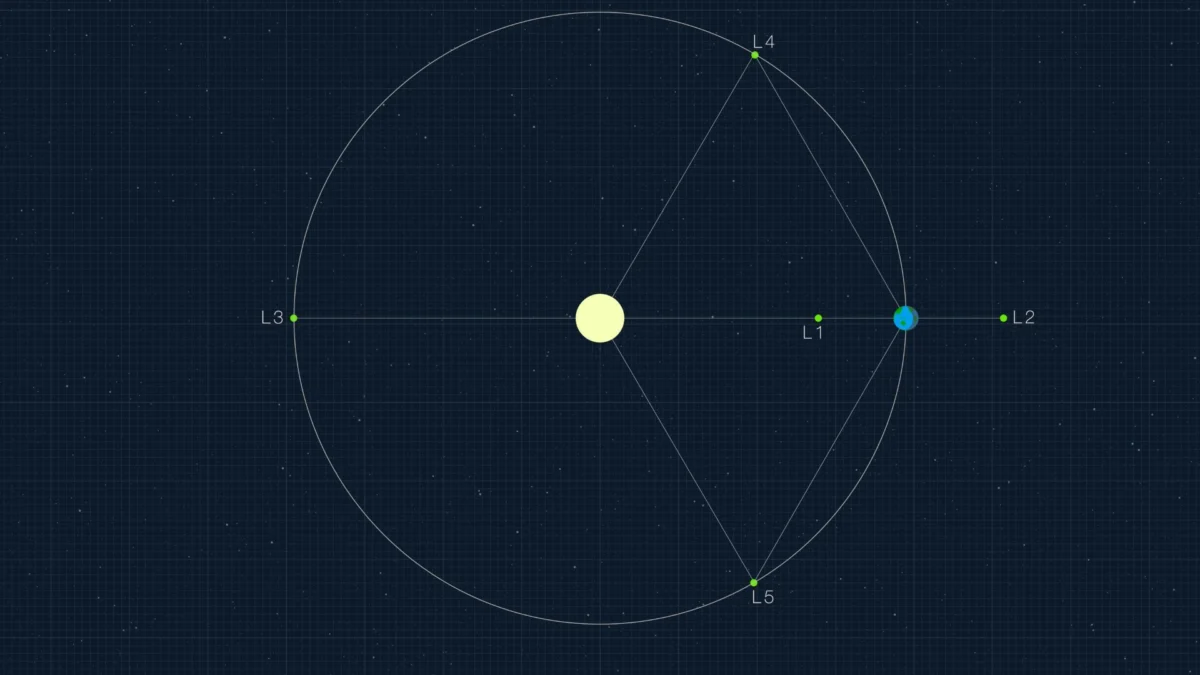
The propellant loading is a critical phase, as it provides the "lifeblood" necessary for the telescope’s long-term survival. Once in orbit, the Roman Space Telescope will travel to the second Lagrange point (L2), a gravitationally stable location approximately one million miles from Earth. This is the same orbital "sweet spot" occupied by the James Webb Space Telescope (JWST).
"Roman will use its propellant to power two types of thrusters that help it stay in its planned orbit around L2 and ensure the solar array panels face the sun, which is the observatory’s main source of power throughout the mission," NASA stated in a press release. The stability of L2 is essential; by utilizing the gravitational balance between the Earth and the Sun, the telescope can maintain its position with minimal fuel expenditure, extending its operational lifespan significantly.
Expanding the Cosmic Aperture: Roman’s Scientific Specifications
The primary differentiator for the Roman Space Telescope is its unparalleled field of view. While the James Webb Space Telescope (JWST) functions as a high-powered, narrow-angle "microscope" for the deep universe, Roman acts as a wide-angle "panoramic camera."
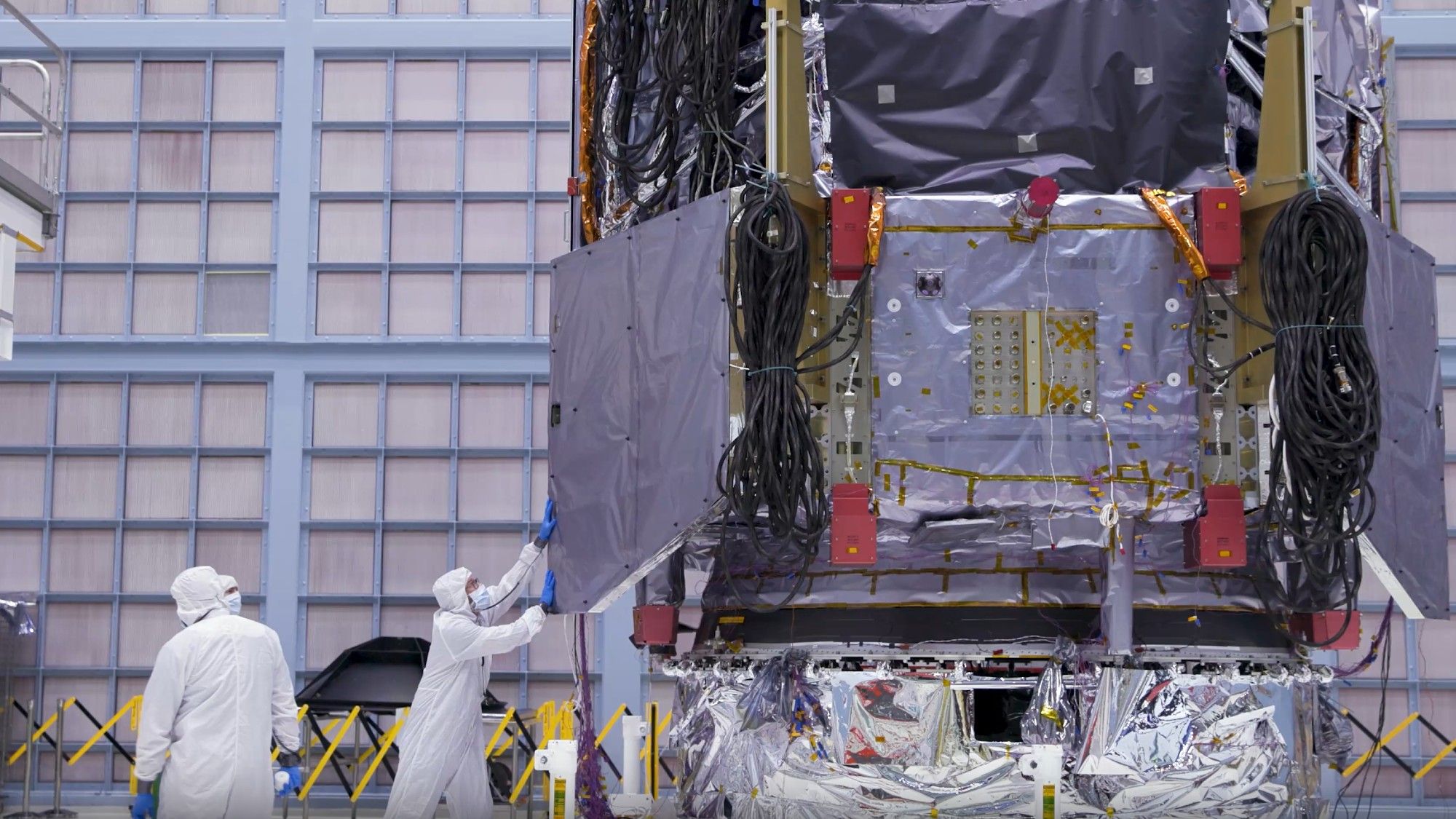
The Wide Field Instrument (WFI)
The crown jewel of the telescope is the Wide Field Instrument (WFI). The WFI possesses the capability to capture images of the infrared universe 50 times larger than the view afforded by the JWST. This is a game-changer for observational astronomy. Where JWST might zoom in on a specific, distant galaxy to analyze its chemical composition, Roman can scan vast swaths of the sky, identifying thousands of targets for JWST to follow up on.
This "tag-team" approach is expected to revolutionize how we identify fleeting phenomena. Supernovae, gravitational lensing events, and the transit of exoplanets—which often occur unpredictably—will now have a persistent sentry watching over them.
Data Generation on an Unprecedented Scale
The sheer volume of data expected from the mission is staggering. NASA projects that the Roman Space Telescope will generate upwards of 500 terabytes of cosmic data every year. To put this into perspective, the Hubble Space Telescope—which has fundamentally changed our perception of the universe over its 35-year lifespan—has produced approximately 400 terabytes in total. The influx of data from Roman will require advanced machine learning and AI-driven analysis to catalog and interpret, marking a shift toward "Big Data" in modern astrophysics.
Implications: Decoding the Dark Universe
The mission’s core scientific objectives are centered on the most elusive components of our reality: dark matter and dark energy.
Mapping Dark Matter
Dark matter remains invisible to traditional telescopes because it does not emit, absorb, or reflect light. Its presence is only inferred through its gravitational influence on visible matter. By surveying the positions and motions of millions of galaxies simultaneously, the Roman telescope will create a high-resolution map of how dark matter clumps and moves across the cosmic web.
Probing Dark Energy
Dark energy, the mysterious force causing the expansion of the universe to accelerate, remains the greatest enigma in physics. By observing thousands of distant supernovae—some farther away than any previously observed—Roman will provide the data necessary to measure the history of cosmic expansion with unprecedented accuracy.
"So we’re going to see thousands of supernovae, and some of these are going to be further away than any supernovae we’ve ever seen before," explained Dominic Benford, program scientist for the mission. These distant light-beacons serve as "standard candles," allowing astronomers to calculate the rate at which the universe has stretched over billions of years.
Synergy with the James Webb Space Telescope
The scientific community is buzzing with anticipation regarding the collaboration between Roman and JWST. For years, astronomers have had to choose between high resolution and wide field coverage. With both observatories operating at L2, this trade-off is effectively eliminated.
The strategy is clear: Roman will function as the scout, identifying anomalies, transient events, and clusters of interest across massive areas of the infrared sky. Once an object of interest is identified, the JWST can pivot its superior sensitivity to perform deep-dive spectroscopic analysis. This tandem approach will allow scientists to move from "surveying the neighborhood" to "inspecting the architecture" of the universe with a speed and efficiency previously thought impossible.
A Legacy in the Making
The Nancy Grace Roman Space Telescope is named in honor of the "Mother of Hubble," the woman who spearheaded the early planning for the Hubble Space Telescope and championed the cause of space-based astronomy. The naming of this mission is fitting; just as Roman (the person) pushed for the creation of an observatory that would change the world, the Roman (the telescope) is set to redefine the boundaries of human knowledge.
As the August 30 launch date approaches, the mood at NASA is one of disciplined optimism. The successful fueling of the spacecraft is a quiet victory—a sign that the hardware is ready, the systems are primed, and the mission is on track.
While the cosmos has kept its secrets hidden in the vast, cold reaches of space for eons, the Roman Space Telescope represents our most sophisticated attempt yet to pull back the curtain. Whether it is finding a habitable exoplanet, mapping the invisible web of dark matter, or witnessing the death of the most distant stars in the universe, the mission promises to be a defining chapter in the history of human exploration.
The launch will be broadcast live, and for the global scientific community, it will be a moment of collective breath-holding as the Falcon Heavy lifts off. If all goes according to plan, the Roman Space Telescope will settle into its home at L2 and begin the long, monumental task of turning the "dark" corners of our universe into the illuminated landscape of future scientific discovery.