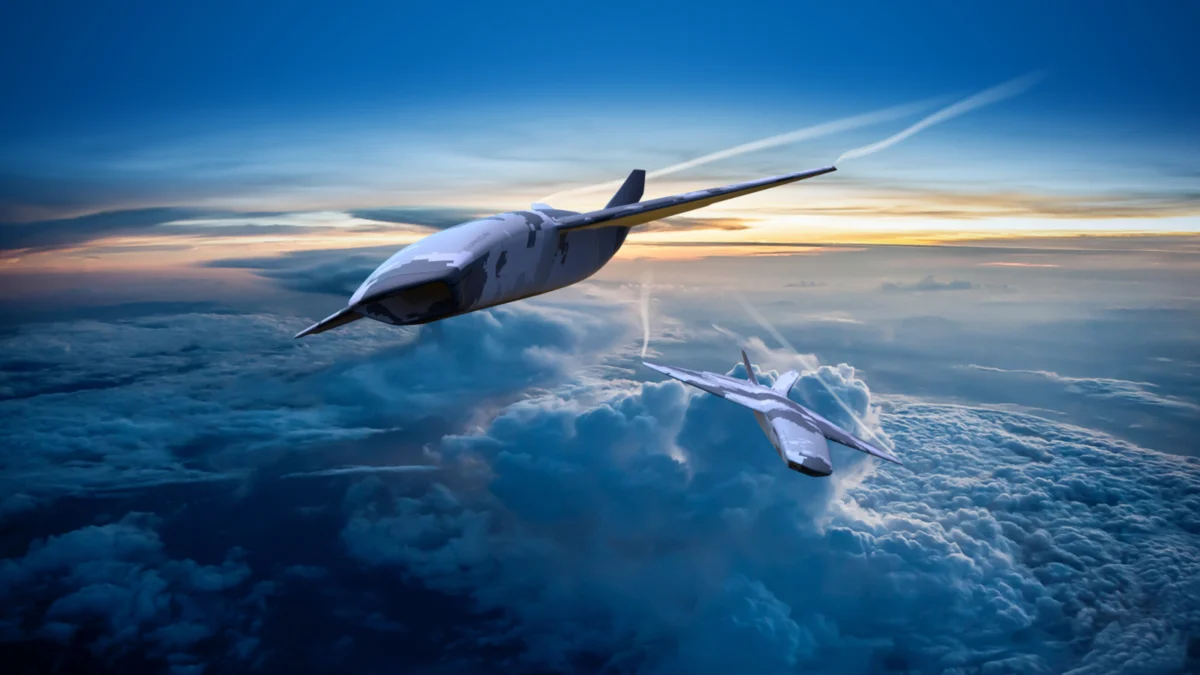
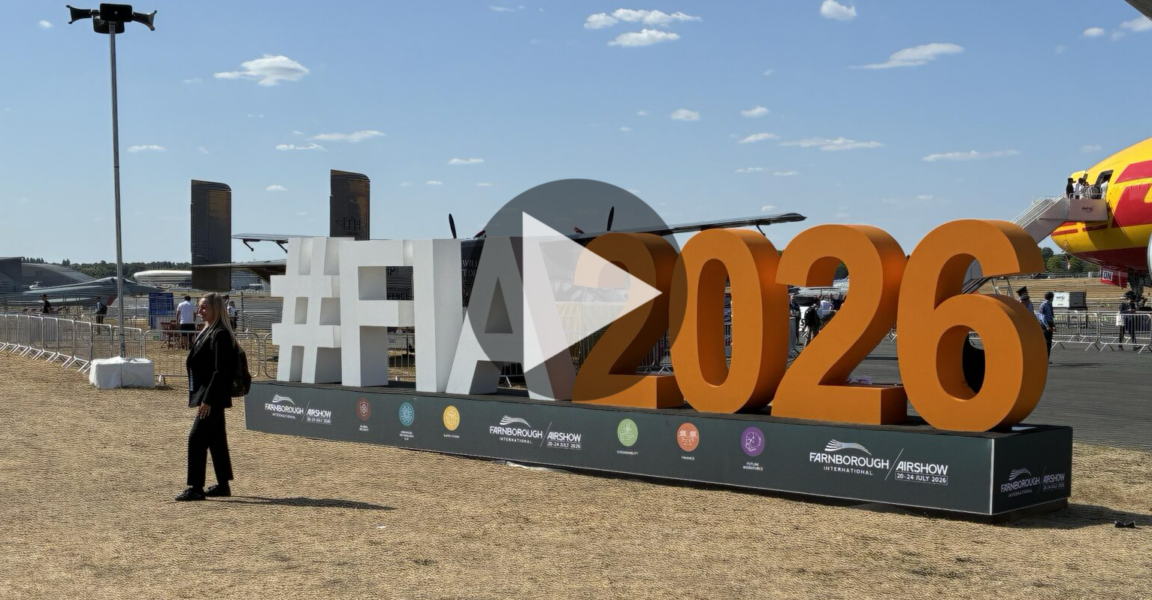
FARNBOROUGH, UK — The landscape of modern aerial warfare underwent a significant shift this week as BAE Systems took the wraps off the "Brontanax," a cutting-edge Collaborative Combat Aircraft (CCA) designed to serve as the United Kingdom’s premier "loyal wingman" drone. The unveiling, which occurred on the third day of the 2026 Farnborough International Airshow, marks a pivotal moment in the British Ministry of Defence’s (MoD) strategy to integrate autonomous, uncrewed systems into the heart of its frontline air combat operations.
The Brontanax, a sleek, agile platform roughly equivalent in physical scale to the venerable BAE Hawk trainer jet, represents the culmination of years of iterative research into AI-driven pilot support. Its debut comes at a time of heightened geopolitical uncertainty and a rapid acceleration in the global "drone race," as major powers pivot away from purely crewed fleets toward a hybrid model of human-machine teaming.
The Main Facts: Defining the Brontanax
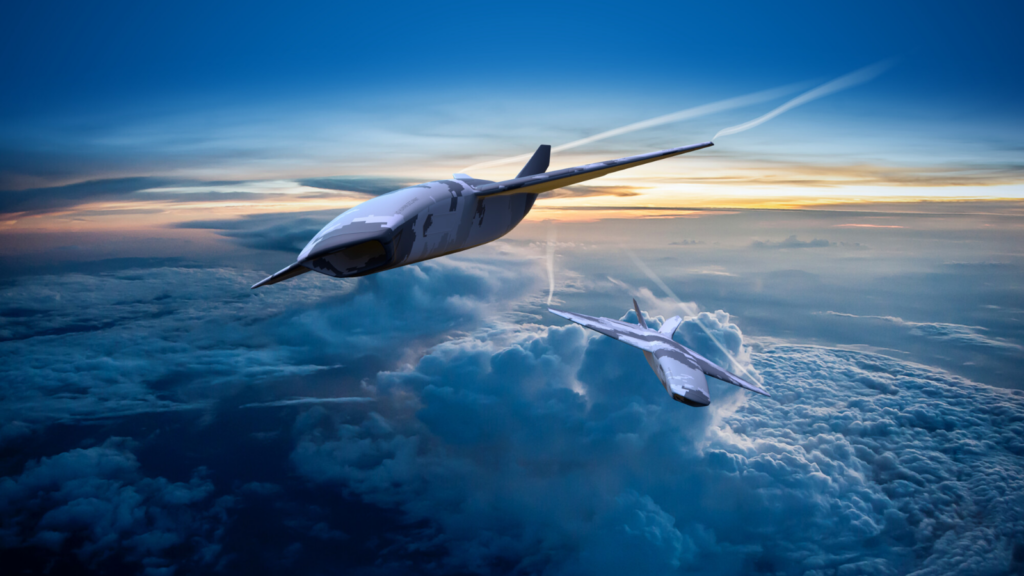
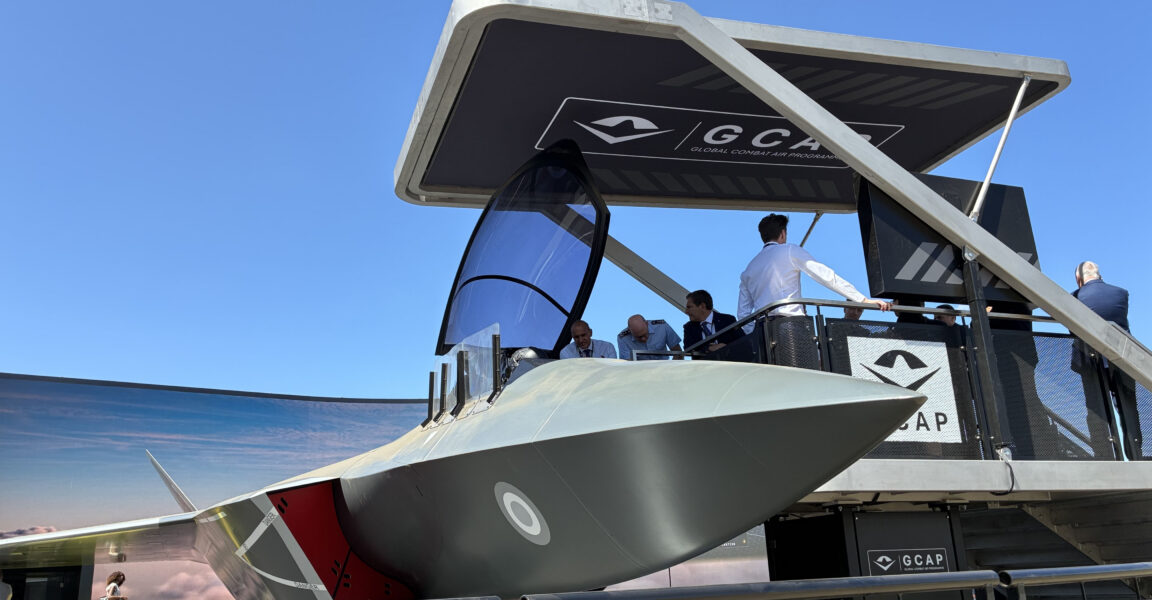
The Brontanax is not merely an unmanned aircraft; it is a force multiplier. Designed to fly in tandem with crewed fighters—such as the future Global Combat Air Programme (GCAP) platform—the Brontanax is engineered to penetrate contested airspace where the risk to human pilots would be prohibitive.
According to official specifications released by BAE Systems, the drone is intended to deliver a dual-role capability: sophisticated electronic warfare (EW) suppression and precision strike operations. By acting as an extension of a crewed fighter’s sensor and weapon suite, the Brontanax allows a human pilot to remain at a safer "stand-off" distance while the drone executes high-risk maneuvers, probes enemy air defenses, or engages ground-based targets with pinpoint accuracy.
"The Brontanax is a critical component of our future integrated air combat capability," a BAE spokesperson stated during the unveiling. "It is designed to be expendable yet highly capable, offering commanders the flexibility to achieve air superiority in environments where traditional assets might be vulnerable."
Chronology of Development: From Concept to Runway
The journey to the Brontanax began long before its public debut this July.
- 2022–2024 (Foundational Research): The UK MoD began heavy investment into autonomous wingman technologies, observing the early successes of similar programs in the United States, such as the XQ-58A Valkyrie.
- Early 2025: BAE Systems solidified its design philosophy, focusing on a "modular" payload system that would allow the Brontanax to swap sensors for weapons depending on mission requirements.
- July 2026 (The Farnborough Pivot): As the airshow opened, the UK government signaled a major shift in procurement strategy. The announcement of the "Storm Fighter" project—a comprehensive framework for the development of indigenous UK-made CCAs—set the stage for the Brontanax’s introduction.
- July 22, 2026: In a high-profile ceremony attended by newly appointed Defence Secretary Wes Streeting, the full-scale model of the Brontanax was revealed to the public, signaling the transition from laboratory prototype to tangible industrial product.
Supporting Data: Why CCAs Matter
The strategic impetus behind the Brontanax is driven by a stark reality: the increasing density and lethality of Integrated Air Defence Systems (IADS). As enemy radars and surface-to-air missiles become more capable, the cost of losing a $100 million crewed jet is becoming strategically unsustainable.
Industry analysis provided at Farnborough suggests that a single crewed fighter will soon be expected to command a "pack" of four to six CCAs. These drones provide:

- Sensor Fusion: They act as forward-deployed radar and electronic intelligence nodes, feeding high-fidelity data back to the primary pilot.
- Saturation: By acting as "decoys" or target-seekers, they force an adversary to expend expensive interceptor missiles on low-cost drone platforms.
- Economic Resilience: The Brontanax is designed to be produced at a fraction of the cost of a traditional fighter, allowing the UK to maintain operational tempo even if individual assets are lost in combat.
Official Responses: Government and Industry Alignment
The presence of Defence Secretary Wes Streeting at the unveiling underscored the importance the new government places on this technology. Streeting, who has been vocal about the need to modernize the UK’s industrial base, framed the Brontanax as a cornerstone of "sovereign defense capability."
"We are not merely buying a drone; we are investing in the future of the British aerospace industry," Streeting remarked. "The Storm Fighter initiative and the Brontanax demonstrate that the UK remains at the cutting edge of AI-integrated warfare. By developing these systems at home, we ensure that our armed forces have the tools they need while simultaneously securing high-skilled jobs across the country."
Industry partners have also reacted with cautious optimism. While the technology is promising, experts at the airshow noted that the "software-first" approach required to control these drones in a contested electromagnetic environment remains the primary hurdle. BAE Systems confirmed that the Brontanax will leverage "open mission systems" architecture, allowing for rapid software updates and the integration of third-party AI algorithms.
Implications: The Future of Air Dominance
The unveiling of the Brontanax has immediate implications for the broader defense ecosystem.

1. The Shift to "Storm Fighter"
The Brontanax is the first major hardware manifestation of the "Storm Fighter" moniker. This suggests that the UK is moving away from relying solely on international partnerships for its drone requirements, preferring a domestic-led design that can be tailored to the specific needs of the Royal Air Force (RAF).
2. A Challenge to Peer Adversaries
For global rivals, the entry of a capable, production-ready loyal wingman from a nation like the UK changes the calculus of engagement. The ability to deploy autonomous, weaponized, and electronic-warfare-capable drones in coordination with human-piloted aircraft forces adversaries to reconsider their defensive deployments. It effectively neutralizes the "numbers advantage" that some nations rely on.
3. The Human-Machine Teaming Paradigm
The most significant long-term implication is the change in the role of the human pilot. With the Brontanax handling the "dull, dirty, and dangerous" aspects of the mission, the pilot evolves into a "mission commander." This requires a shift in pilot training, moving away from purely stick-and-rudder skills toward complex systems management and AI-agent coordination.
4. Market Dynamics at Farnborough
The broader context of the 2026 Farnborough Airshow shows that the race is global. With competitors like General Atomics displaying their own models and European firms like MBDA focusing on weapon integration, the exhibition has turned into a showcase of the "future of the dogfight." The Brontanax stands out by focusing on the specific interoperability needs of the UK’s existing and future fleet.

Conclusion: A New Era
As the dust settles on the Farnborough tarmac, the Brontanax represents more than just an engineering achievement. It is a symbol of a strategic pivot. The UK, historically a leader in aerospace design, is positioning itself to lead in the autonomous era.
While the "Storm Fighter" project is still in its infancy, the unveiling of the Brontanax provides a concrete focal point for future development. The coming years will see intense testing, software refinement, and, eventually, live-fire trials. For the Royal Air Force, the goal is clear: to ensure that when the next major conflict arises, the human pilot is no longer alone in the cockpit, but rather the commander of an autonomous, synchronized, and lethal swarm.
This is a developing story. Further technical specifications, flight test schedules, and budget allocations for the Brontanax program are expected to be announced in the coming months as the Storm Fighter initiative matures.