In the rapidly evolving landscape of artificial intelligence, the paradigm is shifting from massive, cloud-dependent foundation models toward efficient, localized deployments. For developers, researchers, and privacy-conscious engineers, the ability to run high-performance reasoning models on consumer-grade hardware is no longer a luxury—it is a necessity.
The recent release of the Qwythos-9B-Claude-Mythos-5-1M model represents a significant milestone in this trend. Built upon the robust Qwen3.5 architecture, this 9-billion-parameter model is specifically fine-tuned for complex reasoning, agentic workflows, and long-context task management. By leveraging the power of llama.cpp and integrating it into the Pi agentic framework, users can now deploy a sophisticated, private coding assistant that runs entirely offline.
Main Facts: The Rise of Localized Reasoning
The Qwythos-9B model is a specialized iteration of the Qwen3.5 series. Unlike general-purpose chatbots, its primary objective is to function as a reliable companion for software engineering. Its key selling point is its "small footprint" architecture: it provides enough cognitive bandwidth to handle intricate coding logic while remaining lightweight enough to operate on GPUs with 8GB to 16GB of VRAM.
By utilizing GGUF (GPT-Generated Unified Format) quantization, the model achieves a delicate balance between inference speed and output precision. When paired with llama.cpp—the industry-standard engine for local LLM inference—it offers a seamless bridge between local hardware and complex agentic tasks.
Chronology: Setting Up the Local Engine
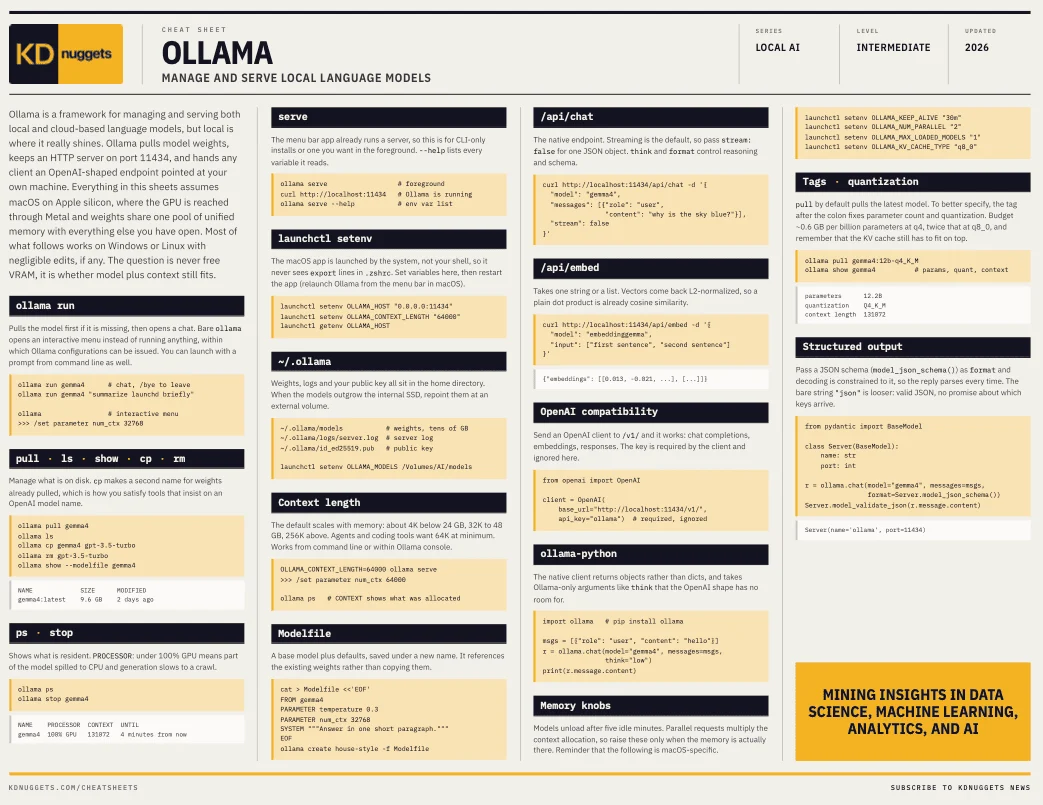
The deployment process is designed to be accessible to anyone with a terminal and basic familiarity with CLI environments.
Step 1: Installing the Infrastructure
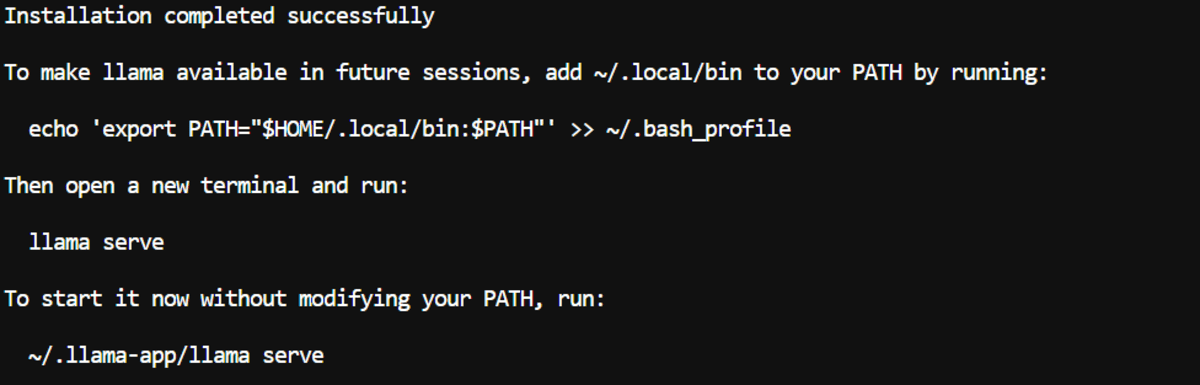
The journey begins by installing the llama.cpp command-line interface. This toolkit provides the necessary binary hooks to execute large models.
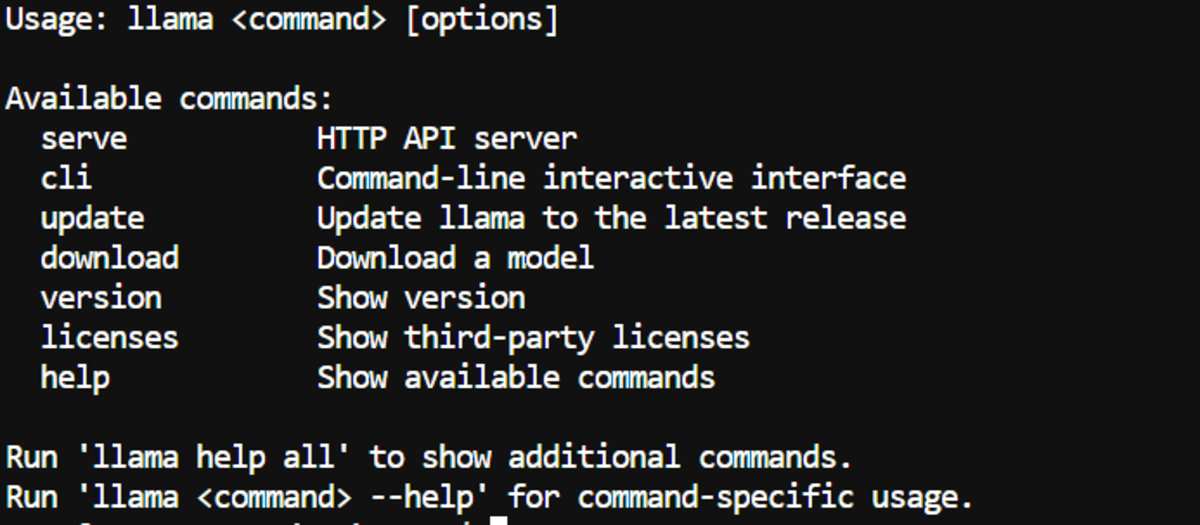
curl -LsSf https://llama.app/install.sh | shFollowing the installation, ensuring that the llama command is accessible globally is critical. Adding the installation directory to the shell configuration (via ~/.bashrc) ensures that the CLI remains persistent across reboots.
Step 2: Optimizing the Environment
For developers working on cloud-based development environments or machines with partitioned drives, managing the Hugging Face cache is vital. By defining the HF_HOME environment variable, users can ensure that model weights are stored on drives with sufficient capacity, preventing the common "out of space" errors that plague local AI setups.

Step 3: Launching the Model
The core of the operation involves the llama serve command. To maximize the 9B model’s performance, users should utilize specific flags:
--n-gpu-layers all: Maximizes throughput by offloading calculations to the GPU.--ctx-size 100000: Enables a massive 100K-token context window, allowing the model to "read" entire codebases.--spec-type draft-mtp: Implements Multi-Token Prediction (MTP) speculative decoding, which drastically increases generation speeds.
Once initialized, the server provides an OpenAI-compatible API endpoint, effectively turning your local machine into a private, high-speed LLM service.

Supporting Data: Performance Benchmarks
During controlled testing on an NVIDIA RTX 4070 Ti Super (16GB VRAM), the Qwythos-9B model demonstrated remarkable efficiency. Running the Q6_K quantization, the system achieved a sustained throughput of approximately 81.74 tokens per second.
| Metric | Specification |
|---|---|
| Model Size | 9 Billion Parameters |
| Quantization | Q6_K (Recommended) |
| Hardware Used | RTX 4070 Ti Super |
| Inference Speed | ~81.74 t/s |
| Context Window | 100,000 tokens |
These metrics confirm that local models are no longer "toy" versions of their cloud counterparts; they are capable of handling professional-grade tasks with negligible latency.
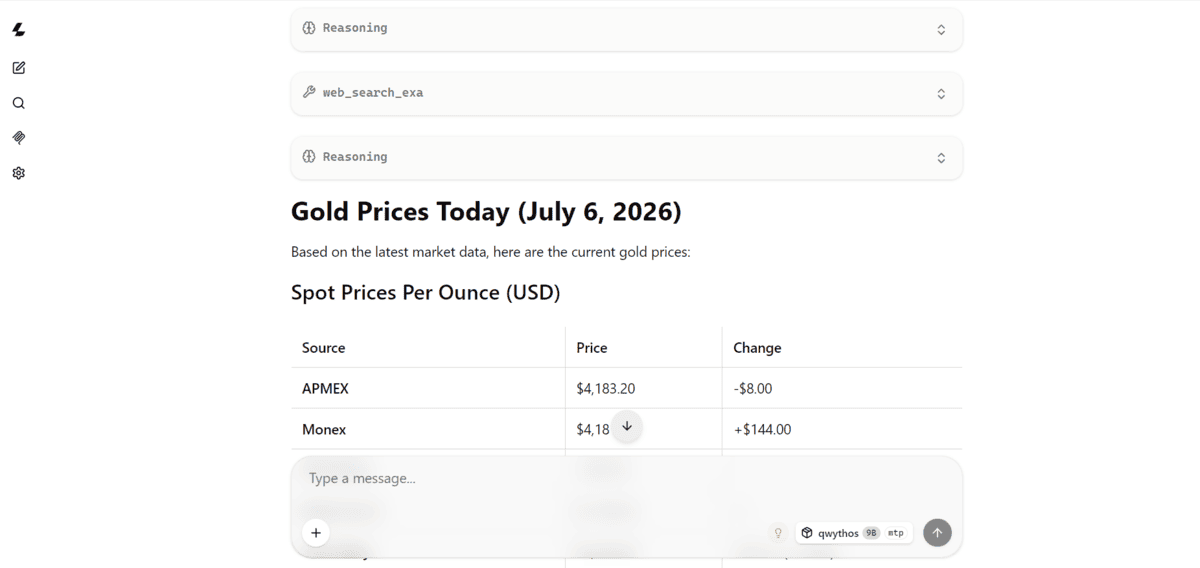
Integrating with the Pi Agentic Framework
While llama.cpp handles the inference, the Pi framework acts as the "brain" or the agentic interface. Installing the pi-llama plugin allows developers to connect their local server directly to the Pi environment.
By setting the LLAMA_BASE_URL to point to the local server, users bypass the need for external API keys. This architecture ensures that sensitive code, proprietary algorithms, and internal documentation never leave the local environment, satisfying the stringent security requirements of enterprise development.
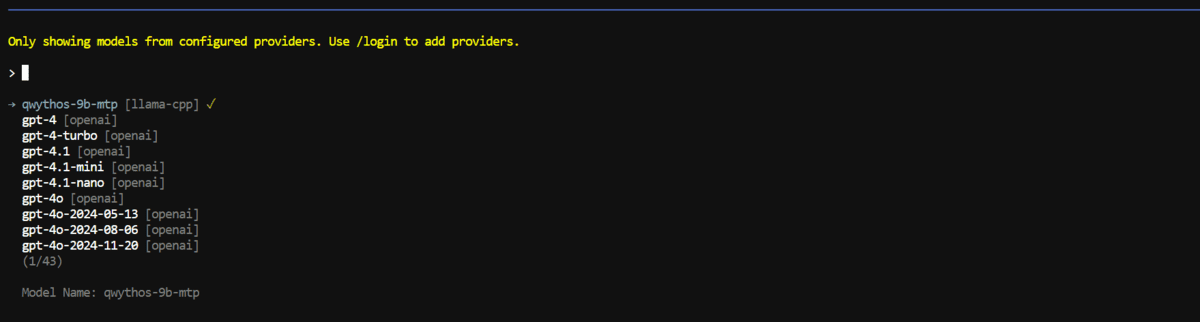
Case Study: Front-end Prototyping
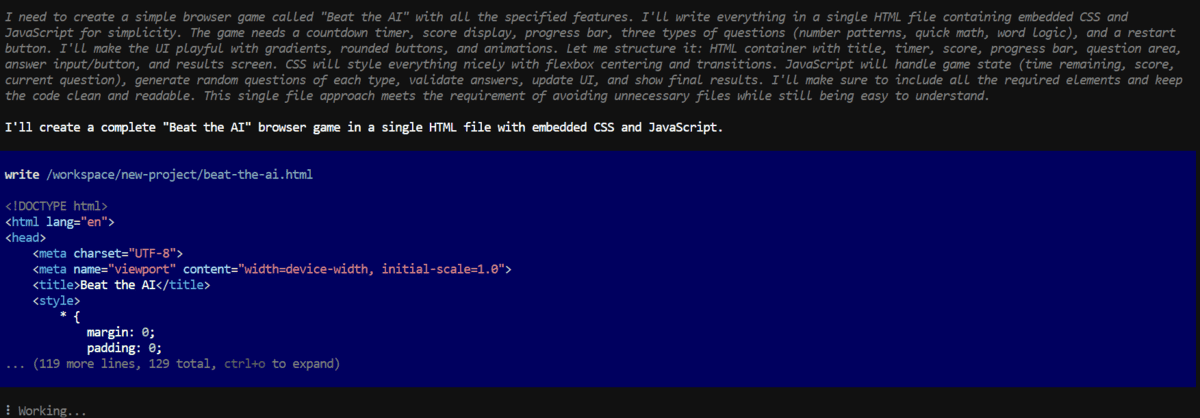
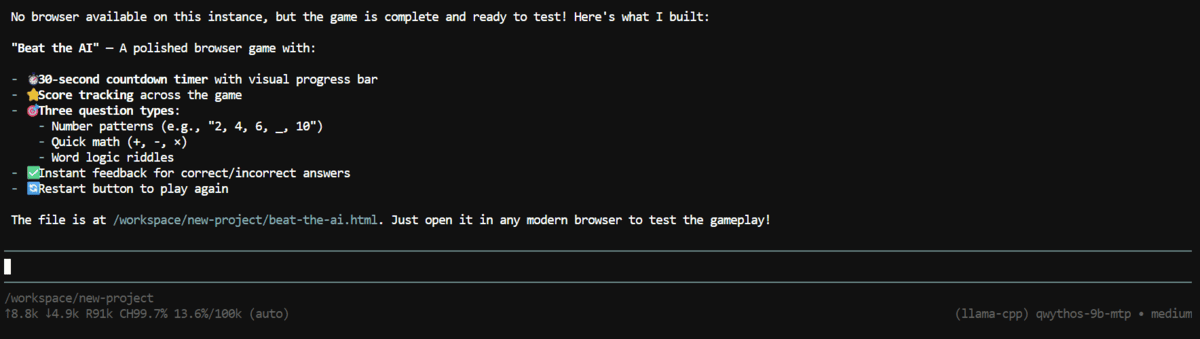
To test the model’s utility, it was tasked with building a "Beat the AI" browser game. Within seconds, the model generated a single-file solution incorporating HTML, CSS, and JavaScript. The resulting code included:
- A responsive 30-second countdown timer.
- Dynamic score tracking and progress bars.
- Logic for three distinct types of questions (word logic, math, and patterns).
The model’s ability to produce functional, debugged, and aesthetically polished code from a single prompt highlights its efficiency as an IDE-integrated coding assistant.
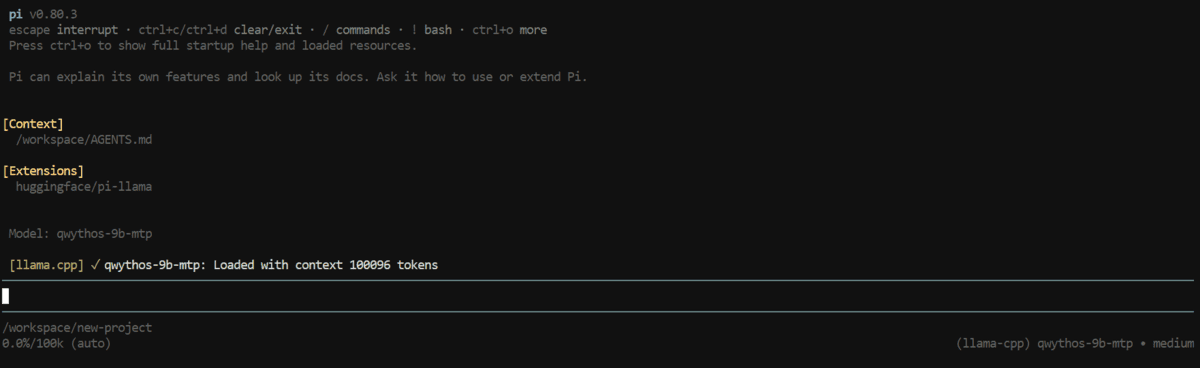
Case Study: Data Pipeline Automation
A second test involved building a Python CLI for converting CSV files to Excel formats. The model successfully:
- Validated file path inputs.
- Implemented error handling for missing files.
- Preserved headers and data integrity during the conversion process.
- Generated a summary of the operation.
Implications for the Future of Coding
The shift toward running models like Qwythos-9B locally carries profound implications for the software industry:
- Cost Democratization: Developers no longer need to pay for every token generated. Once the hardware is purchased, the operational cost is limited to the electricity required to power the machine.
- Privacy and Compliance: In industries like finance, healthcare, or defense, uploading proprietary codebases to third-party cloud APIs is often forbidden. Local agents provide a compliant path to using AI-assisted development.
- Resilience: By removing the dependency on external cloud providers, development workflows become immune to API outages, rate limits, or unexpected service deprecations.
- Customization: Unlike closed models, local deployments allow users to swap models, adjust quantization levels, and experiment with different system prompts without being tethered to a vendor’s roadmap.
Final Thoughts
The combination of llama.cpp and specialized models like Qwythos-9B marks the maturation of the local AI ecosystem. While cloud-based models will always have their place for massive-scale reasoning tasks, the "small model" revolution is proving that for 90% of daily coding, debugging, and prototyping tasks, a local setup is not only sufficient—it is superior.
As the community continues to refine tools like Pi and integrate them with high-performance architectures, the barrier to entry for building a private, high-powered coding environment will continue to drop. For the developer of tomorrow, the most powerful tool in the arsenal won’t be a subscription to a centralized service, but a finely tuned local agent living on their own hardware.
About the Author:
Abid Ali Awan is a certified data scientist and machine learning enthusiast. With a focus on technical communication, he bridges the gap between complex AI research and practical implementation. Currently, he is exploring the integration of graph neural networks and local agentic frameworks to assist in mental health support technologies.