Main Facts: Bringing Sunlight to the Darkened Earth
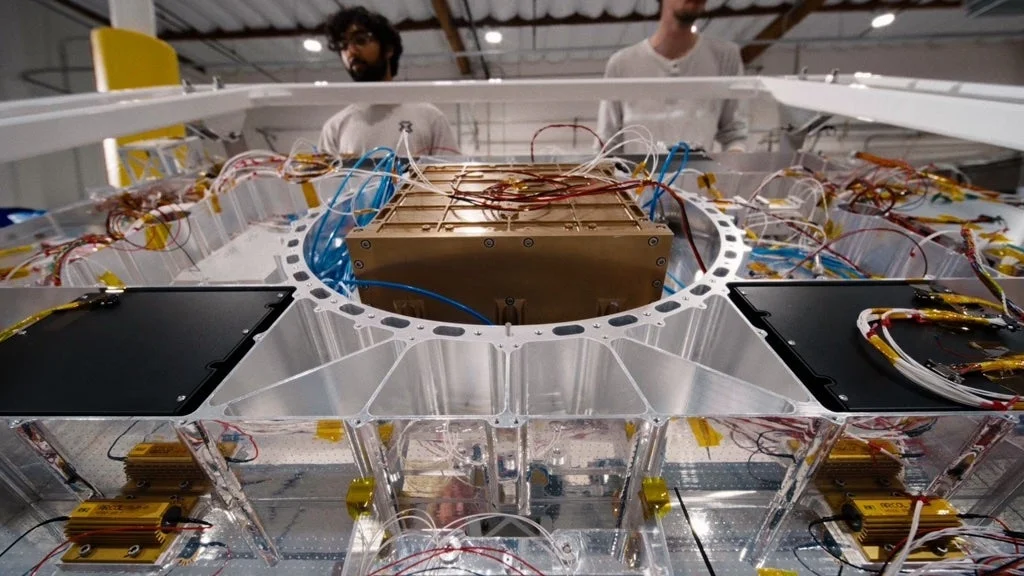
In a move that promises to redefine the boundaries between space technology and terrestrial infrastructure, the U.S. Federal Communications Commission (FCC) has officially granted startup Reflect Orbital the authorization to launch its Earendil-1 demonstration satellite. This mission, scheduled for deployment later this year, aims to test a proprietary, highly specular thin-film reflector capable of redirecting sunlight from orbit back to specific locations on Earth.
The concept, while evocative of science fiction, is grounded in rigorous engineering. By utilizing an orbital mirror, Reflect Orbital intends to extend the availability of sunlight beyond the natural cycle of the sun. The Earendil-1 mission is the first of several planned test flights, serving as a foundational proof-of-concept for a technology that the company claims could eventually revolutionize energy generation, civil infrastructure, and remote operations.
The FCC’s decision, finalized on July 9, marks a pivotal moment for the burgeoning "space-enabled infrastructure" sector. The regulatory body characterized the initiative as a "potentially groundbreaking technology" that serves the public interest, despite the significant controversy that the application stirred during the public comment period.
Chronology: From Concept to Regulatory Breakthrough
The journey to the Earendil-1 launch has been marked by rapid development and intense scrutiny.
- 2025: Reflect Orbital solidifies its technological roadmap, following a successful $20 million Series A funding round. This influx of capital allowed the team to transition from theoretical modeling to the hardware-in-the-loop testing phase.
- July 1, 2025: Reflect Orbital files its formal application (SAT-LOA-20250701-00129) with the FCC, triggering the public notice process.
- Summer 2025 – Spring 2026: The application process becomes a lightning rod for the scientific and aerospace communities. Nearly 2,000 comments are submitted to the FCC, ranging from technical inquiries to vehement opposition.
- July 9, 2026: The FCC grants the experimental license, dismissing concerns about future constellation-wide deployment in favor of evaluating the immediate, single-satellite mission.
- Late 2026 (Projected): The Earendil-1 satellite is scheduled for launch, signaling the beginning of in-orbit testing.
Supporting Data: The Mechanics of Orbital Reflection
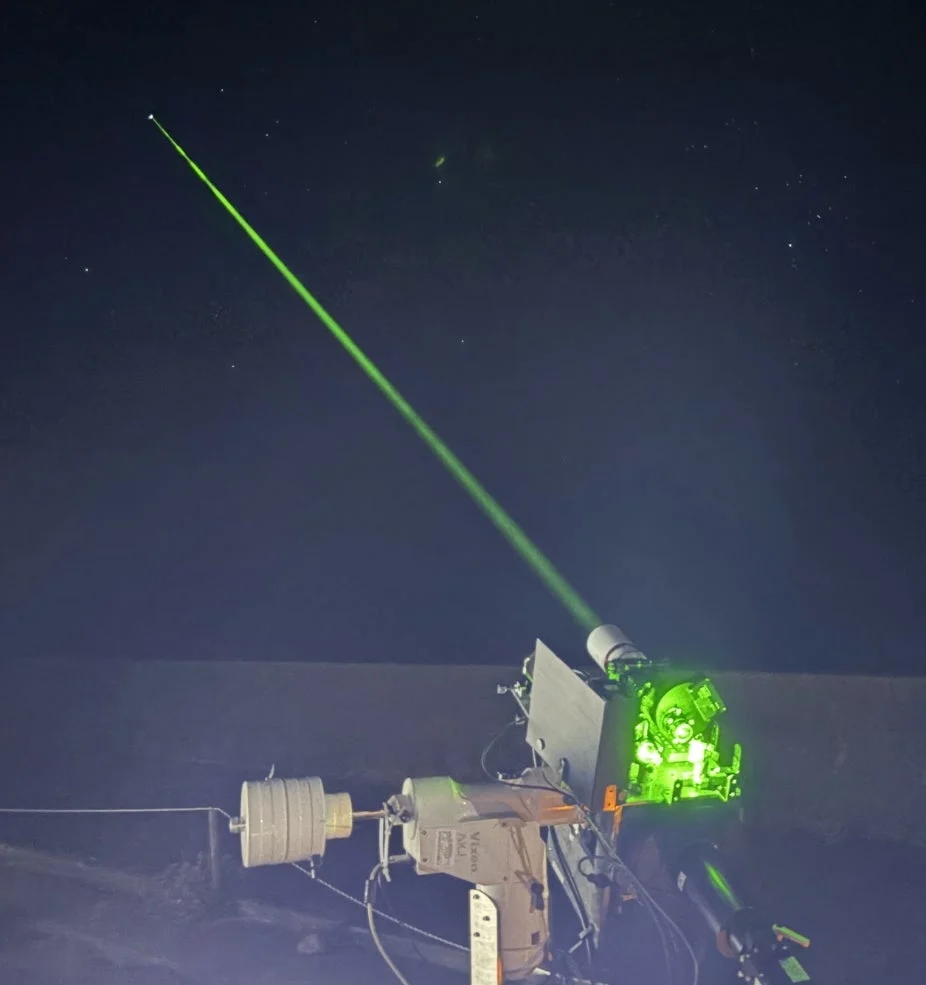
Reflect Orbital’s technology relies on a "deployable, highly specular thin-film reflector." Unlike passive satellites that merely reflect incidental light, this system is designed for precision. The "specular" nature of the film ensures that light rays maintain their parallel orientation, allowing for a directed "beam" of light to be focused on a target area on the ground.
Technical Hurdles and Objectives
The Earendil-1 mission is specifically designed to address the following:
- Reflectivity Efficacy: Determining how much light is lost during the redirection process and whether the intensity is sufficient for industrial or commercial utility.
- Pointing Accuracy: Testing the satellite’s ability to stabilize and aim the reflector at precise coordinates while moving at orbital velocities.
- Deployment Reliability: Assessing the mechanical integrity of the thin-film deployment system in the vacuum of space.
From a business perspective, the company views this as a foundational layer for a new economy. The potential applications are vast, including providing supplemental light for nighttime emergency response operations, illuminating remote construction sites, supporting defense-related infrastructure, and potentially augmenting solar farms by extending their peak generation hours.
Official Responses: A Divided Community
The FCC’s approval was not issued without caveats. The commission acknowledged the unprecedented nature of the request, noting that the license is specifically limited to this single test satellite.
The Regulator’s Stance
"Earendil-1 is a single satellite and a limited, short-duration technology test exercise," the FCC stated in its approval document. "The results of this single-satellite mission will inform whether the concept is viable and will assist the company, its prospective customers, and other stakeholders in assessing any future larger-scale deployment." By framing the license in this manner, the FCC effectively sidestepped the broader debates regarding the environmental and astronomical impact of a full-scale constellation, focusing instead on the immediate technical feasibility.
The Industry Perspective
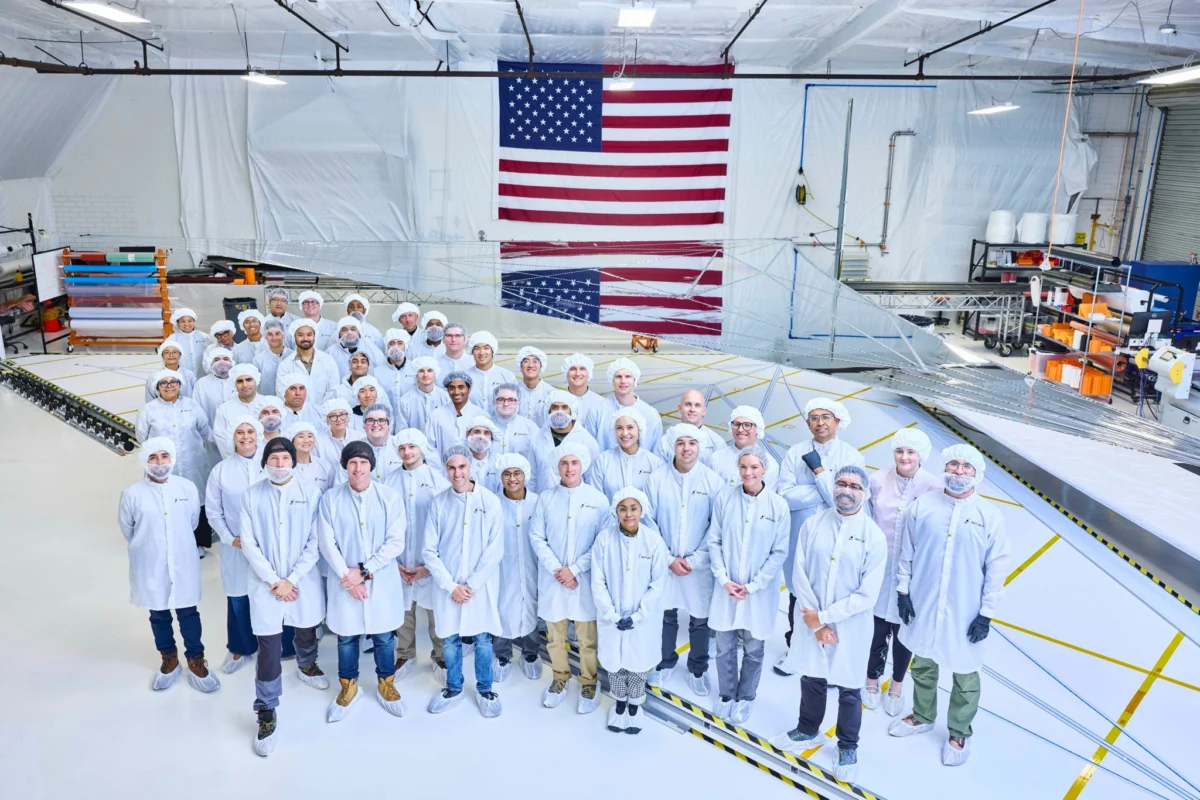
Ben Nowack, co-founder and CEO of Reflect Orbital, expressed relief and optimism following the decision. "We’re grateful to the FCC for recognizing the importance of testing novel technologies in space," Nowack said. "This license is the first step toward rigorously testing our technology’s efficacy and the safeguards we have developed. We’re excited to demonstrate how our technology works and to introduce transformative, clean technology the world urgently needs."
The Opposition
The backlash was significant. Nearly 2,000 comments were filed, many by major scientific institutions including:
- The American Astronautical Society
- The Royal Astronomical Society
- DarkSky International
- Aviation Safety Stakeholders
Concerns centered on three primary areas:
- Astronomical Interference: The "light pollution" potential of an orbital mirror, which could disrupt ground-based and space-based telescope observations, effectively "blinding" sensitive equipment during critical windows of study.
- Safety Hazards: Fears that the concentrated light beam could cause glare or dangerous reflections, potentially impacting the vision of pilots, automobile drivers, or even the general public on the ground.
- The "Slippery Slope": Critics argued that while this is a single test, the regulatory approval sets a dangerous precedent for future, larger constellations that could permanently alter the night sky.
Implications: The Future of Light and Space Law
The approval of the Earendil-1 mission serves as a litmus test for the future of space governance. As private entities continue to push the boundaries of what is possible in Low Earth Orbit (LEO), the traditional frameworks used to manage space traffic and orbital debris are being stretched.
Environmental and Ethical Considerations
Reflect Orbital has recognized the need for social license. The company has proactively commissioned independent, third-party research to quantify the impact of its technology and is in active dialogue with the National Science Foundation. "The company is committed to ongoing dialogue with scientists, astronomers, environmental researchers and any community that has a legitimate interest in how its technology develops," the company stated.
However, the question remains: does humanity have a "right" to modify the natural light cycle of the planet? The opposition from DarkSky International highlights a growing movement to protect the "right to the dark," which is increasingly threatened by satellite mega-constellations and now, potentially, active light-reflecting infrastructure.
Economic and Strategic Potential
If Reflect Orbital succeeds, the economic implications could be staggering. A reliable, on-demand light source from space could displace fossil-fuel-based lighting systems in remote areas, reduce costs for night-shift industrial operations, and potentially increase the efficiency of global solar energy grids by providing light to panels during dawn and dusk hours.
Conversely, should the mission fail or cause unexpected public safety incidents, it could lead to a massive regulatory backlash, potentially freezing the sector for years. The FCC’s cautious, iterative approach suggests they are aware of these high stakes.
Conclusion
As the Earendil-1 satellite prepares for its journey to orbit, the eyes of the world—both scientific and commercial—will be watching. Reflect Orbital is attempting to bridge the gap between high-concept space engineering and practical terrestrial utility. Whether this project marks the dawn of a new era of "lunar-like" lighting or a cautionary tale about human intervention in the celestial environment, it represents a bold, irreversible step into a future where the sun is no longer the only master of our day-night cycle. The coming months of flight testing will provide the first real-world data to settle the debate, proving whether the company’s vision is a shining success or a flicker in the dark.