By Industry Correspondent | September 23, 2026
In a landmark achievement for telecommunications and aerospace engineering, Sceye, in partnership with SoftBank, has successfully concluded a month-long mission that bridges the gap between stratospheric platforms and high-speed optical communications. The mission, centered on the ST1 High-Altitude Platform Station (HAPS), has moved beyond standard connectivity testing, successfully demonstrating a world-first laser-ranging tracking capability that could fundamentally alter the global telecommunications landscape.
The ST1 mission, which took place between August 9 and September 5, 2026, represents a significant leap forward in the quest to provide ubiquitous, high-speed, and secure connectivity. By integrating "cell tower in the sky" capabilities with cutting-edge optical wireless technology, the collaborative effort has proven that the stratosphere is not merely a venue for observation, but a viable, high-performance node for the global digital infrastructure.
Main Facts: A New Era for Stratospheric Connectivity
The core of the recent mission was the deployment of the Sceye ST1 HAPS, a solar-powered, long-endurance vehicle designed to operate in the stratosphere—far above the turbulence of weather and commercial air traffic.
The mission achieved three primary technological milestones:
- Direct-to-Device Connectivity: The platform acted as a "cell tower in the sky," successfully transmitting voice calls, SMS, and high-speed internet data directly to unmodified, off-the-shelf smartphones.
- Edge Computing: The ST1 proved capable of processing data locally on the platform, reducing latency and bandwidth requirements for end-users.
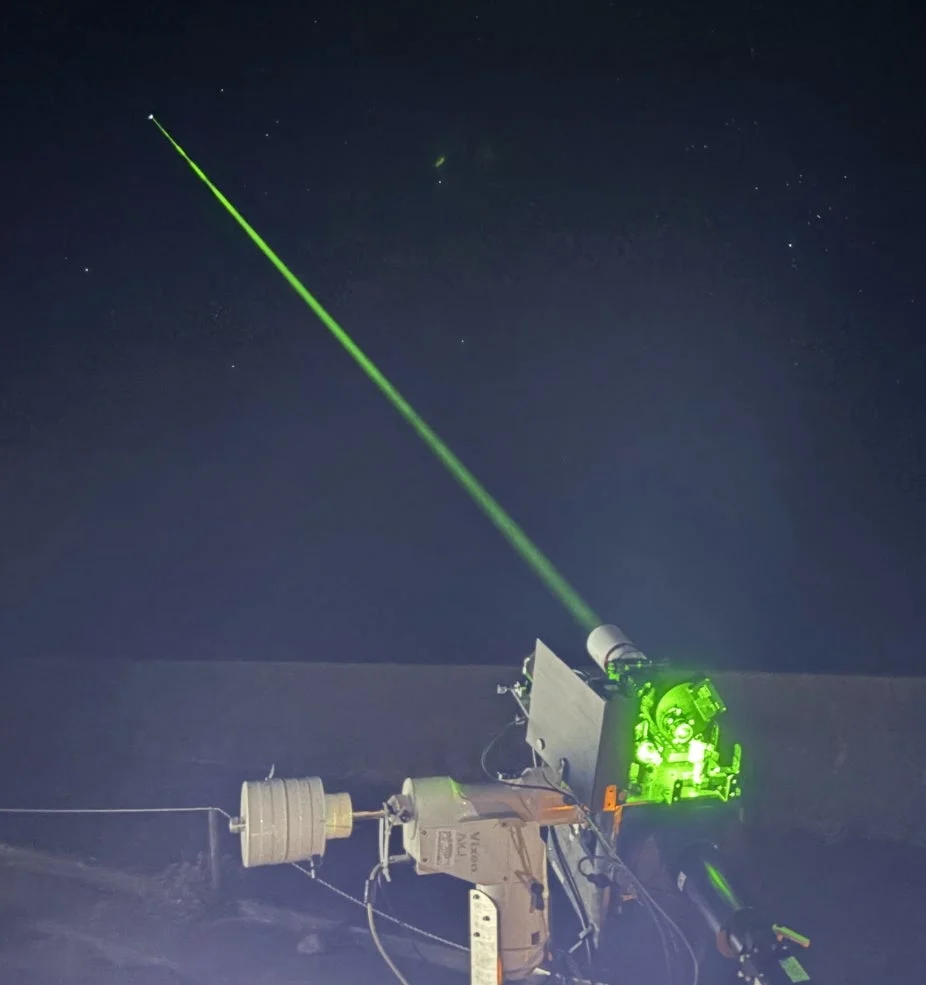
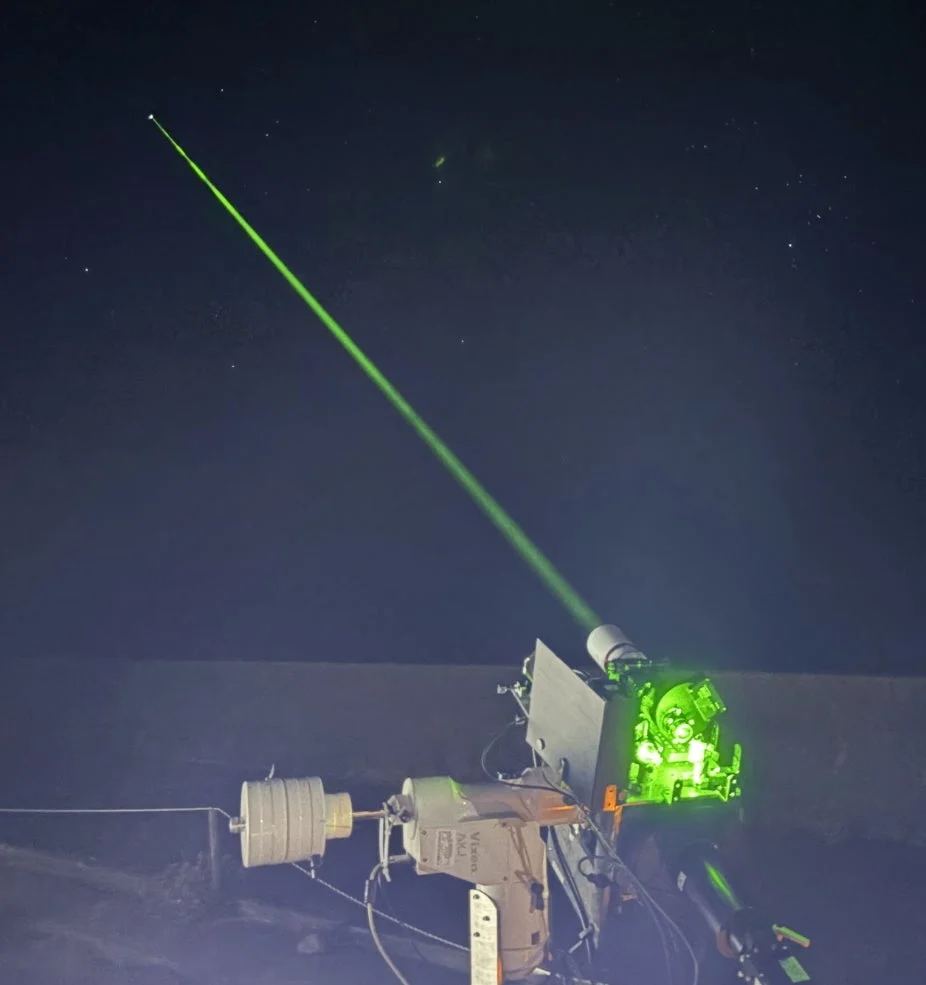
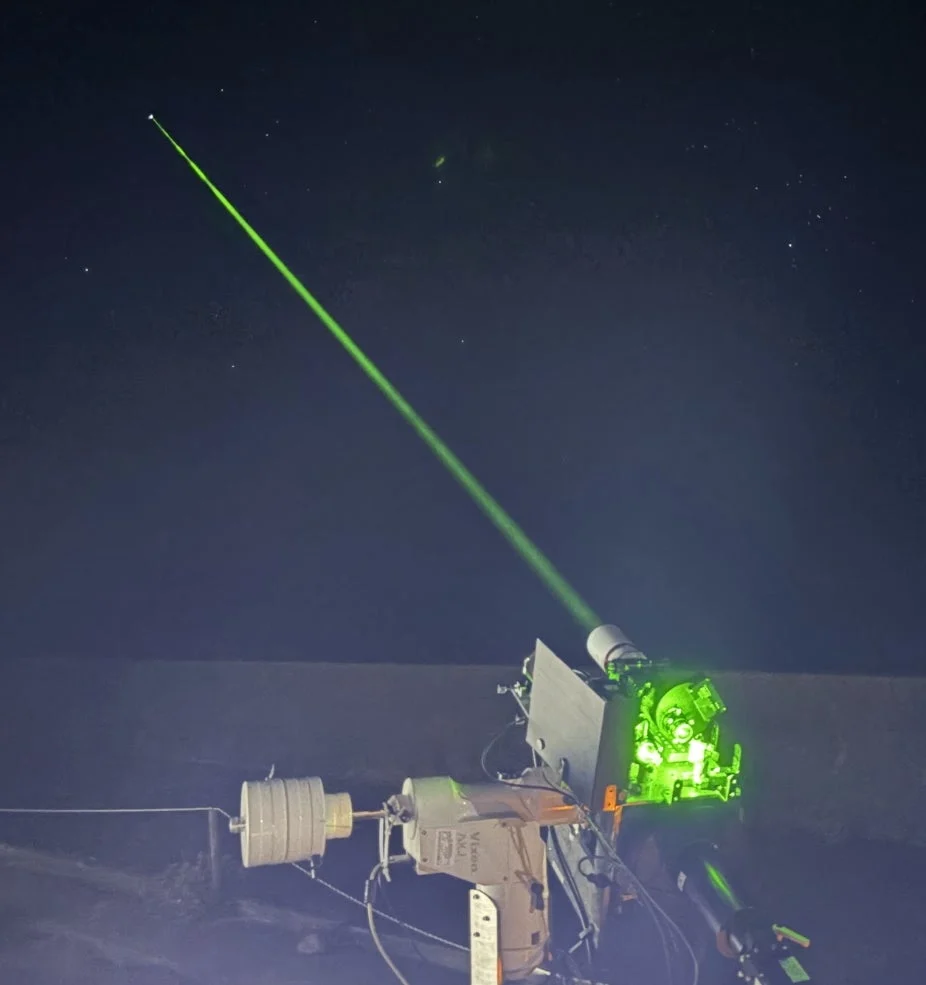
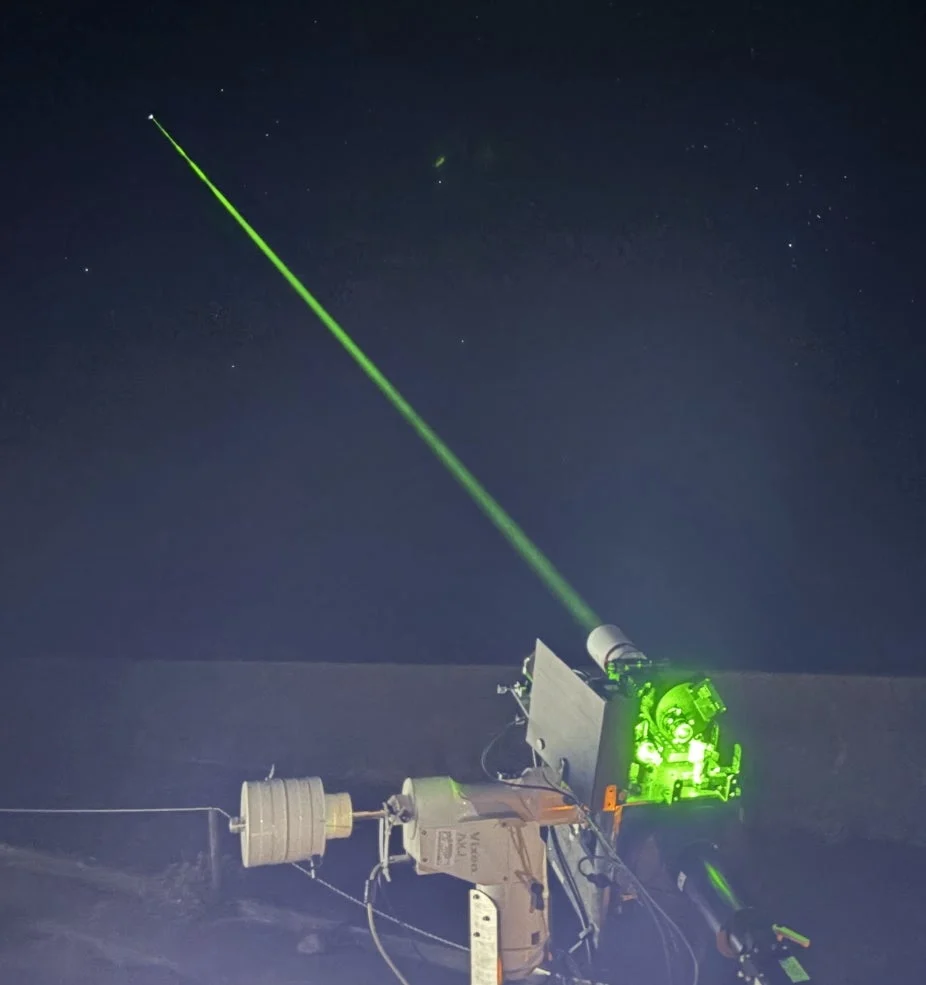
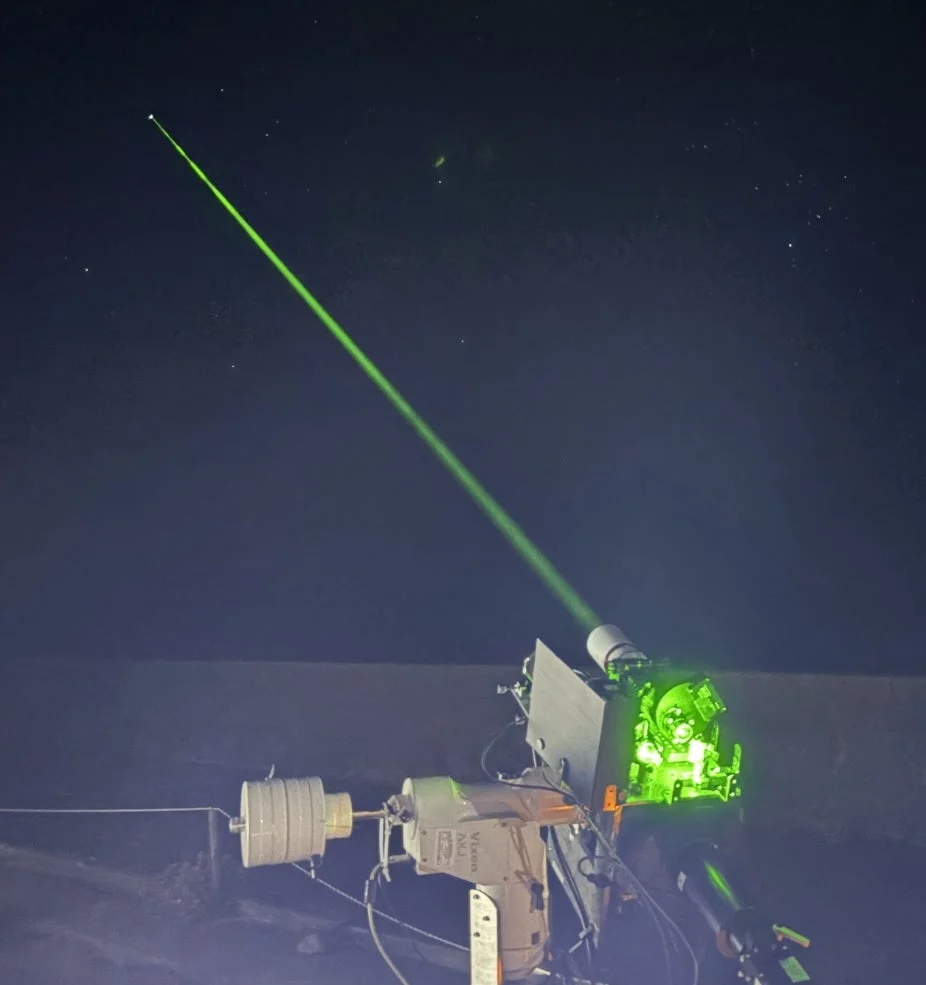
- Free Space Optical (FSO) Demonstration: In a collaboration with Japan’s National Institute of Polar Research (NIPR) and Hitotsubashi University, the team performed a world-first laser-ranging test. By tracking the moving HAPS from the ground using the "Omni-SLR" system, they verified that highly directional laser beams could maintain a link with a mobile platform at stratospheric altitudes.
Chronology of the ST1 Service Test Mission
The path to this breakthrough was marked by rigorous testing and precise operational execution.
- August 9, 2026: The ST1 platform commenced its flight, marking the official start of the Sceye Service Test program. The vehicle ascended to its operational altitude in the stratosphere, positioning itself to serve as a mobile communications hub.
- Mid-August: During the operational phase, the ST1 underwent a series of connectivity stress tests. These included multi-user video streaming, voice-over-IP (VoIP) testing, and data transmission to standard mobile handsets, confirming the viability of the "SceyeCELL" technology.
- Late August (Laser Demonstration): As the HAPS maneuvered, the ground-based team in Japan engaged the Omni-SLR (Satellite Laser Ranging) system. This involved transmitting a laser signal from a portable ground station to a specialized Corner Cube Reflector (CCR) assembly mounted on the ST1. The successful tracking of the HAPS while it was in motion served as the proof-of-concept for optical wireless communication links.
- September 5, 2026: The ST1 mission concluded successfully, with the platform completing its scheduled flight duration and providing a wealth of data that will inform the next generation of HAPS design and deployment.
Supporting Data: The Anatomy of the Laser-Ranging Link
The technical complexity of the FSO demonstration cannot be overstated. Tracking a HAPS platform at an altitude of approximately 60,000 to 70,000 feet requires immense precision. The project relied on a synergy between three specialized entities:
The Corner Cube Reflector (CCR)
Designed by the National Institute of Polar Research (NIPR), the CCR is a passive optical device capable of reflecting light back to its source, regardless of the angle of incidence. This was critical, as the HAPS platform is subject to drift and atmospheric movement. By reflecting the laser signal back to the source, the CCR allows ground stations to calculate the precise distance and position of the HAPS in real-time.
The Reflector Assembly
SoftBank’s engineering team integrated the CCR into a custom-built assembly on the ST1. This assembly was designed to withstand the harsh, low-pressure, and temperature-variable environment of the stratosphere while maintaining the integrity of the optical path.
The Omni-SLR Ground Station
The "Omni-SLR" system, developed by Hitotsubashi University, is a portable laser ranging device. Unlike traditional, massive satellite tracking stations, the Omni-SLR is designed for mobility. Its ability to acquire and lock onto a target as small as a HAPS at stratospheric ranges represents a breakthrough in portable optical communications.
The successful handshake between the ground-based Omni-SLR and the airborne CCR confirms that high-bandwidth, secure, and interference-free data links are possible between the ground and the stratosphere.
Official Responses: A Vision for the Future
The success of the mission has drawn significant praise from the leadership at both Sceye and SoftBank.
Mikkel Vestergaard Frandsen, founder and CEO of Sceye, emphasized the holistic nature of the mission in his official statement:
"During a single mission, our first Service Test flight supported direct-to-device connectivity, edge computing, communications with drones, and now a world-first laser-ranging demonstration. The ability to connect ground, stratosphere, and space through optical links could fundamentally change how information moves securely around the world."
The sentiment is echoed by SoftBank’s strategic initiative to expand connectivity in remote and underserved regions. By leveraging HAPS, SoftBank aims to create a "three-dimensional" network architecture where satellites (Space), HAPS (Stratosphere), and terrestrial towers (Ground) work in concert to provide seamless coverage.
Implications: Why This Changes Everything
The integration of laser-ranging and FSO into the HAPS framework has profound implications for the future of global communications, security, and disaster response.
1. Secure and Unjammable Communications
Traditional radio frequency (RF) communications, while effective, are vulnerable to interference and interception. Optical links—using laser light—are inherently more secure. Because the beam is highly directional and narrow, it is significantly harder to intercept or jam. This makes HAPS-to-ground laser links an ideal solution for government, military, and critical infrastructure communications.
2. Eliminating the "Digital Divide"
The ST1’s ability to transmit high-speed data to unmodified smartphones is a game-changer for the digital divide. Rather than requiring users to purchase expensive, specialized satellite terminals, the SceyeCELL technology allows users to access the internet using the phone already in their pocket. This approach drastically lowers the barrier to entry for billions of people in rural and remote areas.
3. Edge Computing in the Stratosphere
By performing data processing on the platform itself, Sceye is effectively moving the "cloud" closer to the user. This reduces latency to near-instant levels, which is essential for modern applications like autonomous vehicle coordination, real-time industrial monitoring, and high-fidelity augmented reality (AR) services.
4. A New Architecture for Global Connectivity
The vision presented by this mission is one of a multi-layered network. In the past, communications infrastructure was primarily two-dimensional. With the success of the ST1, the industry is moving toward a three-dimensional model. In this model, HAPS acts as the high-capacity bridge, capable of being deployed rapidly to disaster zones or rural areas, while providing a stable, secure, and high-bandwidth optical backhaul to the global fiber-optic grid.
Conclusion
The ST1 mission has proven that the stratosphere is ripe for commercialization. By combining the endurance of solar-powered HAPS with the speed and security of laser-based optical communications, Sceye and SoftBank have laid the foundation for a more connected, secure, and equitable world. As the technology matures and moves toward commercial scale, the "cell tower in the sky" may soon become as commonplace as the towers that currently populate our cities, ensuring that no matter where you are on Earth, the digital world is never out of reach.