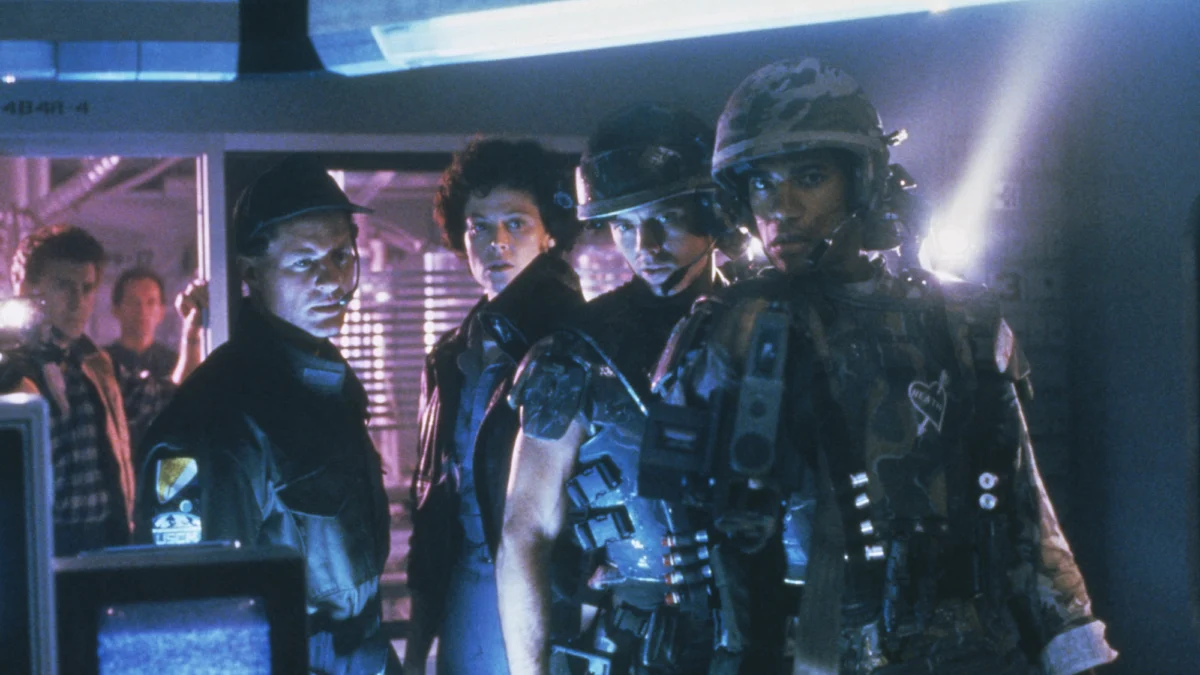
When cinephiles debate the greatest sequels in history, James Cameron’s 1986 masterpiece Aliens is almost always at the top of the list. It is a rare cinematic beast—a film that successfully pivots from the claustrophobic, slasher-style horror of Ridley Scott’s 1979 original into a high-octane, visceral sci-fi war epic. Yet, while the film is now cemented as a cornerstone of science fiction, its path to the silver screen was paved with executive incompetence, budget wars, and a high-stakes game of bluff that nearly resulted in the franchise being sold off to the producers of Rambo.
The Evolution of Terror: From Horror to Intensity
The transition from Alien to Aliens was a conscious, creative decision by James Cameron. While Scott’s original film was a haunted house movie set in the cold vacuum of space, Cameron sought to evolve the stakes. He wasn’t interested in simply replicating the terror of the first film; he wanted to escalate it.

As Cameron noted in an interview with L’Officier, his vision was specific: "I wanted to do a film that was not as scary… it’s scary, but it’s not as scary, but more intense, and I like to use the word, exhilarating. Because I think you get exhilarated by the intensity of the kind of action that’s in this film."
This "exhilarating" shift required a total change in narrative focus. Ellen Ripley, once a sole survivor struggling against an unstoppable biological anomaly, becomes a battle-hardened survivor forced to confront her deepest trauma. This time, she is backed by a platoon of Colonial Marines—soldiers whose heavy firepower and bravado serve as the perfect foil for the hive-mind lethality of the Xenomorphs. The irony of the film is that for all their high-tech weaponry, these soldiers are often out of their depth, emphasizing that in the Alien universe, human arrogance is usually the first thing to die.

A Chronology of Chaos: How ‘Aliens’ Nearly Never Happened
The production history of Aliens reads like a cautionary tale of studio interference. Despite the 1979 film being a massive critical and financial success, 20th Century Fox’s internal accounting was notoriously opaque. Executives at the time famously deemed the original a "flop" on paper, leading to a profound reluctance to greenlight a follow-up.
1983: The Three-Day Treatment
Following the massive success of The Terminator (1984), Cameron was a rising star. Impressed by his script, Fox finally allowed him to develop a treatment for a sequel. In just three days, Cameron hammered out a 45-page draft. It contained the essential DNA of the final film—the colony on LV-426, the Marines, and the Queen—yet Fox remained deeply skeptical. They were so disinterested that they reportedly considered selling the rights to the producers of the Rambo franchise. The mental image of John Rambo mowing down Xenomorphs in the dark of space is a fascinating "what-if," but it would have fundamentally changed the trajectory of sci-fi cinema.

1985: The Budgetary Tug-of-War
When the project finally began to take shape, the next hurdle was financial. Cameron and producer Gale Anne Hurd estimated a production budget of $15.5 million. Fox’s executives, terrified of the risk, countered with a miserly $12 million. The impasse was so severe that Cameron and Hurd walked away from the project entirely. It was only through the internal advocacy of producer Larry Gordon, who recognized that the studio was leaving millions of dollars on the table, that the budget was eventually adjusted to an acceptable level.
The Weaver Standoff
The most dangerous moment for the production was the near-exclusion of Sigourney Weaver. Fox, in a move that today seems baffling, considered moving forward with an Alien sequel that did not include the face of the franchise. Cameron, who had assumed Weaver was locked into a contract, was horrified. When he realized she wasn’t, he had to persuade her to return.
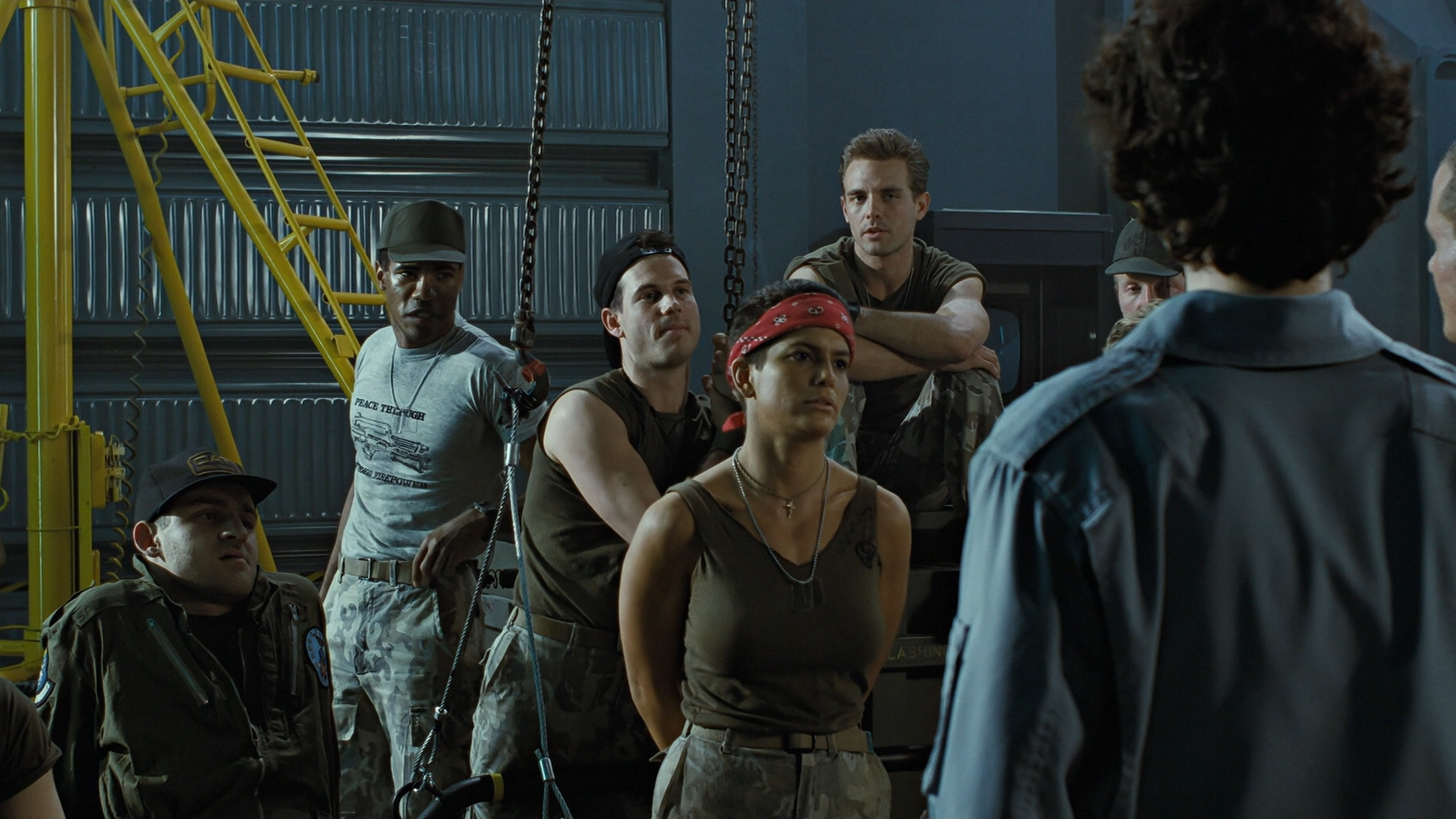
The subsequent negotiations stalled over salary, with Fox refusing to meet the demands of Weaver’s agents. Cameron, ever the strategist, employed a daring, if dishonest, tactic. Knowing that Weaver shared an agency with Arnold Schwarzenegger, Cameron called the agent and lied, claiming he was actively rewriting the script to remove the character of Ripley entirely. The news reached Weaver within hours, the deal was closed, and the production finally had its star.
The Philosophical Shift: Redefining the Franchise
The implications of Aliens on the film industry cannot be overstated. Before 1986, sequels were rarely treated as opportunities to explore new genres. Aliens proved that a franchise could evolve, provided it maintained the thematic core of its predecessor.
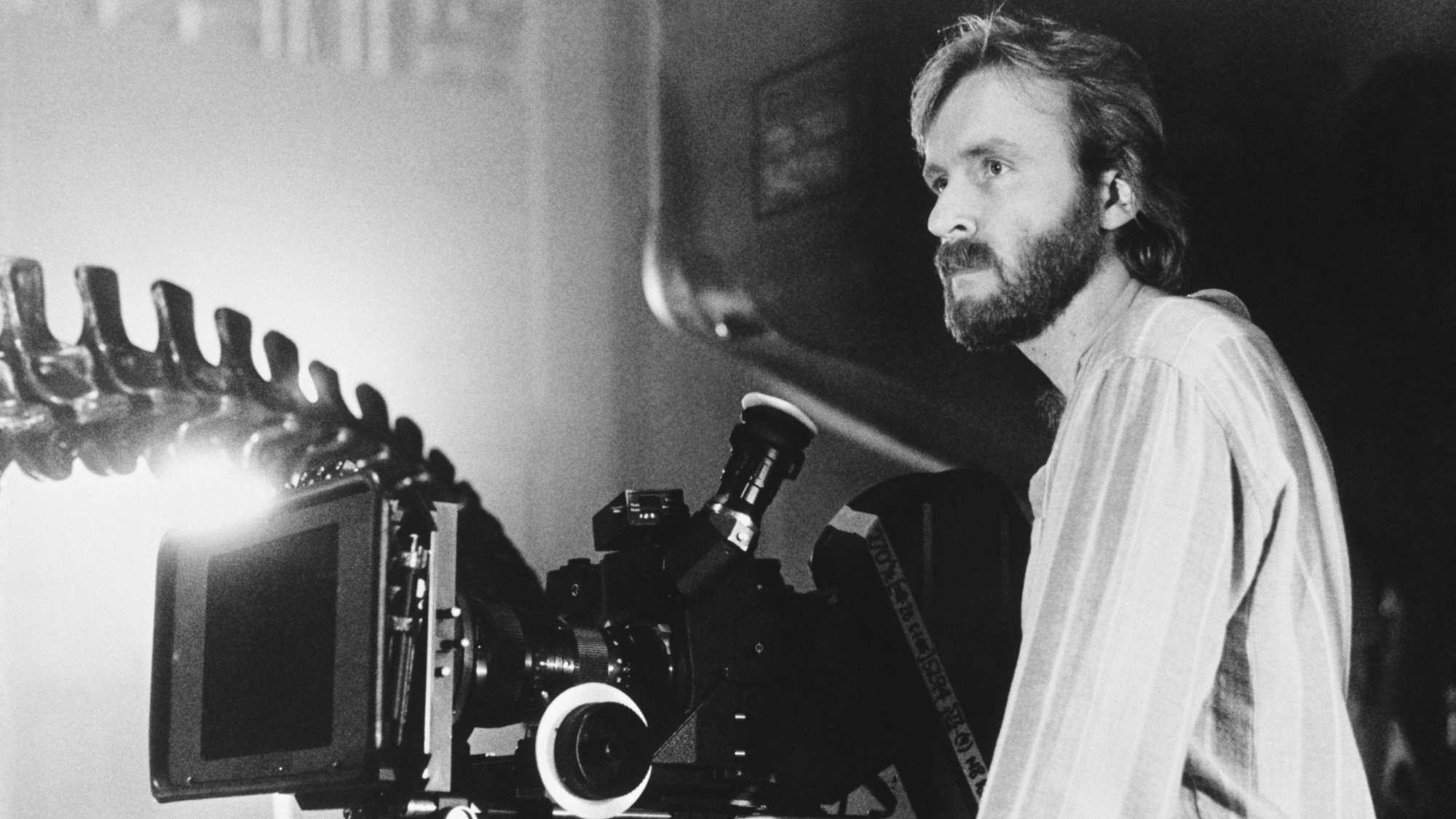
By replacing the singular, mysterious threat of the Xenomorph with a biological hive, Cameron expanded the lore in a way that felt organic rather than forced. The film established the Xenomorph not just as a creature, but as a civilization—a species that required a Queen, a lifecycle, and a strategy. This "action-first" approach redefined the Alien brand. Every subsequent entry, from the flawed Alien 3 to the prequel Prometheus, has had to contend with the shadow cast by the binary choice of the first two films: the psychological dread of Scott or the visceral warfare of Cameron.
Official Perspectives and Legacy
Critics like the late Roger Ebert praised Aliens as a "superb example of filmmaking craft," highlighting the technical proficiency Cameron displayed in staging the action sequences. The film’s success was not just in its explosions or creature effects; it was in its pacing. Cameron’s battle with the studio over the final runtime—where he refused to cut the film down to the two-hour mark, arguing that it would destroy the narrative integrity—is now viewed as a masterclass in director advocacy.

Today, the Alien franchise operates within a space defined by both of its creators. The "survival" element remains a prerequisite for the genre, but the "action-centric" DNA provided by Aliens is what allows for the high-stakes, big-screen spectacle that modern audiences expect.
Final Reflections: The Cost of Creation
The story of Aliens is a testament to the fact that great art is often forged in the fires of bureaucratic friction. It is a miracle that a film as polished and coherent as Aliens emerged from a process characterized by "inflated egos, penny-pinching, and blood pressure-raising frustration," as noted by those involved.
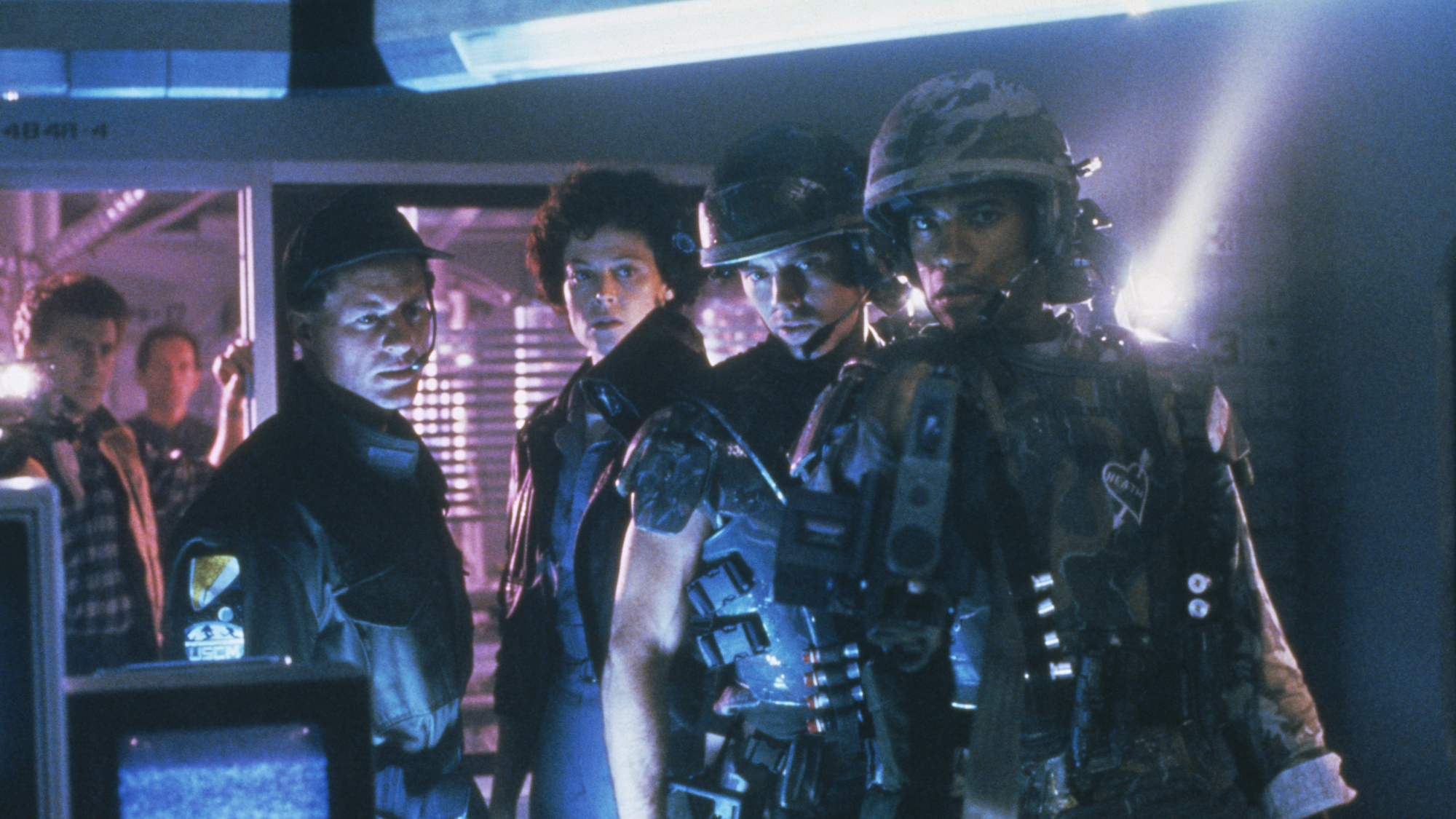
The lessons from the production are clear:
- Visionaries need champions: Without Larry Gordon’s persistence within the boardroom, the film would have likely stalled or been handed to less capable hands.
- Contractual leverage is everything: Cameron’s bluff regarding the script rewrite remains one of the most effective maneuvers in Hollywood history.
- The integrity of the cut: A director’s refusal to compromise on runtime can be the difference between a classic and a forgettable assembly of scenes.
Ultimately, Aliens remains a pinnacle of 80s cinema. It proved that audiences were ready for a more complex, layered sci-fi experience. It took a franchise that was essentially "Jaws in space" and elevated it to a level of mythological status. As the industry continues to churn out sequels and reboots, the production history of Aliens serves as a reminder that the most successful films are those that fight for their own identity, even—and perhaps especially—when the suits in the front office don’t yet understand the value of what they have. In the cold, unfeeling world of studio filmmaking, the only way to succeed is to fight as hard as Ripley, and fortunately for cinema history, James Cameron was more than prepared for the war.