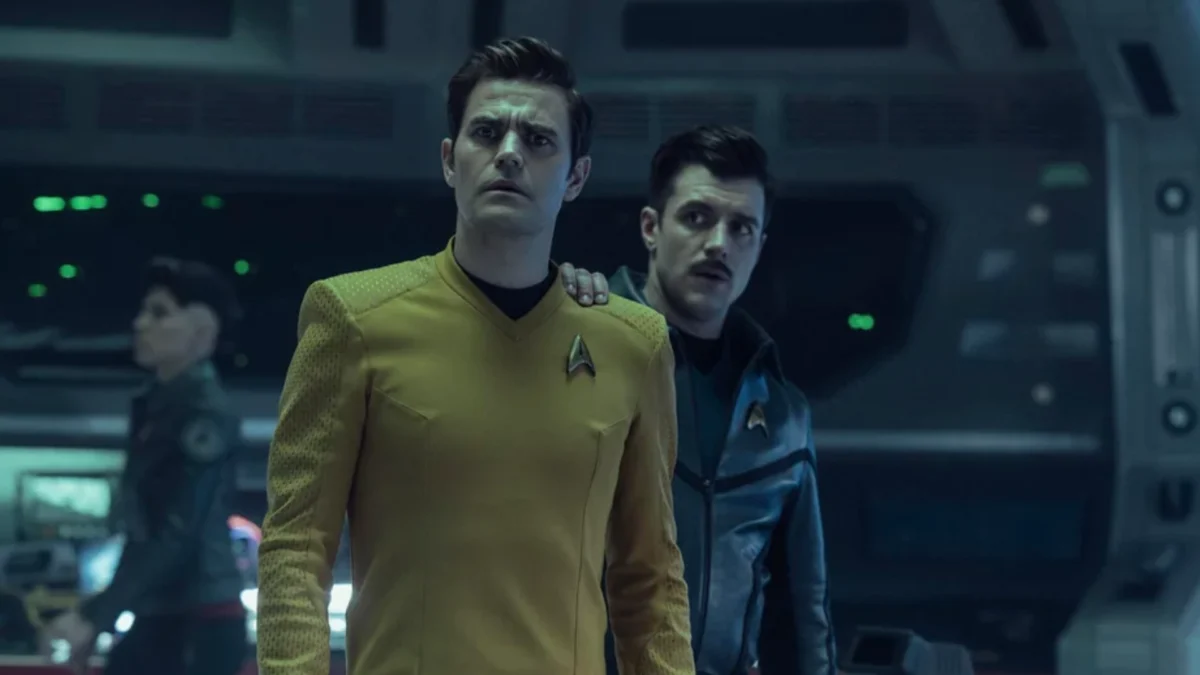
As the U.S.S. Enterprise continues its storied mission, the creative architects behind Paramount+’s Star Trek: Strange New Worlds have set a course for their most daring season yet. Showrunners Henry Alonso Myers and Akiva Goldsman have officially unleashed the first installment of the show’s fourth season, a 10-episode arc that promises to push the boundaries of the Star Trek franchise further than ever before. With the premiere having arrived on July 23, 2026, the series is leaning heavily into its reputation for genre-fluid storytelling, blending classic sci-fi tropes with modern sensibilities to create a viewing experience that is simultaneously nostalgic and trailblazing.
The Vision: A Genre-Bending Odyssey
Since its inception, Strange New Worlds has differentiated itself from its Trek counterparts by embracing an episodic, "planet-of-the-week" structure that allows for radical shifts in tone. Season 4 is no exception. According to Myers and Goldsman, the goal for this penultimate season was to amplify the variety that fans have come to adore.
"We wanted to come out swinging," Myers explains. "It’s hard to come up through the ’90s and not feel affected by a lot of the films and shows that defined that era. We wanted to honor that legacy while bringing our own unique spin to the table."
The creative duo has curated a season that acts as a love letter to television history, incorporating elements of noir crime thrillers, 90s-style time-travel paradoxes, haunted-house style cosmic horror, and, perhaps most surprisingly, intricate puppet-based storytelling. By refusing to settle into a single lane, the showrunners aim to keep the audience guessing, ensuring that no two episodes feel cut from the same cloth.
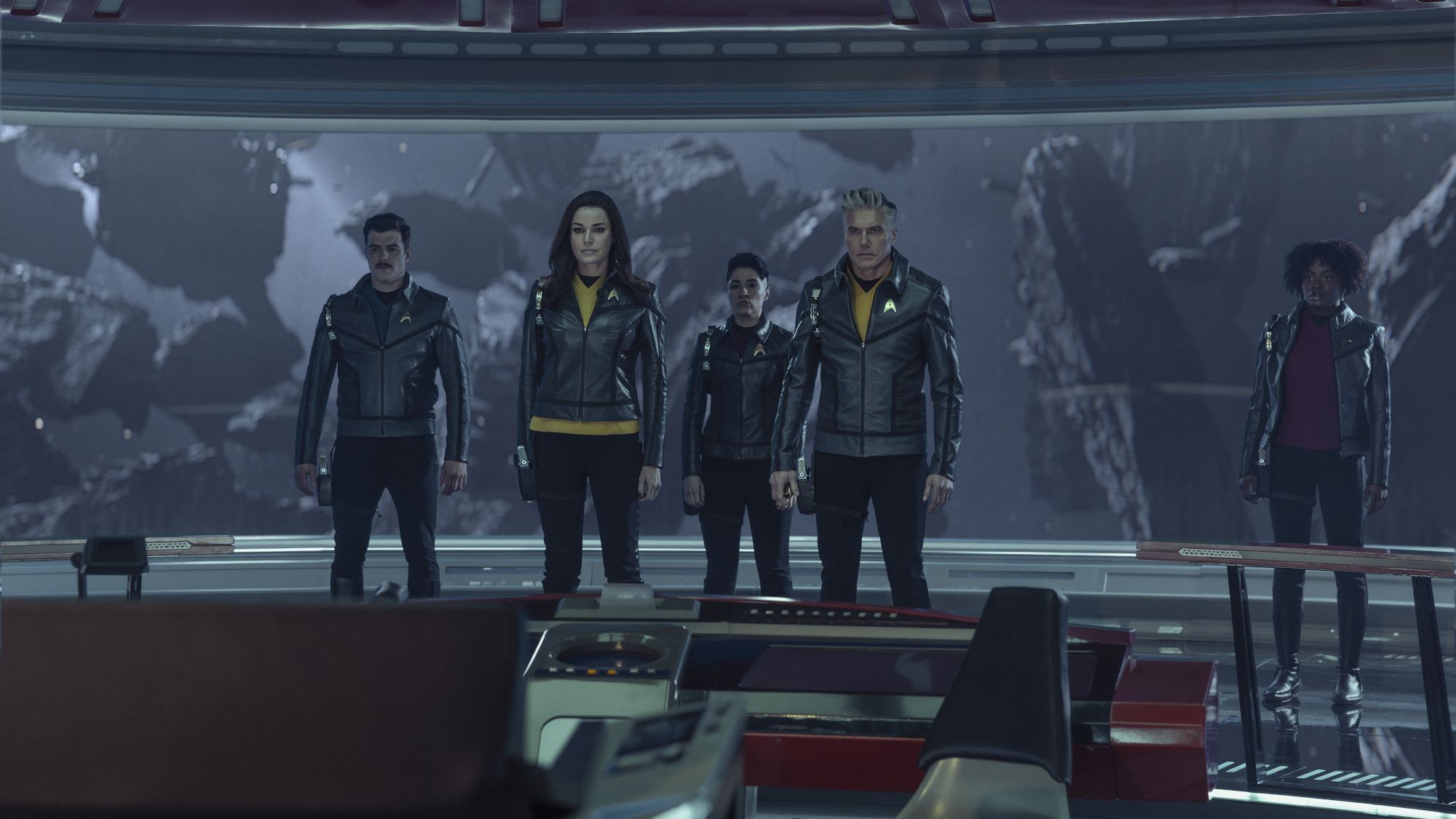
Chronology of a Season: From Dinosaurs to Ghost Stories
The season opener, which debuted in late July, set a high bar for the remainder of the run. The premiere leans into "pulpy" science fiction, utilizing high-concept scientific "what-ifs" to drive the narrative. One of the most anticipated elements of the early season is the episode "Valles Marineris," which brings dinosaurs into the Star Trek fold—a concept the writers pursued with relentless enthusiasm.
"The minute we started talking about doing dinosaurs, we were like, ‘Yeah, let’s figure out a way to do that,’" says Myers. "The challenge was never ‘should we do it?’ but ‘how do we fit all of this into the same box?’"
Following the pulpy energy of the premiere, the series pivots toward something much darker. "The Griffin Incident," a standout episode in the early slate, serves as a masterclass in cosmic horror. For this departure from the traditional utopian sheen of Star Trek, the showrunners looked to the expertise of Akiva Goldsman, whose background in the genre provided the necessary gravity for the episode.
The Art of Cosmic Horror in the Utopian Future
The decision to include a horror-focused episode like "The Griffin Incident" highlights a thematic paradox that defines the current iteration of the show: the intersection of Starfleet’s optimistic, humanist mission and the terrifying, unknown nature of the universe.
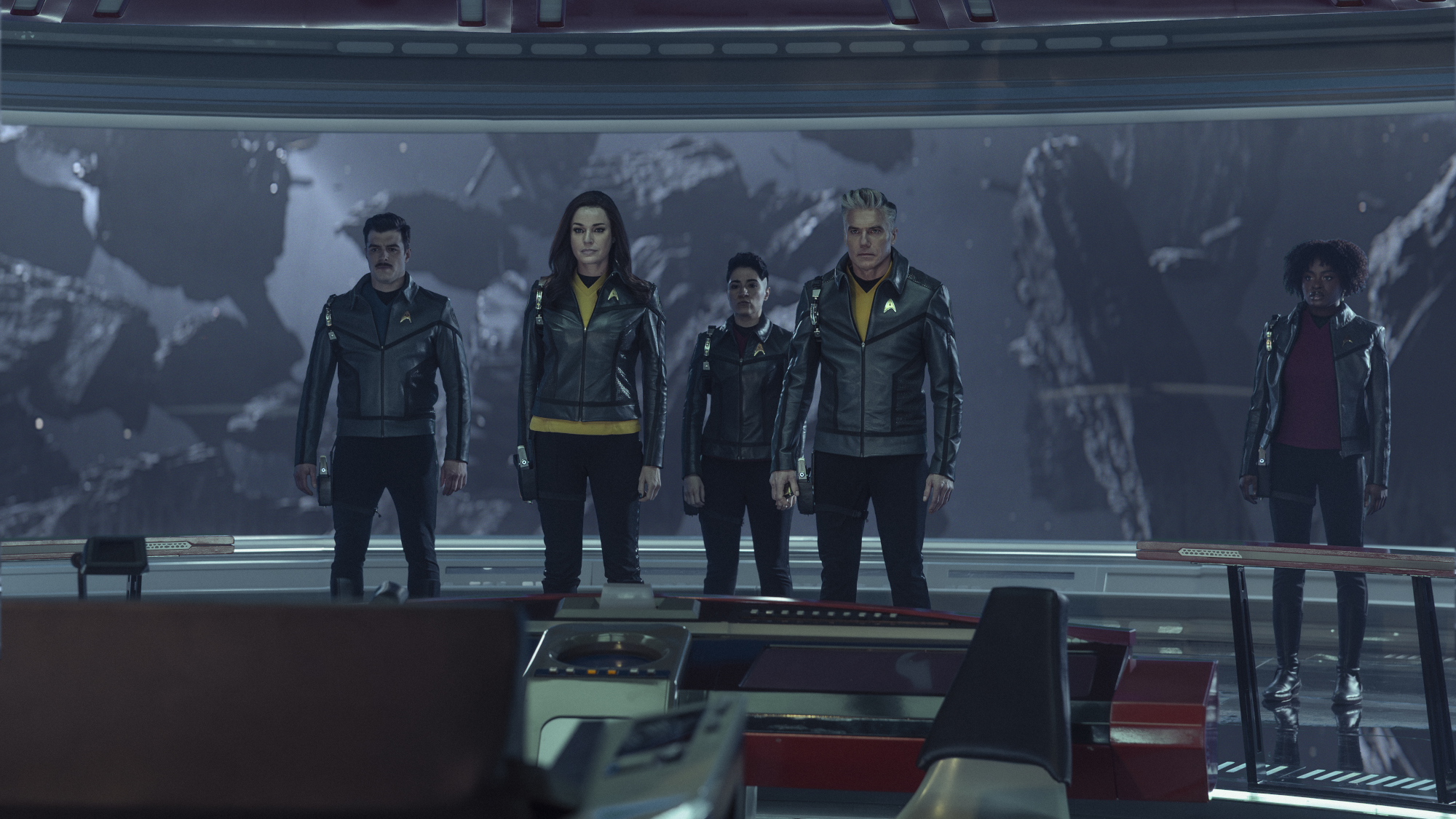
Goldsman, an Oscar-winning screenwriter who has spent decades navigating the nuances of storytelling, admits that his relationship with horror has changed. "The older I get, the harder it is for me to watch," he reveals. "However, there is a cadence to this particular story—an almost Lovecraftian sense that there is something out there that is more than we know, and perhaps not so pleasant."
For the team, the key to making horror work within the Star Trek framework is ensuring it doesn’t betray the core values of the franchise. It is not about nihilism; it is about the resilience of the human—or Vulcan, or Andorian—spirit in the face of the inexplicable. "We built it and shot it like a horror movie," Goldsman notes. "It’s nice and scary, but it keeps the heart of the show intact."
Character Arcs: Internal Voyages and Growth
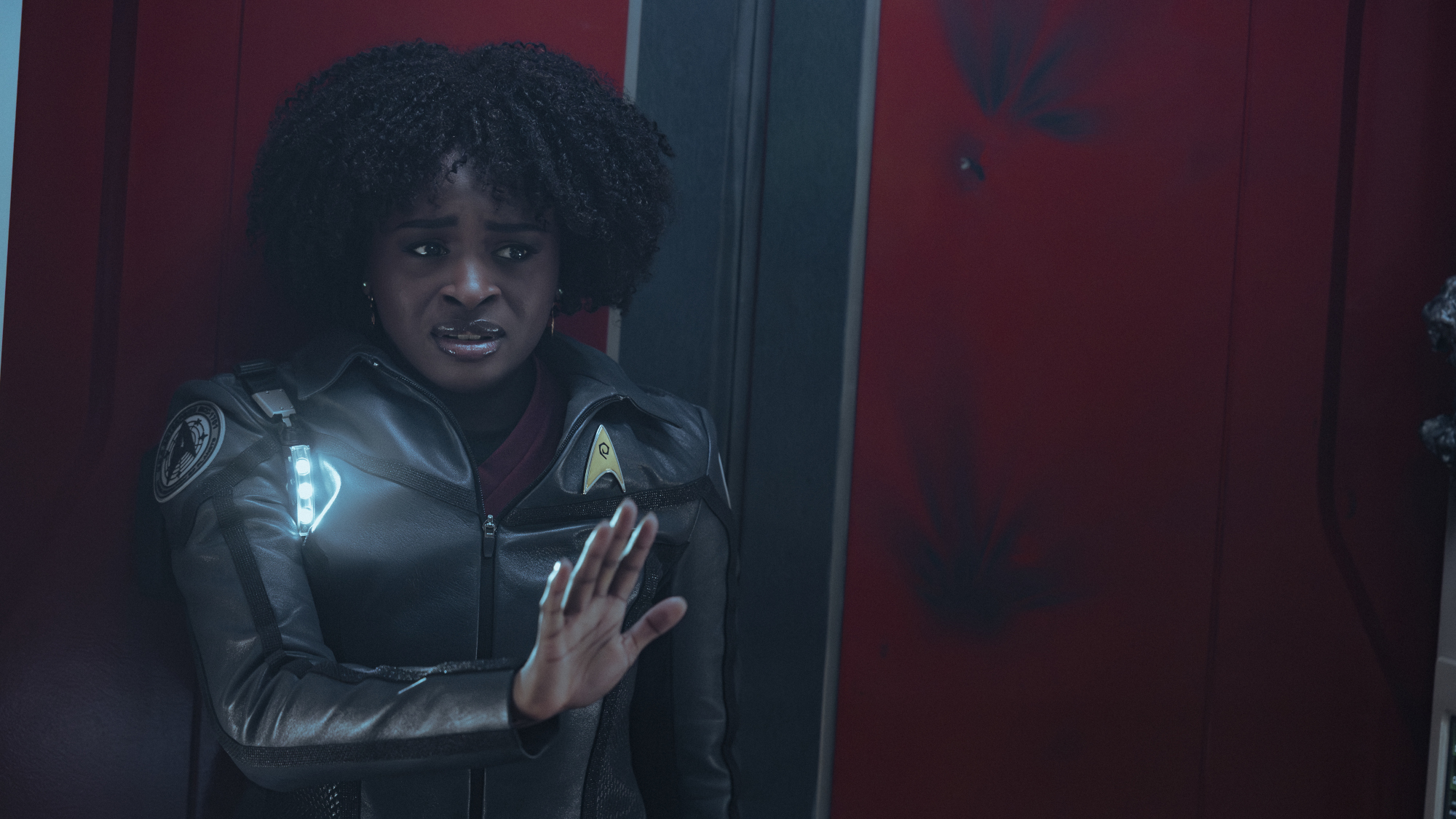
While the high-concept plots draw the headlines, the strength of Strange New Worlds remains its character work. Season 4 provides significant developmental milestones for several key crew members, most notably Lt. Nyota Uhura (Celia Rose Gooding).
Myers is particularly vocal about Uhura’s evolution. "There is stuff that Uhura goes through this season that really gets me," he says. "She started as the new recruit, the green ensign trying to find her footing. This season, she is in charge. She is risking her life in ways we haven’t seen before. Watching her look back at who she was, compared to who she is becoming—it’s the emotional anchor of the season."
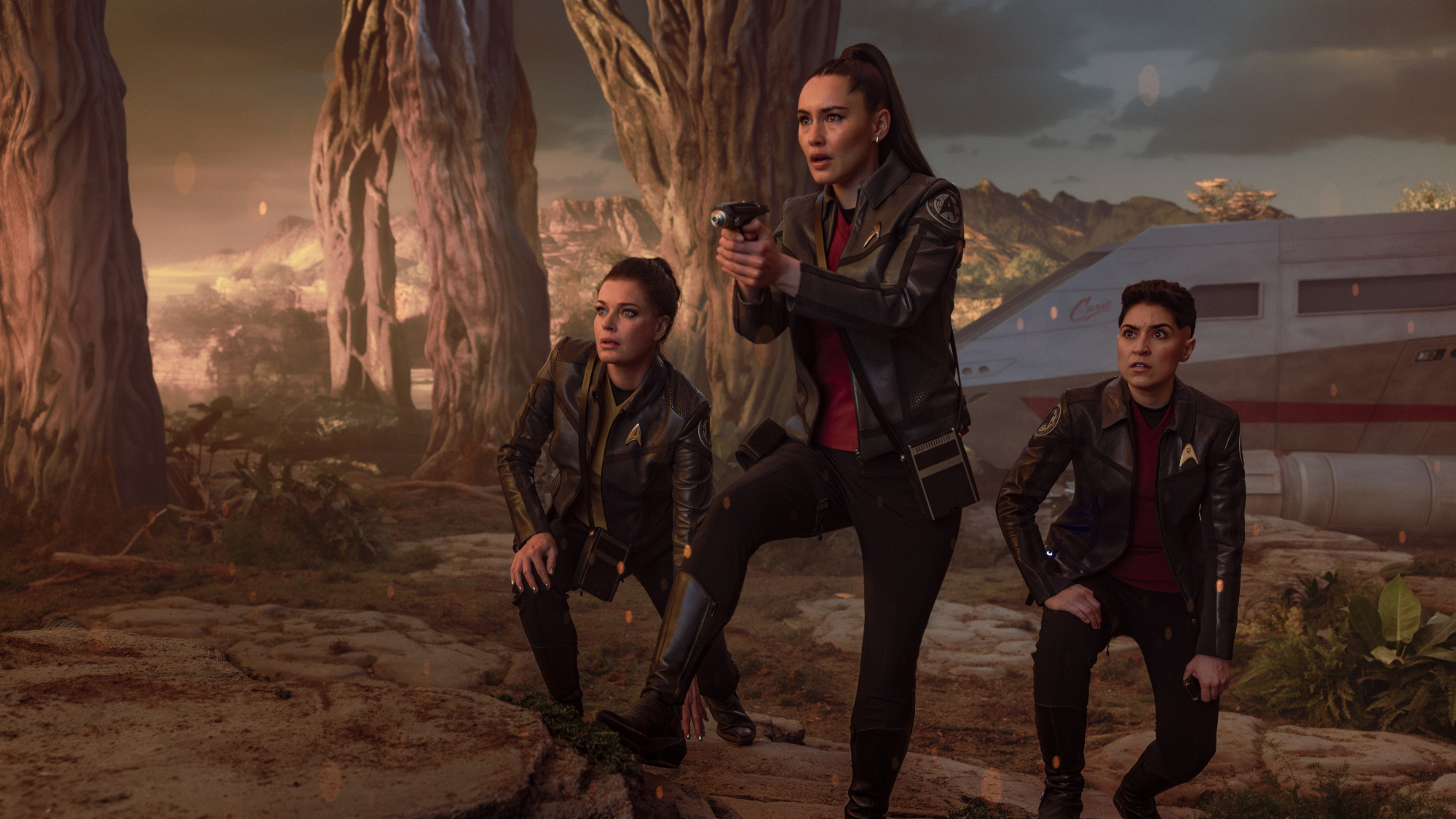
In the back half of the season, the focus shifts toward the bond between Dr. M’Benga (Babs Olusanmokun) and Nurse Christine Chapel (Jess Bush). Goldsman teases that their relationship undergoes a profound transformation. "There is a set of relationship beats between M’Benga and Chapel that really deepens both those characters," he says. "Jess and Babs did such beautiful work with that material. It helps us understand where the entire crew is heading as we move toward the series’ conclusion."
Supporting Data: Why This Season Resonates
The anticipation for Season 4 is backed by the show’s consistent performance metrics on Paramount+. Since its debut, Strange New Worlds has maintained high critical acclaim and a dedicated viewership, often cited for its successful blend of "New Trek" production values and "Classic Trek" sensibilities.
The production team has invested heavily in practical effects and set design to heighten the immersion of these varied genres. Whether it is the claustrophobic corridors of a "haunted" starship or the sprawling, prehistoric vistas of a distant planet, the commitment to visual storytelling remains a top priority. The shift toward more experimental episodes is a direct response to audience feedback, which has consistently favored the show’s willingness to take risks with tone and format.
Implications for the Future of the Franchise
As the series enters its fourth season, it approaches the territory of the "penultimate outing." While the showrunners have not explicitly stated that Season 4 will be the final chapter, the narrative weight of these episodes feels like a culmination. The characters are reaching the peak of their professional and personal development, and the stakes—both literal and existential—are higher than ever.
The success of Strange New Worlds has major implications for the wider Star Trek universe. It has proven that there is a massive appetite for episodic, character-driven storytelling that doesn’t rely solely on serialized, season-long conflicts. By successfully balancing horror, comedy, and high-stakes drama, Myers and Goldsman have provided a blueprint for how the franchise can expand into new sub-genres while remaining firmly rooted in the optimism of Gene Roddenberry’s original vision.
Conclusion: A Legacy in the Making
With the fourth season now underway, Star Trek: Strange New Worlds continues to assert itself as a centerpiece of modern science fiction. Through the careful balance of terrifying cosmic mysteries, character-driven emotional beats, and an unabashed love for genre cinema, the show is cementing its place in the pantheon of great Trek series.
As the Enterprise crew continues to navigate the perils of the galaxy, the audience is invited to join them on a journey that is as much about self-discovery as it is about the exploration of the unknown. Whether it’s the horror of "The Griffin Incident" or the growth of the bridge crew, one thing is certain: the spirit of adventure that defines Strange New Worlds is alive, well, and moving at full warp speed.
Star Trek: Strange New Worlds Season 4 is now streaming on Paramount+. Fans are encouraged to tune in as the mystery of the final season begins to unfold, one episode at a time.