HOUSTON — The sprawling, humid expanse of NASA’s Johnson Space Center (JSC) has long served as the beating heart of human spaceflight. For decades, it has been the sanctuary where astronauts prepare for the unforgiving vacuum of orbit and the complexities of deep-space exploration. However, as the sun begins to set on the era of the International Space Station (ISS)—an orbital marvel currently slated for decommissioning around 2030—the facility is undergoing a profound metamorphosis. It is becoming an incubator where the legacy of government-led exploration seamlessly integrates with the aggressive, fast-paced innovation of the commercial sector.
The Bridge to the Future: The Changing Face of Orbital Operations
The current atmosphere at JSC is one of calculated transition. With the upcoming launch of SpaceX’s Crew-13 mission, which features a diverse crew including Canadian Space Agency (CSA) astronaut Josh Kutryk, the urgency of the present remains high. Yet, behind the scenes, the discourse has shifted toward "lessons learned." NASA is not merely managing the final years of the ISS; it is architecting the framework for a post-ISS landscape dominated by private industry.
The agency’s Commercial Low Earth Orbit Destinations (CLD) program is the primary engine of this shift. With $415 million in initial development contracts awarded to heavyweights like Blue Origin, Northrop Grumman, and Nanoracks, NASA is effectively outsourcing the hardware while retaining its role as the primary "anchor tenant." This pivot ensures that when the ISS is deorbited, a private infrastructure—whether in the form of independent stations or interconnected modules—will be ready to support ongoing research and human presence in space.
Chronology of a Transition: From ISS to Commercial Frontiers
The evolution of NASA’s mission strategy can be categorized into three distinct phases:
- The ISS Legacy Era (Present–2030): This phase focuses on maximizing the scientific output of the ISS while managing aging infrastructure. Recent challenges, including air leaks in the Russian segment, have necessitated close coordination between NASA and Roscosmos. While these leaks have been contained, they serve as a stark reminder of the station’s finite lifespan.
- The Commercial Integration Period (2025–2030): During this overlapping window, private companies like Vast Space and others are testing modular concepts. Simultaneously, NASA is refining its role as a customer, moving away from being the sole operator to a regulatory and logistics partner.
- The Commercial Destination Era (2030 and beyond): This represents the full realization of the CLD program. NASA will rely on privately owned and operated stations, focusing its own resources on deep-space exploration through the Artemis program, while renting laboratory space in LEO (Low Earth Orbit) from commercial vendors.
Supporting Data: Infrastructure and Capability
To facilitate this transition, NASA is leveraging its existing assets in ways that benefit both government and private partners.
Mission Control: The Gold Standard of Operations
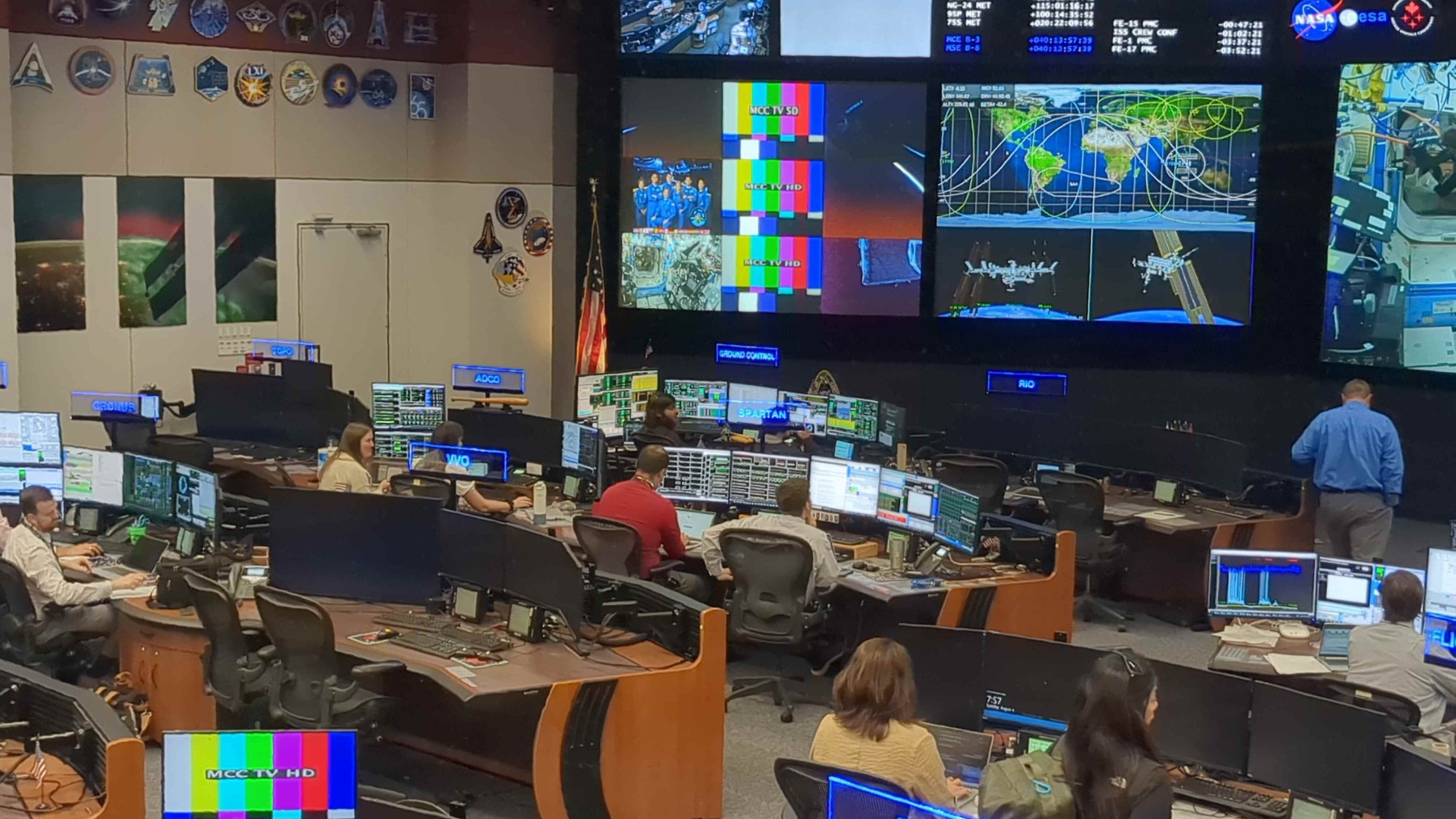
The iconic ISS Mission Control center remains the benchmark for space operations. While SpaceX operates its own mission control in California for its Crew Dragon vehicles, and Boeing integrates its Starliner operations with NASA’s, the "division of labor" model pioneered at JSC is being exported to the private sector. Flight Director Diane Dailey notes that the fundamental disciplines—propulsion, communications, environmental control, and power management—remain universal. "You’d need all of those capabilities on any given spacecraft," she explains. "We have all those disciplines represented here, and that knowledge base is the most valuable export we have."
Building 9: The Crucible of Training
The Space Vehicle Mockup Facility (Building 9) acts as a physical laboratory for the impossible. Here, engineers and astronauts test hardware under the simulated constraints of microgravity. The facility is currently in a state of perpetual flux, housing mockups of the ISS alongside prototypes for Artemis hardware and commercial modules. The facility serves as a vital proving ground where industry partners can test their systems against human-factors requirements, ensuring that when they finally reach orbit, the hardware is functional and safe.
Official Responses and Strategic Vision
NASA management has been transparent about the logistical hurdles of this transition. Regarding the potential extension of the ISS until 2032—a move supported by U.S. Congress—officials remain flexible. They are prepared to extend operations if required, but the overarching directive remains the successful handover to commercial partners.
"The goal is to ensure a seamless transition where there is no gap in our ability to conduct research in low Earth orbit," says a senior NASA spokesperson. "We are working closely with our commercial partners to ensure that the standards of safety and operational excellence we have established over the last 25 years are baked into their designs from day one."
The industry perspective is equally collaborative. Companies are increasingly viewing the NBL and Building 9 as essential service providers. As firms like Axiom Space develop next-generation spacesuits, the ability to utilize NASA’s testing facilities provides a level of verification that is unattainable elsewhere.
The Neutral Buoyancy Laboratory (NBL): Simulating the Abyss
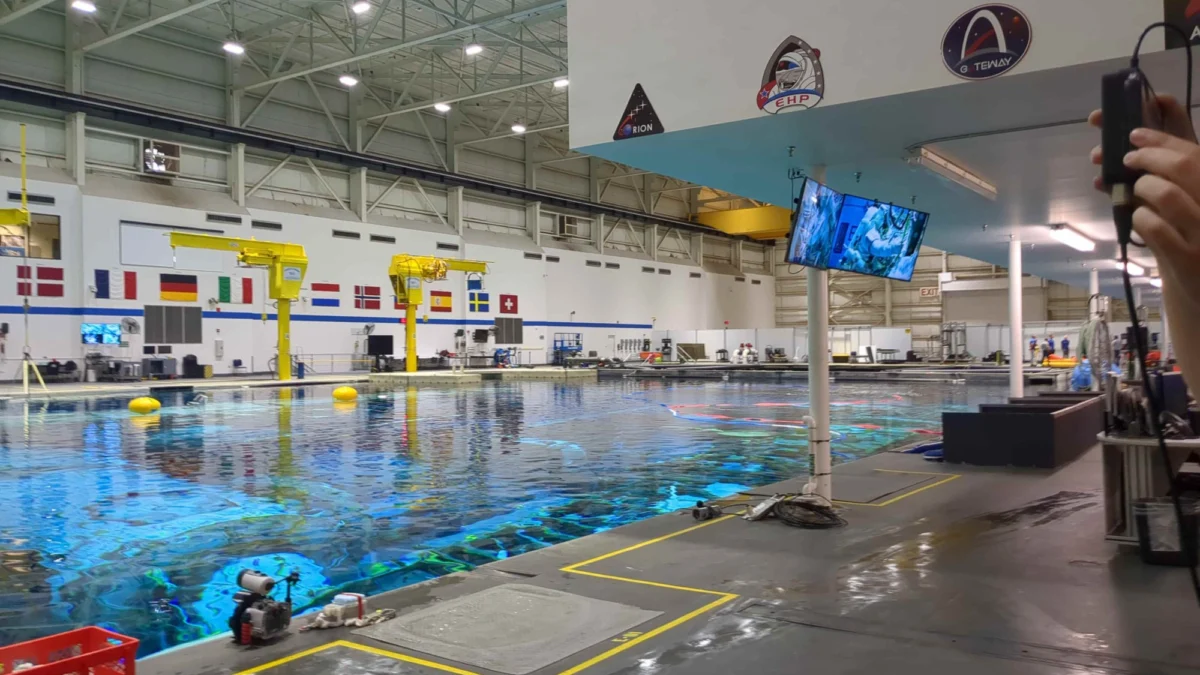
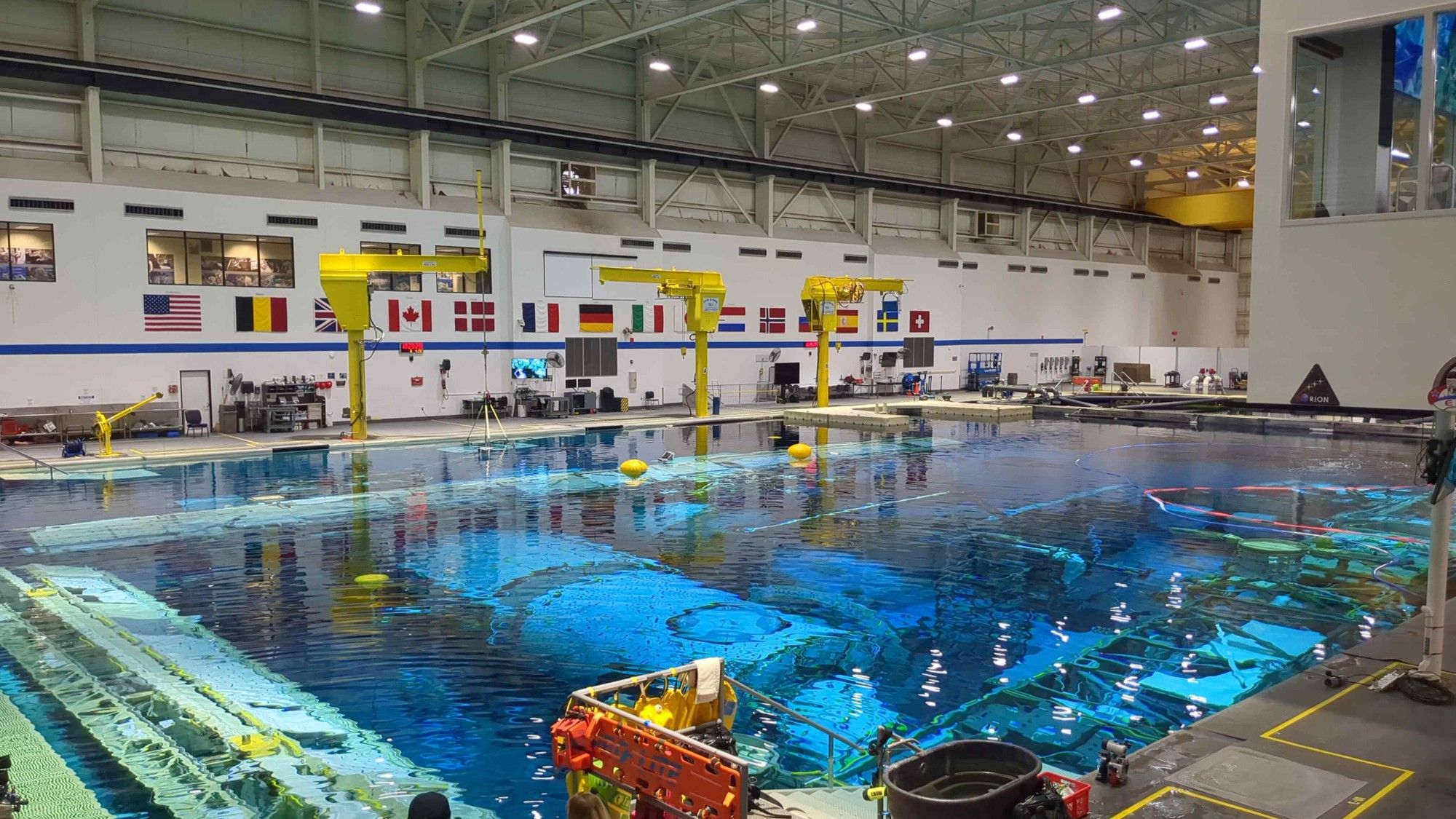
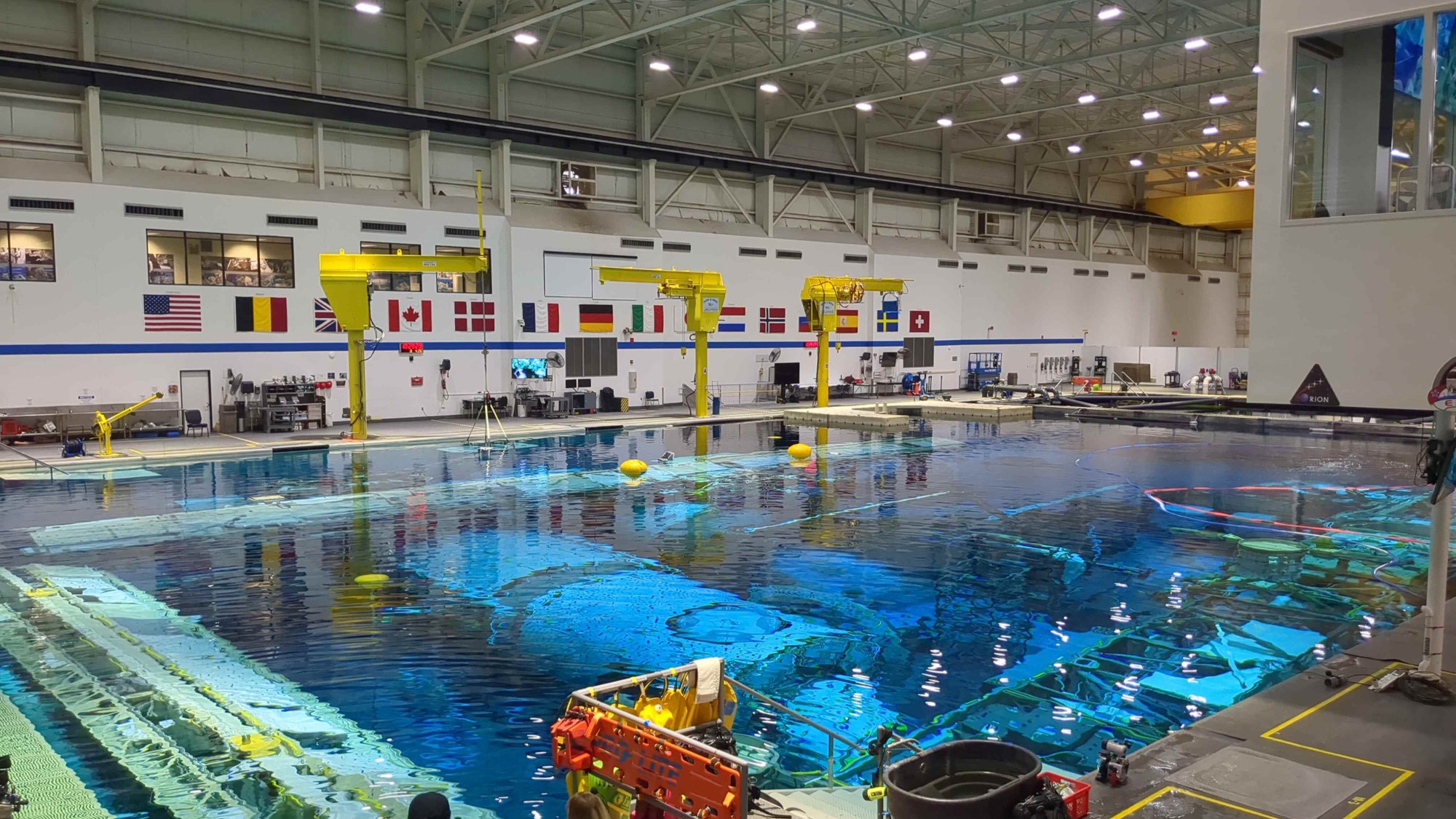
The NBL, located at the Sonny Carter Training Facility, provides perhaps the most visceral example of this transition. A massive, pool-sized facility capable of housing full-scale mockups of spacecraft, it is the closest experience to space on Earth.
The lab is currently being used to stress-test not only ISS maintenance procedures but also the recovery sequences for the Orion spacecraft. By simulating various "stable" conditions—how the vehicle floats and rights itself in the water—NASA is refining the recovery protocols that will be used by the U.S. Navy and commercial maritime partners during Artemis missions.
The NBL’s potential as a commercial service hub is significant. While currently heavily utilized by the U.S. Navy and NASA, the facility has the capacity to offer services to private space companies for everything from offshore industrial training to spacesuit testing. As Hall, a veteran of the NBL operations team, notes, "We’re open to that. The more the industry grows, the more we see our role evolving into a service provider for the broader space economy."
Implications: The New Economics of Orbit
The implications of this shift are profound. By moving toward a commercial-led LEO economy, NASA is attempting to lower the barrier to entry for space-based research, manufacturing, and tourism. However, this strategy carries inherent risks. The "commercialization" of space introduces market-driven volatility; unlike a government program that can be funded over decades, private ventures must balance technical innovation with financial solvency.
Yet, the presence of these companies within the hallowed halls of JSC suggests that the "NASA way" of doing things—the meticulous safety reviews, the rigorous testing protocols, and the collaborative mission control culture—is becoming the industry standard.
Conclusion
As the ISS approaches its final years, the focus at Johnson Space Center has shifted from maintenance to legacy. By opening its doors to the private sector, NASA is ensuring that the technical expertise, the collaborative spirit, and the hard-won lessons of the last quarter-century are not lost, but rather expanded upon. Whether it is a private company operating its own space station or an astronaut training in the NBL for a lunar mission, the future of space exploration is being written in Houston—a city that continues to prove that, even when looking toward the stars, the best progress is made through partnership.