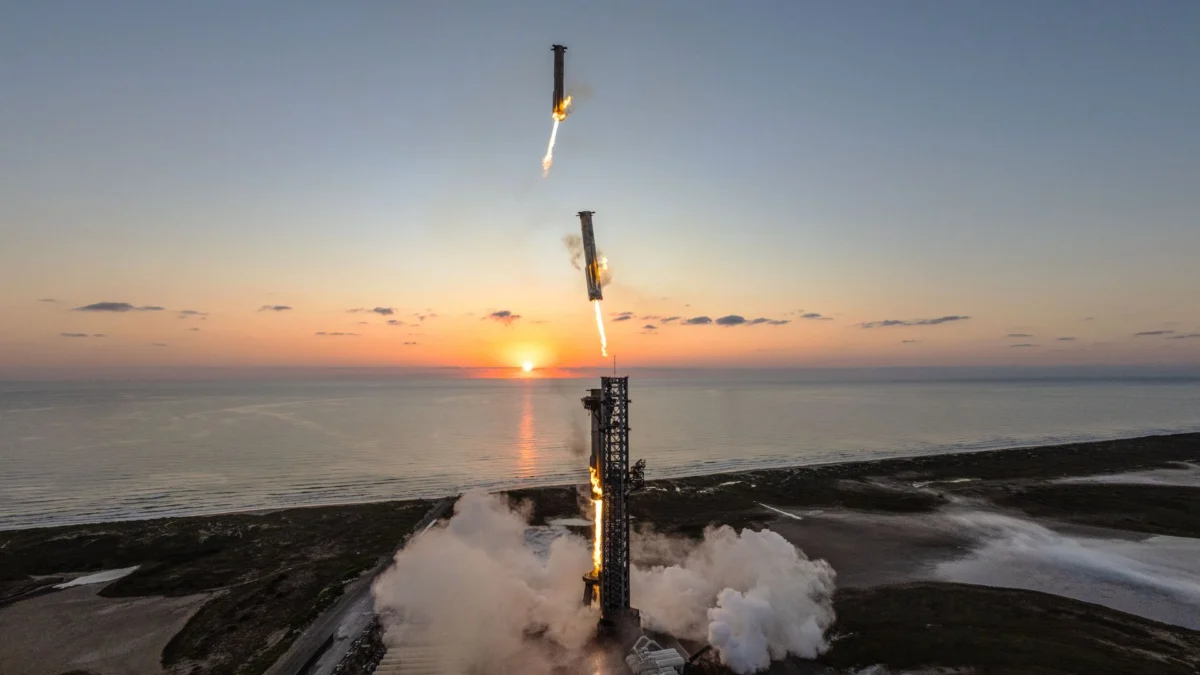
As the sun rises over Florida’s Space Coast on Sunday, August 30, all eyes will be fixed on Launch Complex-39A at the Kennedy Space Center. There, a SpaceX Falcon Heavy rocket will stand ready to carry the Nancy Grace Roman Space Telescope—NASA’s most ambitious observatory to date—into the great unknown. This mission represents more than just a technological milestone; it is a fundamental shift in how humanity observes the universe, promising to unlock secrets of dark energy, revolutionize our understanding of exoplanets, and provide unprecedented insights into the physics of the stars.
Scheduled for liftoff no earlier than 7:26 a.m. EDT (1126 GMT), the launch marks the culmination of years of rigorous engineering, testing, and international collaboration. As the Roman Space Telescope prepares to leave the confines of Earth, the global scientific community stands on the precipice of a new era of astronomical discovery.
The Core Mission: Unlocking the Mysteries of the Universe
The Nancy Grace Roman Space Telescope is not merely an upgrade to existing orbital observatories; it is a completely new paradigm. Named after the "Mother of Hubble," Dr. Nancy Grace Roman, the observatory is designed to address the most profound questions in modern astrophysics.
Probing Dark Energy
One of the primary objectives of the Roman mission is to investigate the enigmatic force known as dark energy. While dark energy makes up approximately 68% of the universe, it remains one of the greatest mysteries in modern science. By mapping the expansion history of the universe and measuring the growth of cosmic structures, Roman will provide the most precise data yet on how dark energy has influenced the evolution of the cosmos over the last 10 billion years.
A New Frontier in Exoplanet Research
Roman will also serve as a powerful tool in the search for exoplanets. Utilizing a sophisticated coronagraph instrument, the telescope will be capable of suppressing the blinding light of host stars to directly image faint, orbiting planets. This capability will allow researchers to study the atmospheres of distant worlds, potentially identifying the signatures of chemical compositions that could indicate habitability.
Stellar Physics and Galactic Evolution
Beyond dark energy and exoplanets, Roman’s wide-field view will capture vast swaths of the sky with the same resolution as the Hubble Space Telescope. This unprecedented "panoramic" capability will allow astronomers to conduct deep surveys of our own Milky Way galaxy, tracking the movement of billions of stars and helping to unravel the complex history of galactic formation and stellar life cycles.
Chronology of Preparations: The Path to Launch
The journey to the launchpad has been a meticulous process, characterized by extreme precision and safety protocols. Following its arrival in Florida earlier this summer, the telescope underwent a grueling series of final checkouts.
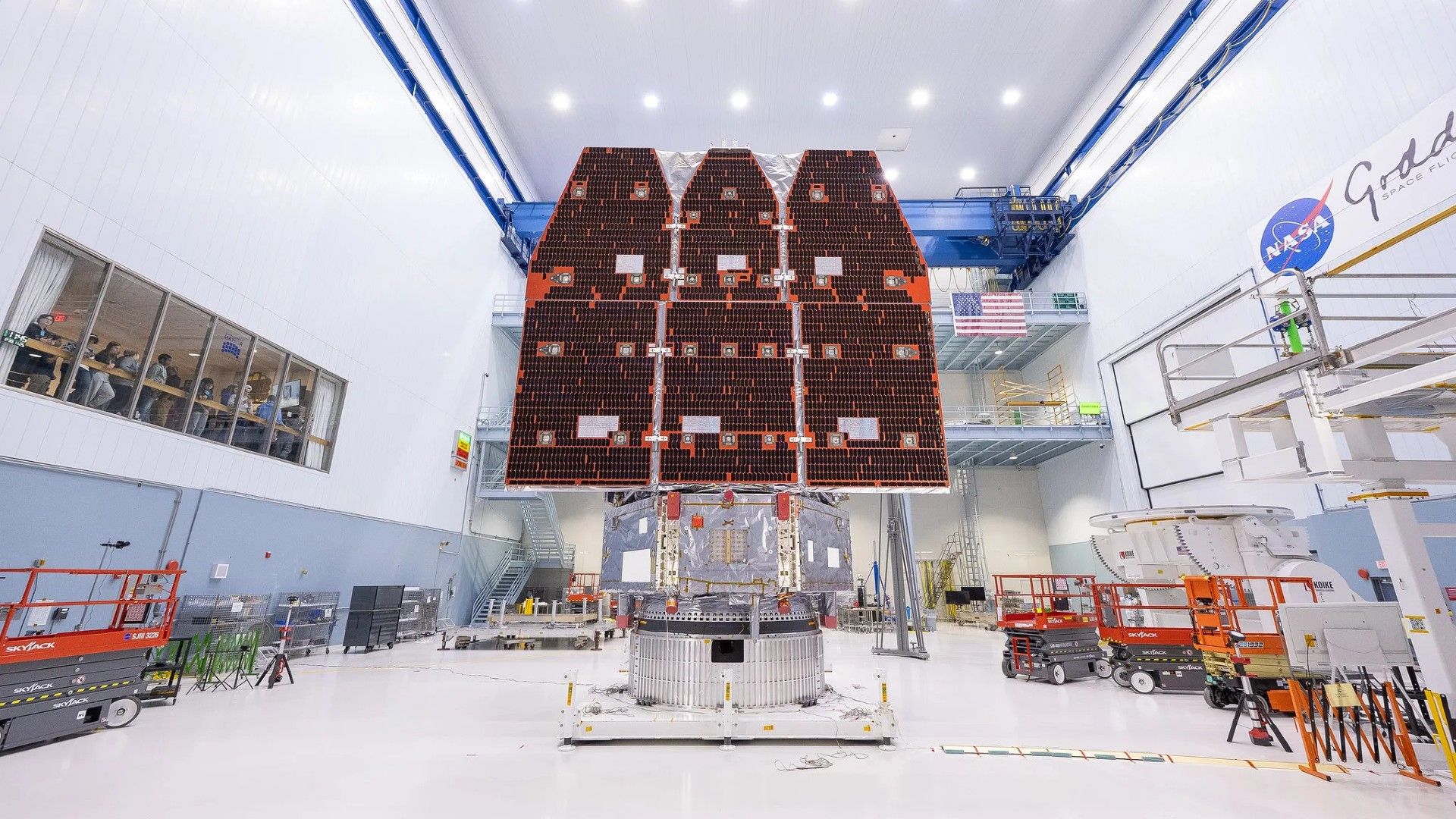
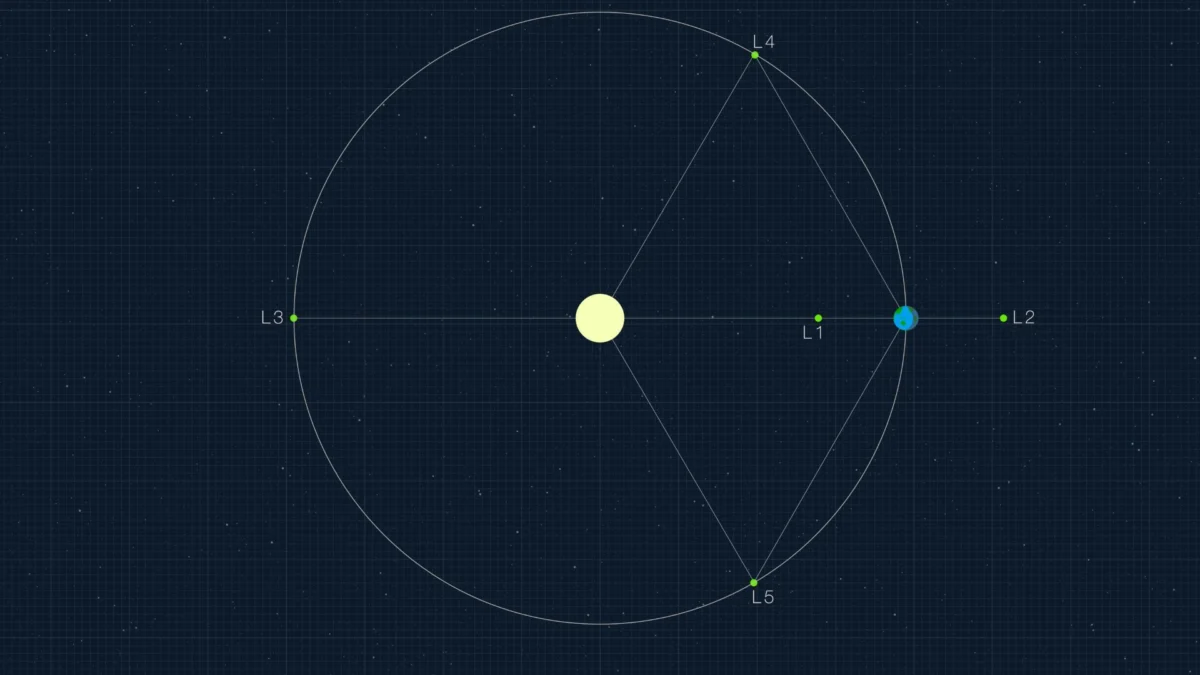
- July 25: Technicians successfully completed the fueling process, loading the observatory with 290 gallons (1,100 liters) of hydrazine propellant. This fuel is essential for the telescope’s long-term maneuvering and station-keeping as it travels to its permanent home at the Sun-Earth Lagrange point 2 (L2).
- Early August: The observatory was securely attached to its payload adapter, a critical mechanical connection that ensures the delicate instrument remains stable during the intense vibrations of a Falcon Heavy ascent.
- August 20: NASA and SpaceX teams performed a full-scale launch-day dress rehearsal. This simulation practiced every second of the countdown, ensuring that ground systems, telemetry, and launch personnel were perfectly synchronized.
- August 21: The formal Flight Readiness Review (FRR) was successfully concluded. Mission managers from NASA and SpaceX evaluated all systems, declaring the observatory "Go for Launch."
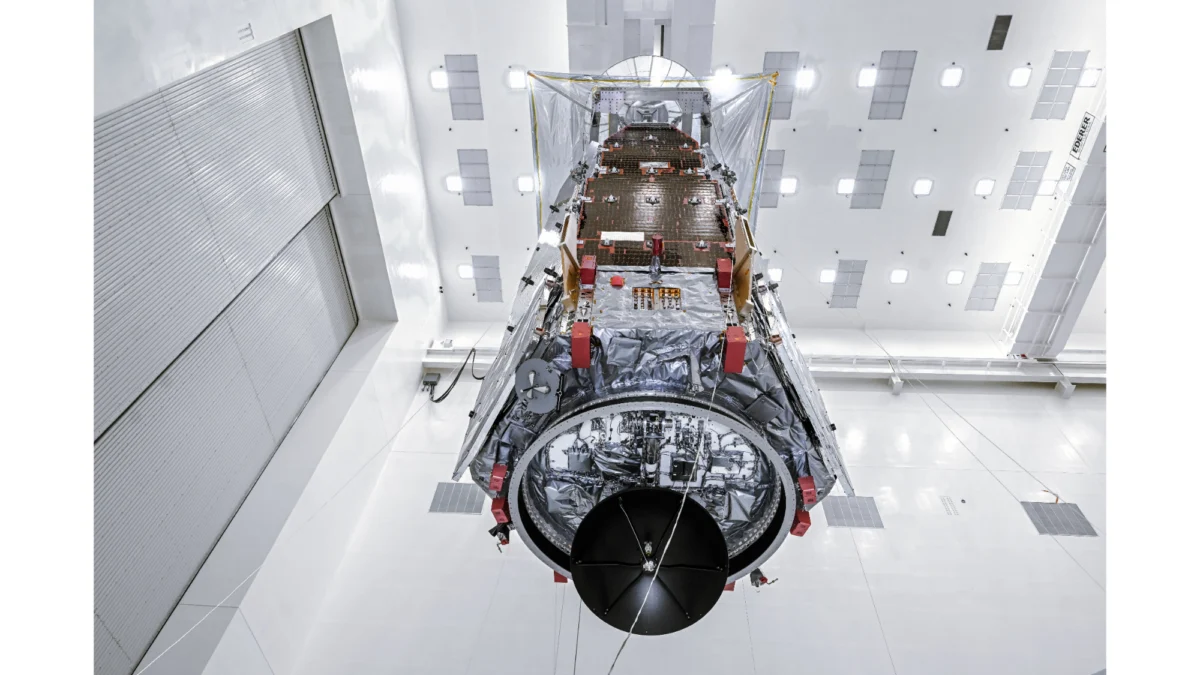
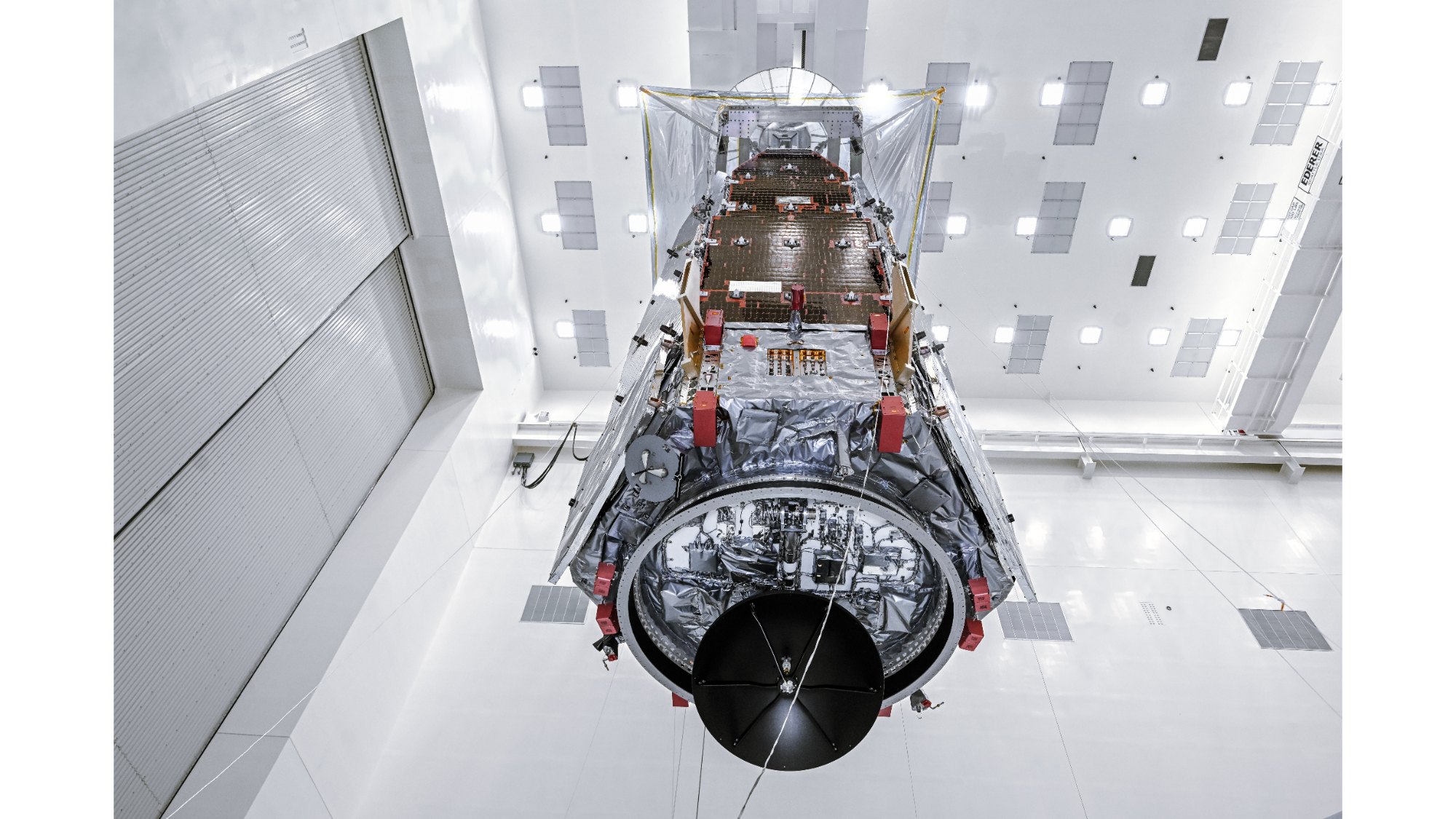
With the final preparations complete, the telescope has been encapsulated within the protective payload fairings of the Falcon Heavy. It is currently being transported to the SpaceX hangar at LC-39A, where it will be integrated with the launch vehicle before the final rollout to the pad.
Supporting Data: Why Falcon Heavy?
The choice of a SpaceX Falcon Heavy as the launch vehicle was strategic. The Roman Space Telescope is a massive, highly sensitive instrument. The Falcon Heavy, which utilizes three side-by-side booster cores, provides the necessary lift capacity to place the telescope into the precise trajectory required to reach the L2 point.
The launch will occur at LC-39A, a site steeped in history, having hosted everything from Apollo moon missions to the Space Shuttle program. The use of this iconic pad underscores the gravity of the Roman mission, which NASA officials have described as the natural successor to the legacy of both Hubble and the James Webb Space Telescope (JWST).
Official Perspectives: The Vision for Roman
"The Roman Space Telescope is going to do things that are currently impossible," noted a senior project scientist during the recent pre-launch briefing. By providing a field of view 100 times greater than that of the Hubble Space Telescope, Roman will allow astronomers to complete in months what would have taken previous observatories decades to achieve.
NASA leadership has emphasized that the telescope is designed to be a workhorse for the astronomical community. Through a transparent guest observer program, researchers from around the world will be able to propose projects for the telescope, ensuring that the scientific output of the mission is as diverse and expansive as the universe it intends to map.
Dr. Nancy Grace Roman, the mission’s namesake, was a tireless advocate for space-based astronomy. The project is seen as the ultimate tribute to her work in the mid-20th century, which laid the groundwork for the era of great observatories. By focusing on the "big picture"—large-scale surveys of the universe—the mission embodies her vision of astronomy as a unified, data-driven discipline.
Implications: A New Era for Humanity
The implications of a successful launch on August 30 are profound. If the Roman Space Telescope fulfills its potential, it will fundamentally reshape the textbooks of physics and cosmology.
Redefining the Standard Model
By providing a clearer picture of the cosmic web and the distribution of dark matter and dark energy, the data gathered by Roman could either confirm the current Standard Model of Cosmology or provide the "new physics" required to explain anomalies that have puzzled scientists for years.
The Search for "Earth 2.0"
Perhaps most exciting to the general public is the prospect of finding another Earth. While previous missions have cataloged thousands of exoplanets, Roman’s ability to image them directly—rather than relying solely on the "transit method" of watching a star dim—will open a window into the weather, chemical makeup, and surface conditions of worlds trillions of miles away.
Technological Spin-offs
Beyond the scientific data, the technology developed for Roman—particularly its advanced detectors and wide-field optical systems—will have significant impacts on terrestrial imaging, high-resolution surveillance, and sensor technology.
A Legacy of Exploration
As the Falcon Heavy clears the tower at Kennedy Space Center, it carries with it the aspirations of an entire generation of scientists. The Nancy Grace Roman Space Telescope is not just a collection of mirrors and sensors; it is an extension of the human drive to understand our place in the vast, dark, and beautiful expanse of the cosmos.
As we prepare for the countdown on August 30, we are reminded that exploration is a continuous process. From the first telescopes of Galileo to the giant orbital eyes of the 21st century, each step forward brings us closer to answering the ultimate questions: Where did we come from? What is the universe made of? And, most importantly, are we alone?
The Roman Space Telescope is our next great attempt to find the answers. The world will be watching as it rises into the Florida sky, signaling the start of a journey that will span light-years and centuries of scientific discovery.