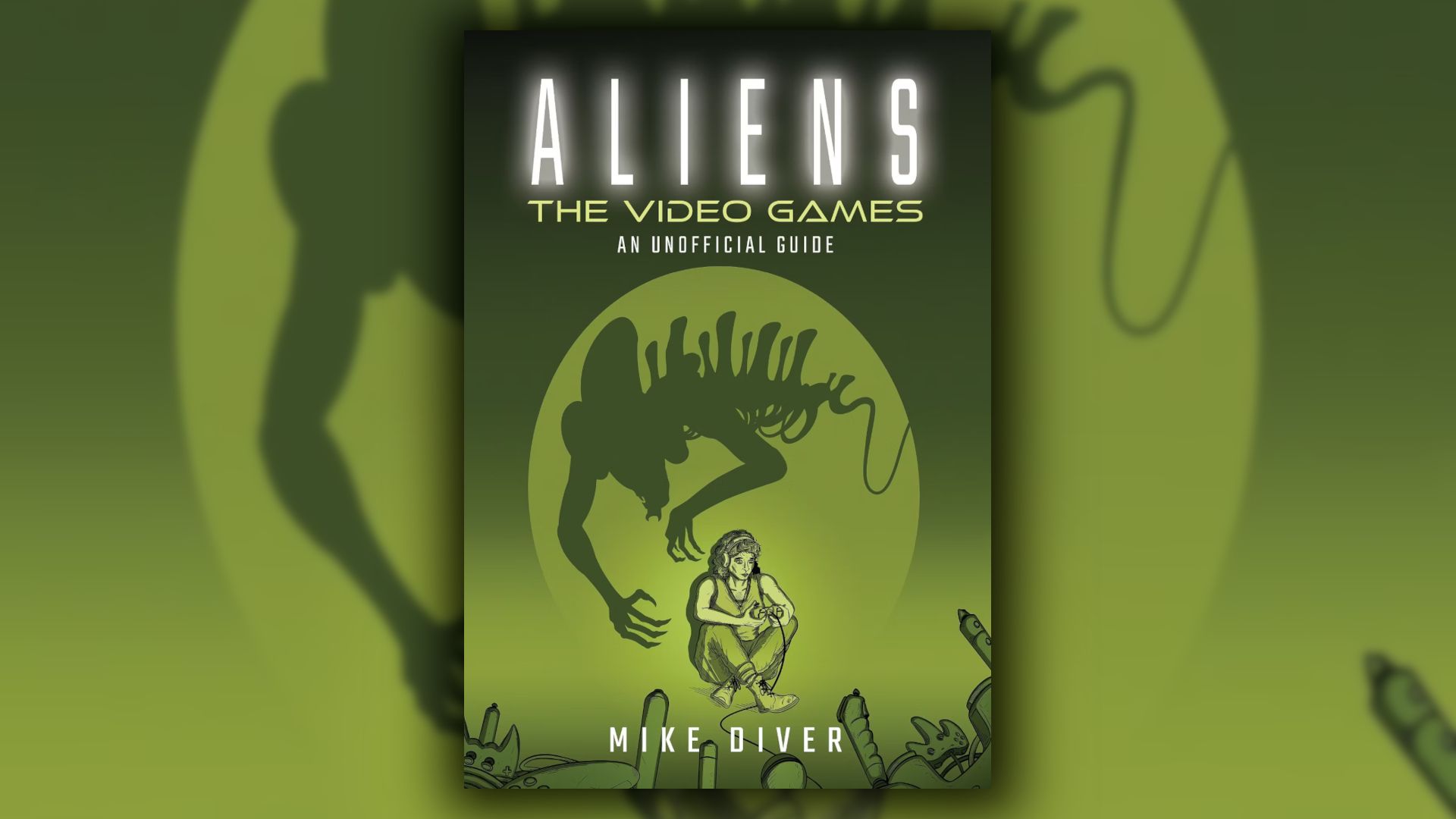
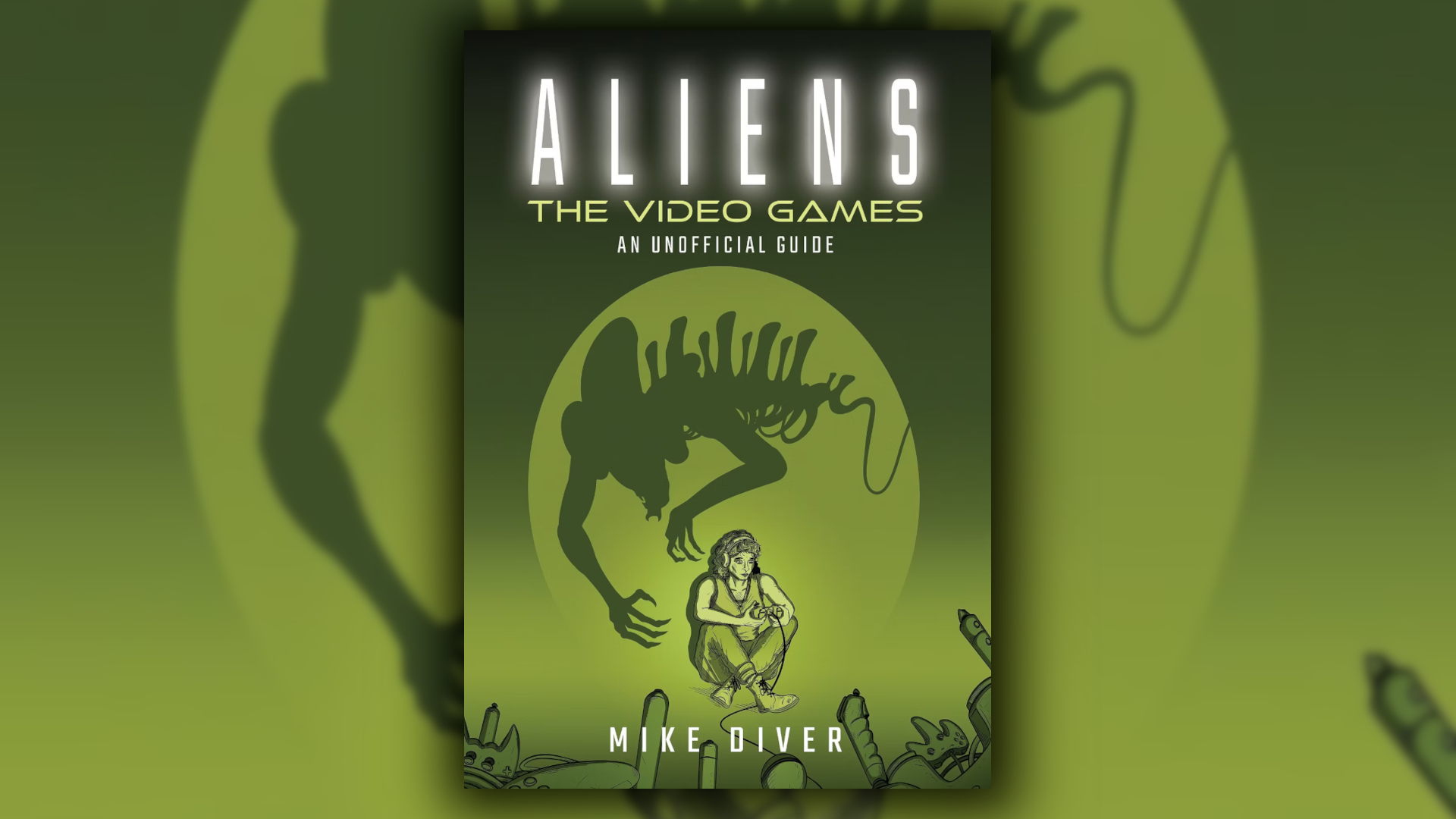
The history of the Alien franchise in interactive media is as complex, terrifying, and labyrinthine as the vents of the Nostromo itself. From early, experimental 8-bit titles to the atmospheric, nerve-shredding brilliance of modern survival horror, the Xenomorph has been a constant, lethal presence in gaming. Now, veteran journalist and critic Mike Diver has taken on the monumental task of chronicling this erratic journey in his new book, Aliens: The Video Games, set for release on August 30.
We sat down with Diver to dissect the evolution of the franchise, the challenges of documenting a multi-decade legacy, and why the Xenomorph remains one of the most enduring icons in science fiction history.
A Lifetime of Horror: The Genesis of an Obsession
For many, the Alien franchise is defined by its cinematic terror, but for Mike Diver, the entry point was the digital controller. "I played a lot of Alien 3 on the Mega Drive," Diver recalls. "I was slightly too young to be watching those movies, but I was quite taken with a book a friend of my dad’s owned—it was full of stills from the film. I saw the chestbursters in those stills before I ever saw them moving on-screen. In a way, that was more striking."
This early exposure left a permanent mark, sparking a fascination that eventually informed his professional life. Having spent years in games media, including covering the pre-release hype for the genre-defining Alien: Isolation, Diver found himself uniquely positioned to document the series’ history. The catalyst for the book, however, was the Nintendo DS exclusive Aliens: Infestation. "It was a gorgeous 2D sidescroller with a permadeath mechanic for squad members," Diver notes. "It made me realize there was a cool opportunity to chronicle the entire history of these games, including the ones that were largely overlooked."
Chronology of a Xenomorph Outbreak
The journey of Alien in gaming is not a linear path of progress; it is a fragmented timeline of varying quality and experimental design. As Diver explains, "There’s no comprehensive book about Alien games. There were ones about Doom, Nintendo, or Star Trek… so I asked, why not Alien?"
The Early Experiments
The 1980s saw developers struggling to capture the claustrophobic dread of the films within the constraints of limited hardware. From the early ZX Spectrum entries to the various Commodore 64 adaptations, the franchise was testing its legs. Some, like the early computer games, laid the groundwork for the action-oriented future of the series, while others faded into obscurity.
The Golden Age of Licensed Titles
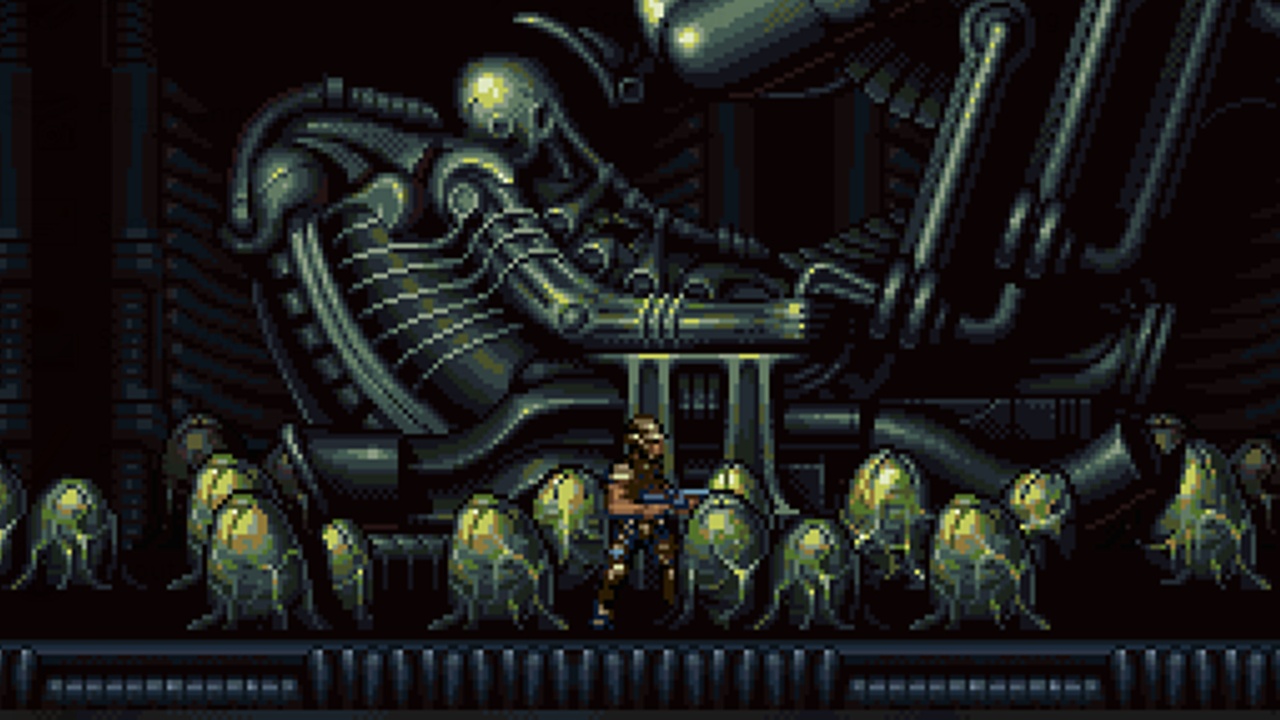
The 1990s and early 2000s represented a wild west for Alien games. This era gave us the legendary Capcom Alien vs. Predator arcade cabinet—a title Diver still cites as one of the best in the franchise—and the methodical, atmospheric Alien 3 on the SNES. "The SNES one is just a lot more methodical, and you can take your time," Diver says. "The environment art is great, and the game actually ends like the movie, which is a credit to the developers."
Modern Renaissance
The modern era, marked by Alien: Isolation and the upcoming Fireteam Elite 2, has seen a shift toward high-fidelity, narrative-driven experiences. The franchise has moved from simple action romps to experiences that attempt to mirror the pacing and psychological terror of Ridley Scott’s original masterpiece.
Researching the Unseen: The Challenges of Documentation
Writing a comprehensive history of such a long-running franchise is no small feat, particularly when dealing with companies and studios that have long since disbanded. Diver’s process involved tracking down original developers, programmers, and artists who worked on titles ranging from the obscure to the mainstream.
"I spoke to a couple of people for Alien: Isolation, but I didn’t speak to the director, Al Hope," Diver admits. "Sega was initially positive, but they eventually said, ‘Actually no, you can’t.’ That may be due to the development of the new Isolation sequel."
Despite these hurdles, Diver successfully conducted 24 original interviews. These conversations provide the backbone of the book, offering rare insights into development cycles that were often plagued by tight deadlines and technical limitations. One such story involves Aliens vs. Predator: Extinction for the PS2 and Xbox. "I got in touch with Jason Hough, a designer at Zono," Diver shares. "They had worked on multiplayer for ages, but it was all removed. It was likely due to the lack of infrastructure for online console play in 2003."
The Balancing Act: Quality vs. Completion
One of the primary challenges for an author documenting a massive franchise is deciding what to cut. Diver’s approach was pragmatic. "You have to think about where the audience’s interests lie," he explains. "I could write a lot more on the MSX Aliens game, but the reality is that not many people know that title. It’s nice to include, but I’m not worried that it’s a smaller chapter compared to something like Colonial Marines. I wanted every chapter to have substance, but prioritize the games that defined the cultural memory."

The book, clocking in at under 200 pages, is designed to be a "breezy read," utilizing heavy illustration and screenshots to break up the dense research. It is not meant to be a rigid, linear historical textbook, but rather an accessible guide for fans to dip in and out of based on their personal favorite films or gaming eras.
Official Responses and Industry Context
The gaming industry’s relationship with the Alien license has been notoriously volatile. For years, the property was tossed between publishers, resulting in a series of games that rarely maintained a consistent vision. However, with the recent success of Alien: Romulus and the Alien: Earth television series, the brand is currently experiencing a massive resurgence in interest.
Diver is optimistic about the future. "It’s a rich, fertile period for Alien games right now. I’d really like to do more about them in the future." His access to industry whispers suggests that the next wave of games will lean into the lessons learned from the failures and successes of the last three decades.
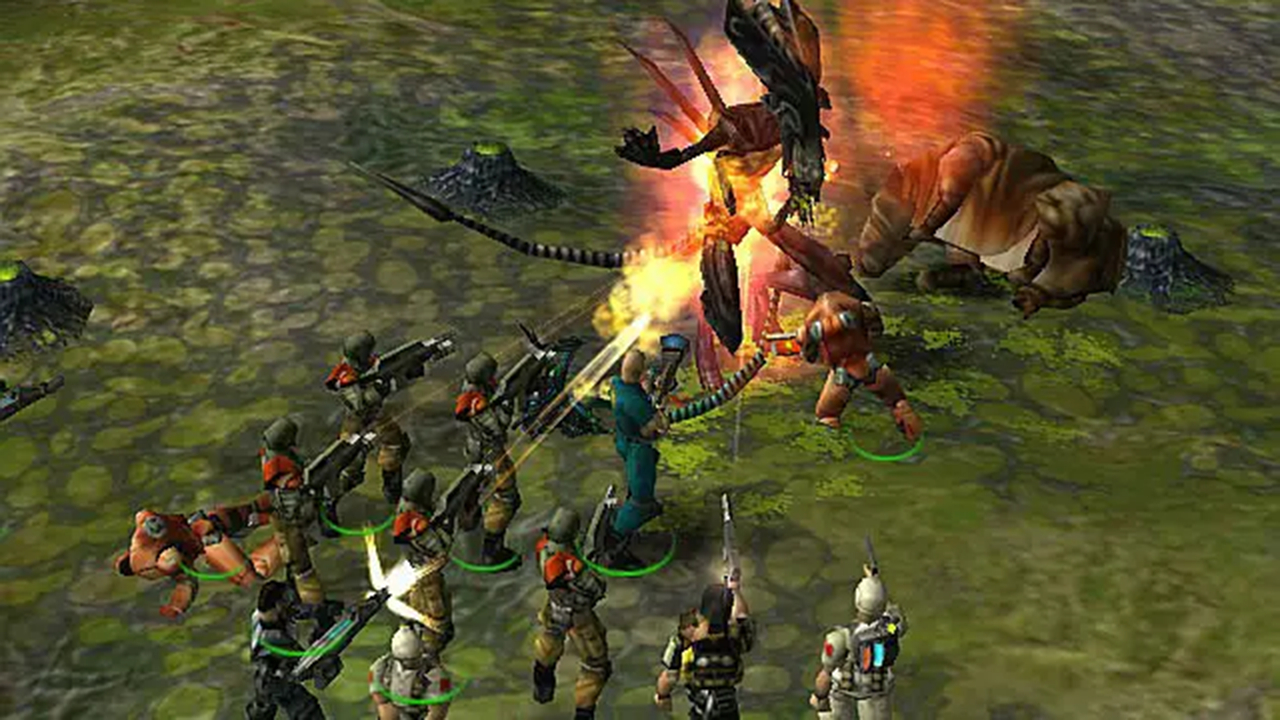
Implications for the Future of the Franchise
The publication of Aliens: The Video Games arrives at a pivotal moment. With Alien: Isolation 2 officially in the early stages of development and the IP currently enjoying a cultural renaissance, the book serves as both a retrospective and a baseline for what fans should expect.
The evolution of the series has proven one thing: the most successful Alien titles are those that respect the source material’s emphasis on isolation, environmental storytelling, and the sheer, unstoppable power of the Xenomorph. Whether it is a side-scroller or a triple-A horror experience, the core DNA remains the same.
As readers dive into the book, they are invited to revisit the forgotten corners of the franchise—the games that didn’t make the headlines but helped shape the industry’s understanding of sci-fi horror. For those looking to explore the lineage of the most terrifying creature in cinema history, Aliens: The Video Games offers an essential roadmap.
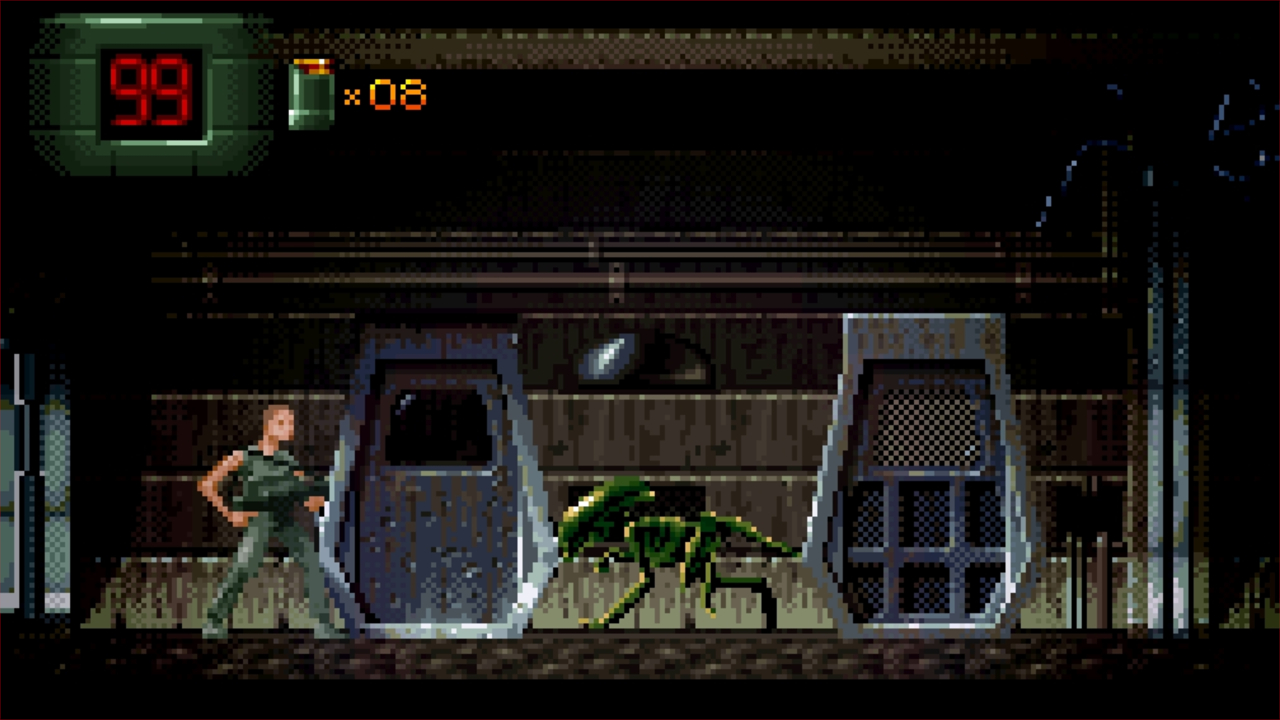
Aliens: The Video Games by Mike Diver is available for pre-order via Amazon and other major retailers, with a full release scheduled for August 30. It stands as a testament to the enduring power of the Xenomorph—a monster that, despite the ups and downs of its digital life, refuses to be killed off.