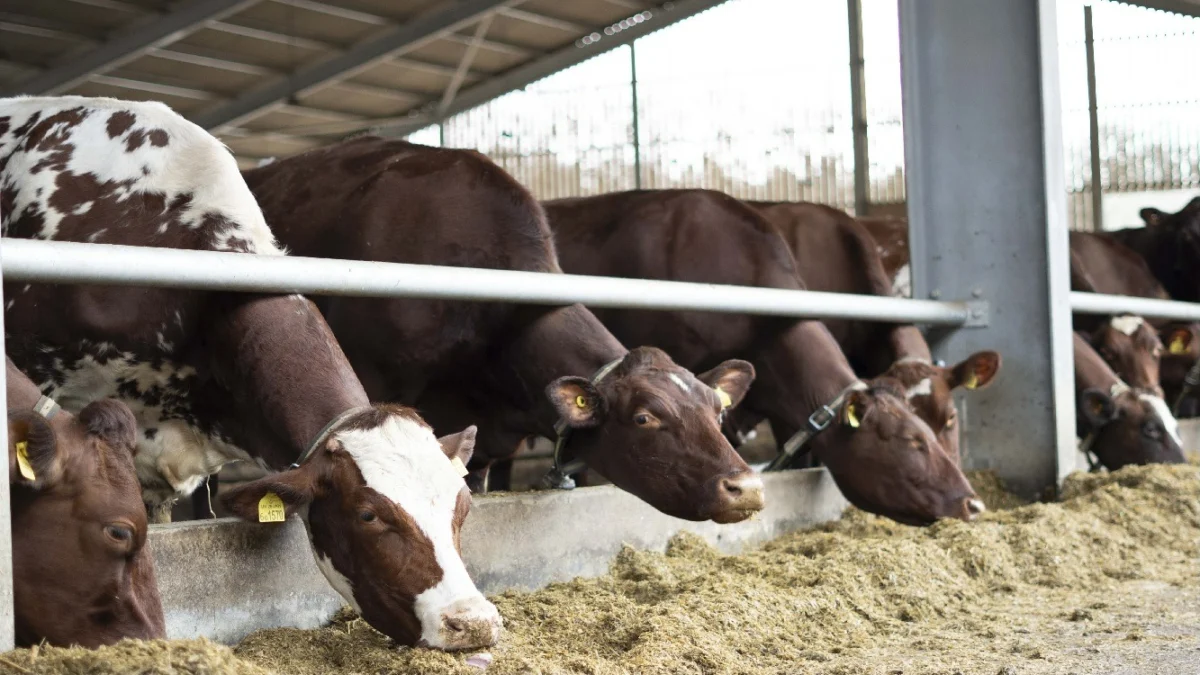
In an era defined by unpredictable climate patterns and rising operational costs, the agricultural sector in the United Kingdom is undergoing a quiet, high-tech revolution. West Sussex County Council, through its flagship Growing Sussex initiative, has reached a critical milestone in the digital transformation of farming. By integrating advanced environmental monitoring sensors directly into livestock pens via private 5G networks, the county is providing farmers with the "near real-time" intelligence necessary to safeguard animal welfare and bolster the resilience of the local rural economy.
This deployment—a collaboration between the Council, infrastructure giant Boldyn Networks, and agritech innovator Pneumonitor—represents a shift from reactive to proactive farm management. By utilizing 5G Reduced Capability (RedCap) technology, the project overcomes the limitations of traditional monitoring, offering a scalable blueprint for the future of British agriculture.
The Core Innovation: Moving the Sensor to the Source
Traditionally, environmental monitoring in livestock buildings has been restricted by hardware limitations. Sensors were typically mounted on exterior walls, providing data that often failed to reflect the micro-climates existing within the pens where animals spend the vast majority of their time.
Pneumonitor has fundamentally altered this paradigm. Their device is engineered to be placed directly within the livestock pen. By capturing data at the animal level, the device provides granular insights into humidity, air quality, and thermal stress—factors that are notoriously difficult to track manually but which have a profound impact on respiratory health and growth rates.
The true breakthrough, however, lies in the connectivity. By linking these devices to a private 5G network provided by Boldyn Networks, the system transmits data instantaneously. This eliminates the "blind spots" that often lead to delayed interventions. When temperatures spike or ventilation fails, the farmer is no longer alerted hours later by a drop in animal productivity; they are alerted in near real-time, allowing them to adjust environmental controls before the health of the livestock is compromised.
Chronology: Building a Connected Ecosystem
The path to this milestone was not overnight; it is the culmination of a deliberate, multi-year strategy to bridge the gap between digital innovation and traditional food production.
- Early 2024: West Sussex County Council formally announced its ambitious partnership with Boldyn Networks, outlining plans to deploy four private 5G networks across the region. The goal was to provide a robust digital infrastructure specifically tailored for the needs of the agricultural and food production sectors.
- Mid-2024: Initial infrastructure deployment began, focusing on establishing the core 5G nodes. Simultaneously, the Growing Sussex team initiated outreach to local farmers to identify the most pressing "pain points," with respiratory disease in livestock and heat stress emerging as top priorities.
- Late 2024: The integration of Pneumonitor’s sensor technology began as a pilot program. The focus was on testing the reliability of 5G RedCap in rugged, high-density farming environments.
- December 2025: A landmark achievement was reached as all four partner sites went live. The network successfully integrated environmental monitoring into the wider Growing Sussex ecosystem, which now serves as a template for other local authorities across the UK.
Supporting Data: Why 5G RedCap Matters
The deployment utilizes 5G RedCap (Reduced Capability), a technology specifically designed for the Internet of Things (IoT). In the context of a farm, where hundreds of sensors might be deployed, standard 5G is often overkill—both in terms of power consumption and hardware cost.
RedCap offers the perfect balance. It provides the low-latency, high-reliability connectivity of 5G while drastically reducing the power requirements of the end device. For farmers, this translates into several critical benefits:
- Extended Battery Life: Devices can remain in the field or the barn for significantly longer periods without needing maintenance or battery replacements.
- Scalability: Because the power and bandwidth overheads are lower, farmers can deploy a denser network of sensors across large premises without overloading their network.
- Cost-Efficiency: By minimizing the need for manual maintenance and optimizing the health of the livestock, the technology offers a tangible return on investment, helping to offset the initial capital expenditure.
As heatwaves become more frequent in the UK, the data produced by these sensors is becoming invaluable. During recent testing, the Pneumonitor system was able to detect heat load build-up in barns significantly faster than human observation, allowing for pre-emptive ventilation adjustments that preserved animal yields and welfare.
Official Perspectives: The Strategic Vision
The project’s success is rooted in the alignment between local government strategy and commercial ingenuity.
Cllr Yvonne Gravely, Cabinet Member for Economy and Skills at West Sussex County Council, highlighted the broader socio-economic goals of the initiative:
"Agriculture plays a vital role in West Sussex, but periods of extreme weather are creating new challenges for the sector. Through Growing Sussex, we’re helping growers and food producers use technology to better understand changing conditions, protect animal welfare, and build resilience for the future. That’s good for local businesses, good for our rural economy, and good for West Sussex."
Gearoid Collins, Commercial Director at Boldyn Networks, emphasized the technical foundation being laid:
"As the connectivity partner for Growing Sussex, we’re committed to helping shape a new era for agriculture. Connecting Pneumonitor through RedCap shows how private 5G can support practical agritech and provide the digital foundation for many more connected applications across the farming sector."
Isaac Orr, CEO of Pneumonitor, underscored the critical nature of the technology in a changing climate:
"Conditions inside livestock buildings can deteriorate faster than they can be spotted by eye. Pneumonitor measures conditions in the pen itself, where the animals are. The connectivity behind the deployment now allows us to bring this monitoring to far more sites than before. We thank Boldyn Networks and the Growing Sussex programme for their partnership."
Implications for British Agriculture
The Growing Sussex project serves as a microcosm of the potential for the "Smart Farm." The implications of this deployment extend far beyond the borders of West Sussex.
1. Enhanced Animal Welfare
The most immediate impact is on the animals. By maintaining optimal environmental conditions, farmers can significantly reduce the incidence of respiratory diseases, which are often exacerbated by poor air quality or fluctuating temperatures. This reduces the reliance on antibiotics, addressing one of the major ethical and health challenges in the livestock industry.
2. Economic Resilience
Farming is a thin-margin business. By identifying environmental stress factors early, farmers can prevent the catastrophic loss of livestock or the significant drop in productivity that often follows a heatwave or a cold snap. This data-driven approach stabilizes revenue and makes the sector more attractive to insurance providers and financial lenders.
3. The "Digital Divide"
For years, the rural digital divide has hindered the adoption of precision agriculture in the UK. By deploying private 5G networks, the Growing Sussex programme demonstrates that rural connectivity does not have to wait for commercial broadband providers to reach every corner of the country. Localized, private infrastructure can provide the performance needed to compete on a global stage.
4. A Template for the Future
The integration of AI, IoT, and 5G is no longer a futuristic concept—it is a functional reality. The success of the Growing Sussex model provides a roadmap for other regions. It highlights the importance of public-private partnerships, where the local government provides the regulatory and organizational framework, and commercial technology partners provide the technical expertise.
Conclusion
As we look toward the future of the digital economy, the lessons learned in West Sussex will be instrumental. The Growing Sussex programme has proven that advanced connectivity is not just about faster internet for homes; it is about providing the tools necessary to sustain our food systems in the face of a changing environment.
The transition to a "connected agriculture" model is well underway. As farmers continue to embrace these tools, the industry will move toward a future that is more efficient, more humane, and more resilient. For those interested in the ongoing dialogue surrounding this transformation, events like Connected Britain continue to offer a platform for industry leaders to discuss how these wireless technologies will reinvigorate British agriculture for generations to come.
Through the persistence of local councils, the ingenuity of agritech firms, and the power of 5G, the "Digital Barn" is becoming a standard feature of the landscape—ensuring that when the next heatwave strikes, the farmers of West Sussex will be ready, informed, and in control.