In the pre-dawn hours of Sunday, August 30, 2026, the global astronomical community will turn its collective gaze toward Florida’s Space Coast. Standing tall on Launch Complex 39A at NASA’s Kennedy Space Center, a SpaceX Falcon Heavy rocket awaits the command to begin one of the most ambitious scientific endeavors of the 21st century: the deployment of the Nancy Grace Roman Space Telescope.
Named in honor of the "Mother of Hubble," the late NASA astronomer Nancy Grace Roman, this observatory is designed to unlock the deepest mysteries of the cosmos. As the successor to a lineage of groundbreaking telescopes, the Roman Space Telescope represents a quantum leap in our ability to survey the universe, promising to map the heavens with unprecedented clarity and breadth.
A Mission to Decipher the Dark Universe
The Roman Space Telescope is not merely a tool for observation; it is a high-speed survey machine. Unlike previous observatories that have focused on deep, narrow windows of the sky, the Roman mission is designed to cast a wide net. Its primary objectives are as ambitious as they are profound: to investigate the nature of dark energy and dark matter, to conduct a comprehensive census of exoplanets beyond our solar system, and to construct a three-dimensional map of billions of galaxies across cosmic time.
"Roman’s deep, sweeping surveys will help investigate dark energy and dark matter, discover and characterize planets beyond our solar system, map billions of galaxies, study black holes, and share enormous amounts of data with both scientists and the public," NASA stated in an official update on August 28, confirming that the observatory has been cleared for flight.
By peering back into the history of the universe, Roman will attempt to answer fundamental questions about the expansion of space and the invisible scaffolding that holds galaxies together. Furthermore, its ability to detect exoplanets—including those in the habitable zones of their host stars—will provide critical data in the ongoing search for life beyond Earth.
The Launch: A Heavy-Lift Powerhouse
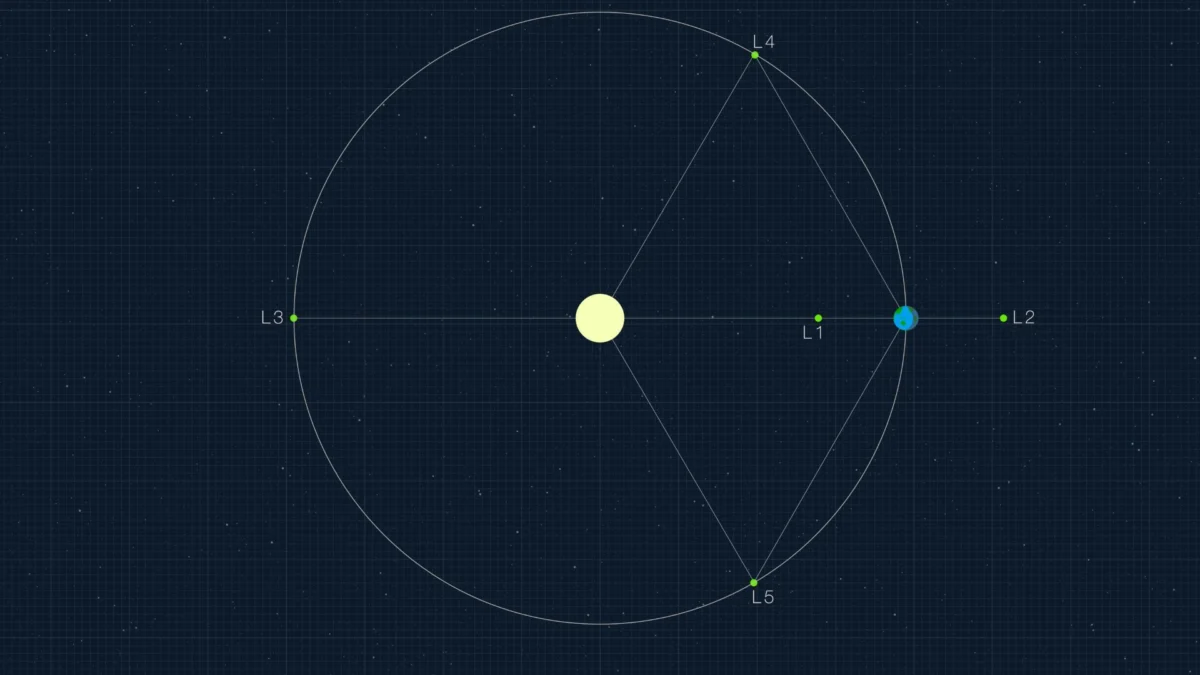
To propel this massive instrument into its final destination—a stable orbital position known as Lagrange Point 2 (L2), located approximately one million miles (1.5 million kilometers) from Earth—NASA has selected the SpaceX Falcon Heavy. This launch vehicle, currently the most powerful operational rocket in the SpaceX fleet, is uniquely suited for the heavy payload and the complex trajectory required for the mission.
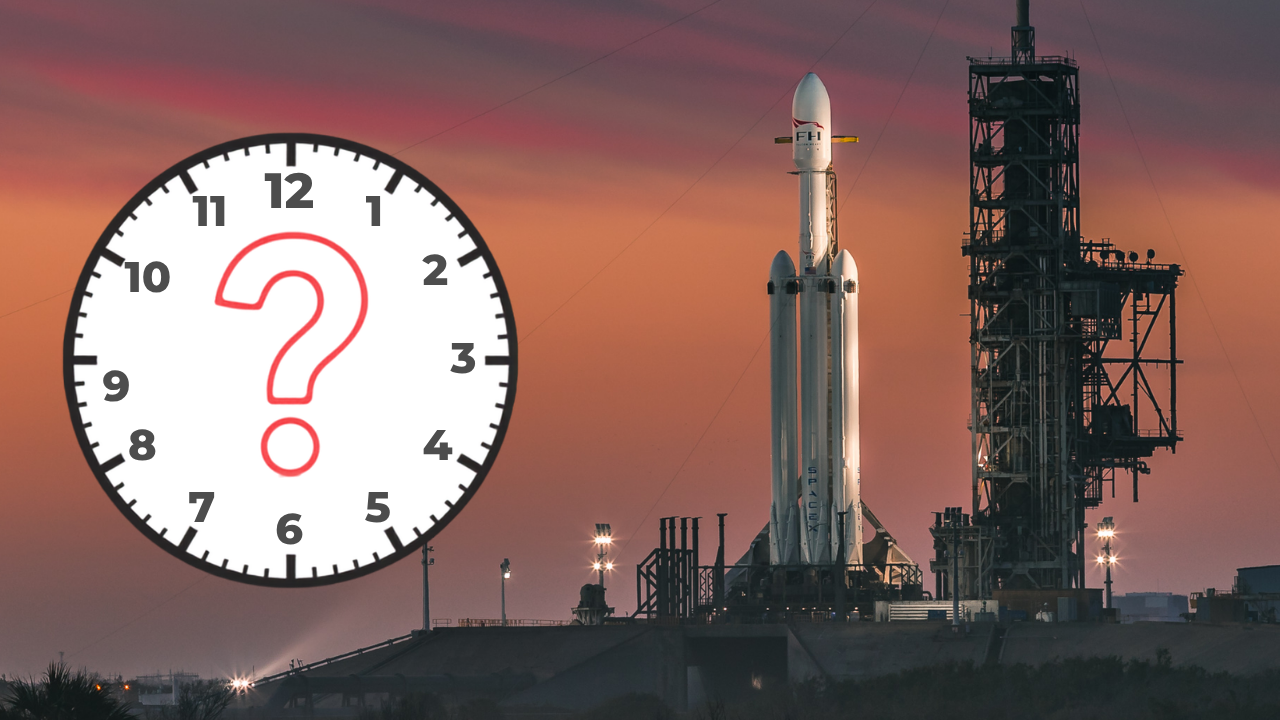
The launch window for the mission opens at 7:26 a.m. EDT (1126 GMT) on Sunday, August 30. If weather conditions prove unfavorable, a backup window has been secured for Monday, August 31, at 7:22 a.m. EDT (1122 GMT). Meteorologists from the U.S. Space Force’s Space Launch Delta 45 Weather Squadron currently estimate a 60% probability of favorable weather for the initial Sunday attempt.
A Chronology of the Mission: From Liftoff to Deployment
The mission profile for the Roman Space Telescope is a meticulously choreographed sequence of events, lasting a total of 31 minutes and 31 seconds from the moment of ignition until the telescope is released into the vacuum of space.
The Pre-Launch Sequence
The countdown is a complex process of fueling and system checks. Beginning at T-53 minutes, flight directors will poll for fueling operations. The first stage will be loaded with rocket-grade kerosene (RP-1) and liquid oxygen, followed by the second stage. By T-7 minutes, the Falcon Heavy’s engine chilldown sequence will commence to prepare the hardware for the thermal shock of ignition. The final minute of the countdown involves a handoff to the autonomous flight computer, which performs the final pre-launch diagnostics.
The Ascent and Separation
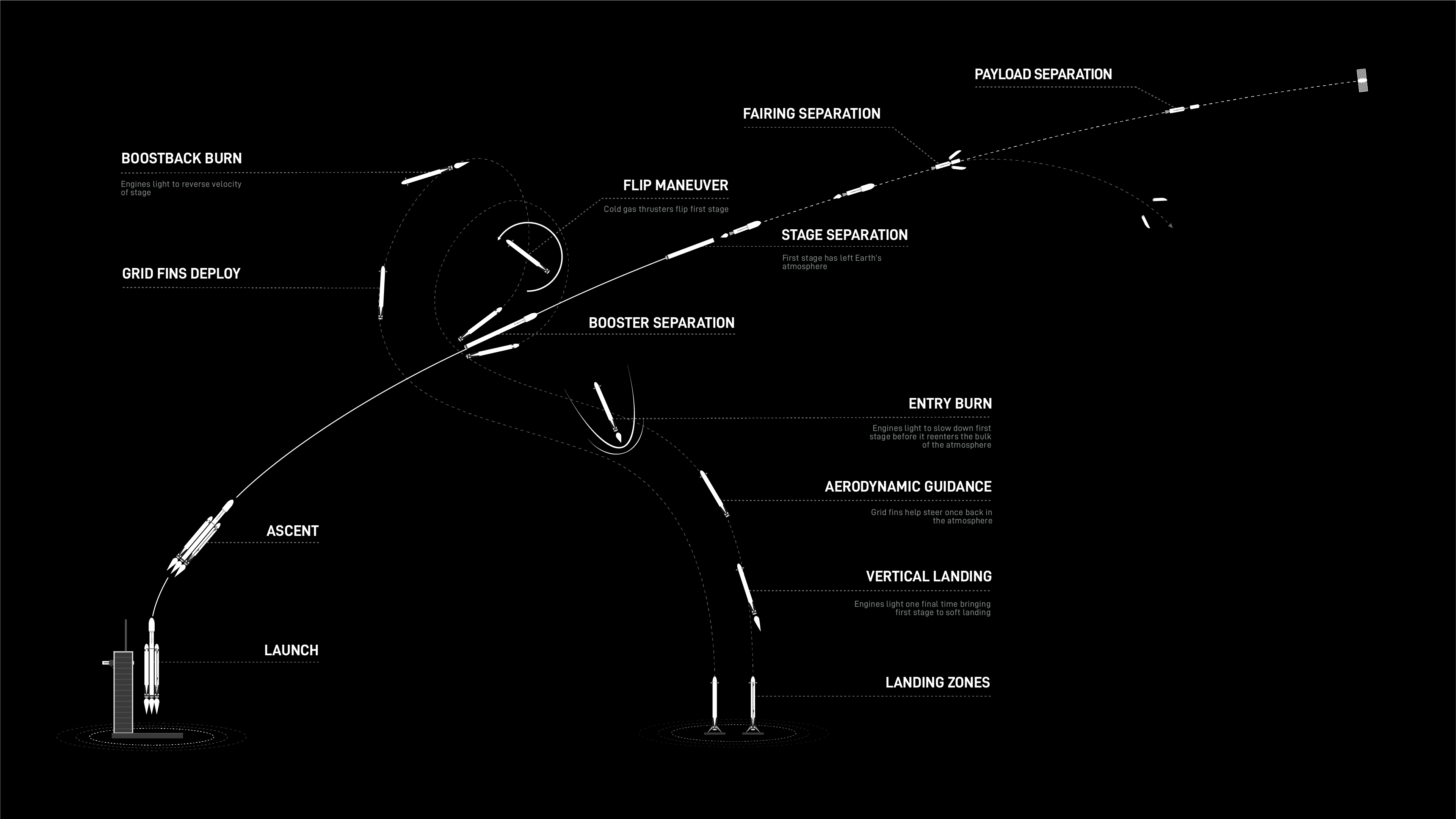
Upon ignition, the three first-stage boosters will provide the immense thrust required to clear the tower. At roughly T+1 minute and 8 seconds, the rocket will reach "Max Q," the moment of maximum dynamic pressure.
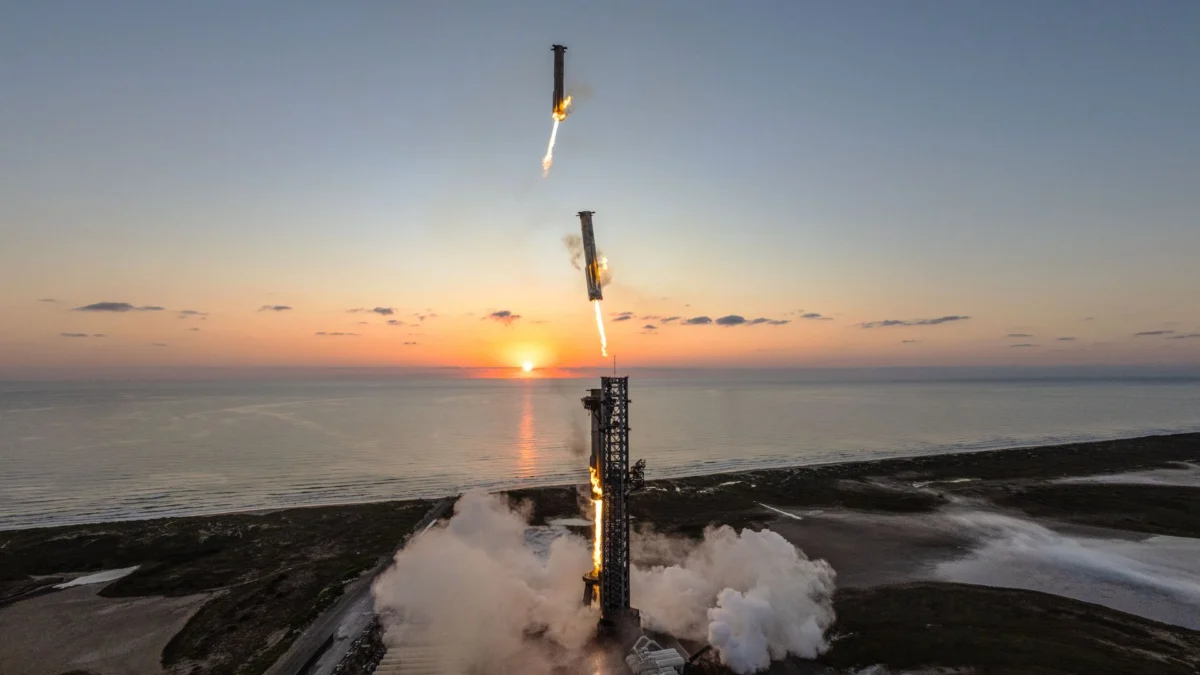
A critical highlight of the launch will be the recovery of the two side boosters. At T+2 minutes and 24 seconds, the side boosters will shut down and separate from the central core. These boosters will then execute a complex flip and boostback maneuver, returning to Cape Canaveral for landing at Landing Zones 2 and 40. This reuse capability is a hallmark of the Falcon Heavy program.
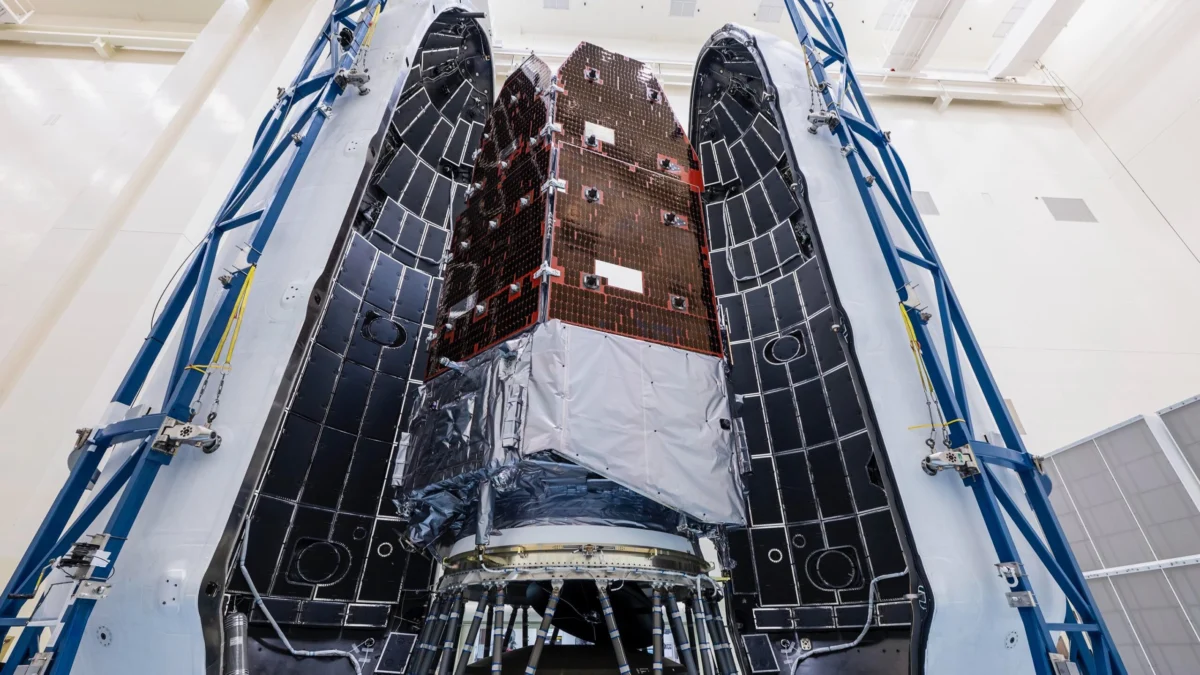
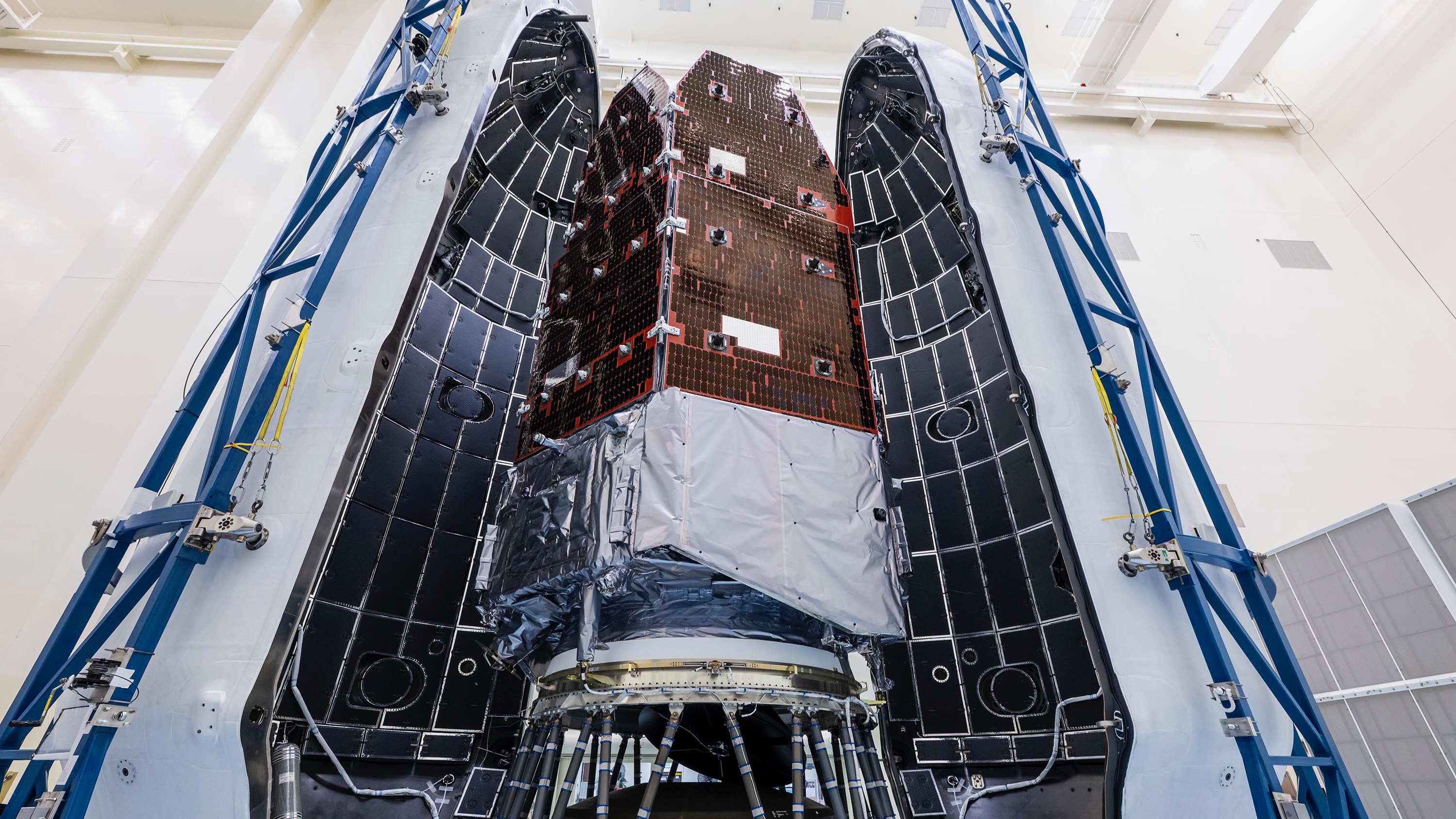
The second stage will continue the climb, with the payload fairing—the protective shell around the telescope—dropping away at T+4 minutes and 15 seconds. The second stage will fire its Merlin engine, shut down for a 16-minute cruise, and then restart for a final burn to place the telescope in its precise injection orbit.
Deployment and the Long Road to L2
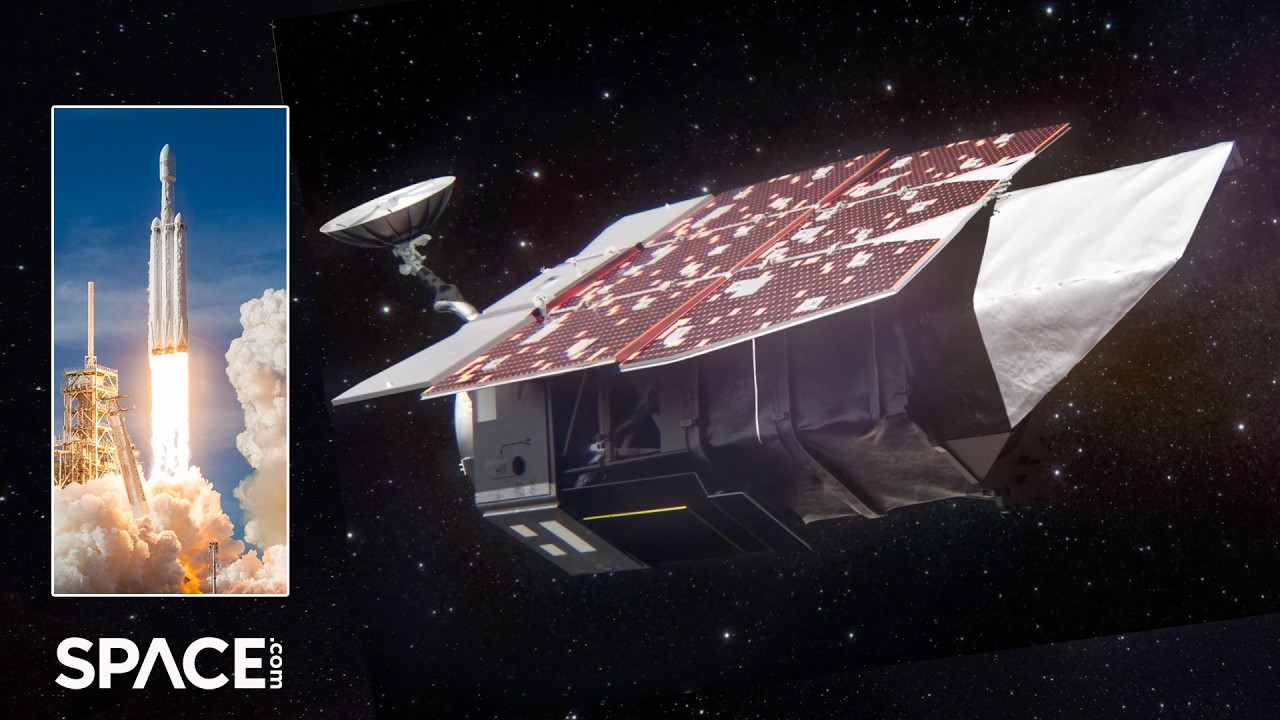
At 31 minutes and 31 seconds after liftoff, the Roman Space Telescope will deploy from the upper stage of the Falcon Heavy. This is the moment the mission truly begins. Once in space, the telescope will automatically initiate a sequence to deploy its solar arrays and sunshade.
The ensuing days will be defined by the delicate process of unfolding the high-gain antenna and the aperture cover. Over the course of the next three months, the mission team will manage a "carefully orchestrated series of deployments, calibrations, and tests" to ensure the observatory is fully functional before it begins its scientific operations at L2.
The Scientific Significance: Why Roman Matters
The scientific community has waited for years for a mission of this caliber. While the James Webb Space Telescope (JWST) provides exquisite, high-resolution snapshots of specific targets, the Roman Space Telescope is designed for efficiency and volume.
The telescope’s "wide-field" capability will allow it to capture images that are 100 times larger than those of the Hubble Space Telescope, while maintaining a comparable level of sensitivity. This means that a single observation cycle by Roman could yield as much data as years of work by previous-generation observatories.
By studying the distribution of galaxies, Roman will provide insights into the expansion rate of the universe, effectively mapping the "push" of dark energy. Furthermore, its microlensing survey will allow astronomers to find planets orbiting stars at great distances, expanding our knowledge of planetary demographics across the Milky Way.
How to Follow the Mission
For those wishing to witness the start of this historic journey, NASA and SpaceX have provided multiple viewing options. The official NASA broadcast will begin at 6:20 a.m. EDT (1020 GMT) on August 30. Coverage will be available on the agency’s website, its social media channels (Facebook, X, Instagram), and via streaming platforms including NASA+, Twitch, and YouTube.
SpaceX will also provide a dedicated feed through its social media presence. Additionally, Space.com will provide comprehensive, real-time updates and live coverage of the entire launch event via its "VideoFromSpace" YouTube channel.
Implications for the Future of Astronomy
The launch of the Roman Space Telescope is more than just a successful engineering feat; it is a milestone in human curiosity. By investigating the "dark" components of the universe, we are essentially trying to write the biography of the cosmos—understanding where it came from, what it is made of, and where it is going.
As we look toward the 2026 launch date, the excitement within the scientific community is palpable. The Roman Space Telescope will not only serve as a bridge between the discoveries of the past and the mysteries of the future, but it will also likely rewrite our textbooks on astrophysics and cosmology.
The late Nancy Grace Roman once said that "astronomy is the study of the universe, but it is also the study of ourselves." As this telescope unfolds its mirrors to capture the light of distant stars, it will indeed provide a mirror for humanity, reflecting our relentless desire to understand the infinite darkness that surrounds us.
Whether the rocket launches on the 30th or the 31st, the message remains the same: a new eye is opening, and the universe is about to become a much smaller, more understandable place. Stay tuned to Space.com for ongoing coverage of the pre-launch preparations and the post-launch excitement as NASA’s latest flagship observatory makes its way into the void.