For millennia, humanity has looked up in awe as "shooting stars" streak across the night sky. For the most part, these celestial displays are ephemeral—the result of tiny grains of space dust incinerating upon contact with our atmosphere. However, when larger bodies, such as fragments of asteroids or comets, breach the Earth’s gaseous shield, the result can be far more substantial.
A groundbreaking new study, which meticulously analyzed the descent of 75 different meteorites, has successfully decoded the complex journey these objects undertake. Researchers have identified seven distinct physical stages that a space rock experiences from the moment it hits the upper atmosphere until it finally lands on Earth as a meteorite. This study, led by Peter Jenniskens of the SETI Institute and NASA Ames Research Center, challenges long-held assumptions about how these objects lose mass and velocity, providing a crucial framework for understanding planetary defense.
The Myth of Simple Evaporation
For years, the scientific community operated under the assumption that the transition from a space-bound asteroid to a terrestrial meteorite was a relatively straightforward process of ablation—essentially, the rock would simply "burn away" due to the intense heat generated by atmospheric friction.
However, the new research suggests a far more dynamic and complex reality. "We used to think that solid rocks would evaporate from the enormous heat and brilliant light generated in the air collision," Peter Jenniskens explained in a statement. "We found instead that first melting and then fragmentation control how a rock loses mass."
By studying the 75 recovered specimens, the team discovered that the life cycle of a meteor is governed by a series of physical transitions that occur at specific altitudes and under varying atmospheric pressures. This finding is not merely academic; it is a vital piece of the puzzle for scientists trying to predict the behavior of larger, potentially hazardous near-Earth objects.
The Seven Stages of Earthfall: A Chronological Descent
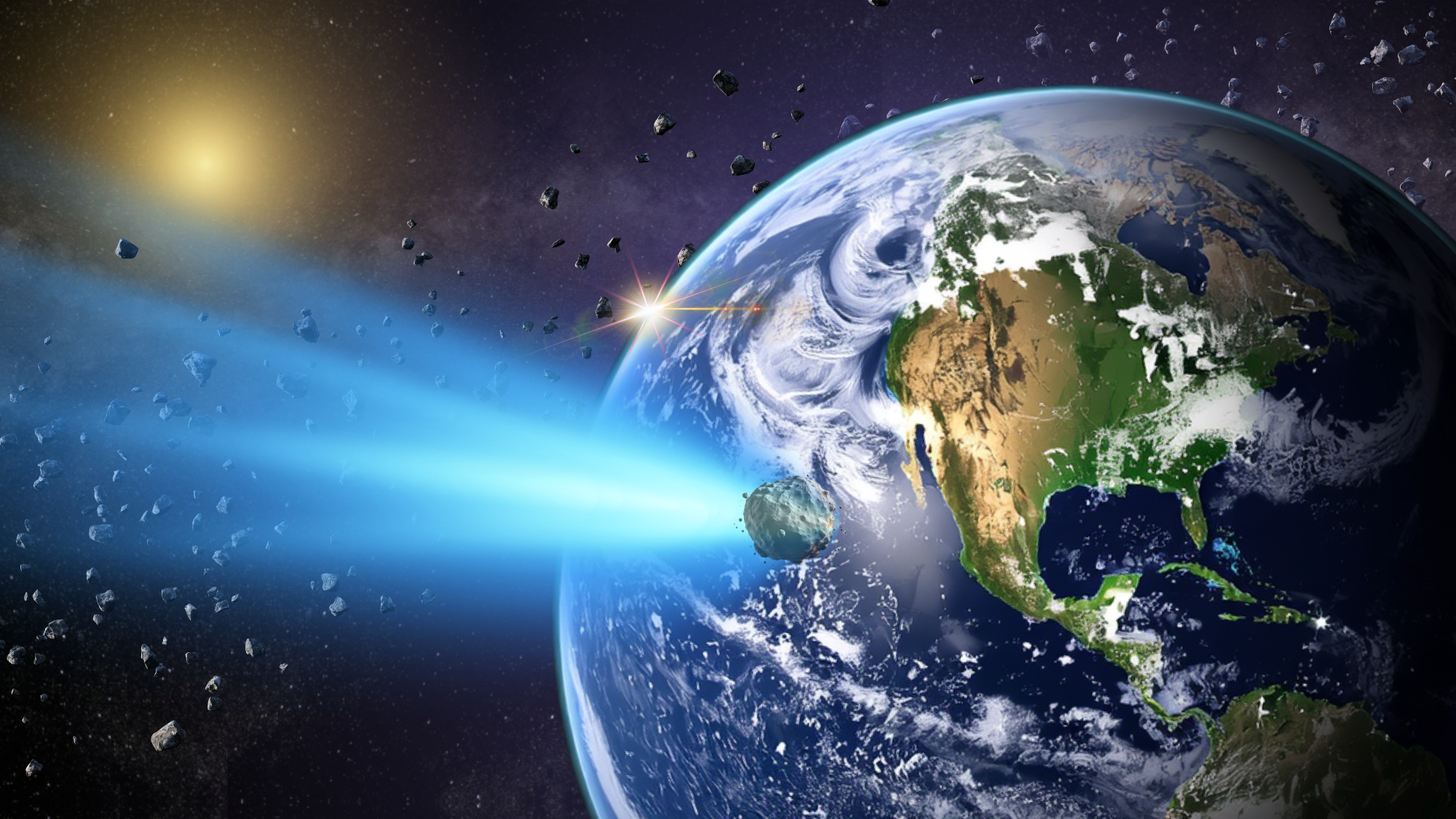
To understand how a rock survives the violent journey through our atmosphere, we must view the process as a high-speed, high-stakes physical transformation. The research team broke this journey down into seven defined phases.
Phase 1: The Initial Contact
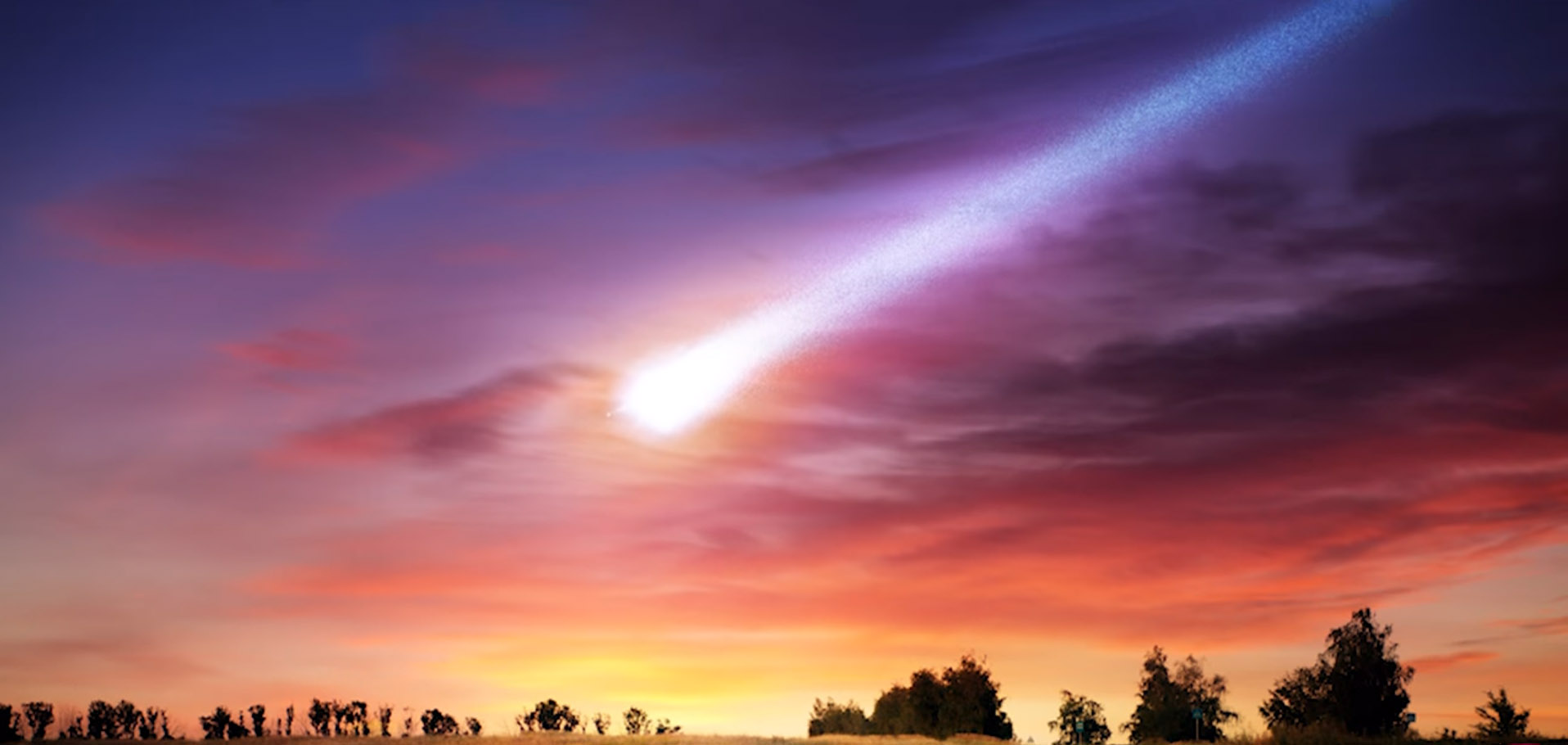
The process begins at the very edge of the atmosphere. As the space rock enters at hypersonic speeds, it compresses the air in front of it, creating a powerful shock wave. This shock wave acts as a thermal barrier, rapidly heating both the object and the surrounding gas. This is the moment the rock begins its transition from a cold, silent traveler of the void into a luminous "shooting star."
Phase 2: Atmospheric Density and Rotation
As the object descends into denser layers of the atmosphere, the luminosity of the meteor increases. Astronomers can often capture this phase with precision, using the fluctuations in brightness to calculate the rock’s spin rate. The way a rock rotates during this phase is indicative of its structural integrity and shape.
Phase 3: The Fireball Peak
This is the stage where the most dramatic mass loss occurs. The rock reaches "fireball" status, glowing with intense ferocity. Air flows around the surface of the object with such speed and heat that it physically pulls away melted material, leaving behind a glowing trail of liquid droplets that continue to evaporate.
Phase 4: Reaching Equilibrium
At approximately 40 miles (60 kilometers) above the Earth’s surface, the fireball enters a state of melting equilibrium. By this point, the object has already shed significant mass—sometimes as much as 40% of its original bulk. It is here that the physical stresses begin to take their toll on the interior of the rock.
Phase 5: The Fragmentation Point
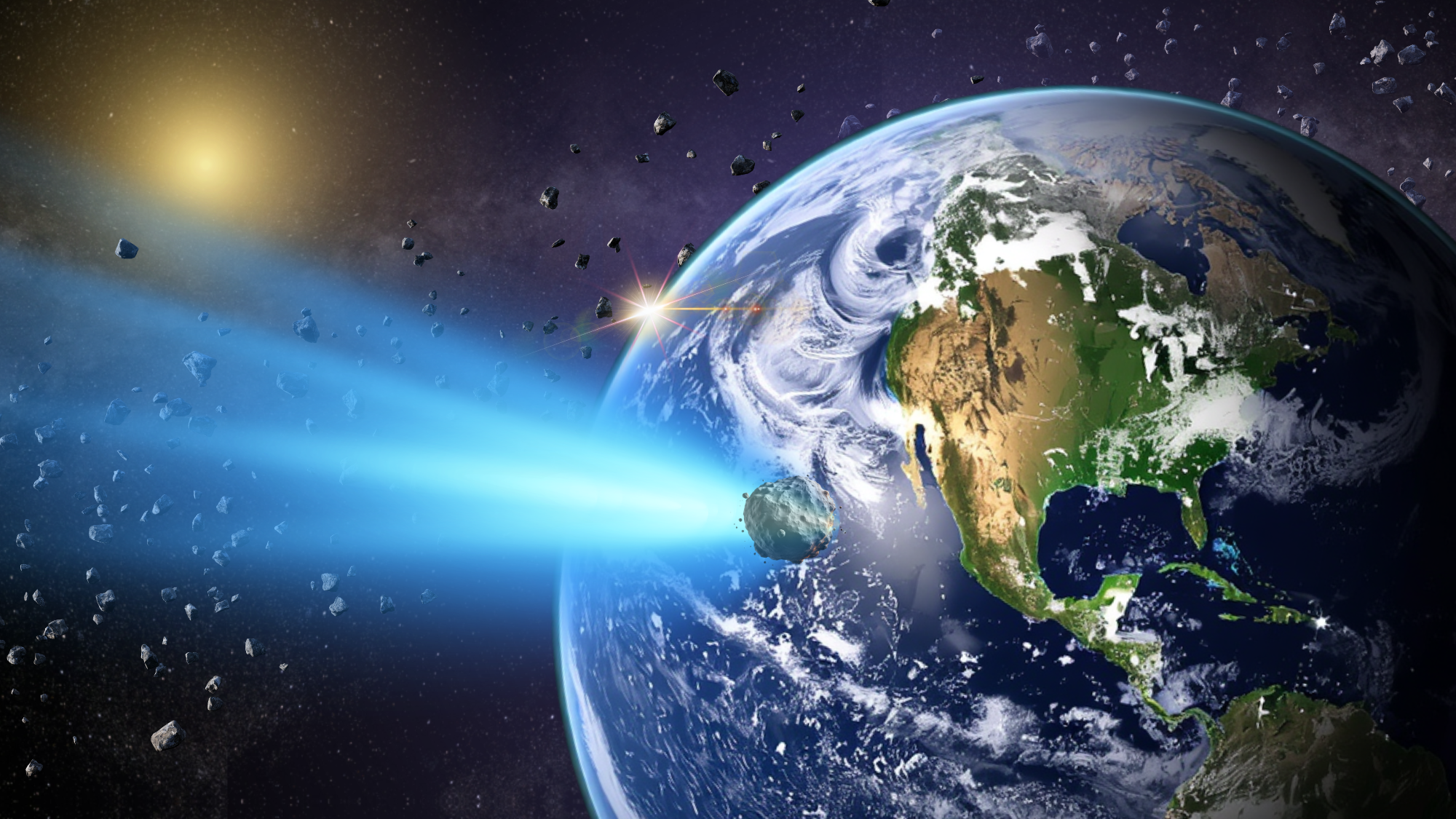
Contrary to previous expectations, the rock often begins to break apart much earlier than models had predicted. The researchers attribute this to pre-existing cracks and structural weaknesses—the "scars" of millions of years of collisions within the asteroid belt. As the main body begins to fragment, smaller pieces flare as they break away, creating a secondary cascade of light.
Phase 6: The Final Disruption
The fireball flares for one last time during this stage, as the structural integrity of the main body finally gives way. "That final disruption sends fragments flying at higher relative speeds," Jenniskens noted. Observations from previous falls suggest that larger fragments (those over 20 grams) tend to originate from the "backside" of the original rock, creating a wider scatter pattern on the ground.
Phase 7: Terminal Descent
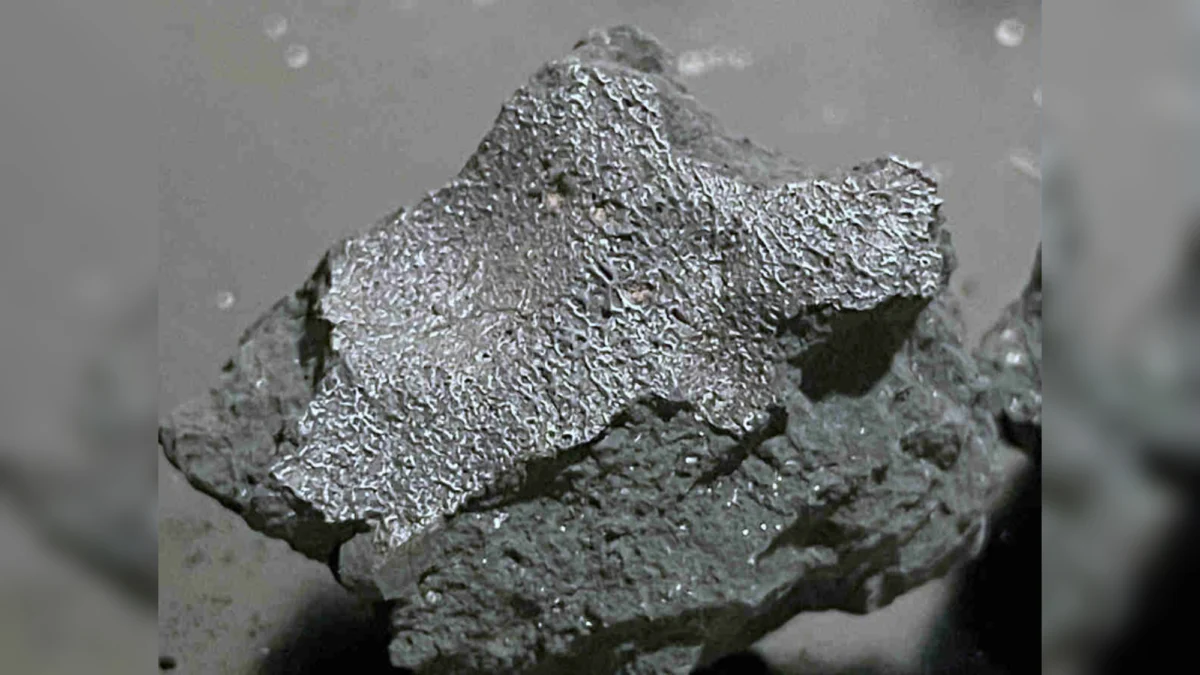
In the final phase, the remaining fragments have slowed significantly. The intense heat dissipates, the melting ceases, and the object stops glowing. A thin, dark "fusion crust" forms on the surface of the fragments—the classic tell-tale sign of a meteorite. The remaining debris is now slow enough that atmospheric winds can influence its final landing trajectory, often spreading the fragments over a narrow "strewn field" on the Earth’s surface.
Supporting Data and Physical Dynamics
The study highlights a paradoxical finding: the meteorites that successfully reach the ground are often those that have undergone the most extensive melting and fragmentation. This process of breaking up actually serves as a braking mechanism. As the object fragments, it creates more surface area, which increases aerodynamic drag, shedding velocity faster than a single, solid mass would.
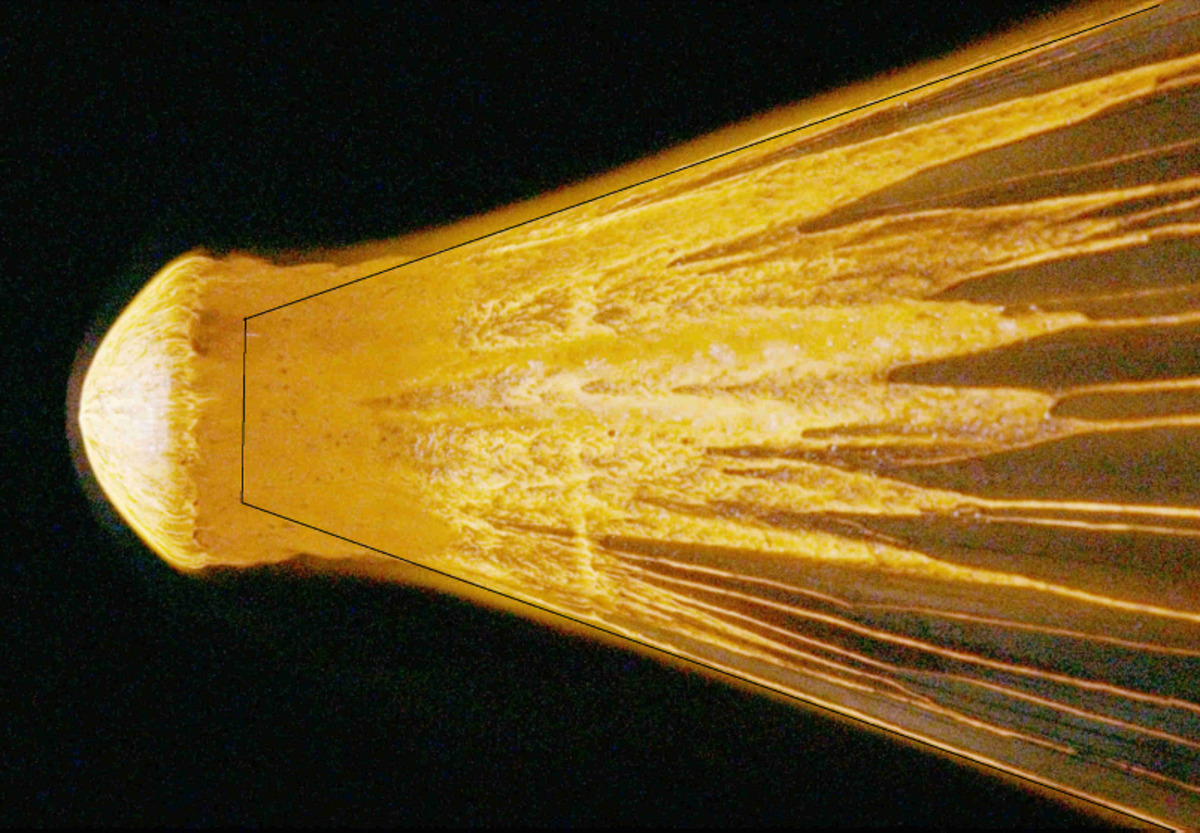
Darrel Robertson, a team member from NASA Ames, emphasizes the importance of the wake left by these objects. "Our modeling shows that as long as the back of the space rock remains intact, that rock pulls a vacuum in its wake into which fragments tend to flow," he explains. This "vacuum effect" is responsible for the narrow, elongated patterns of meteorite distribution found by recovery teams in the field.
The researchers also utilized the NASA Ames Research Center’s Arcjet Interaction Heating Facility to simulate the high-heat conditions of atmospheric entry, allowing them to test how different rock compositions—such as stony versus metallic meteorites—behave under these specific stressors.
Implications for Planetary Defense
The study of these 75 meteorites provides more than just an understanding of how rocks land; it offers a blueprint for how we might handle a future, larger threat. The methodologies developed by Jenniskens and his team are directly applicable to analyzing the risk posed by "planet-killer" asteroids or large meteoroid airbursts.
One of the most concerning scenarios is an "airburst," where an object does not reach the ground but instead detonates in the atmosphere, releasing massive amounts of kinetic energy. The 2013 Chelyabinsk event in Russia is the textbook example of this. The 20-meter (66-foot) asteroid that caused that explosion traveled through these same seven phases before the final, catastrophic disruption that shattered windows and injured thousands of people.
"Asteroids up to tens of meters in size are also solid rocks because they tend to spin faster than do the larger rubble pile asteroids," Jenniskens noted. By understanding the fragmentation patterns and the specific altitudes at which these rocks break apart, scientists can better predict the energy release and potential damage of a similar future impactor.
Conclusion: A New Understanding of Our Cosmic Neighbors
This research, published in the Meteoritics & Planetary Science journal (via the Wiley Online Library), marks a significant step forward in our understanding of the interaction between space objects and our planetary environment. By moving beyond the simplistic "burn up" theory, the team has provided a sophisticated model that accounts for the complex interplay of heat, velocity, rotation, and structural fatigue.
As we continue to monitor the skies for potential threats, this seven-stage model will serve as a foundational tool for researchers. Whether it is a small, stony fragment destined to become a collector’s item or a larger body that requires an emergency response, we are now better equipped to interpret the violent, fiery, and fascinating final moments of a space rock’s journey to Earth.
The next time you see a streak of light across the night sky, you are no longer just looking at a shooting star—you are witnessing a complex, multi-stage physical event that has been, for the first time, truly mapped by science.