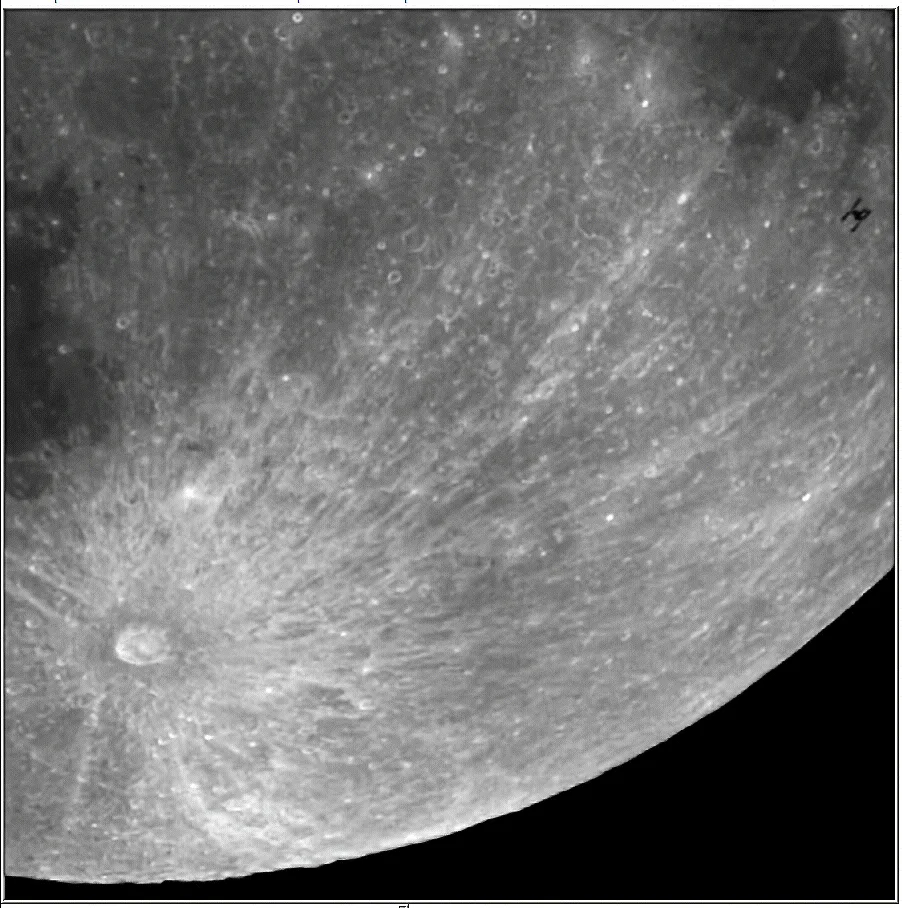
For decades, the International Space Station (ISS) has served as the primary beacon for amateur astronomers—a brilliant, steady point of light tracing a silent path across the heavens. Yet, a new, equally fascinating player has entered the orbital stage. China’s Tiangong space station, known as the "Heavenly Palace," is currently offering spectacular viewing opportunities for observers across the United States. Following a recent, high-stakes exterior maintenance operation by the crew of the Shenzhou-23 mission, the station is currently at peak visibility, inviting skywatchers to witness a marvel of modern engineering as it glides 242 miles above the Earth.
Main Facts: What is the Tiangong Space Station?
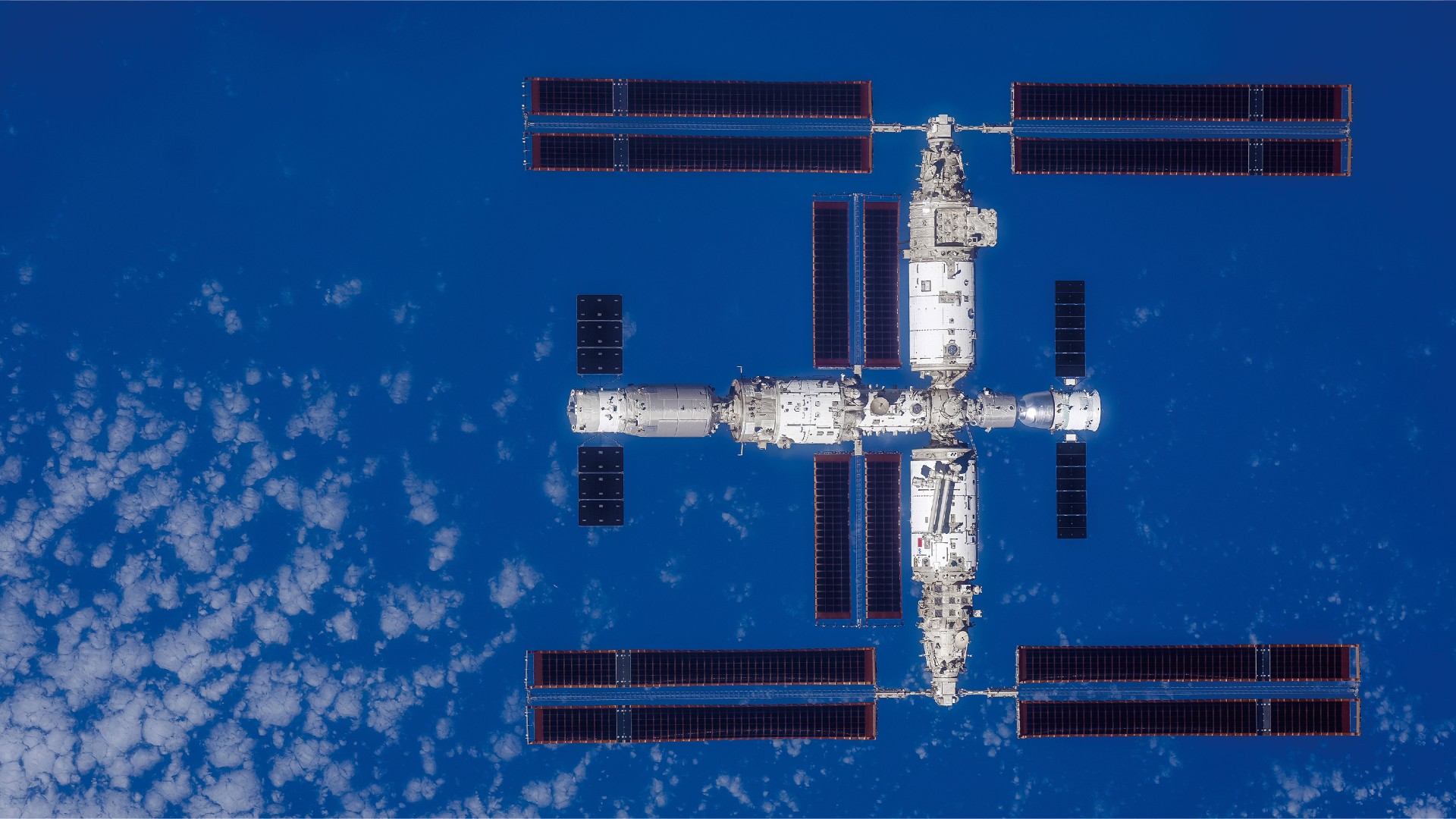
Tiangong represents the pinnacle of China’s rapidly advancing human spaceflight program. It is a permanently inhabited orbital outpost designed for long-term research and technological development. Unlike the massive, modular architecture of the ISS—which spans the size of an American football field—Tiangong is a more compact, efficient structure, weighing in at approximately 100 tons, or roughly one-quarter of the ISS’s total mass.
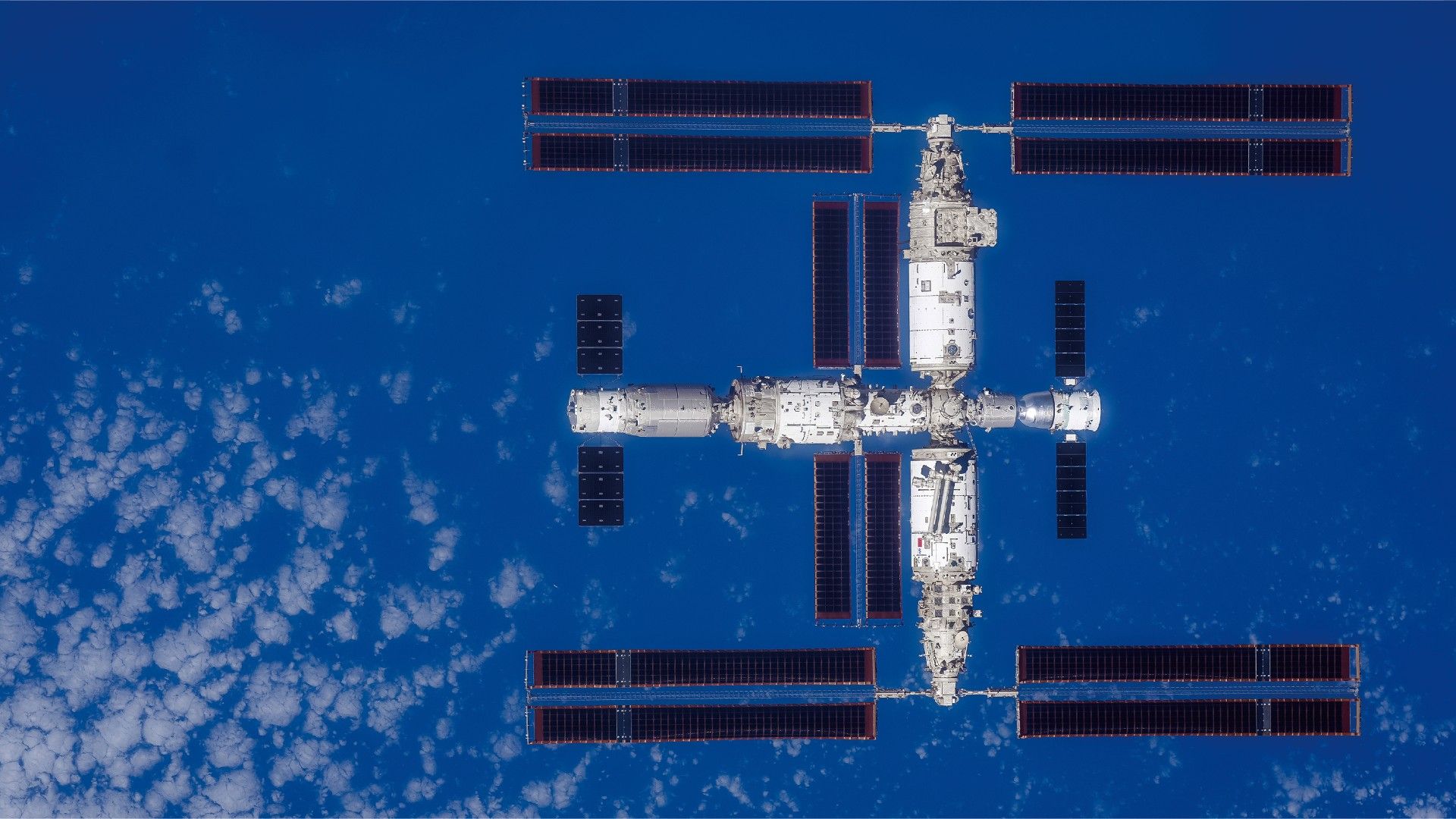
The station is composed of three primary modules: Tianhe, the core module, and the two research modules, Wentian and Mengtian. Since the launch of the core module in April 2021 and the subsequent arrival of the final lab module in October 2022, the station has been fully operational and continuously crewed.
Despite its smaller stature, Tiangong is remarkably bright. On a favorable pass, the station can reach a magnitude of approximately -2, making it comparable in brilliance to the planet Jupiter. Because of its 41.5-degree orbital inclination, the station is uniquely positioned to offer high-altitude, brilliant passes for observers in the mid-latitudes, including major metropolitan areas along the U.S. East Coast.
Chronology: A Mission of Maintenance and Resilience
The current buzz surrounding Tiangong is tied directly to the industrious work of the Shenzhou-23 crew. Just days ago, in a display of precision and coordination, two taikonauts successfully completed a 5.5-hour extravehicular activity (EVA). Their objective: the repair of a critical solar array.
The maintenance of the solar power system is paramount to the station’s longevity. As the station continues to host scientific experiments—ranging from material science to space-grown biology—the demand for stable, consistent power is absolute. This recent repair confirms that the "Heavenly Palace" is not merely a static monument, but a living, breathing laboratory that requires constant, expert care.
The crew currently aboard the station—Zhu Yangzhu, Zhang Zhiyuan, and Li Jiaying—has been in orbit since May. Notably, Li Jiaying’s assignment represents a shift in mission longevity for the Chinese space program; she is expected to remain aboard for a full year, effectively doubling the standard six-month rotation period. This endurance test is a clear indicator that China is preparing for deeper, more permanent human presence in low-Earth orbit (LEO).
Supporting Data: The Mechanics of Observation
To spot Tiangong, one must understand the interplay between orbital mechanics and solar illumination. Because the station orbits roughly every 90 minutes at an altitude of approximately 242 miles, it is constantly moving at high speeds.
Timing Your Observation
The optimal window for viewing is either one to two hours after sunset or before sunrise. During these times, the observer is shrouded in the darkness of the night, yet the station—elevated far above the horizon—is still illuminated by the sun, which has yet to set or has already begun to rise for the station’s perspective.
Identifying the Station
Unlike commercial aircraft, which blink with navigation lights, the Tiangong space station appears as a steady, brilliant white light moving with purpose and grace. It does not flicker or change color. A typical pass lasts between two and six minutes.
Why the East Coast is Prime Real Estate
New York City and surrounding regions currently sit just within the northern limit of Tiangong’s orbital track. This specific geometry allows for "high passes," where the station reaches an altitude of 80 to 90 degrees above the horizon. To visualize this, remember that the width of your fist at arm’s length equals approximately 10 degrees. If the station is 80 degrees high, it is nearly directly overhead, providing the brightest and most stable viewing conditions possible.
Official Responses and Strategic Implications
The rapid completion of the Tiangong space station has significant implications for global space exploration. The China Manned Space Agency (CMSE) has framed the station not only as a domestic achievement but as a platform for international cooperation.
"The Tiangong space station is a home for all of humanity," officials have frequently noted in press briefings regarding the station’s future. By inviting scientific payloads from various nations and maintaining a consistent, high-profile presence in LEO, China has signaled its intent to lead in the next era of orbital science.
However, the station also serves as a strategic marker. As nations like the United States move toward a commercialized model for LEO with private stations, China’s state-led approach provides a centralized, cohesive vision for research. The success of the recent solar array repair, documented in real-time by mission control, serves as a message to the global aerospace community: China possesses the technical maturity to manage complex, long-term orbital infrastructure with minimal outside assistance.
Implications: The Future of Orbital Habitation
The transition of Li Jiaying to a one-year rotation marks a pivot in China’s space strategy. Long-duration spaceflight is essential for understanding the physiological effects of microgravity on the human body, a precursor to any eventual missions to the Moon or Mars. By mastering the art of the long-term stay, China is effectively de-risking its future deep-space exploration goals.
For the public, the presence of Tiangong provides a rare opportunity to connect with the cosmos. It reminds us that humanity is now a permanent fixture in the environment above our heads. When you watch that bright, steady light traverse the constellations, you are seeing the result of decades of engineering, a crew of pioneers working in a harsh vacuum, and the culmination of a nation’s ambition to reach the stars.
Tips for Aspiring Skywatchers
- Use Reliable Trackers: Websites like Heavens-Above provide real-time, location-specific data that accounts for the station’s orbital decay and subsequent reboosts.
- Prepare for "The Fade": Be aware that the station may suddenly vanish mid-transit. This is not an error; it simply means the station has entered the Earth’s shadow and can no longer reflect sunlight.
- Capture the Moment: If you manage to capture a photograph, document your location and the time. Organizations like Space.com actively curate these citizen-science submissions, as they help map the station’s visibility and inspire future generations of astronomers.
As we look up in the coming week, we are witnessing a "Heavenly Palace" in action. Whether you are in a bustling city or a quiet rural landscape, the Tiangong space station serves as a brilliant, silent reminder of our reach into the infinite. With clear skies and a bit of patience, you can join the growing number of people who have looked up and seen the future of humanity moving across the night sky.