Introduction: The Return to the Small Screen
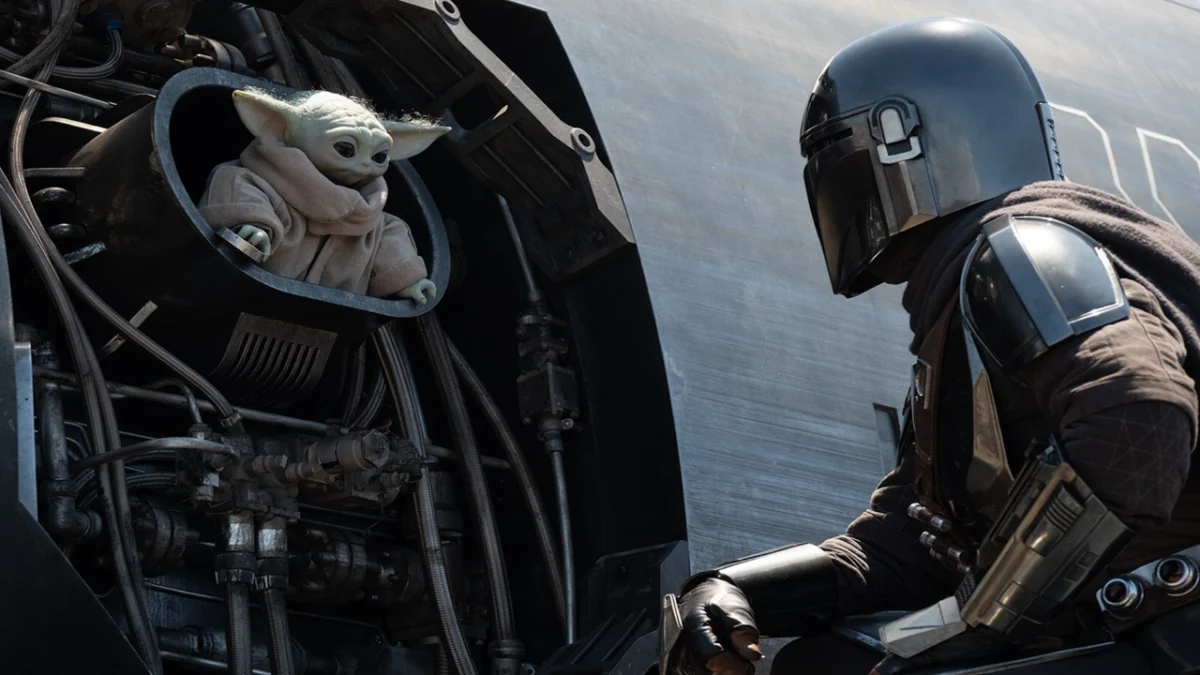
Thomas Wolfe famously declared in his 1940 novel that "You Can’t Go Home Again." Yet, in the modern landscape of high-budget intellectual property, the concept of home is fluid. For Din Djarin and his Force-sensitive ward, Grogu, the "home" has always been the episodic intimacy of Disney+. As of today, September 2, 2026, the $166 million feature film The Mandalorian and Grogu has officially made its transition from the silver screen to the streaming library, marking a significant pivot for the Star Wars franchise as it navigates the volatile waters between theatrical releases and platform-exclusive content.
While Disney initially positioned this project as a tentpole theatrical event designed to test the viability of Star Wars spin-offs on the big screen, the box office returns were—to put it mildly—underwhelming. By bringing the bounty hunter back to the platform where he became a cultural phenomenon, Disney is not just correcting a distribution strategy; it is banking on the "comfort viewing" demographic that made The Mandalorian a global hit during the height of the streaming boom.
Main Facts: A New Chapter in the Mando-Verse
Directed by Jon Favreau and scripted by the dream team of Favreau, Lucasfilm President Dave Filoni, and Noah Floor, The Mandalorian and Grogu serves as a bridge between the serialized television format and cinematic storytelling. The film features the return of Pedro Pascal as the titular masked protagonist, whose stoic presence remains the anchor of the series.
The ensemble cast is bolstered by the addition of legendary actress Sigourney Weaver, who portrays Colonel Ward, a character that adds a layer of gravitas to the film’s political subplots. Furthermore, the vocal talents of Jeremy Allen White have brought a surprising, visceral edge to the character of Rotta—the once-infamous progeny of Jabba the Hutt—providing a bridge to the lore of the original trilogy.
The film picks up in the aftermath of the Empire’s collapse. As the official synopsis notes, the galaxy is in a state of chaotic transition: "The evil Empire has fallen, and Imperial warlords remain scattered throughout the galaxy. As the fledgling New Republic works to protect everything the Rebellion fought for, they have enlisted the help of legendary Mandalorian bounty hunter Din Djarin and his young apprentice Grogu."
Chronology of a Displaced Franchise
To understand why the streaming premiere is such a significant event, one must look at the timeline of the project’s development and release:
- Initial Conception: Following the conclusion of The Mandalorian Season 3, Lucasfilm announced a shift in focus toward a feature-length project to elevate the stakes of the "Mando-verse."
- Theatrical Release: The film hit theaters globally, aiming to capture the post-holiday, early-year box office vacuum. Despite a massive marketing campaign, it struggled to justify its $166 million production budget, leading to questions about the longevity of the franchise’s theatrical draw.
- Home Video Launch: On August 25, 2026, Lucasfilm signaled the transition to home media with a comprehensive 4K Ultra HD and Blu-ray release, including a "Beskar Collector’s Edition" SteelBook that targeted the hardcore collector market.
- Disney+ Integration: September 2, 2026, marks the final phase of this lifecycle, as the film becomes available to the massive subscriber base that has been the primary home for the character since 2019.
Supporting Data: The Economics of the Shift
The decision to pivot to streaming is supported by a shift in consumer behavior. In 2026, theatrical box office numbers have remained inconsistent for mid-tier blockbusters. Data suggests that audiences have become increasingly selective regarding which "event films" justify the cost of a cinema ticket.
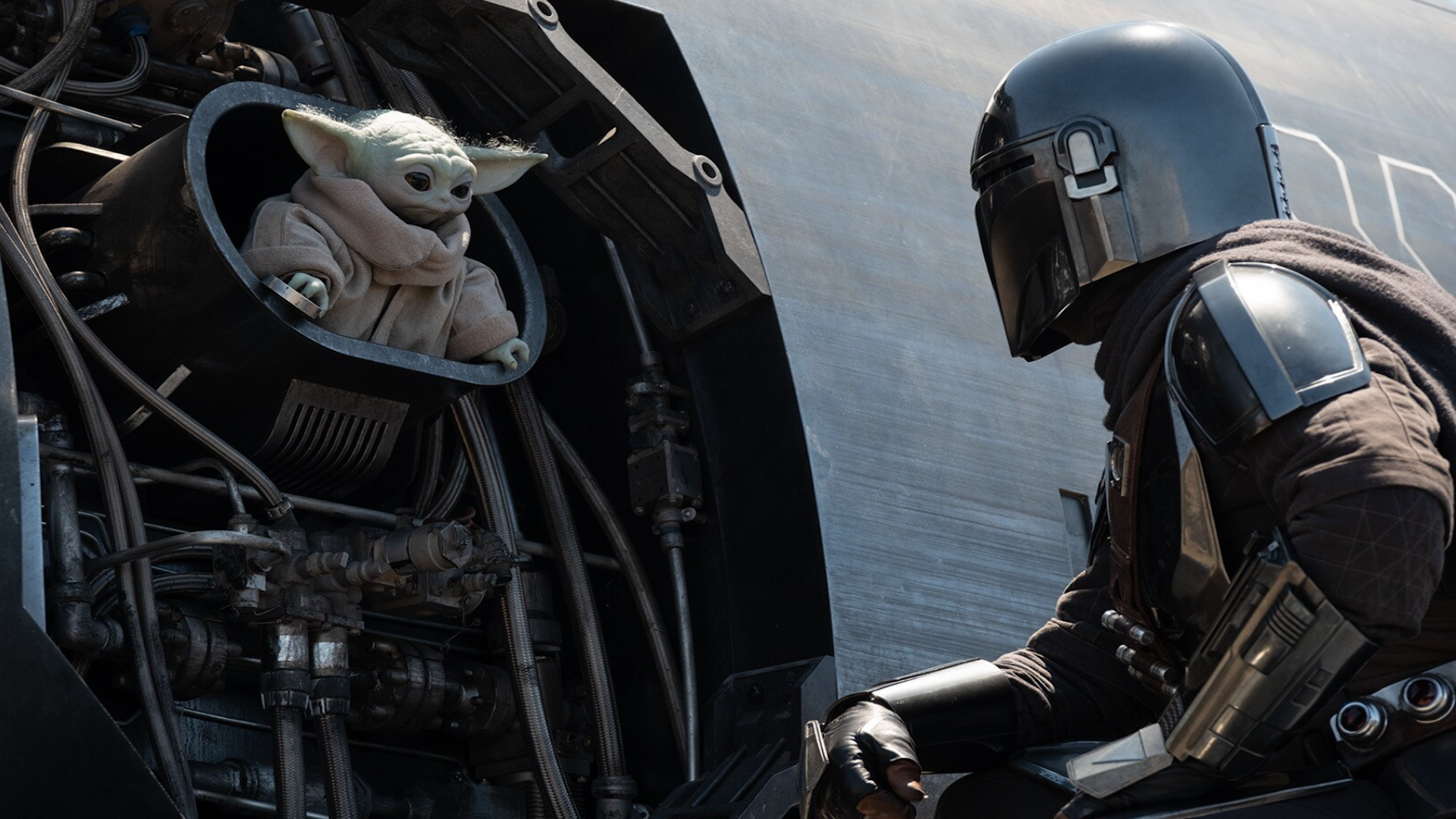
While The Mandalorian and Grogu suffered from "theatrical fatigue," its streaming metrics are projected to be astronomical. Historical data from the previous three seasons of The Mandalorian indicates that the series is one of the most-watched assets in Disney’s history, frequently driving "subscriber acquisition spikes." By moving the film to Disney+, the company is shifting from a model of transactional revenue (selling tickets) to retention-based value (keeping subscribers engaged).
Furthermore, the release of the 4K Blu-ray edition one week prior to the streaming debut served as a strategic "windowing" tactic. By capturing the revenue from physical media collectors first, Disney effectively squeezed the maximum possible profit from the dedicated fanbase before making the film accessible to the general public via their subscription service.
Official Responses and Creative Direction
The production team, led by Jon Favreau, has maintained that the film was always intended to be a labor of love. Favreau has spoken frequently about the "cinematic scale" of the project, noting that while the technology used for the film—much of it refined through the StageCraft volume technology—was pushed to its absolute limit, the heart of the story remains the relationship between the father figure and his charge.
"The story of Din and Grogu is a story about duty and evolution," Favreau remarked in a recent press junket. "Moving to the screen gave us the canvas to paint on a larger scale, but the core of the show has always been about that quiet, small-scale connection between two characters who shouldn’t be together."
Dave Filoni, whose influence on the Star Wars mythos cannot be overstated, emphasized that the inclusion of characters like Rotta the Hutt was a deliberate choice to ground the story in the deep history of the galaxy. "We aren’t just telling a bounty hunter story; we are exploring the vacuum left by the Empire and how that affects the criminal underworld," Filoni noted.
Implications for the Future of Star Wars
The move of The Mandalorian and Grogu to Disney+ has profound implications for the future of the Star Wars brand.
1. The "Theatrical vs. Streaming" Hybrid Model
The underperformance of this film in theaters may signify the end of an era where every Star Wars project is mandated to have a theatrical release. Disney appears to be pivoting toward a "prestige streaming event" model, where films are produced with high budgets but are designated for the home viewing experience to ensure maximum reach and subscriber satisfaction.
2. The Rise of the "Mandoverse"
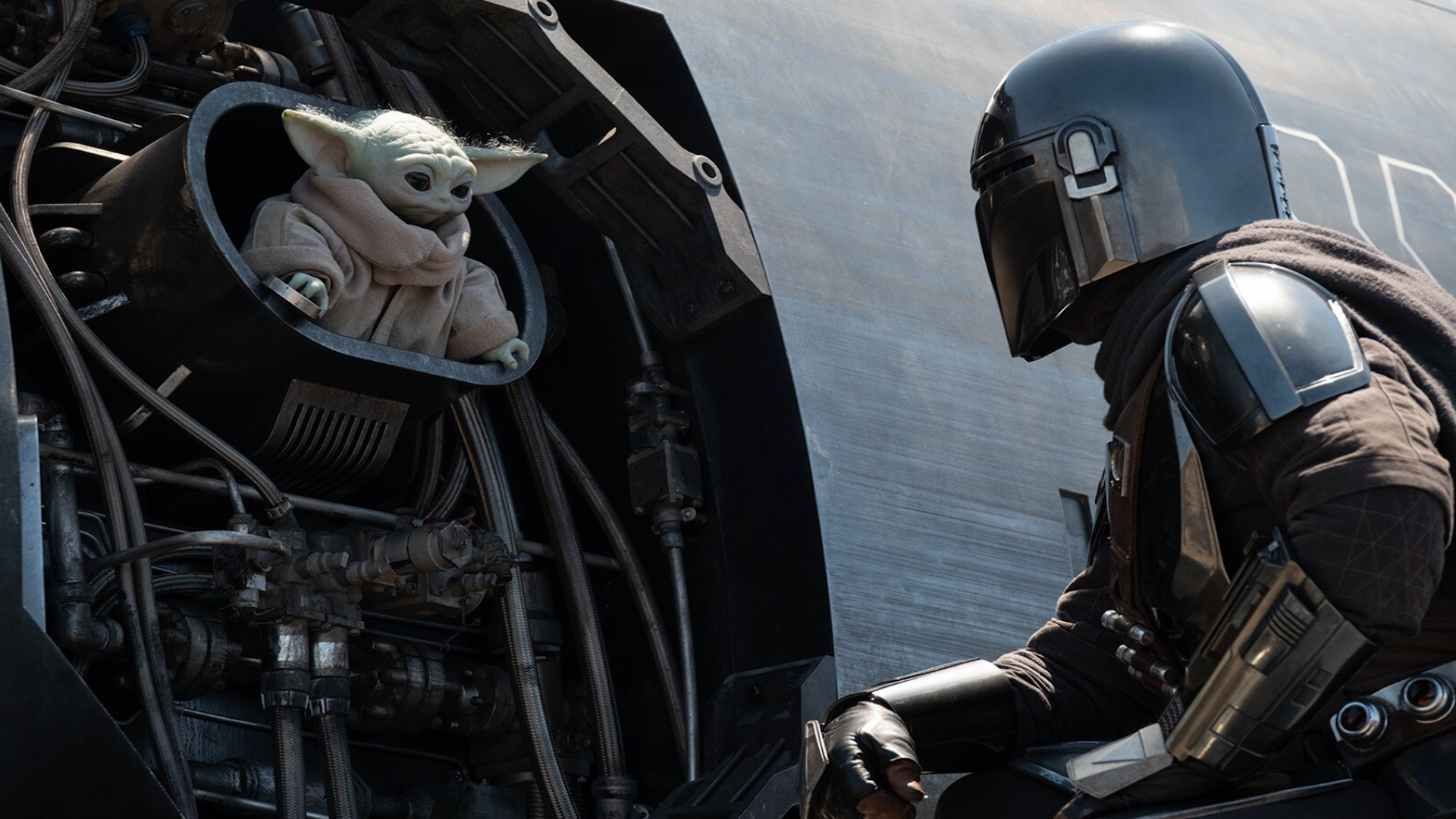
With the film now firmly established in the streaming library, it serves as a keystone for future projects. By finalizing the current arc of Din Djarin and Grogu, Lucasfilm can now move forward with spin-offs that explore other corners of the post-Imperial galaxy, potentially untethering themselves from the current protagonists to explore new genres—perhaps horror, political thriller, or heist-based narratives.
3. The Impact on Consumer Loyalty
The inclusion of exclusive featurettes and audio commentary in the physical release—and the subsequent streaming drop—is a masterclass in audience management. By catering to the fans who want "behind the scenes" depth, and then providing the convenience of streaming for the casual viewer, Disney is attempting to stabilize its relationship with a fanbase that has expressed mixed feelings regarding the direction of the franchise over the last several years.
Conclusion: A Galaxy Reconnected
As Labor Day weekend approaches, the atmosphere in the "galaxy far, far away" is one of tempered optimism. The theatrical run was a lesson in the changing habits of modern audiences, but the shift to Disney+ feels like a return to the roots of the character.
For the average viewer, the arrival of The Mandalorian and Grogu on September 2, 2026, is an opportunity to engage with the franchise on their own terms. Whether one is watching for the high-octane action, the political maneuvering of the New Republic, or simply to see what kind of trouble the young Grogu gets into next, the film’s arrival on streaming ensures that the journey continues.
As we look toward the future of Star Wars, this moment stands as a defining example of the studio’s agility. It is a reminder that in the era of streaming, a story’s success is no longer measured solely by the opening weekend box office, but by its ability to endure, to entertain, and to remain a vital part of the cultural conversation for years to come. The Mandalorian is back home, and for the fans who have followed his path across the stars, that is exactly where he belongs.