For over two decades, the intersection of George Lucas’s sprawling space opera and the Danish interlocking brick system has produced some of the most iconic merchandise in pop culture history. Since the first LEGO Star Wars sets hit shelves in 1999, the partnership has evolved from simple, blocky interpretations of X-wings into highly sophisticated engineering marvels that appeal to both children and serious adult collectors.
As fans continue to seek out the ultimate way to display their fandom, the sheer volume of available kits can be overwhelming. Whether you are looking for a centerpiece for your office or a durable vessel for living-room play, navigating the current market requires an understanding of scale, complexity, and theme.
The Evolution of a Galactic Legacy: A Chronology
The history of LEGO Star Wars is a timeline of innovation. In 1999, LEGO took a monumental leap by acquiring its first-ever licensed property. The initial wave included the X-Wing Fighter (7140) and the Landspeeder (7110). These early sets were rudimentary, relying on basic geometry to suggest the shape of the ships.
- 1999–2002: The "Classic" era focused on The Phantom Menace and the Original Trilogy. Sets were small, affordable, and prioritized playability over screen accuracy.
- 2003–2008: The introduction of the Ultimate Collector Series (UCS) changed the paradigm. Sets like the 2007 Millennium Falcon (10179) proved that there was a massive adult demographic willing to pay a premium for high-piece-count, display-only models.
- 2009–2015: The integration of the Clone Wars animated series expanded the fleet, introducing more colorful, angular designs and diversifying the minifigure collection.
- 2016–Present: We are currently in the "Precision Era." Using advanced building techniques—such as "SNOT" (Studs Not On Top) and complex internal technic framing—modern sets achieve levels of detail that were unimaginable twenty years ago. The Venator-class Star Destroyer and the latest iterations of the Imperial Star Destroyer are prime examples of this shift toward hyper-realism.
Categorizing the Fleet: Playability vs. Display
When selecting a set, collectors generally fall into two camps: the "Swooshable" crowd and the "Shelf-Presence" crowd.
The Play-Friendly Essentials
For younger fans—or those who refuse to let their inner child fully retire—playability is the gold standard. These sets are characterized by durable structural integrity, "hidden" features like firing flick-missiles, and modular interiors.
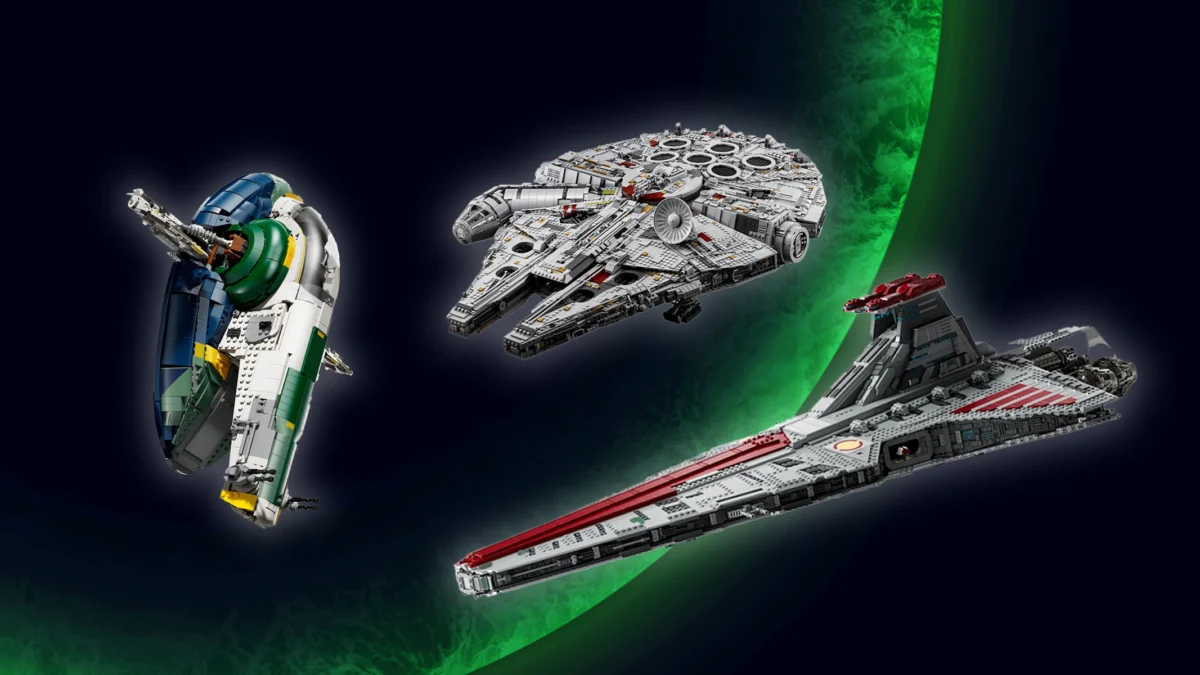
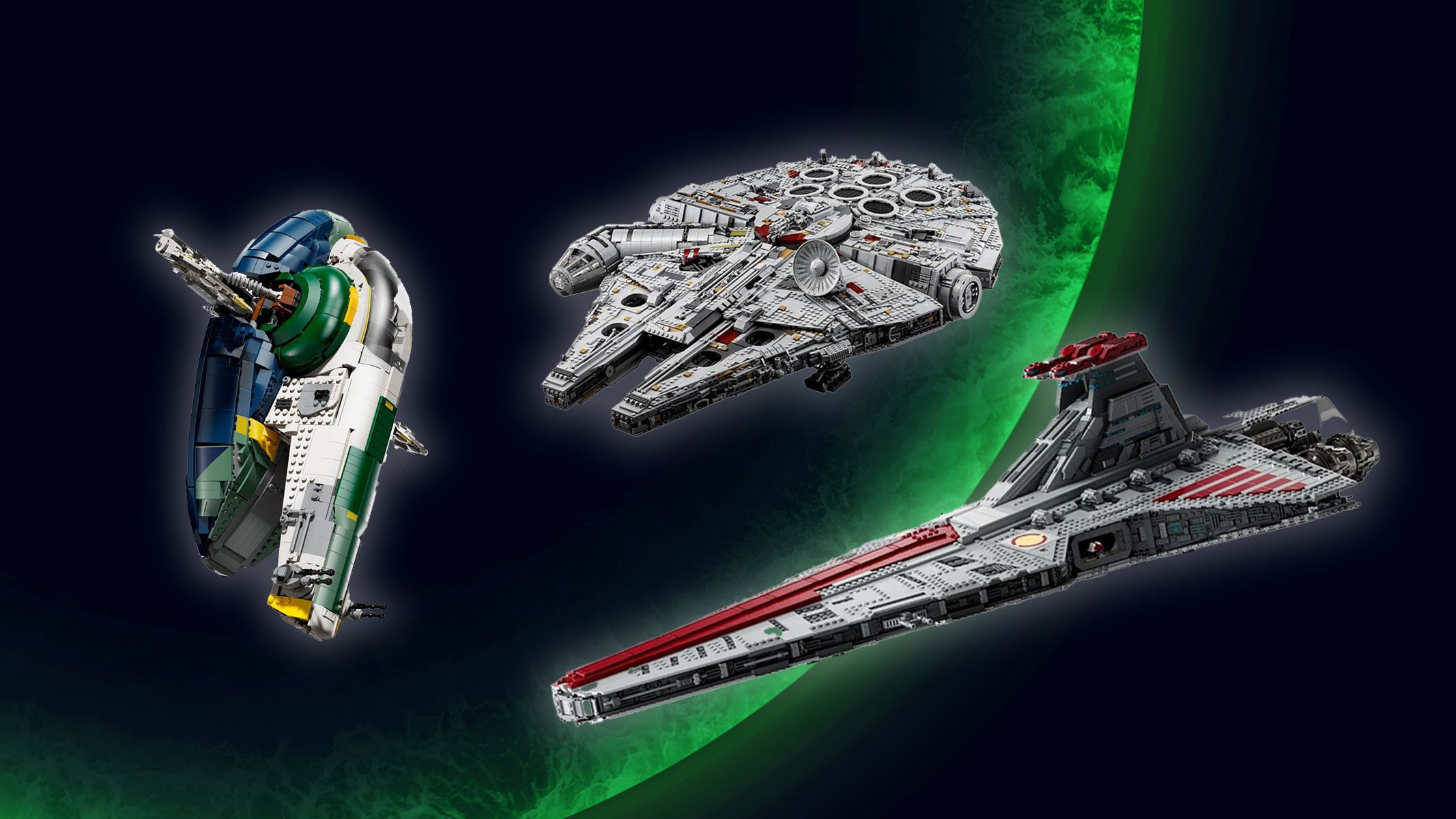
The recent LEGO Star Wars Millennium Falcon is a masterclass in this category. It offers enough detail to satisfy the eye, but the structure is robust enough to be flown through the air without the landing gear falling off. Similarly, the LEGO Star Wars Imperial Star Destroyer set, which features a removable roof, transforms a static display piece into a miniature playset, allowing fans to stage boarding actions with the included minifigures.
The Ultimate Collector Series (UCS)
On the opposite end of the spectrum lies the UCS range. These are not toys; they are architectural feats. The Venator-class Star Destroyer, released as part of the Clone Wars 20th Anniversary, is a behemoth of gray plastic. It is designed to be a "table-hog," demanding center-stage in any room. These sets often incorporate thousands of pieces and are intended to be built once, placed on a stand, and admired from a distance.
Supporting Data: Why LEGO Star Wars Remains King
Market data suggests that LEGO Star Wars remains one of the most stable investments in the toy industry. Unlike other toy lines that depreciate the moment they are opened, certain retired LEGO Star Wars sets have seen their value increase by over 300% on the secondary market.
| Feature | Play-Friendly Sets | UCS / Display Sets |
|---|---|---|
| Piece Count | 300–1,200 | 2,000–7,000+ |
| Primary Goal | Durability & Interaction | Aesthetic Accuracy |
| Storage | Shelves / Toy Boxes | Dedicated Display Cases |
| Target Audience | Children / Casual Fans | AFOL (Adult Fans of LEGO) |
Beyond the financial aspect, the "Star Wars effect" on LEGO’s engineering team is undeniable. Designers often push the limits of what a plastic brick can do to replicate the complex curves of a Naboo Starfighter or the intricate greebling of a Death Star trench. This internal competition to outdo previous designs ensures that each year’s lineup feels like a technical upgrade over the last.
Official Perspectives: The Design Philosophy
In various developer interviews, the LEGO Star Wars design team has noted that their primary challenge is balancing "the silhouette" with "the function."
"When we look at a ship like the X-wing," says a lead designer from the Billund headquarters, "we aren’t just looking at the finished model. We are looking at how a child’s hand grips it, how the wings open when they press the trigger, and how the minifigure sits in the cockpit. The goal is to capture the feeling of the movie scene."
This philosophy explains why some sets appear simplified. The omission of a specific pipe or panel might be a conscious choice to ensure the model remains sturdy. Conversely, the high-end sets are designed with the "Display-First" philosophy, where the structural integrity is sacrificed in favor of intricate exterior detail that mimics the original industrial design of the ILM (Industrial Light & Magic) studio models used in the films.
The Implications of Collecting
Collecting LEGO Star Wars is more than just a hobby; it is a way of curating one’s personal space with the history of cinema. However, prospective buyers should be aware of the "shelf space tax." As sets grow in size and complexity, the physical footprint required to display them becomes a significant factor.
Furthermore, the secondary market can be a volatile place. For those looking to invest, the advice from seasoned collectors is consistent: buy the sets you love first, and the sets you think will appreciate second. The joy of building a masterpiece—the rhythmic clicking of bricks, the meditative focus required to follow a 500-page manual—is the true value proposition.
Conclusion: Starting Your Own Fleet
Whether you are starting with a palm-sized Darth Vader’s TIE Fighter or saving up for the massive Venator-class Star Destroyer, the LEGO Star Wars universe offers a gateway into a galaxy of creativity.
If you are a beginner, look for the "mid-scale" sets that offer the best balance of price, build time, and display potential. If you are a veteran, the latest UCS releases represent the pinnacle of what is possible with ABS plastic. Regardless of your experience level, the most important aspect of the hobby remains the same: the satisfaction of seeing a pile of loose bricks transform into an iconic vessel that has defined the dreams of generations.
So, clear your table, open the bags, and start building the largest fleet the galaxy has ever known. Your journey to the stars begins with a single brick.