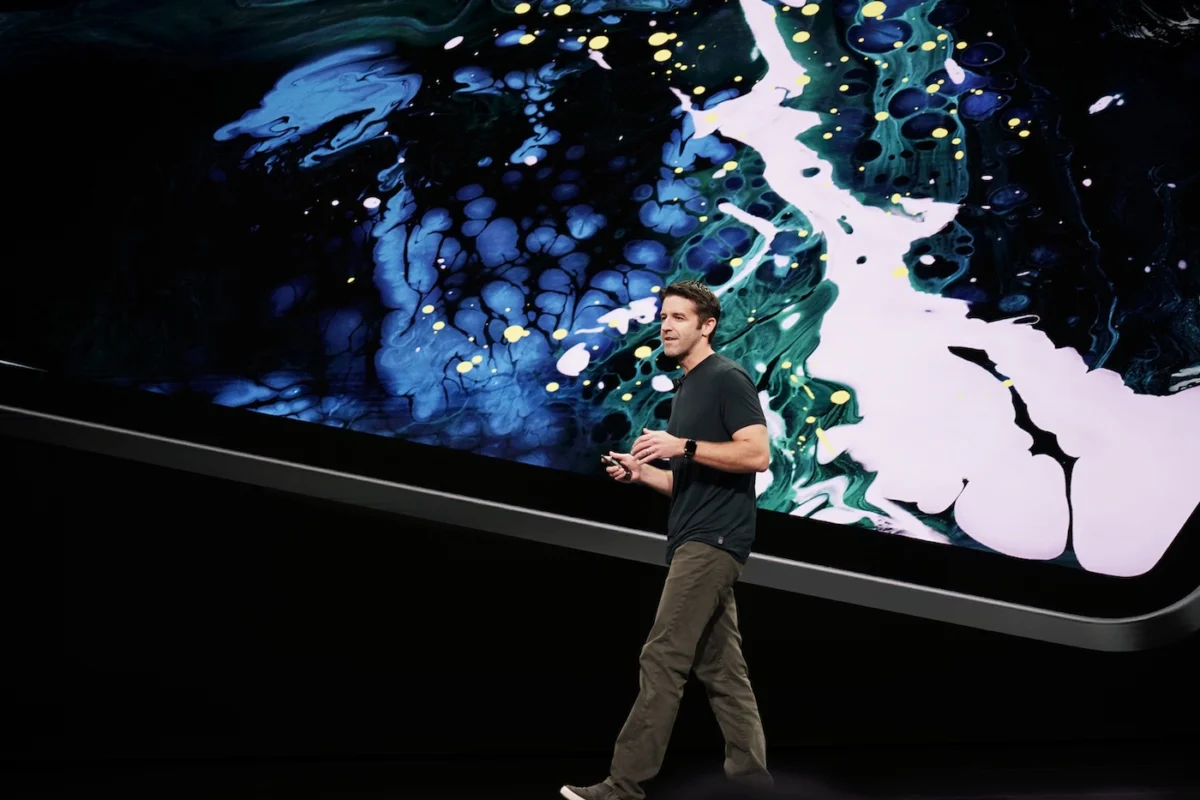
The atmosphere at Apple Park is shifting. As the industry turns its gaze toward the September 9 keynote, the focus is not merely on the hardware being unveiled, but on the man standing at the center of the stage. For the first time in over a decade, the world will see a new leader at the helm of the most valuable company in history. John Ternus, the newly appointed CEO, faces the monumental task of steering a tech giant through a landscape of hyper-competitive innovation, geopolitical pressure, and the existential transition into the era of artificial intelligence.
The Turning Point: A New Leadership Paradigm
The September 9 event represents far more than a typical product launch cycle; it is a symbolic passing of the torch. After months of feverish speculation, the industry is poised to see the introduction of Apple’s first-ever folding smartphone. This long-awaited hardware shift signals that Apple is ready to challenge the dominance of rivals in the foldable market. However, the true significance lies in the executive transition.
John Ternus, who has served as the leader of Apple’s hardware division for the past five years, now assumes the mantle of CEO. His ascension marks a return to a "product-first" leadership philosophy. With a tenure at Apple dating back to 2001, Ternus is an industry veteran who spent eight years directing hardware engineering. He is described by colleagues as a highly competent, modest, and deeply focused executive. His leadership style, often compared to the precision required for his hobby—competitive race car driving—suggests a leader who thrives under pressure and maintains a rigorous commitment to design integrity.
Chronology: From Jobs to Cook to Ternus
To understand the weight of the moment, one must look at the trajectory of Apple’s leadership:
- 2001: John Ternus joins Apple, beginning a long climb through the engineering ranks.
- 2011: Tim Cook assumes the role of CEO following the passing of Steve Jobs. Under Cook’s guidance, Apple’s stock price soared from a split-adjusted $13.74 to over $319, and the company transformed into a services-led titan.
- 2019-2024: Ternus leads the hardware division, overseeing the critical transition to Apple Silicon and the development of high-performance Macs.
- September 9, 2026: Ternus delivers his first keynote as CEO, debuting the foldable iPhone and setting the roadmap for the company’s 20th-anniversary iPhone cycle.
This sequence highlights the evolution of the firm. While Cook excelled at scaling the business and diversifying revenue through services like the Apple Watch, AirPods, and Vision Pro, Ternus is being positioned to double down on hardware innovation, effectively bridging the gap between Apple’s storied past and its robotic, AI-integrated future.
Supporting Data: The Economic and Structural Landscape
The metrics of Apple’s success under Tim Cook are staggering. By diversifying revenue streams—moving away from a pure hardware-sales model to one heavily bolstered by services—Cook ensured financial stability that few companies can match.
However, the structural changes under Ternus are already underway. In a strategic move to solidify his inner circle, Ternus has begun building a hardware-focused leadership team, notably bringing back former vice president of hardware engineering, Laura Legros. This indicates a deliberate pivot toward internal expertise and a culture that prioritizes engineering excellence over bureaucratic growth.
The financial stakes are equally high. Investors are looking for more than just a folding phone; they are looking for the next "platform" that can replicate the success of the iPhone. With the 20th anniversary of the iPhone fast approaching, the pressure to produce a device that defines the next two decades of personal computing is immense.
Official Responses and Internal Vision
In his inaugural memo to the Apple team, Ternus struck a tone of cautious optimism combined with a clear directive for the future. "I’m just as excited about what lies beyond that," Ternus wrote, referencing both current projects and the "products we haven’t even imagined yet."
This sentiment is echoed in the organizational shifts within Cupertino. While this year’s keynote will undoubtedly showcase projects that were initiated during the final years of Cook’s tenure, the strategic direction moving forward is distinctively "Ternus-led." He has signaled a desire to harmonize the company’s traditional hardware strengths with new, emerging markets, including the enterprise sector—an area where many analysts believe Apple has been historically underserved.
Implications: The Road Ahead
The challenges facing Ternus are multifaceted. He must manage the high expectations of shareholders while navigating the complex realities of modern technology.
The Smart Home and Robotics Frontier
A critical pillar of the "Ternus Era" will likely be the smart home. Sources suggest that Apple is preparing a multi-pronged entry into this space, involving domestic robotics and advanced home security services. By leveraging its existing ecosystem, Apple aims to turn the home into a unified, secure platform—a move that would extend the "Apple experience" far beyond the screen of a phone or laptop.
The AI Imperative
Perhaps the most daunting challenge for the new CEO is the "AI problem." Apple faces a delicate balance: it must implement AI capabilities that are powerful enough to remain competitive with the likes of Google and OpenAI, yet secure enough to maintain its brand promise of privacy. Ternus is expected to continue the company’s rigorous stance on security, treating privacy not as an obstacle to AI, but as a competitive advantage that fosters user trust.
The Enterprise Gap
There is a growing consensus that Apple has been too quiet regarding its potential in the enterprise space. While the company dominates the consumer market, it has yet to fully capture the potential of business-grade hardware integration. Under Ternus, analysts expect a more aggressive push into enterprise solutions, potentially utilizing his background in hardware engineering to create devices that are uniquely optimized for corporate environments.
Conclusion: A Moment of Transition
As the clock ticks toward the September 9 keynote, the global tech community is not just waiting to see a new folding iPhone; they are waiting to see if John Ternus can translate his reputation for speed and precision into the broader, more complex arena of consumer technology leadership.
The transition from Tim Cook to John Ternus is not merely a change of names on an organizational chart; it is a shift in the corporate DNA. While the products unveiled tomorrow are the result of years of collaborative effort, they serve as the opening act for the Ternus era. Whether Apple will continue its trajectory as the world’s most valuable company depends on its ability to dream up the things that, as Ternus noted, "we haven’t even imagined yet."
As the keynote begins with the classic, simple greeting of "Hello," the world will be watching to see if the "one more thing" that concludes the show hints at a future as bold as the legacy left behind. The era of John Ternus has officially begun, and in the high-speed world of Silicon Valley, the race is already underway.