By Technology Correspondent
In a landmark move that promises to redefine the architecture of global satellite communications, Kongsberg Satellite Services (KSAT) has officially initiated its “Hyperion” demonstration campaign. This ambitious project serves as the operational proving ground for the company’s next-generation hybrid radio frequency (RF) and optical relay network, known as "Hyper." By effectively taking the ground station to space, KSAT aims to solve the persistent bottleneck of data latency, creating a seamless, high-speed relay infrastructure that integrates seamlessly with existing ground-based systems.
Main Facts: The Vision of “Orbiting Ground Stations”
The core philosophy behind the Hyper program is simple yet revolutionary: to transform how satellite data is delivered to Earth. Rather than relying solely on legacy ground-based antennas, which are often geographically constrained and susceptible to atmospheric interference, the Hyper network utilizes a constellation of satellites acting as "orbiting ground stations."
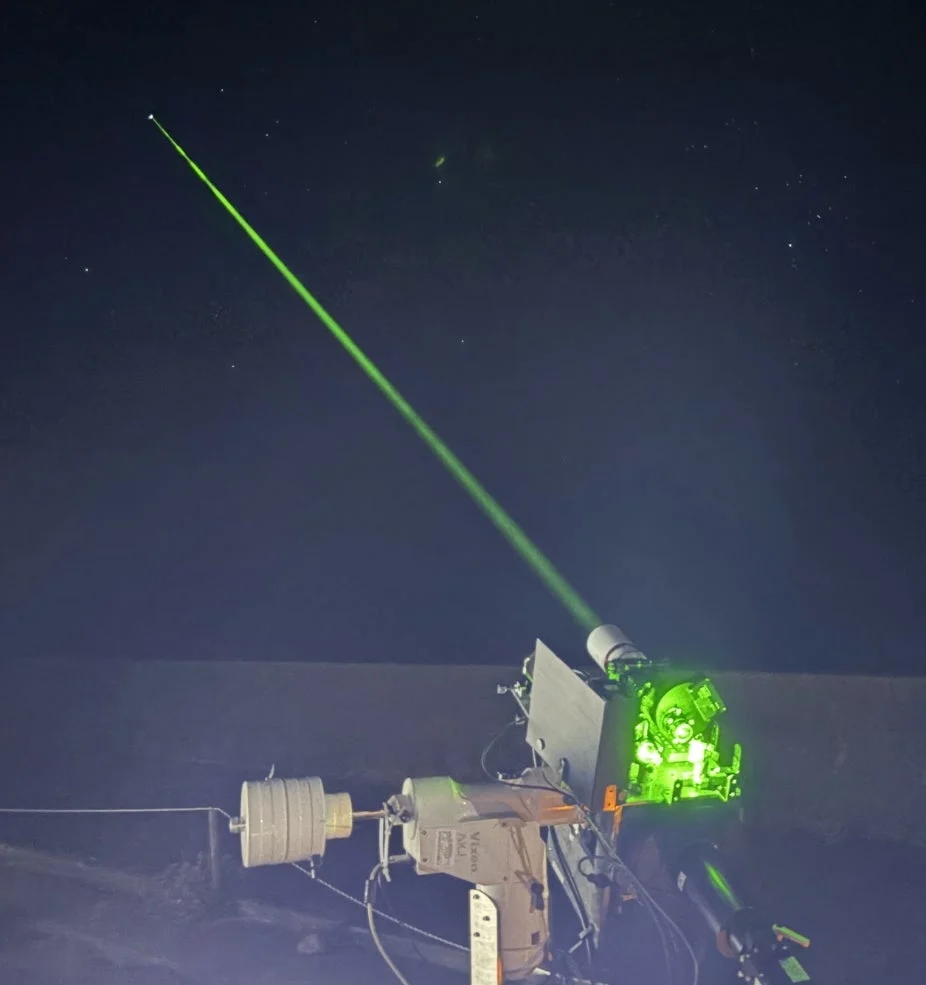
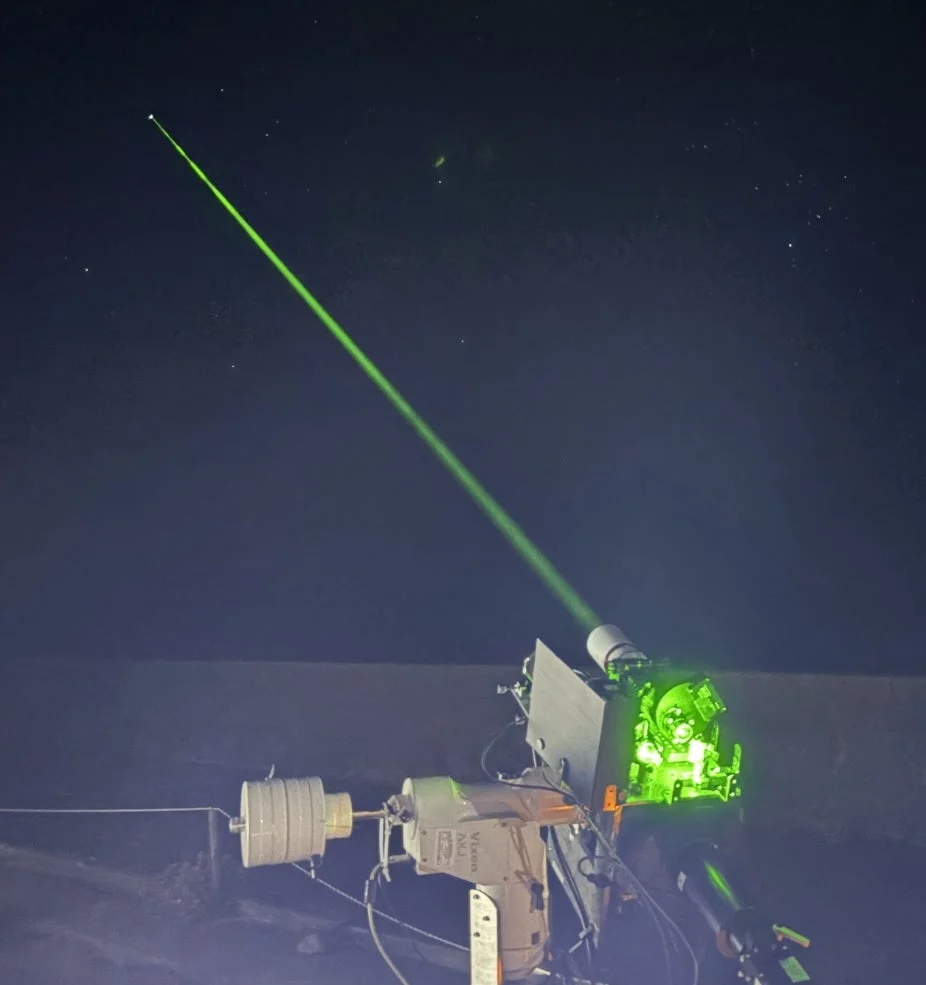
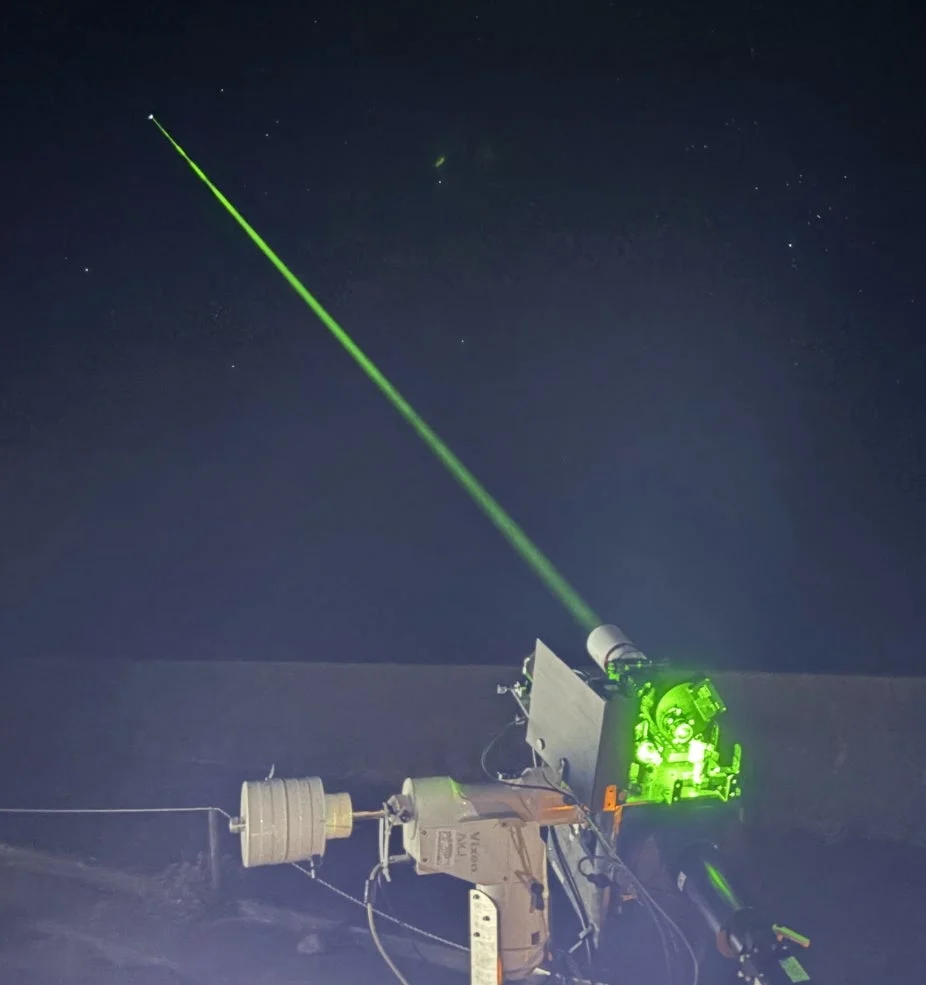
These satellites are equipped with a sophisticated hybrid payload that combines traditional Radio Frequency (RF) capabilities—specifically S-band for telemetry, tracking, and command (TT&C) and Ka-band for high-throughput payload data—with state-of-the-art optical laser communication terminals. This dual-path approach ensures maximum reliability and flexibility for customers, whether they are operating in Low Earth Orbit (LEO) or beyond.
The Hyperion campaign is the critical bridge between the development of this hardware and its full-scale commercial deployment. During this phase, KSAT is inviting key stakeholders to test the network’s capabilities, ensuring that the system meets the rigorous operational demands of institutional and commercial satellite operators before it officially goes live.
Chronology of the Hyper Program
The road to the Hyperion campaign has been a methodical progression of engineering and strategic partnerships:
- Late 2024: KSAT unveils its initial roadmap for the Hyper constellation, proposing a paradigm shift in ground segment architecture. The concept gains immediate traction for its promise of "zero hardware changes" for existing KSATlite customers.
- August 2025 (Mid-Month): KSAT formally announces the expansion of its terrestrial ground network capabilities into the orbital domain, detailing the integration of optical terminals from industry leaders.
- August 2025 (Late Month): The official launch of the Hyperion demonstration campaign is announced, marking the transition from R&D to operational validation.
- Q4 2025 and Beyond: The timeline for the Hyperion campaign is set to run throughout the coming months, with data gathered during these sessions serving as the final validation for the full-scale commercial rollout of the Hyper network.
Supporting Data: The Power of Hybrid Communications
The technical architecture of the Hyper constellation is designed to maximize the strengths of both optical and RF communications. While RF systems have been the backbone of satellite communications for decades, they are currently reaching the limits of available spectrum and data throughput speeds. Optical laser communications offer a solution to these bandwidth constraints, providing significantly higher data rates and improved security.
The Role of Strategic Partners
KSAT has bolstered the Hyper program by integrating hardware from high-profile technology providers:
- Rocket Lab: Following its acquisition of Mynaric’s laser communications assets, Rocket Lab has become a vital contributor to the Hyper constellation, providing the precision terminals necessary for high-speed optical links.
- Sony Space Communications Corp. (SSCC): Sony’s expertise in optical communications hardware further enhances the robustness of the Hyper constellation, ensuring that the relay network can handle the massive data volumes generated by modern Earth observation and imaging satellites.
Institutional Participation
The inclusion of high-profile institutional partners underscores the importance of the Hyperion campaign:
- NOAA: The National Oceanic and Atmospheric Administration is leveraging the campaign to test how Hyper could enhance the rapid delivery of critical meteorological and climate data.
- European Space Agency (ESA): Through the European Resilience from Space (ERS) program, the ESA is testing the infrastructure to ensure it meets the future connectivity needs of European sovereign space assets.
Official Responses and Strategic Outlook
The launch of the Hyperion campaign has been met with enthusiasm from within the company and across the broader aerospace industry. For KSAT, this is not merely a test of hardware; it is a test of a new service model.
"Hyperion is about proving operational services, not just technology," stated Edvard Foss, Vice President of the Hyper program at KSAT. "By bringing together customers, technology providers and institutional partners, we’re demonstrating the hybrid RF and optical capabilities that will underpin the future Hyper network. These campaigns validate real operational use cases while laying the foundation for Europe’s next-generation commercial satellite relay infrastructure."
Foss emphasizes that the primary goal is "operational readiness." Unlike traditional technology demonstrations that focus on raw speed or signal strength in a vacuum, the Hyperion campaign tests how the system interacts with actual mission control centers, how it handles data handovers, and how it integrates with the existing KSATlite ground network ecosystem.
Implications for the Future of Satellite Connectivity
The success of the Hyper network carries significant implications for the global satellite industry.
Eliminating the "Ground Station Gap"
For many operators, the greatest challenge in LEO missions is the limited time a satellite is in view of a ground station. This necessitates the use of large, expensive, and often globally distributed antenna networks. By utilizing a relay network in orbit, KSAT provides operators with "always-on" or "near-always-on" connectivity. This shift reduces the need for massive capital investment in ground infrastructure and allows operators to focus on their primary mission data.
Enhancing Data Latency
In industries such as disaster management, maritime tracking, and real-time intelligence, the time between data collection and data delivery is critical. By enabling optical relay, Hyper reduces the "bent-pipe" latency associated with traditional ground-to-satellite transmissions. This will allow for faster decision-making for those managing the satellite constellations and those consuming the data.
A Unified Ecosystem
One of the most attractive features of the Hyper network is its compatibility. KSAT has designed the system to be fully compatible with its existing KSATlite services. This means that current users do not need to replace their existing onboard hardware or overhaul their ground software to benefit from the new relay network. This low barrier to entry is expected to accelerate adoption among small-to-medium-sized satellite operators who might otherwise be priced out of advanced relay technologies.
The Sovereignty and Resilience Factor
The partnership with the European Space Agency’s ERS program highlights the increasing focus on "resilience from space." As geopolitical tensions rise, the ability to maintain secure, high-speed, and reliable communications channels is paramount. By building a commercial network that can support institutional needs, KSAT is effectively creating a robust data backbone that serves both public and private interests.
Conclusion
As the Hyperion demonstration campaign gets underway, the space industry will be watching closely. KSAT’s transition from a terrestrial ground station provider to a space-based relay operator represents a significant evolution in the global space architecture. If the Hyperion campaign successfully validates the operational viability of these "orbiting ground stations," the result will be a more connected, more efficient, and more responsive orbital environment.
The integration of Rocket Lab’s optical technology and Sony’s advanced communication terminals, paired with the logistical and operational expertise of the KSAT team, suggests that the Hyper network is well-positioned to become a foundational component of the next decade of space exploration and observation. As the demonstration moves through its planned phases, it will likely serve as a blueprint for how commercial infrastructure can support the increasing density and complexity of satellite traffic in Low Earth Orbit.
The Hyperion campaign is not just a test—it is a clear signal that the future of satellite communication is no longer bound to the Earth’s surface. It is, quite literally, moving into the stars.