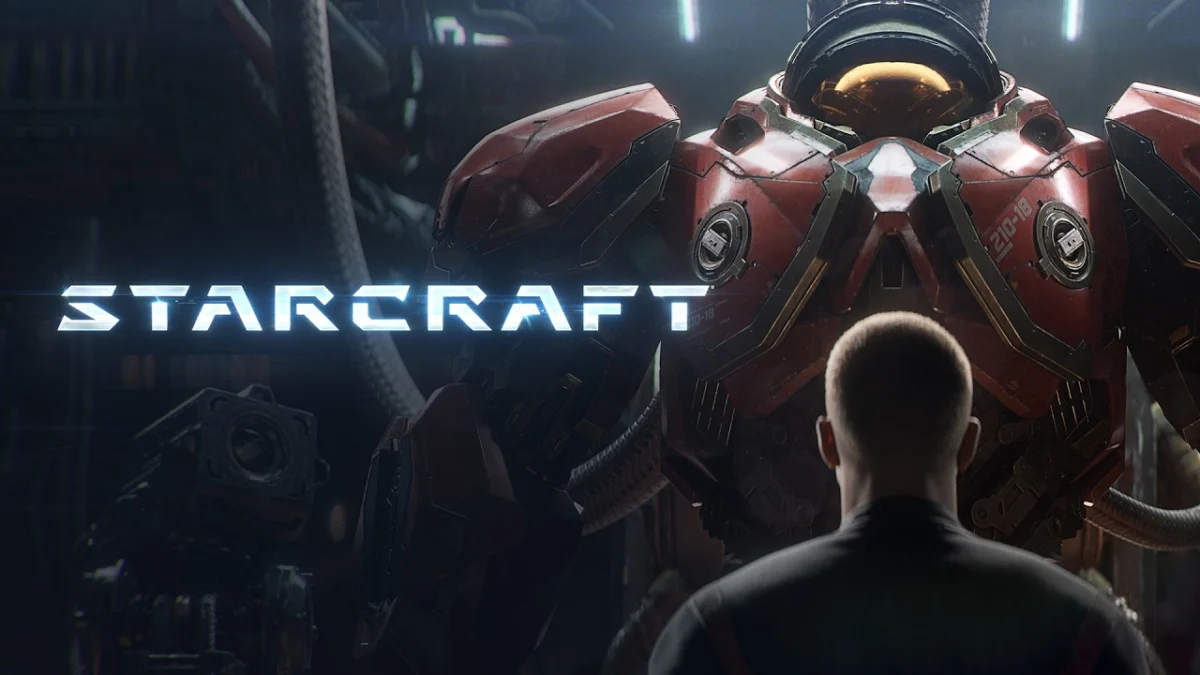
The hallowed halls of BlizzCon 2026 became the epicenter of the gaming world this past weekend, playing host to a flurry of major announcements that promise to reshape the future of Blizzard Entertainment. While the reveal of Diablo 5 and a long-awaited expansion for Warcraft 3 drew thunderous applause, the true tectonic shift occurred during the closing ceremony. After nearly two decades of dormancy, the StarCraft franchise is officially returning. However, the announcement shattered industry expectations: the iconic sci-fi titan is trading its top-down real-time strategy (RTS) roots for an immersive, narrative-driven, third-person open-world shooter.
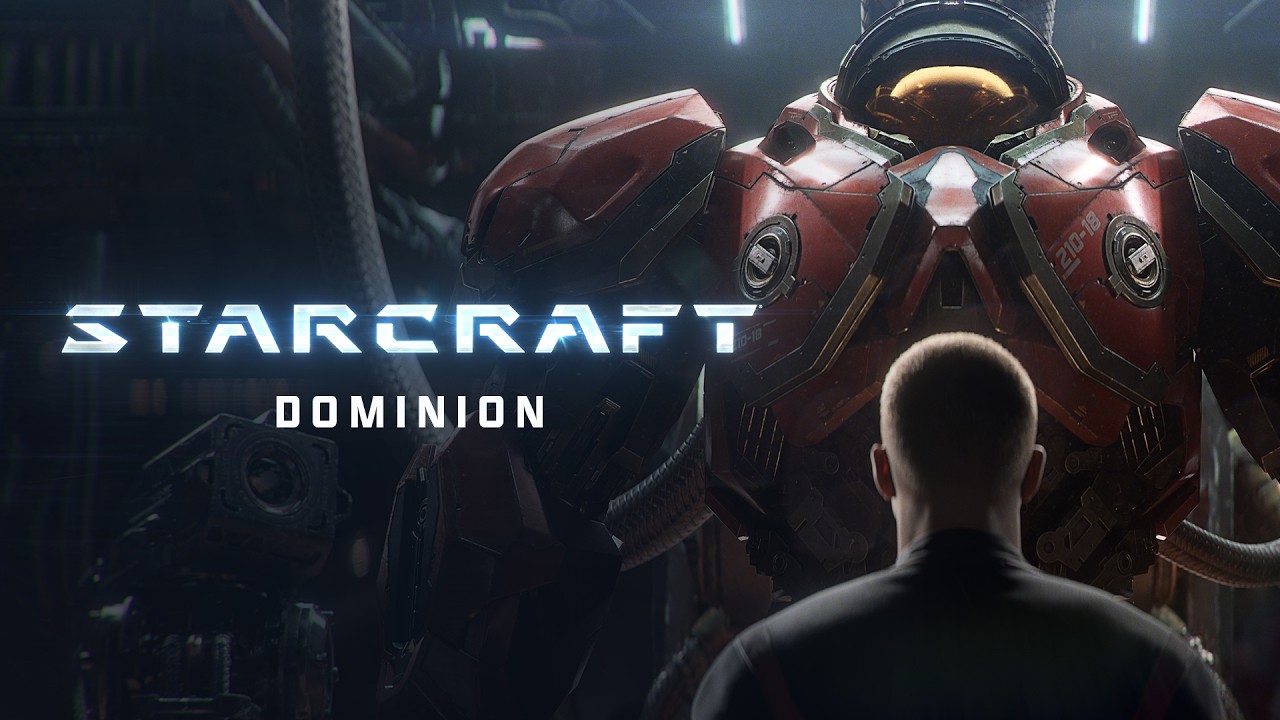
The project, currently dubbed Dominion (a working title), is slated for a 2030 release. By the time it hits shelves, it will have been 16 years since the conclusion of the StarCraft II trilogy. For a generation of gamers who grew up micromanaging Zealots and Zergling rushes, this represents a radical, albeit intriguing, evolution of one of science fiction’s most storied universes.
Main Facts: A Paradigm Shift for the Koprulu Sector
The transition from a macro-management RTS to a micro-focused, third-person action title is a bold gamble by Blizzard. Creative Director Dan Hay, whose pedigree includes steering the Far Cry series, has emphasized that Dominion is designed to be a definitive, narrative-driven experience.
Crucially, Blizzard has made a point to address current industry anxieties: Dominion is being developed as a complete, self-contained single-player journey. The developers have explicitly stated that the game will eschew seasonal passes, live-service monetization models, and the "always-online" grind that has defined much of the modern AAA landscape.
The game takes place roughly 70 years after the conclusion of StarCraft II: Legacy of the Void. This time jump allows the team to refresh the status quo of the Koprulu Sector, moving past the established lore of Kerrigan, Raynor, and Artanis, and focusing instead on the harrowing reality of life—and death—on the front lines of a galaxy plagued by the Zerg.
A Chronology of the StarCraft Franchise
To understand the weight of this announcement, one must look at the timeline of the StarCraft saga, which has remained largely stagnant since 2014:
- 1998: The original StarCraft and its expansion, Brood War, launch, establishing the "Holy Trinity" of RTS games alongside Age of Empires and Command & Conquer.
- 2010: StarCraft II: Wings of Liberty arrives, modernizing the RTS genre and solidifying StarCraft as the undisputed king of the global esports scene.
- 2013-2015: The Heart of the Swarm and Legacy of the Void expansions conclude the primary narrative arc, providing a definitive end to the overarching story of the Xel’Naga and the corruption of the Protoss.
- 2016-2025: A period of "maintenance mode." While StarCraft II remained a popular competitive title, narrative content ceased, and various internal projects at Blizzard—including a reported "StarCraft Ghost" reboot—were shuttered or canceled.
- 2026: Blizzard officially confirms the development of a new, third-person narrative shooter set in the StarCraft universe.
- 2030 (Projected): The release of the untitled StarCraft project.
Supporting Data: Why Third-Person?
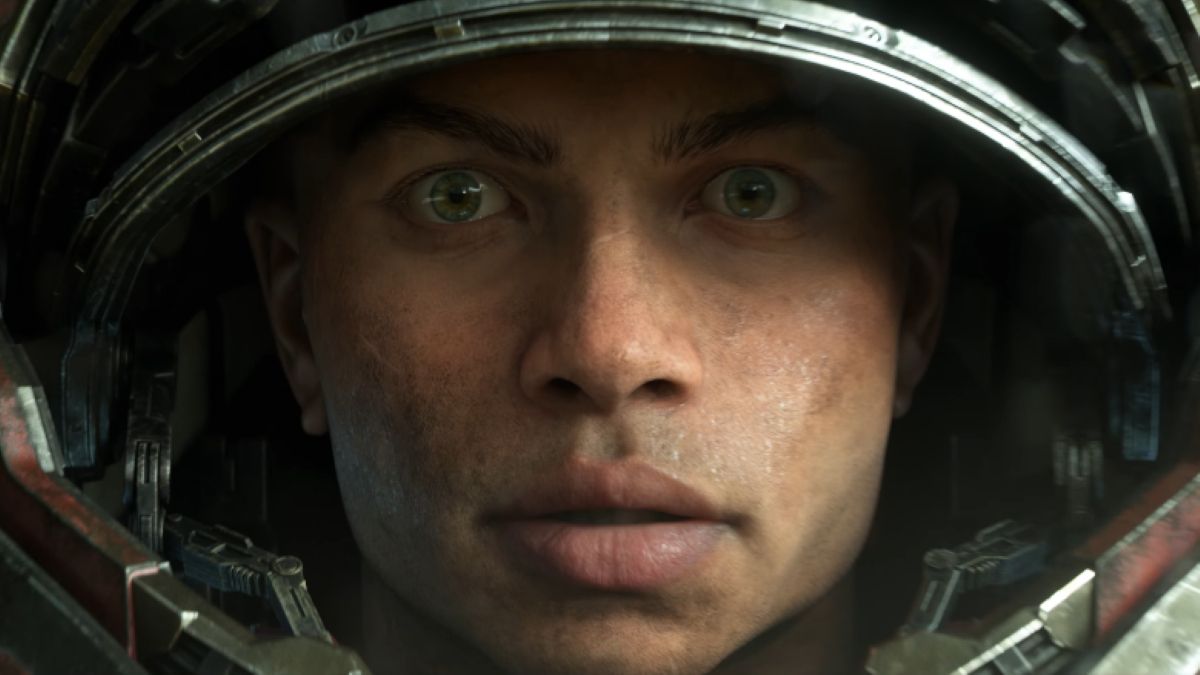
The choice to utilize a third-person perspective is a strategic one. In the reveal trailer, the focus is squarely on the visceral, boots-on-the-ground experience of a Marine. By pulling the camera behind the character, the game allows players to witness the terrifying scale of the Zerg menace from a human level.
Data from recent successful action titles suggests that players are hungry for "grounded" sci-fi experiences. The massive success of Warhammer 40K: Space Marine 2 proved that there is a significant market for games that prioritize cinematic, high-fidelity combat within established sci-fi IPs. While Space Marine 2 focused on linear, mission-based progression, Blizzard’s pivot to an open-world environment suggests a desire to provide a more expansive, exploration-based narrative.
The visual fidelity of the trailer—showcasing the iconic CMC Power Armor in stunning, weathered detail—suggests that Blizzard is leaning into the gritty, industrial aesthetic that made the original 1998 title so memorable. The armor is not just a suit; it is a claustrophobic cage in a universe where the environment is constantly trying to consume you.
Official Responses and Creative Vision
During the BlizzCon press panel, Dan Hay spoke candidly about the challenge of translating the StarCraft experience. "We wanted to capture the feeling of the original game," Hay stated. "In the RTS, you are the commander, the god-like entity moving armies. In Dominion, you are the meat in the grinder. You are one of millions of soldiers, and the Zerg are not just units on a map—they are a terrifying, biological nightmare that you can feel breathing down your neck."
Blizzard leadership has been adamant that this game is not a "reimagining" of the RTS mechanics, but a new way to explore the StarCraft lore. When asked about the potential for multiplayer components, the developers were coy, suggesting that while the focus is single-player, the "DNA of StarCraft inherently involves conflict," leaving the door open for potential cooperative modes without committing to the traditional competitive multiplayer structure.
Furthermore, the team emphasized that the "narrative-driven" nature of the project means that the story will have a hard ending. They want to avoid the "infinite story" trap that many live-service games fall into, promising a cinematic arc that respects the player’s time and provides a satisfying conclusion to this new chapter.
Implications: The Future of Blizzard and the RTS Genre
The announcement of a StarCraft shooter carries significant implications for the future of both the developer and the genre.
1. The Death (and Rebirth) of the RTS?
By opting for a shooter, Blizzard is acknowledging a harsh reality: the high-intensity, micro-heavy RTS genre is no longer the mainstream juggernaut it was in the late 90s. While titles like Stormgate and Age of Empires IV continue to serve a dedicated fanbase, the mass market has gravitated toward shooters and RPGs. This move signals that Blizzard believes the StarCraft intellectual property is more valuable than the StarCraft gameplay formula.
2. A Return to "Classic" Blizzard Quality
The explicit rejection of live-service elements is perhaps the most important takeaway from the announcement. In an era where Blizzard has been criticized for aggressive monetization in titles like Diablo Immortal and Overwatch 2, promising a single-player, narrative-focused title is a calculated attempt to restore player trust. It signals a shift toward the "Quality First" philosophy that once made the company the industry standard.
3. Expanding the Universe
For years, the StarCraft lore felt trapped by its own success. By moving 70 years into the future, Blizzard has freed itself from the burden of existing plot threads. They no longer have to worry about the legacy of Kerrigan or the specific political machinations of the UED. They can explore the StarCraft universe as a setting, rather than a specific set of characters, opening the door for new stories, new threats, and perhaps even a return to the roots of what makes the Zerg, Protoss, and Terrans so compelling.
Final Thoughts: A Long Wait Ahead
The 2030 release date is a double-edged sword. On one hand, it provides the development team with ample time to refine the mechanics, iterate on the open-world design, and ensure the game feels "finished" upon release—a rarity in today’s market. On the other hand, it is an agonizing wait for a fanbase that has been starving for content for over a decade.
As we look toward the horizon, the question remains: Can a StarCraft game exist without the strategic depth of the RTS genre? If the initial response to the Dominion trailer is any indication, the answer is a resounding "yes." Fans aren’t just attached to the gameplay; they are attached to the world—the sound of a Siege Tank firing, the screech of a Hydralisk, and the lonely, desperate hope of humanity in a galaxy that wants them gone. If Blizzard can capture that atmosphere in a third-person, narrative-driven package, 2030 might just mark the beginning of a new golden age for the franchise.
For now, the marines are loading their rifles, the Zerg are encroaching on the perimeter, and the gaming world is watching closely, waiting to see if this pivot can live up to the immense legacy of the name StarCraft.