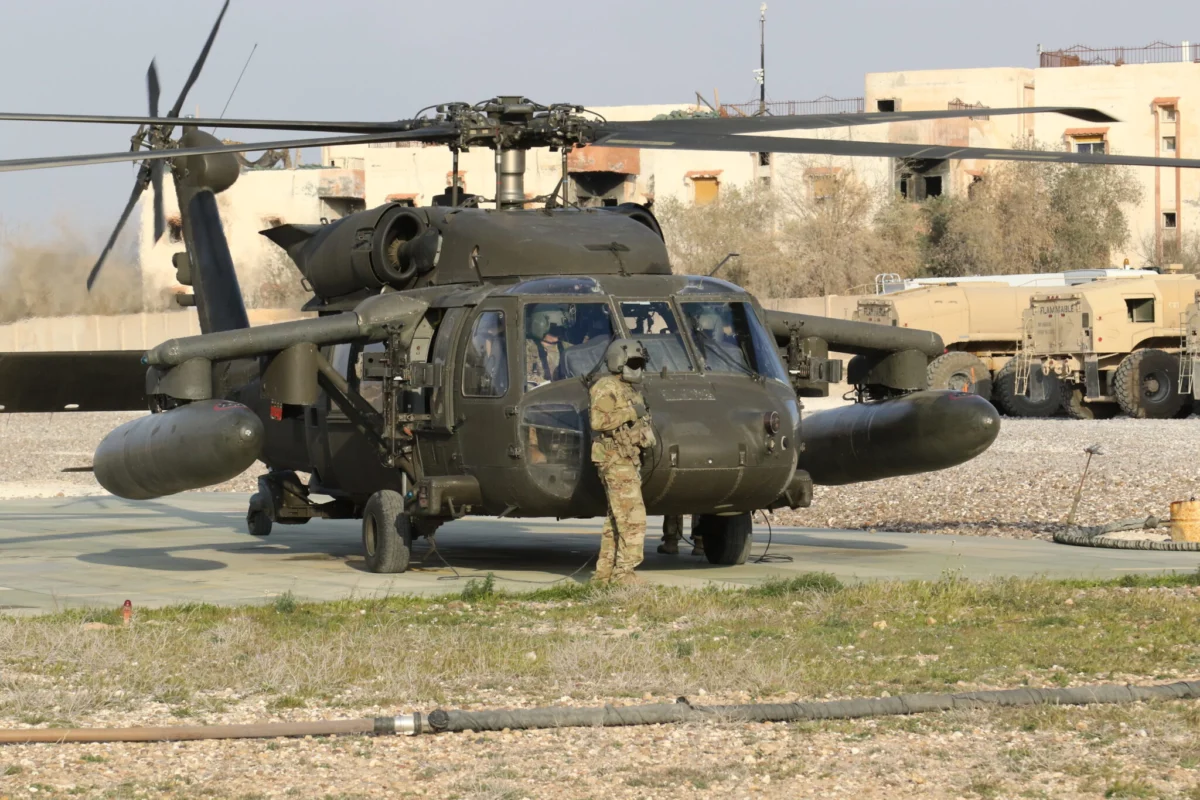
WASHINGTON — In a strategic move to ensure the continuity of one of the world’s most iconic military aviation platforms, the U.S. Army has awarded Lockheed Martin’s subsidiary, Sikorsky, a $234 million Undefinitized Contract Action (UCA) for the procurement of an initial 16 UH-60M Black Hawk helicopters.
This latest infusion of funding brings the total value of the current arrangement to $356 million. While the figures appear modest compared to historical multiyear procurement deals, the agreement serves a critical purpose: it preserves the industrial base for the UH-60 platform while the Army navigates a period of significant budgetary uncertainty and modernization shifts.
The Strategic Importance of the UH-60
The UH-60 Black Hawk has served as the backbone of the U.S. Army’s rotary-wing fleet since the late 1970s. From medical evacuations in contested environments to air assault operations and humanitarian relief, its versatility is unmatched. However, as the Pentagon shifts its focus toward Future Vertical Lift (FVL) programs, maintaining the production line for the current generation of Black Hawks has become a delicate balancing act for both the service and the manufacturer.
The new UCA is specifically designed to bridge the gap between the conclusion of the Army’s 10th multiyear production contract—which is set to expire at the end of 2027—and the initiation of future procurement cycles. By acting now, the Army ensures that the assembly lines in Stratford, Connecticut, remain active, preventing the catastrophic "cold start" costs associated with halting and then restarting complex aerospace manufacturing.
Chronology: From Multiyear Stability to Uncertain Budgets
To understand the significance of this $234 million award, one must look at the recent history of the Black Hawk program:
- June 2022: The Army and Sikorsky ink the 10th multiyear deal, valued at approximately $2.3 billion, securing the production of UH-60M helicopters through the end of 2027.
- Early 2026: The Department of Defense unveils its Fiscal Year 2027 (FY27) budget request, which sends shockwaves through the defense industry. The request includes only $39 million for a single UH-60M—a stark contrast to the $913 million requested in the previous fiscal cycle.
- July 2026: Recognizing the potential for a dangerous dip in industrial capacity, the House of Representatives pushes back via the National Defense Authorization Act (NDAA), adding $250 million to procure six additional aircraft.
- September 2026: The Army and Sikorsky announce the $234 million UCA, utilizing residual FY25 and FY26 appropriations to jumpstart production for the 16 aircraft slated for FY28 delivery.
This timeline illustrates a growing tension between executive budget requests, which prioritize future-looking technology, and legislative efforts to maintain the readiness of existing, proven platforms.
Supporting Data and Contractual Mechanics
The "Undefinitized" nature of this contract is a critical tool for the Pentagon’s acquisition arm. In federal contracting, a UCA allows the government to authorize work before final terms, conditions, or pricing are fully negotiated. This is particularly useful in the current economic climate, where long-lead hardware components—such as engines, rotor blades, and avionics suites—suffer from volatile supply chains.
Rich Benton, Sikorsky’s vice president and general manager, emphasized that the company has already begun the subassembly process. "We met the Army where they needed to be," Benton stated. "They needed us to be agile. They needed us to contract quickly, and they needed [us] to maintain continuous production, which to us was a priority."
Financial Breakdown
- Initial UCA Value: $234 Million.
- Total Contract Value (Current): $356 Million.
- Projected Growth: Industry analysts and company leadership anticipate that the deal could expand to encompass as many as 150 aircraft over the next three to four years as negotiations are finalized and additional funding is authorized.
- Target Audience: The potential 150-aircraft fleet will be distributed among the active-duty Army, the National Guard, and Foreign Military Sales (FMS) partners, who continue to view the UH-60M as the gold standard for tactical utility.
Official Responses and Strategic Intent
The narrative coming from the Army is one of stability. Despite the slashed budget request for FY27, Army leadership has consistently signaled that they are not divesting from the Black Hawk fleet.
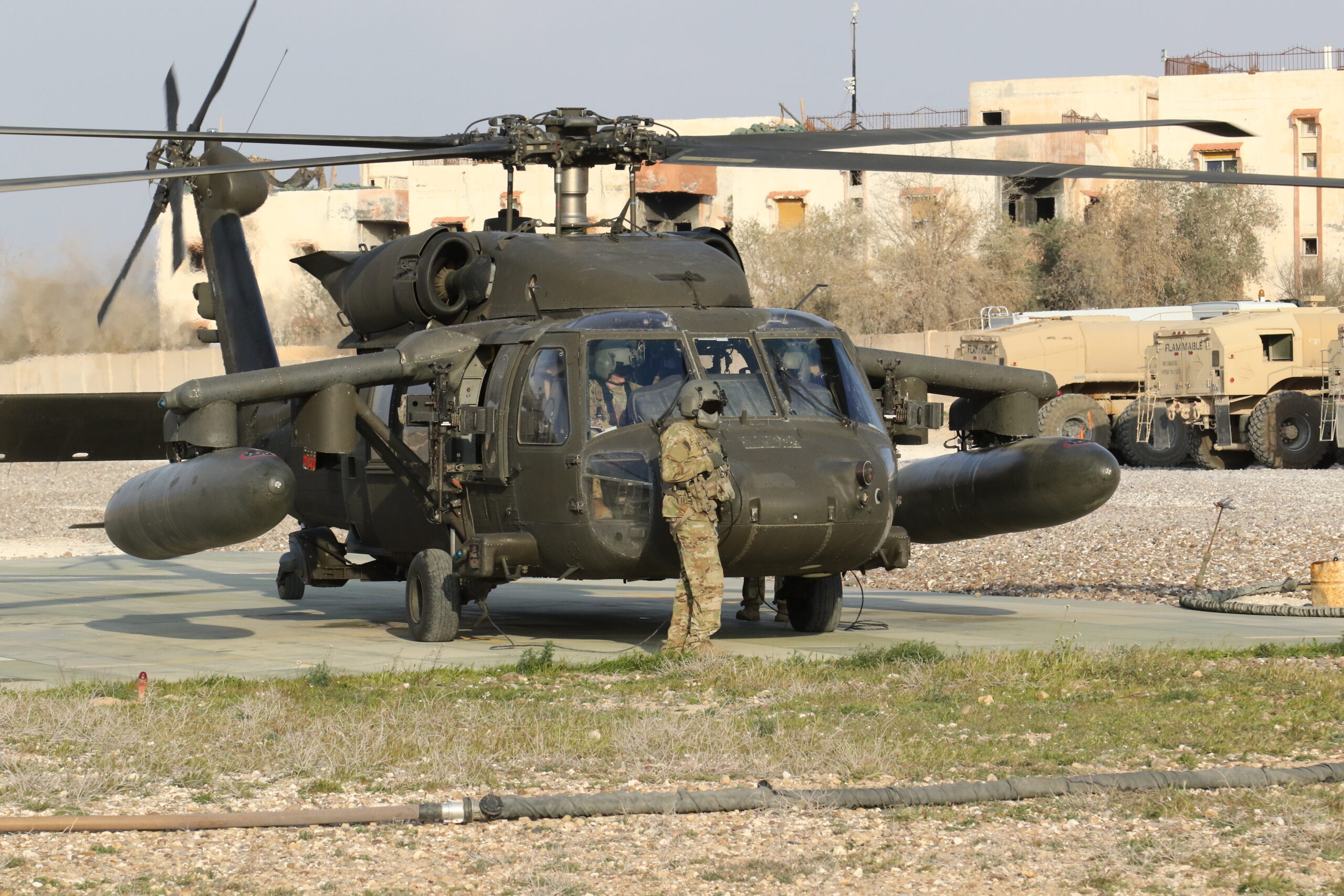
Benton’s comments suggest that this contract is about more than just delivering 16 helicopters; it is about infrastructure. "The next agreement will not only continue the active production line we have today, but it’s also going to set the infrastructure and the foundation for the Black Hawk that’s going to come," he noted.
This implies that the "next generation" of the Black Hawk—potentially an updated iteration of the M-model—will benefit from the manufacturing efficiencies being refined today. By investing in the "long-lead" items now, Sikorsky is ensuring that when the formal, definitized contract is signed, there will be no "break in production," a critical metric for maintaining a skilled workforce and reliable vendor base.
Implications: The Tug-of-War Over Defense Priorities
The situation surrounding the Black Hawk highlights a larger, systemic debate in Washington regarding how the U.S. balances its current requirements with future aspirations.
The Legislative Push
The House of Representatives’ move to add $250 million to the FY27 request for six additional UH-60Ms signals a strong preference for "known quantities" over speculative future programs. Furthermore, the defense appropriations bill, if fully enacted, would add an additional $493 million to the procurement pot. This suggests that Congress is wary of letting the Black Hawk production line wither while the service waits for future rotorcraft solutions to mature.
Industrial Base Fragility
For a prime contractor like Lockheed Martin/Sikorsky, the "stop-and-start" nature of budget cycles is the greatest threat to efficiency. When production rates fluctuate wildly, the supply chain—composed of hundreds of small-to-medium-sized businesses—struggles to retain specialized labor. By securing this UCA, the Army is effectively subsidizing the stability of the industrial base, acknowledging that a healthy supply chain today is necessary for the technological pivots of tomorrow.
Future Modernization
While the Army is indeed investing heavily in the Future Vertical Lift program, the reality is that the Black Hawk will remain the primary workhorse for at least another two decades. The decision to keep production humming is a pragmatic recognition that the "Future" cannot arrive at the expense of the "Present."
Conclusion
The $234 million UCA awarded to Sikorsky is a quintessential example of how the Department of Defense manages the transition between eras of technology. By prioritizing agility and supply chain security, the Army is attempting to thread the needle: keeping the Black Hawk production line alive and vibrant while keeping the door open for the next generation of aviation dominance.
As the Senate reviews the NDAA and the fiscal landscape continues to shift, one thing remains certain: the UH-60 Black Hawk, in its various iterations, will remain a cornerstone of U.S. military power for the foreseeable future. The commitment shown by both the Army and its industry partners serves as a testament to the enduring necessity of this versatile, battle-hardened aircraft.