Introduction: The Capital’s Defense Epicenter
In early October, the heart of Washington, D.C., transformed into the global epicenter of land-power innovation as the Association of the United States Army (AUSA) hosted its annual meeting and exposition. As the largest defense industry gathering in the United States, the event served as a critical barometer for the Pentagon’s modernization priorities, fiscal trajectory, and technological ambitions.
For industry leaders, military strategists, and geopolitical analysts, AUSA 2026 was not merely a trade show; it was a high-stakes convergence of policy and hardware. With the global security environment shifting toward peer-competitor threats and rapid technological disruption, the Army’s message was clear: the force is no longer just preparing for the future—it is actively deploying it. To help our readers distill the massive influx of data from the show floor, Breaking Defense has published a comprehensive, free-to-download eBook: AUSA 2026: The Ground Truth — After-Action Report.
Main Facts: The New Doctrine of Modernization
The 2026 edition of AUSA was defined by a shift from conceptual development to field-readiness. The primary objective articulated by Pentagon leadership was the integration of the "Multi-Domain Operations" (MDO) framework into every echelon of the force.
Key pillars identified during the week included:
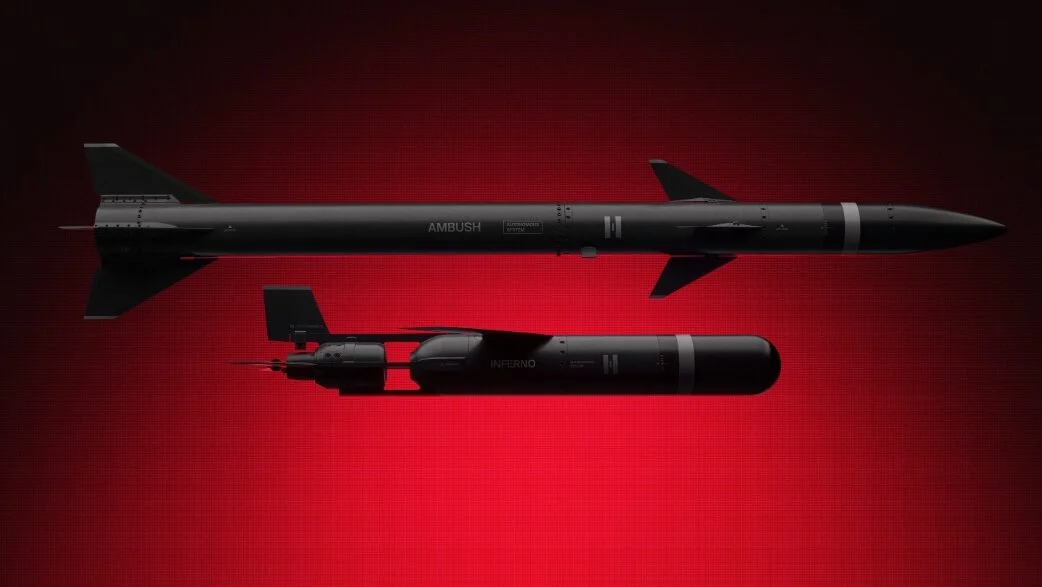
- The Re-emergence of Long-Range Precision Fires: Moving beyond legacy artillery to next-generation missile systems capable of striking deep into contested anti-access/area-denial (A2/AD) zones.
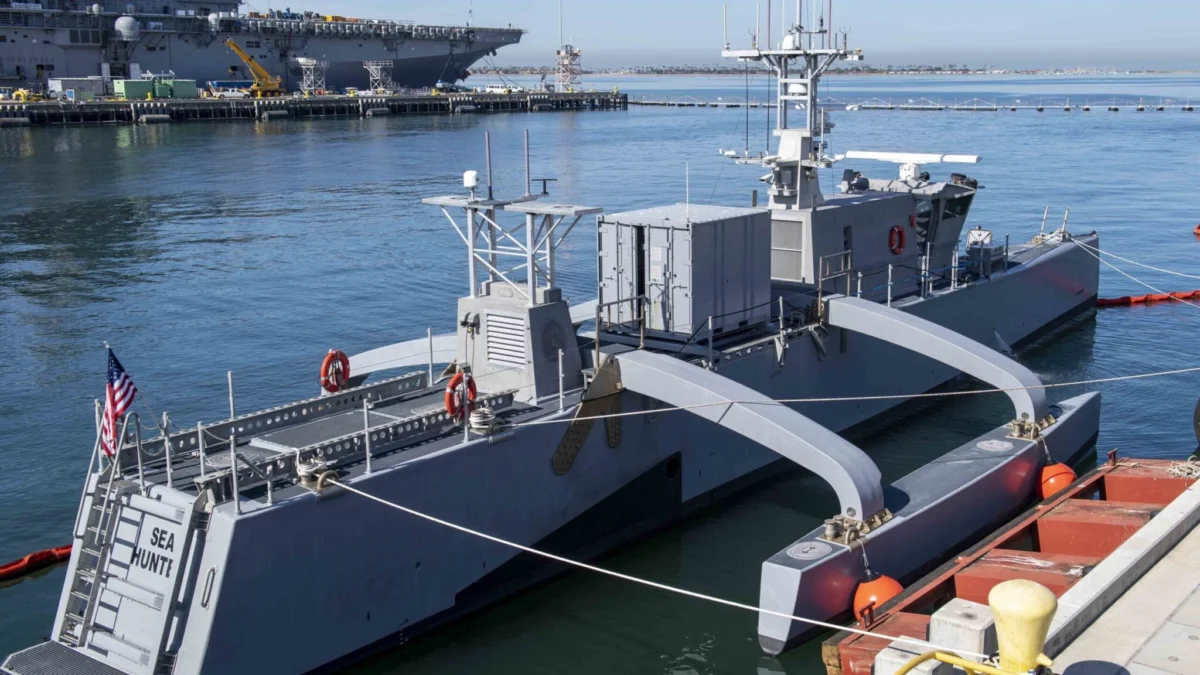
- Robotic Combat Vehicles (RCVs): The show floor was dominated by autonomous platforms, signaling a transition toward "optionally manned" formations that reduce risk to soldiers in high-intensity conflicts.
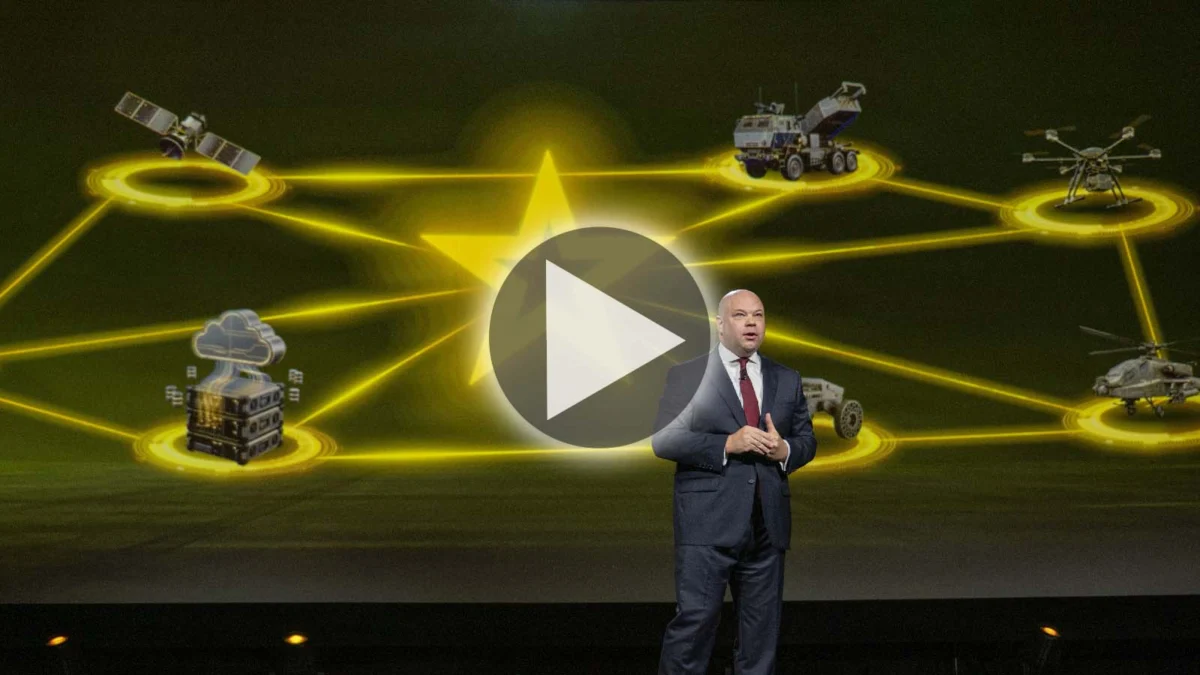
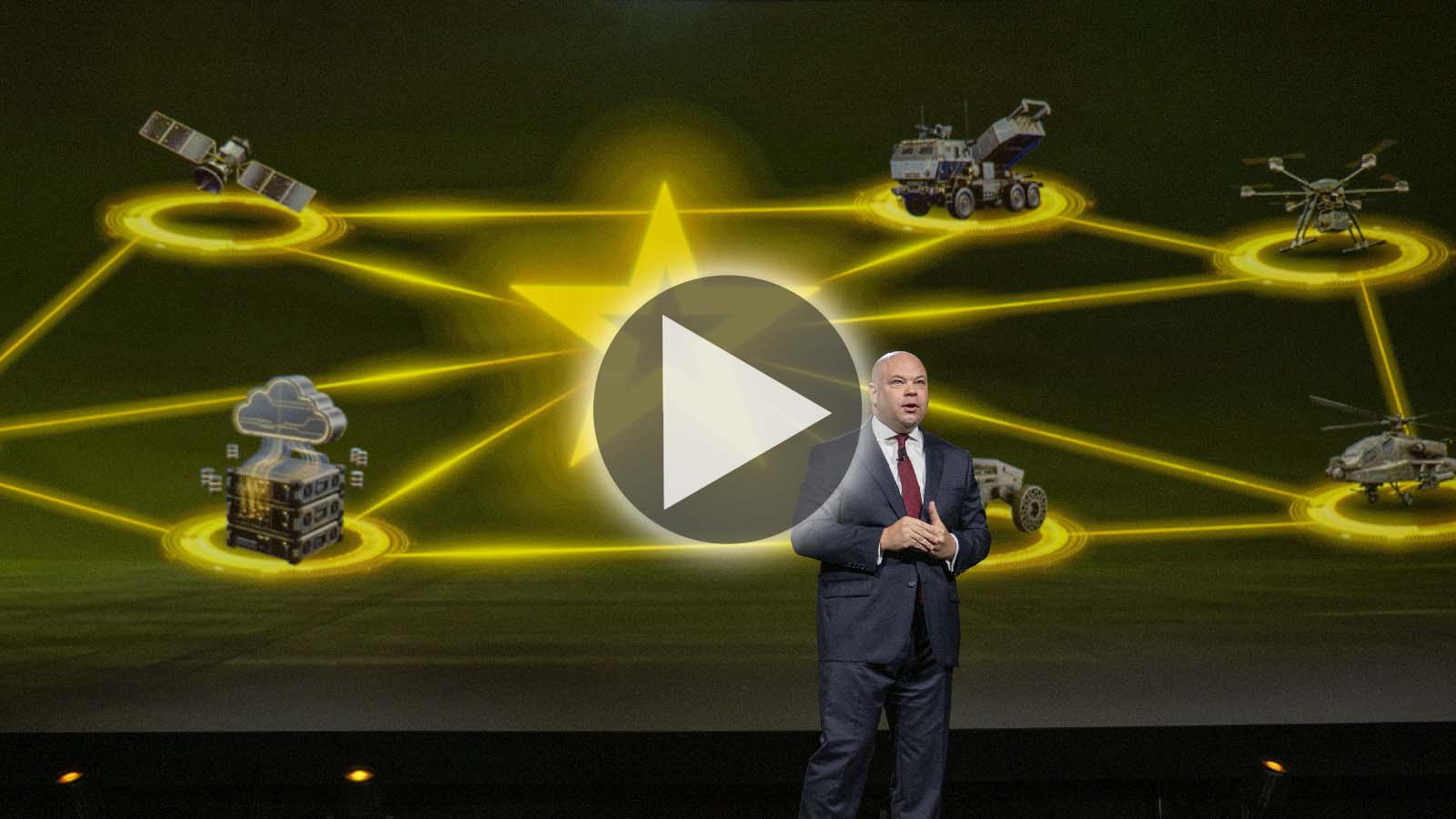
- Data-Centric Warfare: The push for a unified "Army Data Platform" that allows commanders at the edge to make decisions based on real-time sensor fusion from satellite, aerial, and ground-based assets.
Chronology: A Week of Strategic Pivot
The conference unfolded over three intense days, each focused on a specific layer of the Army’s evolving strategy.
Day 1: Vision and Policy
The opening day set the tone with keynote addresses from the Secretary of the Army and the Chief of Staff. Discussions focused heavily on the fiscal constraints of the 2027 budget cycle. Leaders emphasized that despite economic headwinds, funding for high-priority programs—specifically those related to integrated air and missile defense—would remain protected.
Day 2: Technological Demonstrations
Day two was dedicated to the show floor. Attendees were treated to a sprawling display of hardware. From next-generation infantry fighting vehicles to loitering munitions, the exhibit halls were packed with prototypes that are currently transitioning from the lab to the testing range. This was the day of "hardware diplomacy," where international partners engaged in high-level discussions regarding interoperability and procurement.
Day 3: Future Force Integration
The final day focused on human capital and training. Army leadership acknowledged that the most sophisticated hardware is useless without a force trained to operate in a contested electromagnetic spectrum. Conversations shifted toward "Human-Machine Teaming," ensuring that the incoming generation of soldiers is as proficient with software interfaces as they are with kinetic weaponry.
Supporting Data: By the Numbers
The scale of AUSA 2026 is difficult to quantify, but several key data points highlight the depth of the industry-government relationship:
- Exhibitor Participation: Over 700 companies from 30+ nations displayed capabilities, representing a 15% increase in international participation compared to 2024.
- Research & Development: A significant portion of the conversation centered on the $XX billion requested for FY26 R&D, specifically targeting artificial intelligence (AI) and machine learning (ML) integration into tactical networks.
- Supply Chain Resilience: Data provided by the Army Materiel Command highlighted that nearly 60% of the industrial base is currently undergoing a "stress test" to determine its capacity to surge production of 155mm ammunition and precision-guided missiles in the event of a global crisis.
Official Responses: The Leadership Perspective
Throughout the conference, Pentagon officials were grilled on the feasibility of these ambitious timelines.
"We are moving at the speed of relevance," noted a senior Army procurement official during a press briefing. "The challenges we face in the Indo-Pacific and European theaters require us to discard the traditional five-to-ten-year acquisition cycles. We are moving toward rapid prototyping that allows us to fail fast, learn, and field capabilities in months, not years."
Conversely, industry leaders pushed back on the "boom-and-bust" cycle of defense contracting. During the panel sessions, CEOs emphasized that long-term stability in funding is required to keep production lines hot. "We cannot surge if the government doesn’t commit to multi-year procurement," one executive stated. "The technology is ready, but the industrial base needs a clear, multi-year signal to invest in the necessary infrastructure."
Implications: The Strategic Landscape
What does AUSA 2026 mean for the future of warfare? The implications are three-fold:
1. The Death of the "Static" Frontline
The massive proliferation of small, cheap, and lethal drones means that no soldier on the modern battlefield can remain static. The Army’s pivot toward "distributed lethality" acknowledges that large concentrations of troops and vehicles are now magnets for precision strikes. The new doctrine focuses on dispersion, concealment, and rapid maneuver.
2. The AI-Augmented Commander
The shift toward automated sensor fusion means that the decision-making cycle—the OODA loop (Observe, Orient, Decide, Act)—has been compressed to mere seconds. Commanders in 2026 are expected to manage massive data streams, necessitating a new level of "cognitive readiness" that is currently being built into the Army’s professional military education (PME) system.
3. Geopolitical Interoperability
The presence of international partners was not accidental. The US Army is moving toward a "plug-and-play" model for its allies. By standardizing communications protocols and data links, the US aims to create a cohesive coalition force that can operate as a single entity, rather than a collection of disparate national units.
Conclusion: Download the Ground Truth
AUSA 2026 served as a necessary wake-up call for those who believe that the era of land warfare has passed. On the contrary, the advancements displayed in Washington confirm that the ground domain remains the most decisive environment for projecting power and securing national interests.
For a deeper dive into the specific technologies, policy shifts, and industry analysis that defined this year’s conference, we invite you to read our comprehensive report. We have curated the most vital insights from the conference floor to provide you with the definitive view of the current defense landscape.
Download: AUSA 2026: The Ground Truth — After-Action Report
This report is provided free of charge, with no registration required, as part of Breaking Defense’s commitment to providing clear, objective analysis to the defense community. Stay tuned to our site for ongoing coverage of the Army’s modernization efforts as these programs move from the show floor to the field.