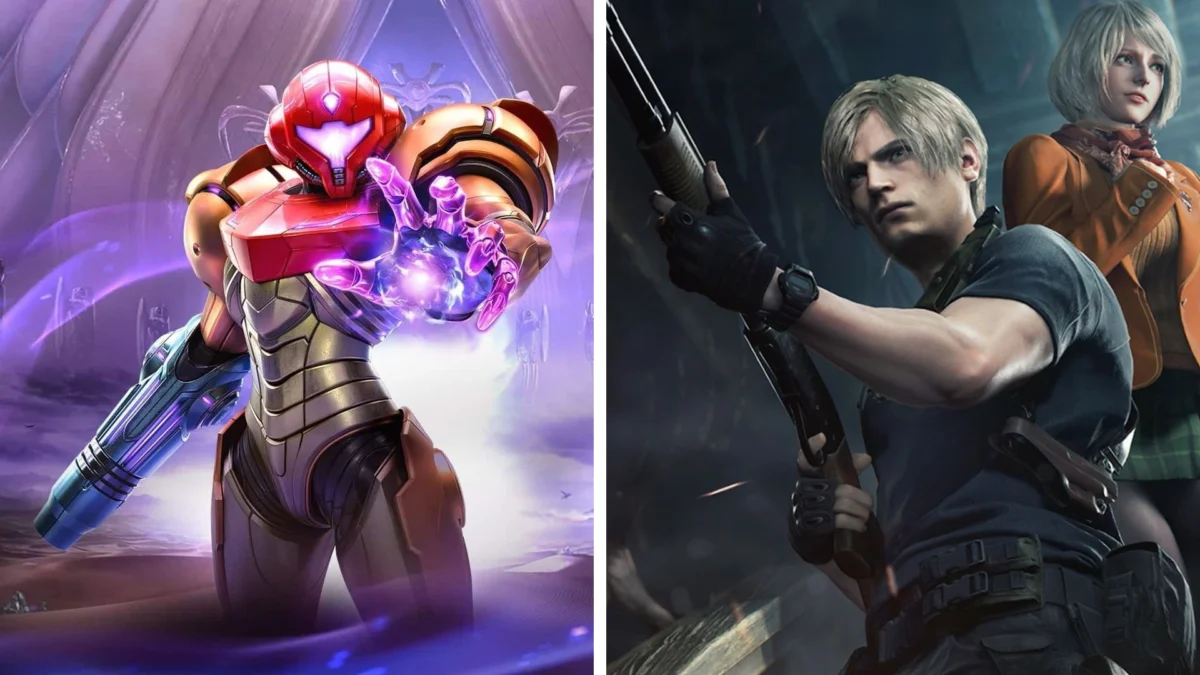
The release of Metroid Prime 4: Beyond in 2025 was intended to be a watershed moment for Nintendo—a triumphant return for Samus Aran that would silence years of development rumors and satisfy a hunger that had been building since 2007. Instead, the title arrived to a lukewarm reception, marred by divisive narrative choices, questionable gameplay mechanics like the polarizing motorcycle segments, and a conclusion that failed to resonate with the core fanbase.
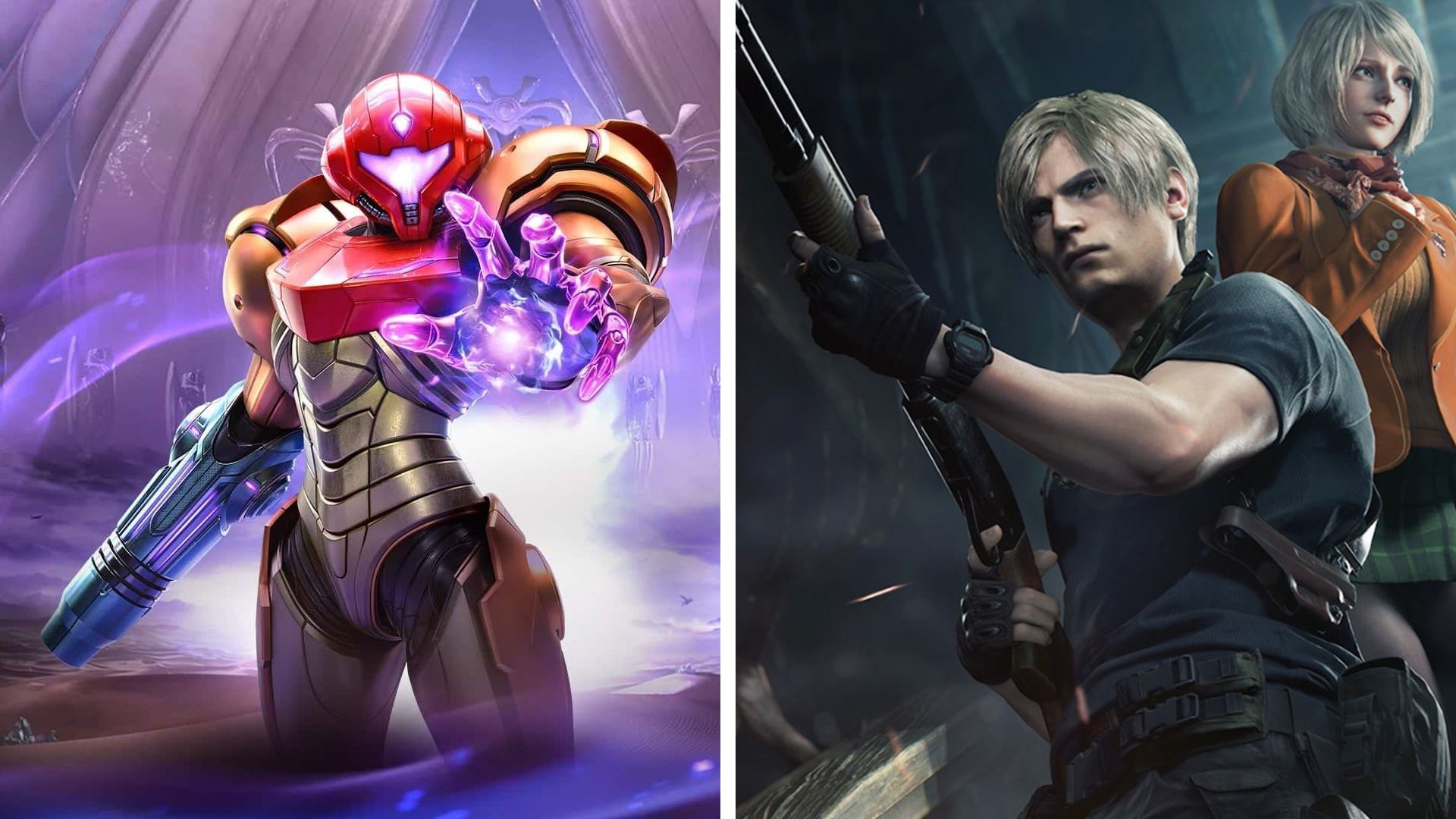
For a series that redefined the transition from 2D to 3D gaming at the turn of the millennium, Beyond felt like a regression rather than an evolution. As the industry pivots toward the next generation of hardware, the future of the Metroid franchise currently feels more precarious than at any point in the last decade. To reclaim its legacy, Nintendo must look toward an unlikely mentor: Capcom. By adopting the "Resident Evil Remake" philosophy, Nintendo has the opportunity to turn the Metroid Prime trilogy into a gold standard for modern sci-fi action, proving that the series is far from being lost to the vacuum of space.
The Metroid Prime Legacy: A Chronology of Excellence and Apathy
To understand the current crisis, one must look at the historical trajectory of the Metroid Prime series. The original Metroid Prime (2002) for the Nintendo GameCube was a masterclass in atmospheric world-building. Retro Studios defied the odds, proving that a first-person perspective could accommodate the isolation, exploration, and non-linear "Metroidvania" progression that defined the 2D classics.
- 2002: Metroid Prime debuts on GameCube, setting a benchmark for immersion and environmental storytelling.
- 2004: Metroid Prime 2: Echoes introduces the Duality mechanic and, notably, a robust multiplayer suite that would become a point of contention for its future absence.
- 2007: Metroid Prime 3: Corruption concludes the trilogy on the Wii, integrating motion controls and a more cinematic scale.
- 2017: Nintendo announces Metroid Prime 4 at E3, sparking a decade-long cycle of anticipation, development restarts, and industry speculation.
- 2023: Metroid Prime Remastered launches on Switch, serving as a critical darling and a reminder of how timeless the original design remains.
- 2025: Metroid Prime 4: Beyond is released, receiving mixed reviews for its bloated pacing and departure from the series’ signature "isolationist" atmosphere.
The eighteen-year gap between the third entry and Beyond created a vacuum of expectations. When the game finally landed, the presence of intrusive side characters and the inclusion of a terrestrial vehicle for Samus—which felt jarringly out of place in the claustrophobic corridors of a desolate alien planet—left players feeling that the game had lost its identity.
The Capcom Blueprint: Modernizing Through Remake
Capcom’s trajectory over the last decade provides the perfect case study for Nintendo. After the critical failure of Resident Evil 6 in 2012, the survival horror giant was at a crossroads. The franchise was bloated, leaning too far into action and losing the tension that made it iconic.
Capcom’s solution was twofold: a return to form with Resident Evil 7: Biohazard and a commitment to high-budget, "re-imagined" remakes. By rebuilding Resident Evil 2, 3, and 4 from the ground up, Capcom didn’t just update the textures; they updated the "bones" of the experience. They kept the layout of the Raccoon City Police Department or the paranoia of the Spanish village but modernized the control schemes, enemy AI, and narrative pacing.
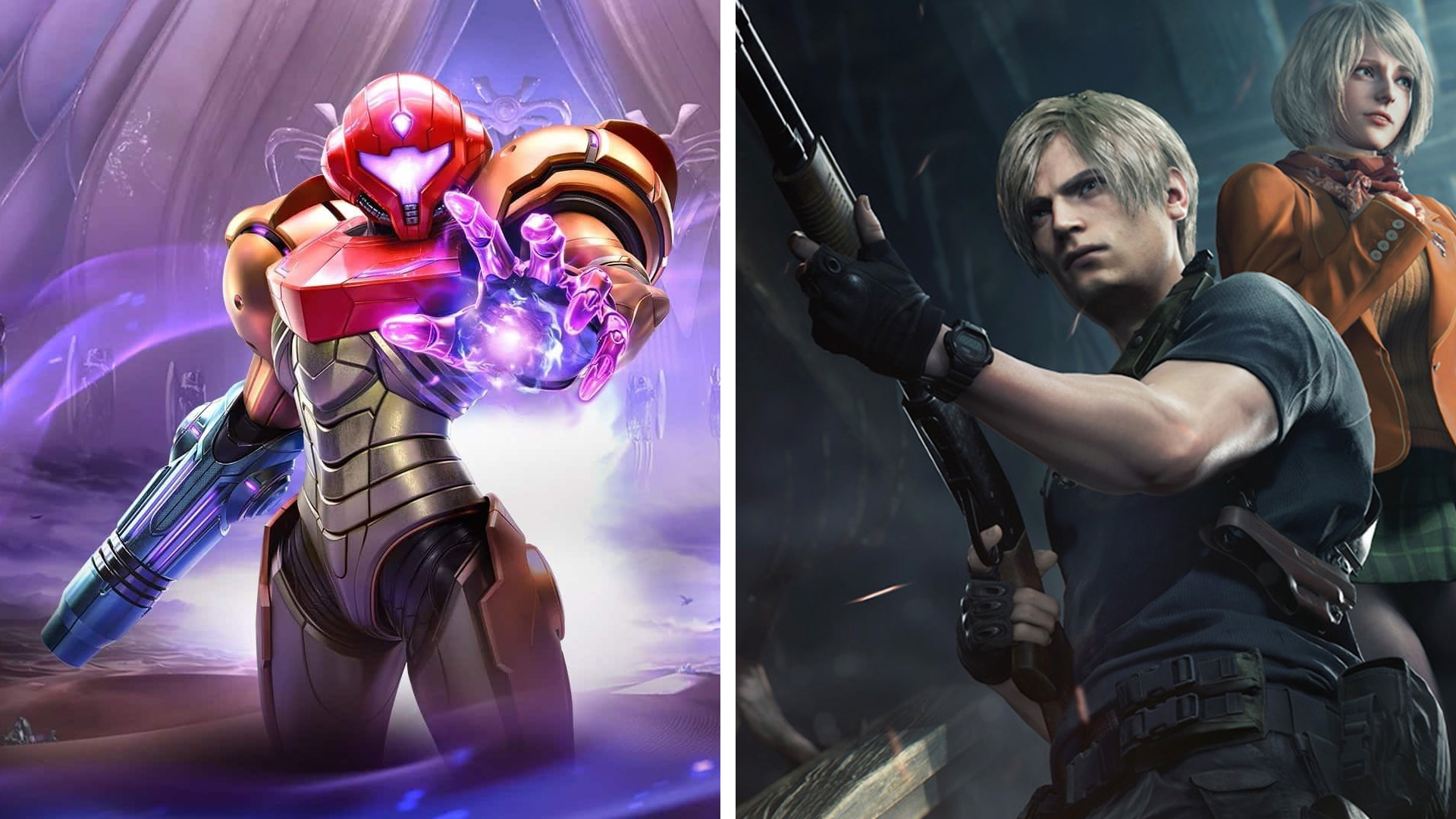
Nintendo could apply this exact philosophy to the Metroid Prime trilogy. Utilizing the engine developed for Metroid Prime 4: Beyond, Nintendo has a ready-made toolkit to rebuild Echoes and Corruption. These games are currently trapped in the "GameCube/Wii era" design philosophy. A modern remake would allow developers to integrate the fluid movement mechanics fans expected from Beyond while refining the level design to eliminate the backtracking fatigue that plagued the original releases.
Supporting Data: The Case for a Cohesive Trilogy
The demand for a full, ground-up remake is supported by the performance of the 2023 Metroid Prime Remastered title. It proved that the core gameplay loop—scanning environments, upgrading suit abilities, and mastering boss encounters—is still the gold standard for the genre. However, a remaster is a coat of paint; a remake is a structural renovation.
If Nintendo were to greenlight a full-scale remake of the trilogy, they would address three major industry-wide complaints:

- Technical Debt: The original titles, while masterpieces, are limited by 20-year-old hardware. A modern engine would allow for seamless transitions between biomes, eliminating load times and enhancing the scale of Tallon IV and the Aether dimension.
- The "Multiplayer" Gap: Metroid Prime 2 offered a surprisingly competent deathmatch mode that never reached its full potential due to the lack of online infrastructure. Integrating a modern, cross-platform multiplayer component with the Prime engine—including horde modes and co-op campaigns—would provide the longevity that Beyond lacked.
- Narrative Cohesion: A unified, engine-consistent trilogy would allow Nintendo to tie the games together into a single, cohesive narrative experience. They could even bridge the gap between Zero Mission and Prime, creating a seamless chronological experience that spans from Samus’s first encounter with Mother Brain to her final stand against Phazon.
Official Responses and Industry Context
Nintendo has been notoriously tight-lipped regarding the "mixed" reception of Metroid Prime 4: Beyond. In recent shareholder meetings, executives have emphasized the company’s focus on "new experiences" rather than relying on legacy IPs. However, the success of the Legend of Zelda: Ocarina of Time remake for the Switch 2 demonstrates that Nintendo is not averse to leveraging its history when it aligns with modern market trends.
Industry analysts note that Nintendo’s strategy is often dictated by "creative friction." If the studio feels that a game has reached its pinnacle, they are hesitant to return to it. Yet, the current state of the Metroid series suggests a lack of direction rather than a lack of potential. The failure of Beyond to capture the "Metroid magic" suggests that Retro Studios may have become too detached from the core tenets that made the original 2002 title a landmark release.
Implications: The Path Forward
If Nintendo continues to treat Metroid as a secondary franchise, it risks drifting into obscurity. In an era where Microsoft and Sony are consolidating massive, blockbuster franchises, Nintendo’s refusal to iterate on its most prestigious sci-fi property is a missed opportunity.

The implication of ignoring the current fan sentiment is clear: the brand will lose its prestige. Conversely, if Nintendo pivots to a "Remake/Reimagine" cycle, they achieve several strategic goals. First, they keep the brand alive during development droughts for new, experimental titles. Second, they introduce the series to a new generation of players who may find the original GameCube controls too cumbersome.
We find ourselves in 2026, looking at a franchise that feels adrift. Samus Aran is one of the most iconic characters in gaming history, yet she is currently being pushed to the periphery. The solution is not to create a radical, divergent sequel that forces mechanics like motorcycles or side-characters upon the player. The solution is to look back at what worked—the silence, the isolation, and the brilliant, interconnected map design—and polish it to a mirror finish.
Capcom managed to turn Resident Evil from a struggling, confused series into a powerhouse of modern gaming by respecting the source material while refusing to be shackled by it. It is time for Nintendo to give Samus the same respect. Otherwise, we are left with the grim prospect that Metroid Prime 4: Beyond was not a return, but a farewell—a final, unsatisfying ride into the desolate wastes of a series that once defined the industry.

Nintendo has the assets, the engine, and the fan base. Now, they only need the courage to look at the past to secure the future. If they choose not to, the silence in the Metroid universe will be deafening.