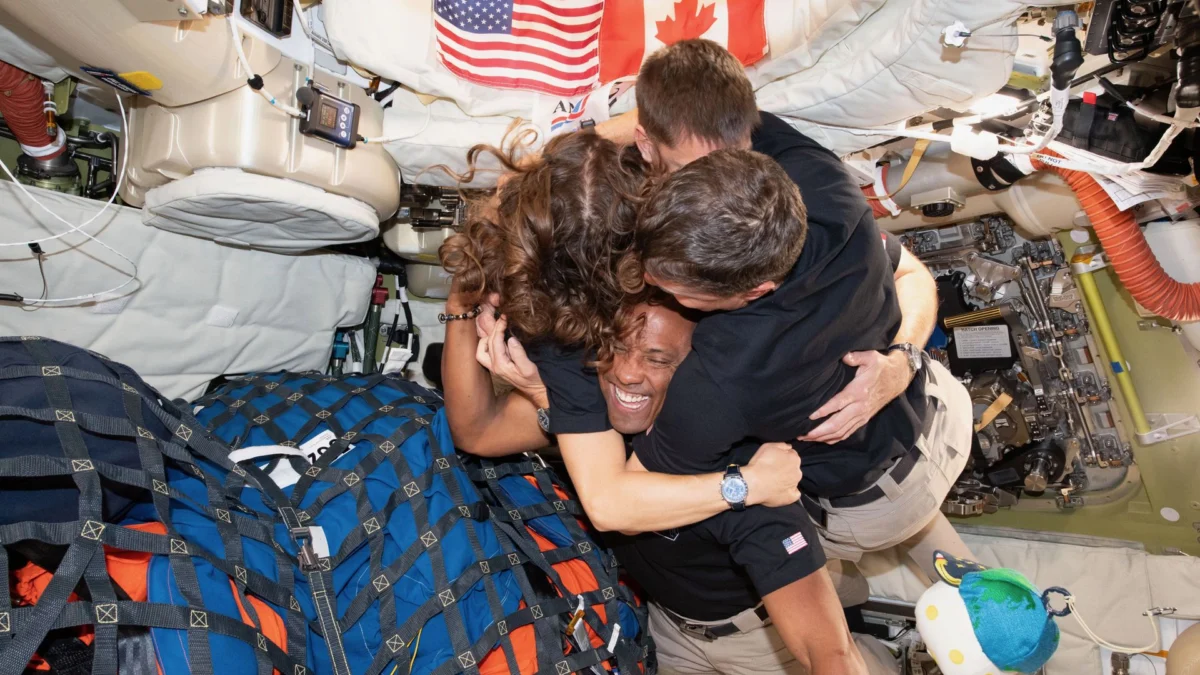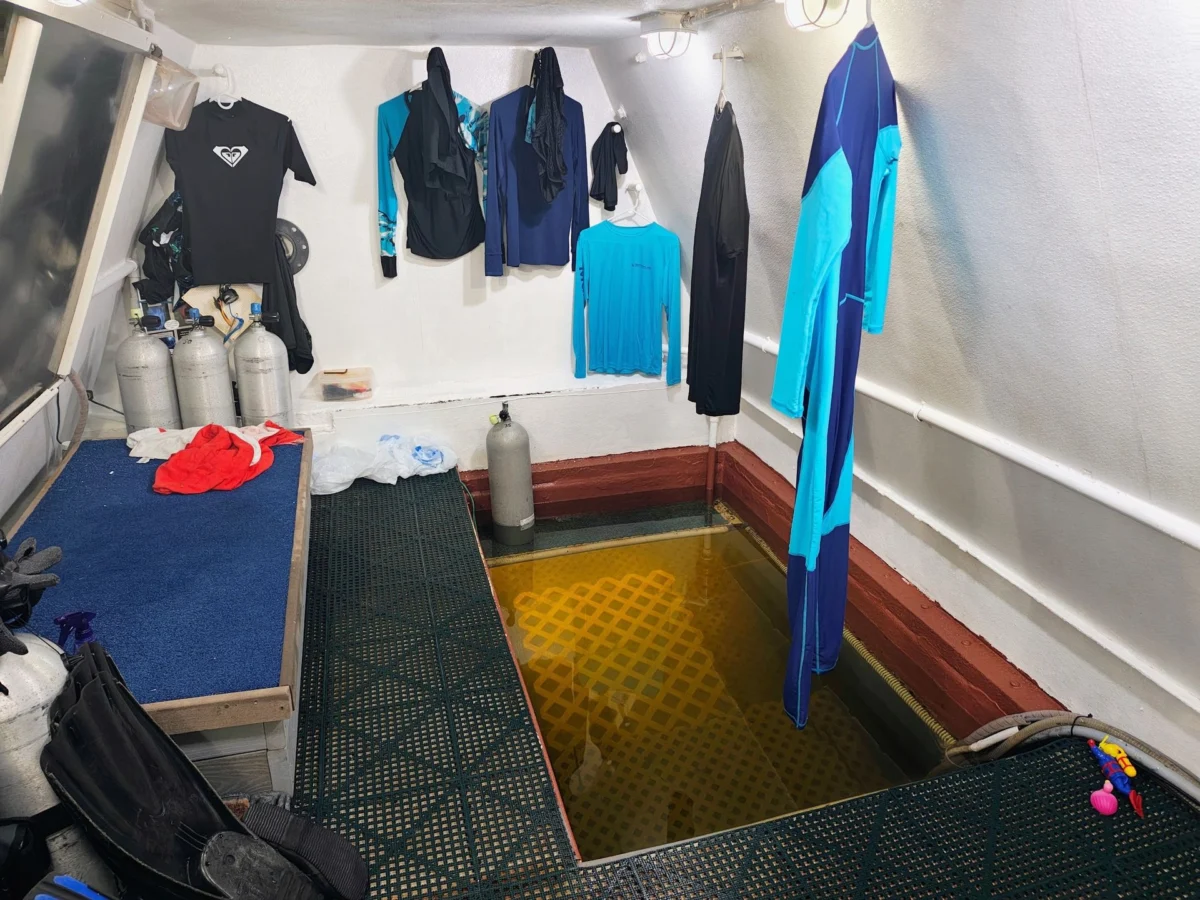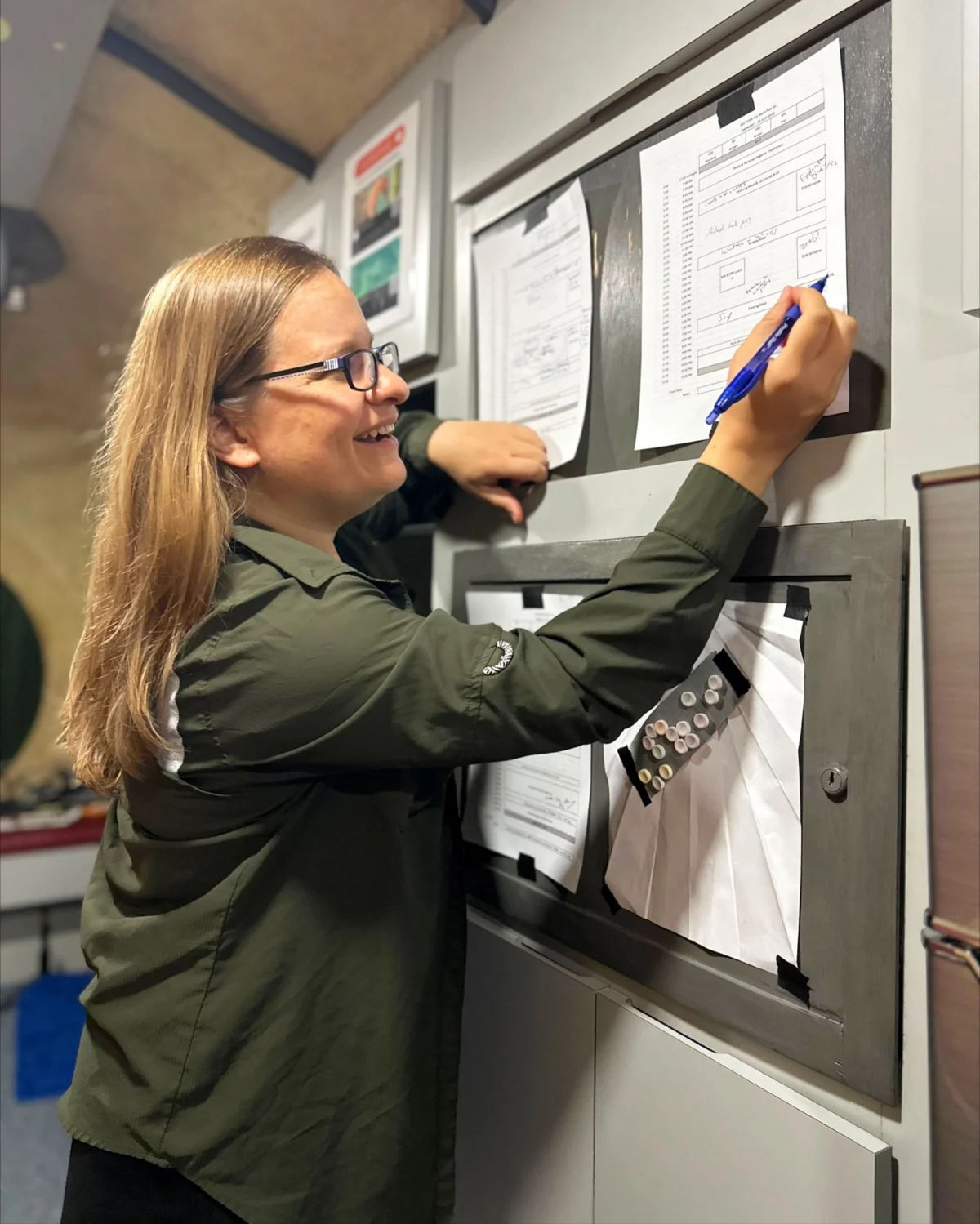
As the final hours of the SEA STAR mission ticked away, the sensation within the Jules’ Undersea Lab—located 22 feet (7 meters) beneath the surface of the waters near Key Largo, Florida—mirrored the bittersweet atmosphere of the International Space Station (ISS). For the four-person crew, the transition back to the "surface world" brought a complex mix of emotions: the relief of returning to fresh air, terrestrial hygiene, and familiar comforts, tempered by the melancholy of leaving behind a high-stakes, tightly knit environment that had served as their entire universe for five days.
While the SEA STAR crew remained firmly on Earth, their environment was an alien, liquid world. By spending over 120 hours submerged without surfacing, the team achieved "saturation" status, officially becoming aquanauts. This mission served as a vital analog for space exploration, proving that the challenges of deep-sea research—managing life support, extreme pressure, and isolation—offer a unique, terrestrial laboratory for the future of human spaceflight.
The Chronology of an Underwater Odyssey
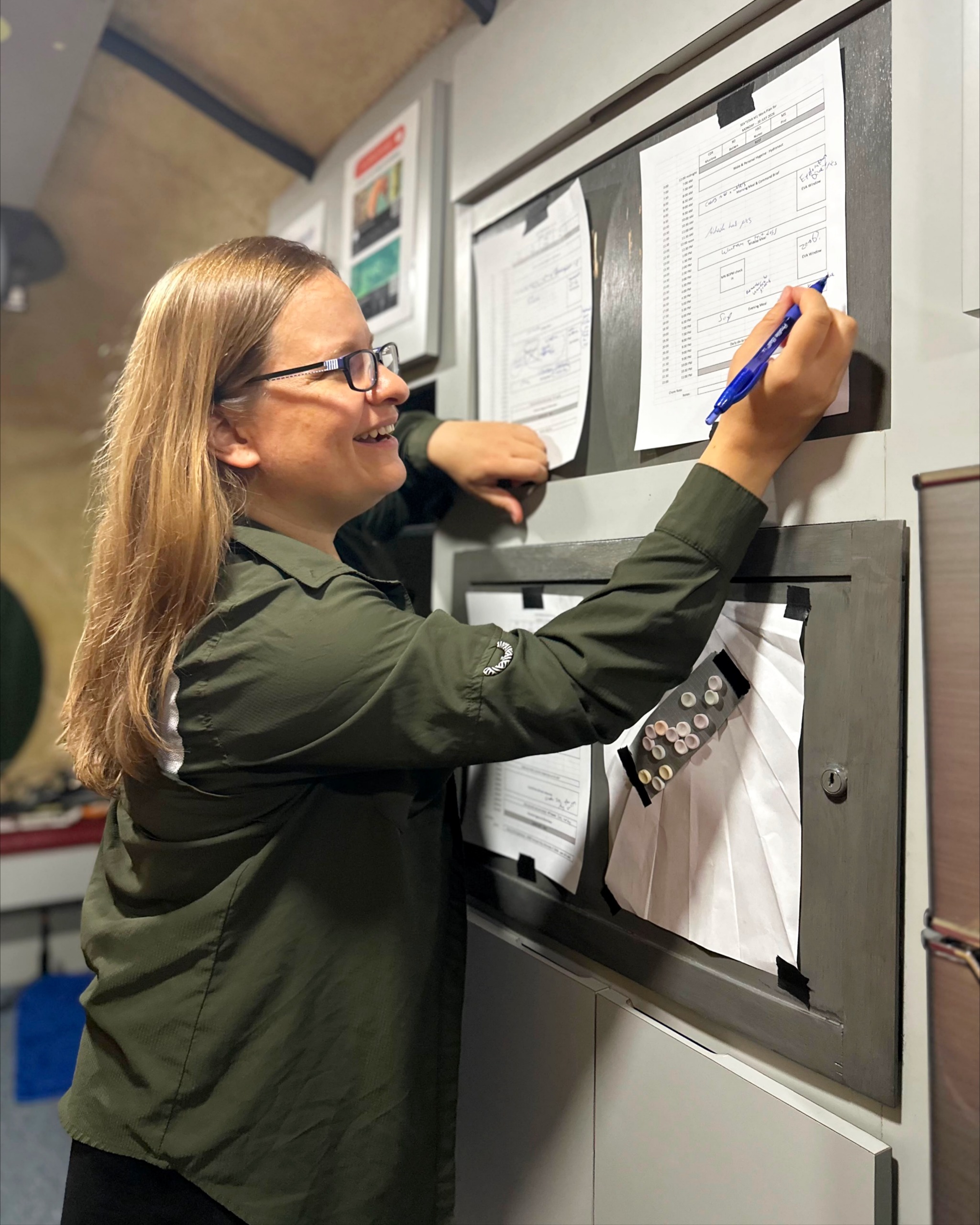
The SEA STAR mission was designed to mirror the operational cadence of an ISS expedition. The crew, led by astrobiologist Dr. Michaela Musilova, arrived at the Jules’ Undersea Lab with a rigorous schedule that prioritized data collection, environmental maintenance, and physiological monitoring.
Phase 1: Integration and Saturation
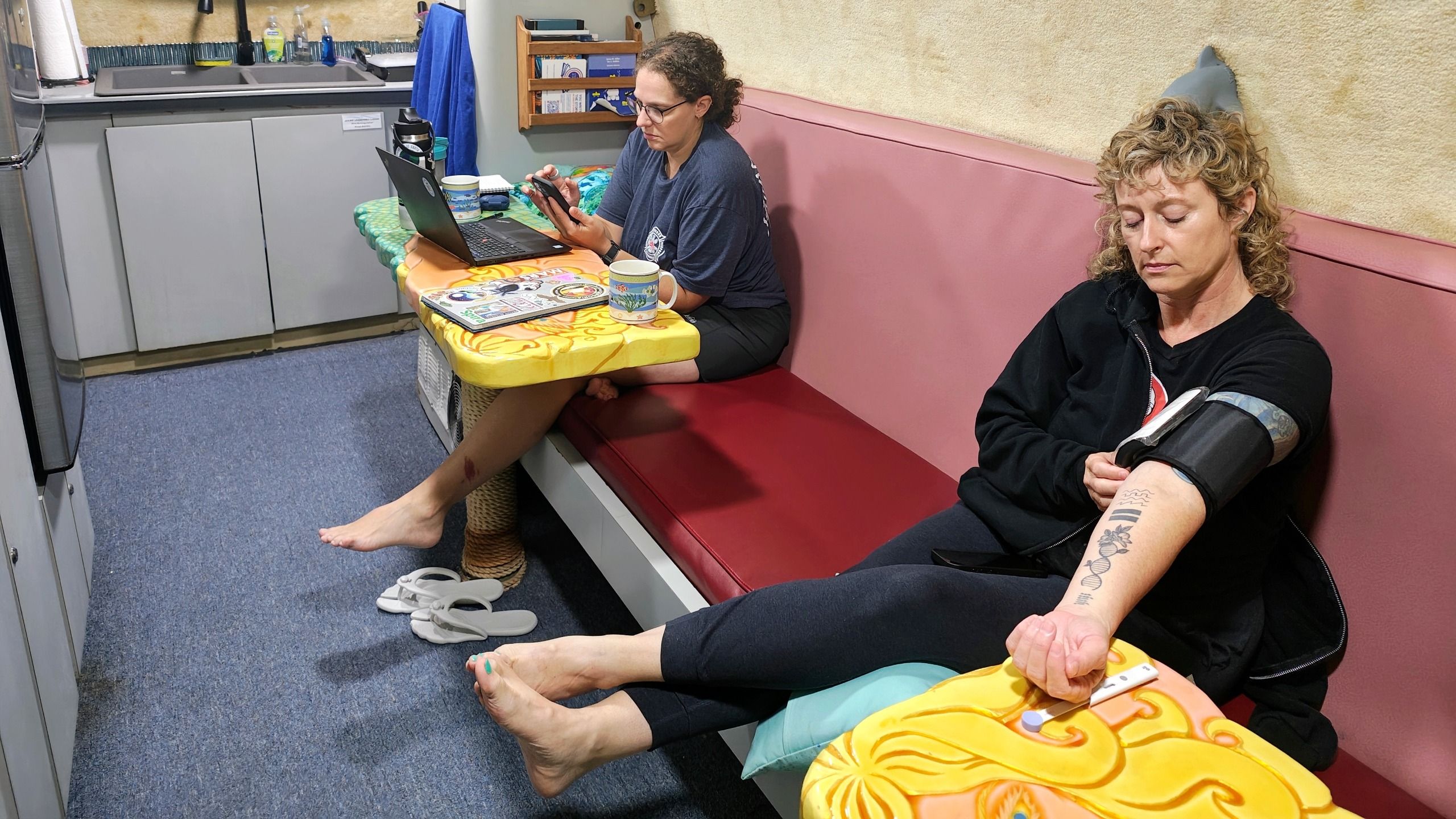
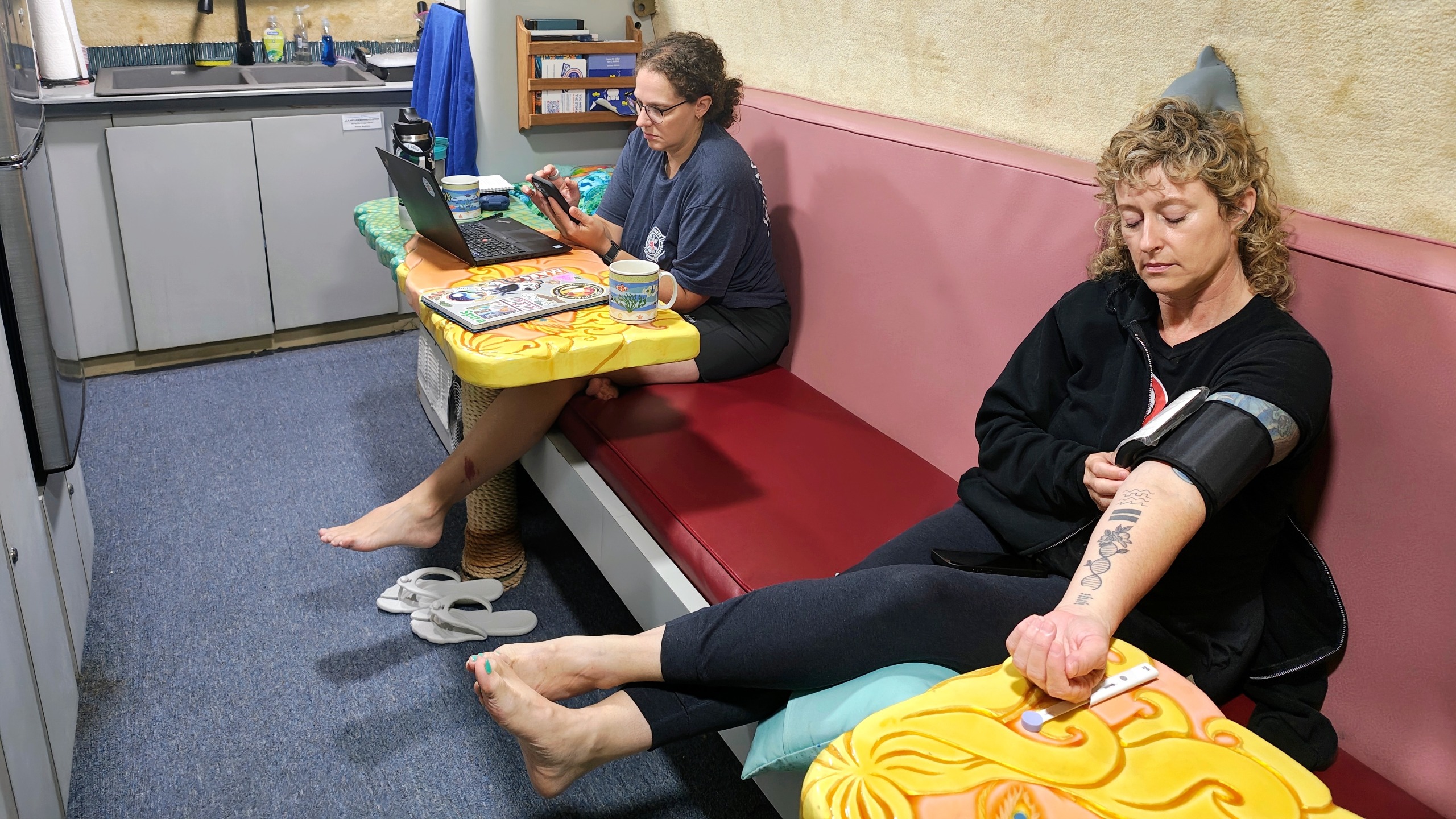
Upon entering the lab, the crew began the process of physiological adaptation. "Saturation" in this context refers to the point at which human tissues absorb the maximum possible amount of inert gas—such as nitrogen—for a specific depth and pressure. Once saturated, the crew could not simply swim to the surface without a carefully managed decompression protocol, much like astronauts who must follow strict egress procedures when leaving a pressurized cabin.
Phase 2: Operational Research
The middle phase of the mission was defined by "spacewalks"—scuba dives conducted in low-visibility, high-pressure environments. During these sorties, the crew tested equipment, performed maintenance on the exterior of the habitat, and conducted environmental conservation tasks, including the removal of invasive debris using specialized underwater suction devices.
Phase 3: The "Underview Effect" and Decompression
As the mission concluded, the crew experienced what Dr. Musilova termed the "underview effect." Similar to the "overview effect" reported by astronauts viewing Earth from orbit, the sight of sunlight filtering through the dense, greenish water column created a profound sense of perspective. It solidified a commitment to planetary stewardship, emphasizing how fragile and precious the home world appears when one is physically separated from it. The final hours involved a methodical, multi-stage return to the surface, carefully navigating pressure changes to avoid decompression sickness.
Supporting Data: Scientific Investigations Under Pressure
The SEA STAR mission was far from a mere survival exercise; it was a high-functioning research platform. The crew focused on four primary areas of inquiry, each with direct implications for long-duration space missions.
Cognitive Performance and Reaction Time
In collaboration with the Center for Hyperbaric Medicine at the University of Ostrava, the crew conducted cognitive studies to determine how hyperbaric environments influence mental acuity. Initial data suggests a measurable decrease in reaction times, a finding that could prove critical for mission control teams designing work-rest cycles for astronauts on Mars or the Moon.
Botanical Resilience: The Microgreens Study
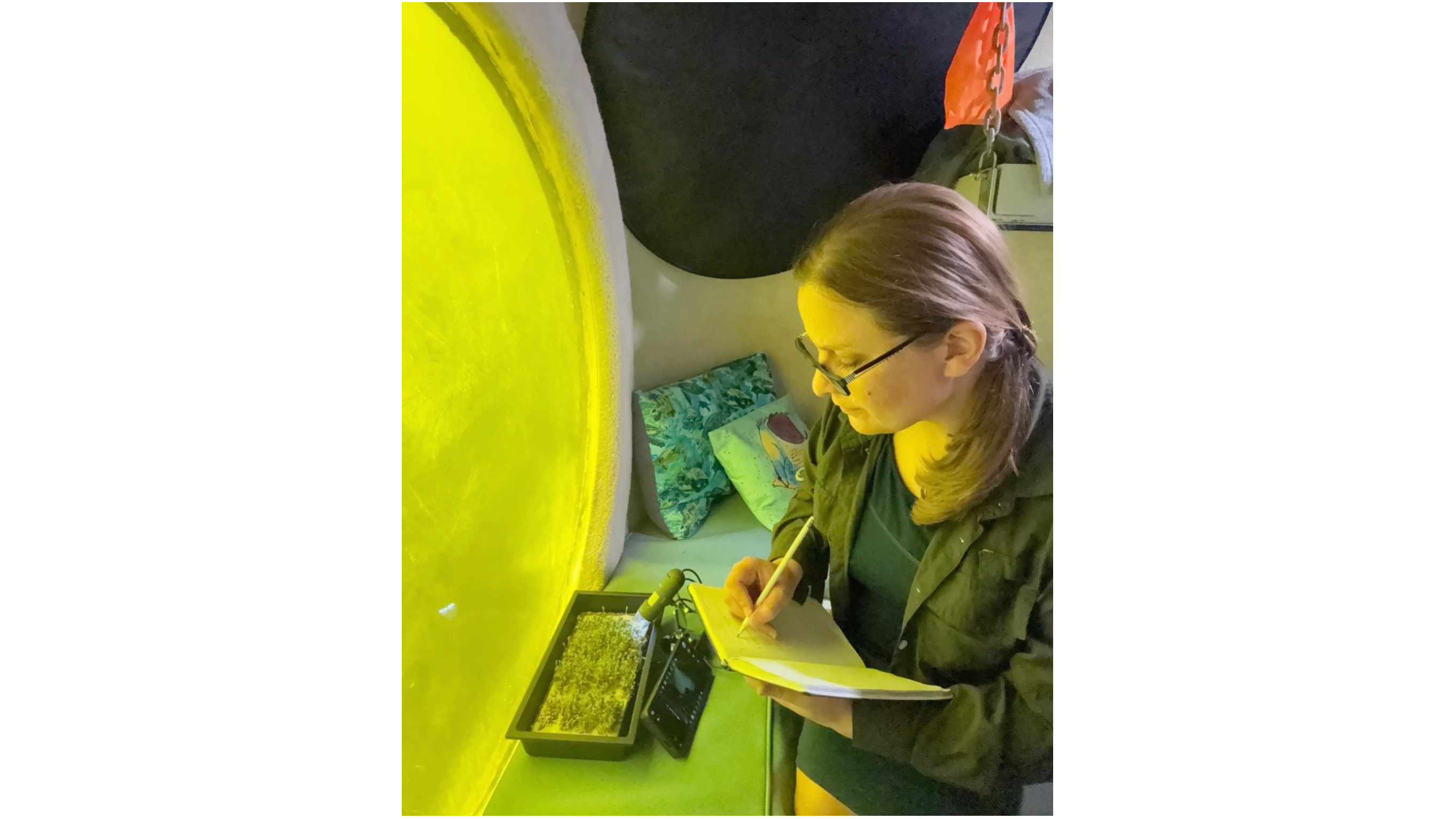
Health & Safety Officer Dr. Brandy Nunez led a study on the viability of microgreens under varying pressure regimes. By exposing seeds to both gradual and sudden pressure fluctuations, the team observed clear evidence of "barotrauma"—physical damage to plant tissue caused by pressure shifts. This highlights the delicate nature of potential space-grown food supplies and the need for pressurized agricultural modules.
Logistics and Taxonomy
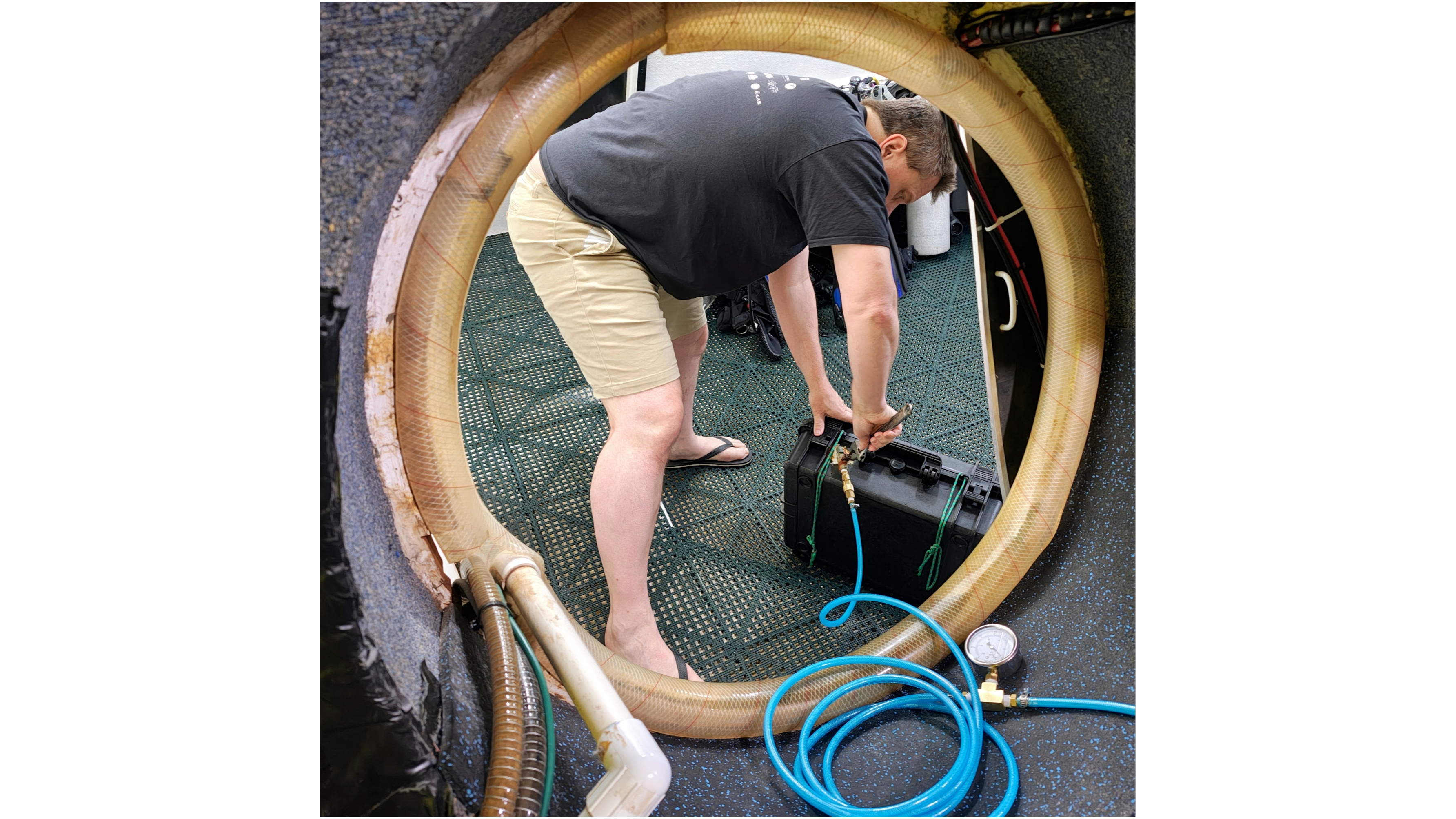
Executive Officer Paul Bakken investigated the structural integrity and internal pressure management of logistical transfer containers. Meanwhile, Mission Specialist Jenn Pint utilized a framework developed by Interstellar Performance Labs to create a comprehensive taxonomy of human-environment interactions. This data is being used to build models that predict crew efficiency based on cabin layout and environmental stress factors.
Implications: Why the "Wet ISS" Matters
The importance of analog missions cannot be overstated. With limited berths on the ISS and the high cost of launching research payloads, underwater habitats provide a cost-effective, high-fidelity environment for testing technology and human psychology.
Human Factors and Crew Dynamics
Space agencies like NASA and the ESA have long recognized that the primary failure point in long-duration missions is often human, not mechanical. By placing a crew in a confined, high-pressure, and high-stakes environment, researchers can observe how small teams manage conflict, fatigue, and problem-solving under duress. The SEA STAR mission, having been executed by a team of experienced analog astronauts, operated with a level of efficiency that serves as a benchmark for future missions.
Environmental Conservation
Beyond aerospace research, the mission provided a platform for local ecological monitoring. The use of an underwater vacuum to clear debris around the Jules’ Undersea Lab demonstrated that research stations can serve a dual purpose: advancing human exploration while simultaneously contributing to the health of the local ecosystem.
Official Perspectives and Future Directions
The success of the SEA STAR mission underscores the efficacy of the Jules’ Undersea Lab as a premier analog environment. Dr. Michaela Musilova, a veteran of over 40 simulated space missions, noted that the quality of the crew was the defining factor in the mission’s success.
"My crew was made up of experienced analog astronauts and divers, so the mission was mostly smooth sailing," Dr. Musilova stated. "Even with the constant loud noises of the life support systems and the complexities of underwater plumbing, the focus remained on the mission objectives."
Outreach as a Mission Pillar
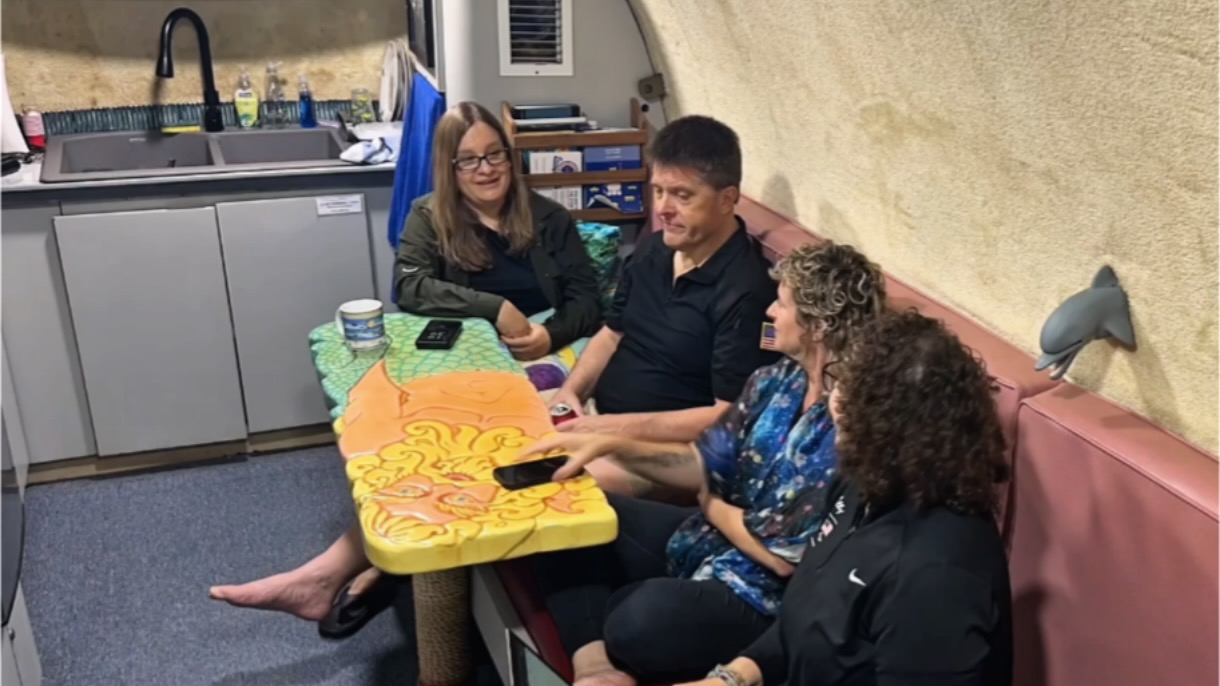
A key component of the mission was educational outreach. In a demonstration of remote collaboration, the crew contacted "Cosmic Region," a simulated space station in Slovakia, providing a live tour of the underwater habitat. This interaction served two purposes: it provided real-world training for the crew in public engagement and inspired the next generation of researchers by showing that the "space" experience can be cultivated in unexpected, terrestrial locations.
The Road Ahead
As the crew transitioned back to life on land, the data gathered during their five-day stay is now undergoing peer review. The findings regarding cognitive slowing and botanical barotrauma are expected to influence the design of future lunar and Martian habitats.
The SEA STAR mission proves that we do not necessarily need to leave the planet to understand the rigors of space. By turning our gaze toward the depths of our own oceans, we are better preparing ourselves for the eventual journey to the stars. The "wet ISS" remains one of the most effective ways to test the limits of human endurance, ensuring that when the time comes to establish permanent bases on the Moon or beyond, we will have the knowledge and the experience to survive, thrive, and succeed.
Key Takeaways for Future Analog Missions:
- Pressure Management: The study of barotrauma in plant life underscores the need for stable, pressurized environments for sustainable space agriculture.
- Cognitive Baseline: The observed reduction in reaction times highlights the need for specialized human-factors training for astronauts operating in non-standard atmospheric conditions.
- Operational Continuity: Using underwater habitats allows for the rapid iteration of experimental protocols that would take years to implement on the ISS.
- Educational Impact: Real-time remote engagement is essential for maintaining public interest and training the next generation of space explorers.
As the SEA STAR mission officially closes its logbook, it leaves behind a wealth of data that bridges the gap between the depths of our oceans and the vast, silent reaches of space. The aquanauts of Key Largo have reminded us that every step forward in exploration—no matter where it takes place—is a step toward a deeper understanding of our own potential.