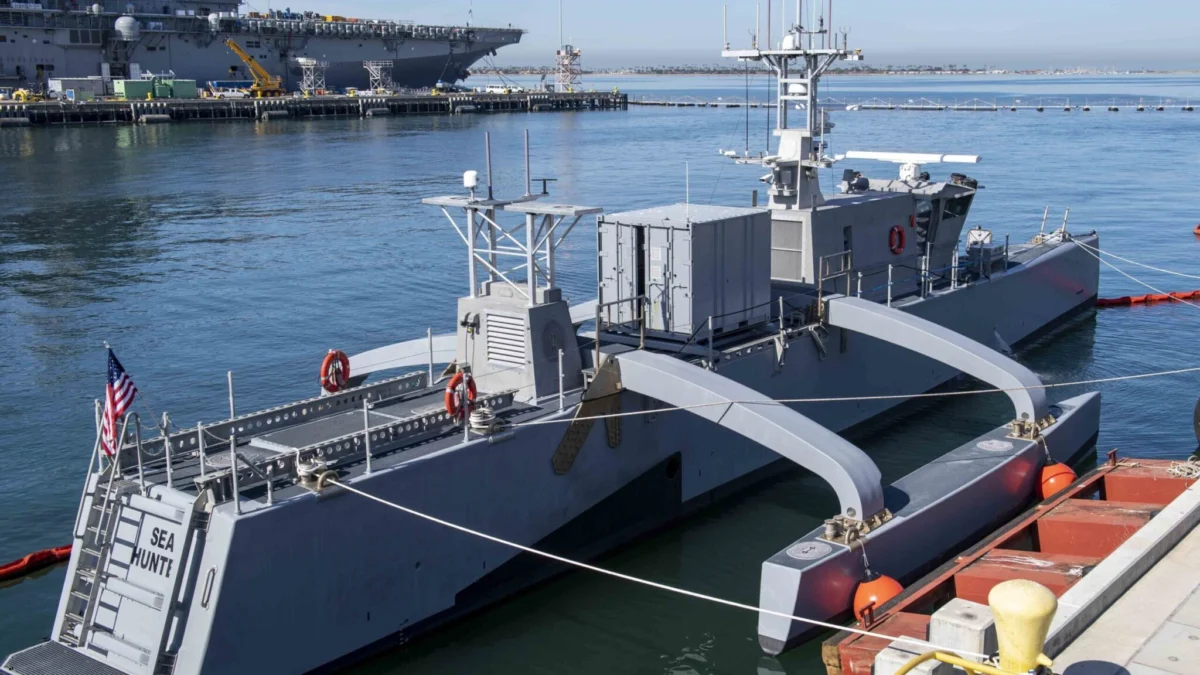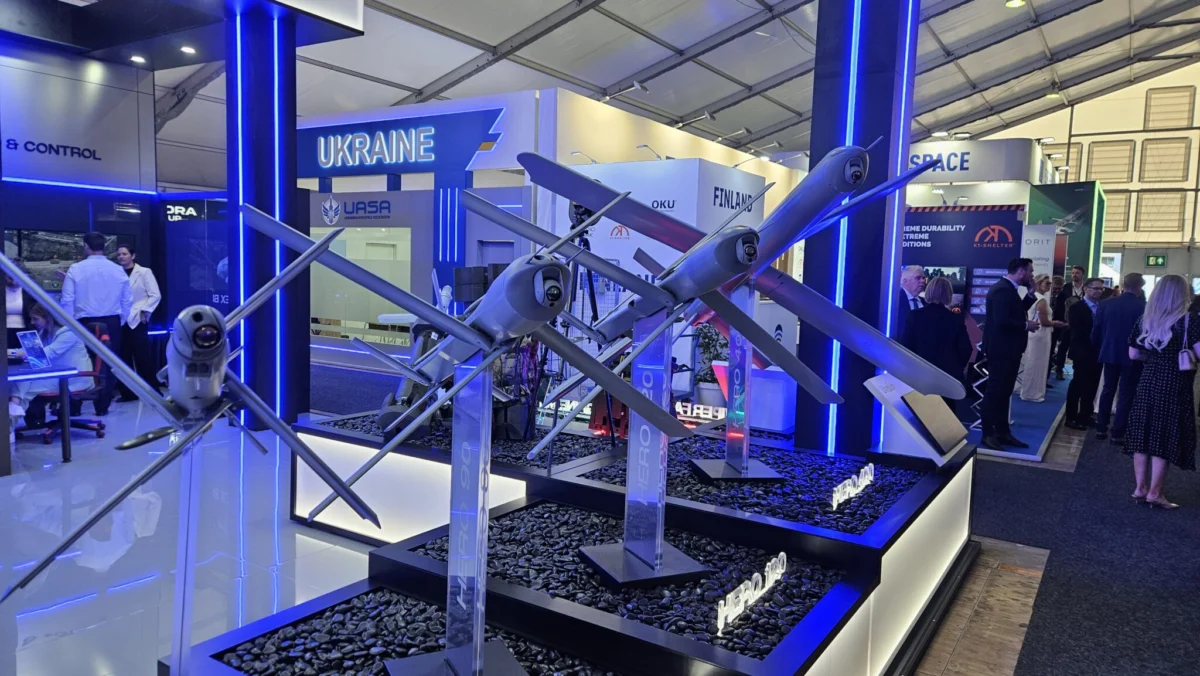
The modern battlefield has been irrevocably altered by the proliferation of uncrewed aerial systems (UAS). What was once the exclusive domain of state actors operating high-end, multi-million-dollar platforms has collapsed into an asymmetric contest where sub-$1,000 systems can neutralize multi-billion-dollar infrastructure. This shift has rendered traditional, radar-centric point defenses increasingly obsolete, as they struggle to track low-observable, low-altitude threats that swarm in numbers exceeding the capacity of legacy sensor networks.
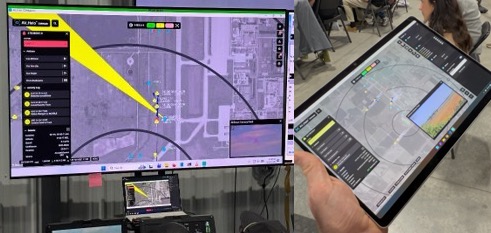
In response to this existential challenge, AeroVironment (AV) has developed Halo_Shield, a modular, distributed counter-UAS (C-UAS) architecture designed to restore air superiority in contested environments. By fusing passive and active sensor data into a singular, high-fidelity command-and-control (C2) picture via the AV_Halo software, the system moves away from vulnerable, siloed point defenses toward a resilient, "tiled" ecosystem.
Through three high-stakes Defense Department exercises—T-REX 25-2, TWIX 2026, and T-REX 2026—Halo_Shield has evolved from a theoretical prototype into a proven, operationally ready warfighting system capable of executing full, multi-domain kill chains.
The Strategic Shift: Addressing Asymmetric Vulnerabilities
Traditional air defense has long relied on the "search-and-destroy" paradigm: large, expensive radar arrays tasked with identifying targets that are then engaged by dedicated missile batteries. However, the rise of "Group 1-3" UAS—ranging from commercial quadcopters to tactical fixed-wing drones—has created a "tyranny of numbers."
"Protecting our defense infrastructure and assets has evolved into an asymmetric warfare exercise," notes Stephen Lloyd, Senior Director at AV and a veteran of nearly four decades in aviation safety and defense. "When low-cost systems can collapse traditional air superiority, our sensor networks, bases, and personnel are left exposed. We needed a shift toward a distributed architecture that doesn’t rely on a single point of failure."
Halo_Shield’s "Tile" architecture is the answer to this. By deploying integrated, resilient kill chains across domains, the system incorporates a diverse array of tactical effectors and sensors. This redundancy ensures earlier detection and, crucially, reduces the reliance on single-mode sensors that can be easily spoofed or saturated by electronic warfare (EW).
A Chronology of Success: From Prototype to Operational Asset
The maturation of Halo_Shield was not achieved in a vacuum, but through the crucible of rigorous, multi-agency field experimentation.
T-REX 25-2: Establishing the Baseline at Camp Atterbury
The Technology Readiness Experimentation (T-REX) 25-2 event at Camp Atterbury, Indiana, served as the initial proving ground. Managed by the Department of the Army and the National Guard alongside Task Force RAPTR, the exercise sought to answer four critical questions:
- Could the system fuse disparate passive sensors into a single Common Operating Picture (COP)?
- Could it operate in contested, noisy electromagnetic environments?
- Did it contribute to a multilayered base defense?
- Was it sustainable in a real-world military logistics chain?
The results were decisive. Halo_Shield acted as the "brain," ingesting data from Walaris AirScout (acoustic/optical), Squarehead Discovair (acoustic), and AV’s Titan SV (passive RF). By fusing these into a single COP, the system enabled passive detection of small drones with near-zero manual intervention. Furthermore, the system’s modular design allowed for a "Terrestrial Tile" deployment—a vehicle-mounted configuration that could be powered on and fully operational in less than 15 minutes.
TWIX 2026: The Interoperability Milestone
Building on the foundation of T-REX 25-2, the TWIX 2026 exercise in Sumter, South Carolina, shifted the focus to interoperability. The event brought together the U.S. Air Force, MITRE, the Department of Homeland Security, the National Guard, and industry partners to test how well Halo_Shield could "speak the language" of other systems.
At TWIX, the focus was on the "integrated" aspect of the architecture. Halo_Shield did not operate in isolation; it shared data via UDL (Unified Data Library) and other standard-aligned formats. The exercise proved that the system could be dropped into a complex environment and immediately contribute to a broader C2 network. The agility displayed was profound: remote nodes were repositioned and reconfigured with minimal downtime, a necessity for expeditionary operations where the "front line" is fluid.
T-REX 2026: Achieving the Full Kill-Chain
The capstone of this developmental journey was T-REX 2026 at Grand Forks Air Force Base. This was the most demanding test yet, incorporating a vast array of assets: Argus Perimeter Security, Titan RF, SRC Gryphon active radars, and, significantly, the LOCUST High Energy Laser (HEL) system.
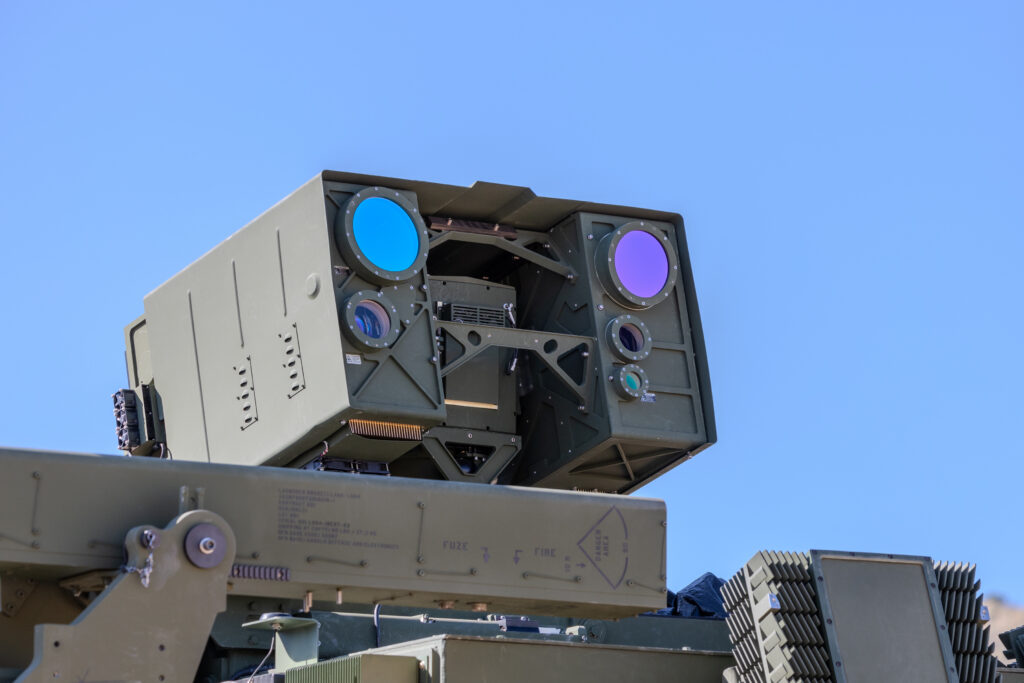
During these trials, the system achieved "left-of-launch" detection, identifying potential pilot teams and launch sites before the drones even took flight. The kill-chain metrics were striking: detection-to-ID occurred in seconds, and the system successfully neutralized a five-ship swarm in short order. A major highlight was the use of AV_Halo COMMAND to direct the LOCUST laser—the first time such an engagement had been conducted at the base without requiring massive external support teams.
Supporting Data: Technical Performance Metrics
The success of Halo_Shield is underscored by its operational reliability and performance under stress. During the T-REX 2026 exercises, the system maintained near-100% uptime, with no software crashes or hardware failures recorded during the high-intensity testing phases.
| Metric | Performance |
|---|---|
| System Setup Time | 15–20 minutes |
| Launch-to-Detection | < 60 seconds |
| Detection-to-ID/Cue | 3–5 seconds |
| Uptime | ~100% |
| Kill-Chain Versatility | Multi-domain (RF/Optical/Acoustic/HEL) |
The integration of OMNI messaging formats and the Passive Multi-Spectral Air Surveillance Kill Chains (PMASKC) architecture ensures that Halo_Shield is not just a standalone product, but a modular component of the broader Joint All-Domain Command and Control (JADC2) ecosystem.
Official Perspective and Implications
The success of these exercises has sent a clear signal to defense acquisition leaders: the era of expensive, single-platform defense is waning.
"What we have built is a system that understands the chaos of the modern battlefield," says Stephen Lloyd. "By utilizing ‘Tiles’—Aerial, Terrestrial, and Celestial—we are creating a mesh of sensors and effectors that are as agile as the threats we are trying to defeat."
The Implications for Defense Policy:
- Democratization of Defense: By lowering the cost of entry for effective C-UAS, Halo_Shield allows for the protection of smaller, forward-deployed bases that were previously considered "too expensive to shield."
- Reduced Cognitive Load: Through intelligent sensor fusion, the system prevents "operator fatigue." Instead of watching twenty different screens, the operator sees a single, validated, and prioritized threat picture.
- Plug-and-Play Agility: The move toward modular, standards-aligned hardware means that the military can rapidly swap out sensors or effectors as technology advances, rather than being locked into a proprietary "walled garden."
Looking Ahead: The Future of Airspace Defense
As the threat environment continues to evolve—with the increasing integration of AI-piloted swarms and more sophisticated electronic warfare tactics—the necessity for a system that can adapt in real-time has never been greater.
The lessons learned at TWIX 2026, particularly the need for more "plug-and-play" capability and refined user interfaces, are already being incorporated into the next generation of Halo_Shield software. For military commanders, this means that the system is not static; it is a learning, growing organism that adapts to the tactical realities of the field.
The results of T-REX 25-2, TWIX 2026, and T-REX 2026 confirm that Halo_Shield is not merely a prototype; it is a field-proven solution for the modern age of asymmetric warfare. As AeroVironment continues to refine the system, the focus will remain on accelerating the decision-making cycle, ensuring that when the next swarm appears on the horizon, the defense is already active, the kill chain is closed, and the asset remains protected.
For those tasked with the protection of high-value assets and the integrity of national airspace, the message is clear: the future of defense is distributed, fused, and ready for deployment.
For further information on Halo_Shield or to view live operational data from the Grand Forks exercises, visit the official AeroVironment website.