The recent FIFA 2026 World Cup has ignited a colossal surge in football-related consumption on Netflix, transforming the streaming giant into a virtual hub for fans seeking to extend their tournament experience beyond the live matches. The global spectacle, hosted across North America, has demonstrably driven significant engagement across a diverse range of Netflix’s football-themed content, including documentaries, docuseries, talk shows, and interactive gaming, according to recent revelations from the streaming behemoth.
The tournament, which concluded earlier this year, has left an indelible mark on viewer habits, with fans actively seeking out on-demand entertainment and immersive gaming experiences to complement the thrilling on-pitch action. This phenomenon has translated into a dramatic uptick in viewership for Netflix’s extensive football library, underscoring the platform’s growing influence in the sports entertainment landscape.
A World Cup of Content: Unpacking the Surge in Football Consumption
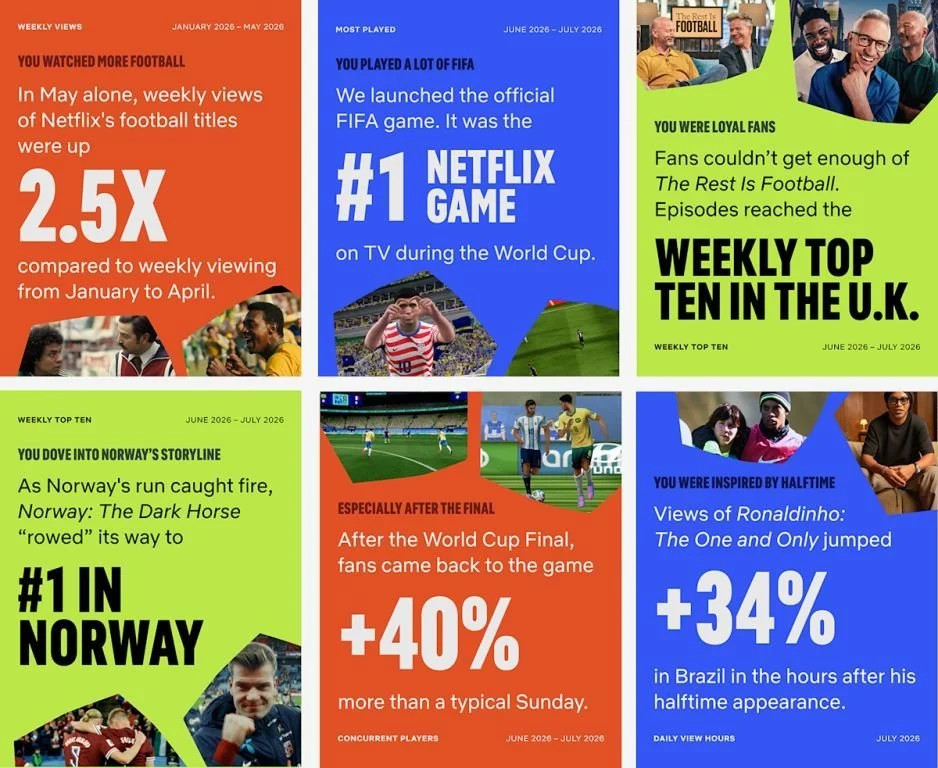
Netflix’s data paints a compelling picture of the World Cup’s impact. The company reported a staggering increase of over 250 percent in weekly views of its football titles in May compared to the preceding four months (January to April). This exponential growth was not confined to a single piece of content but was fueled by a meticulously curated and diverse portfolio designed to cater to every facet of football fandom.
This broad appeal was evident in the popularity of historical documentaries that delved into the sport’s rich past. Titles such as "Brazil 70: The Third Star," "Mexico 86," "James," and "Norway: The Dark Horse" resonated deeply with viewers, offering nostalgic journeys and compelling narratives that captured the essence of footballing heritage. These documentaries provided fans with a deeper understanding and appreciation of the sport’s evolution, serving as a perfect counterpoint to the contemporary drama unfolding in the World Cup stadiums.
Furthermore, the official FIFA World Cup: Launch Edition game emerged as a significant driver of engagement, allowing fans to virtually participate in the tournament’s excitement. This interactive offering provided a unique avenue for fans to connect with the sport, blurring the lines between passive viewing and active participation. The success of this game highlights Netflix’s strategic move to integrate gaming as a core component of its entertainment ecosystem, particularly during major sporting events.
From Legends to Local Heroes: Content That Scored Big
The World Cup’s narrative extended beyond team victories and individual brilliance; it celebrated the indelible legacies of footballing icons. Netflix’s biographical content proved particularly impactful, with the documentary "Ronaldinho: The One and Only" experiencing a remarkable surge in popularity. In Brazil, within mere hours of the legendary Ronaldinho making a surprise halftime appearance during the tournament, viewership for his documentary jumped by an impressive 34 percent. This demonstrates the powerful emotional connection fans have with their sporting heroes and how timely activations can significantly amplify content reach.
The power of underdog stories also resonated strongly. "Norway: The Dark Horse" not only captured the attention of international audiences but also became the number one title in Norway during its inaugural week on the platform. Its consistent presence within Norway’s Top 10 throughout the entire FIFA World Cup further solidified its appeal, illustrating how localized and compelling narratives can achieve widespread success. This highlights Netflix’s ability to cater to niche interests while maintaining a global reach.
The Power of the Panel: Talk Shows and Real-Time Analysis
Beyond documentaries and games, the conversational and analytical side of football also found a significant audience. Netflix’s football talk show, "The Rest Is Football," featuring esteemed football pundits Gary Lineker, Micah Richards, and Alan Shearer, garnered considerable traction. The show’s daily episodes consistently reached the weekly Top 10 in the United Kingdom, a testament to its insightful discussions and the enduring appeal of its charismatic hosts. The show’s success has prompted Netflix to secure a renewal for the 2026-27 Premier League season, signaling a long-term commitment to this format and its ability to engage dedicated football enthusiasts. This strategic decision underscores the value of consistent, high-quality sports commentary in retaining and growing a subscriber base.
Gaming the System: Interactive Football Extends the Tournament Thrill
The FIFA 2026 World Cup was not just about watching; it was about playing. Gaming emerged as a potent catalyst for sustained engagement, with the FIFA World Cup: Launch Edition ascending to the coveted position of the number one most-played game on Netflix during the tournament. The impact of this game extended well beyond the final whistle. Even after the World Cup concluded, gameplay activity remained more than 40 percent above normal levels, indicating a sustained interest and a lasting connection forged through interactive gameplay.
Detailed insights into player choices within the game offer a fascinating glimpse into global footballing preferences:
- Most Selected Team: Brazil emerged as the overwhelming favorite, a predictable yet telling choice given the nation’s footballing pedigree. This was closely followed by Mexico and Argentina, reflecting strong regional allegiances and historical rivalries.
- National Pride in Gameplay: Brazilian players predominantly chose their home nation, showcasing an unwavering sense of national pride. In contrast, gamers in the United States most frequently selected Argentina, suggesting a blend of tactical preference and an admiration for the South American giants.
- Player Upgrade Preferences: When it came to enhancing their in-game rosters, Brazilian users favored the dynamic skills of Vinicius Junior. Mexican gamers gravitated towards the clinical finishing of Raul Jimenez. Meanwhile, US players strategically invested their upgrades in the legendary Cristiano Ronaldo of Portugal, underscoring the enduring global appeal of established superstars.
A particularly intriguing statistic revealed that after every real-life World Cup victory, players were more than two times as likely to select the winning national team in the game. This correlation between on-field success and virtual player choice highlights the immersive nature of the gaming experience and its ability to amplify the emotional resonance of the real tournament.
Looking Ahead: A Continued Commitment to Global Sports Entertainment
While Netflix did not disclose specific financial performance figures stemming from the 2026 FIFA World Cup, the company’s proactive approach to sports entertainment is evident. The streaming giant is already gearing up for its next major footballing event: the FIFA Women’s World Cup, which will be streamed live from the United States and Canada between June 24 and July 25, 2027. This significant expansion of its sports entertainment portfolio signifies Netflix’s strategic intent to become a dominant force in the global sports streaming market, further solidifying its position as a go-to destination for fans seeking comprehensive and engaging sports content. The success of the men’s World Cup has clearly paved the way for an even more ambitious future in sports broadcasting.