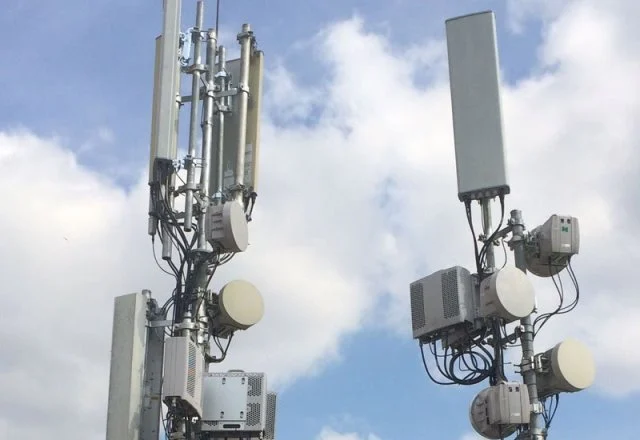
New Delhi, India – November 16, 2024 – India’s ambitious journey towards universal digital connectivity is gaining significant momentum, underscored by a series of pivotal announcements and policy discussions shaping the nation’s telecommunications landscape. From substantial investments in rural broadband infrastructure to high-level dialogues addressing critical policy bottlenecks, the Indian government and industry leaders are actively collaborating to accelerate network expansion and ensure equitable access to high-speed internet.
Key developments this week include the approval of a substantial ₹3,189 crore investment for the BharatNet program in Telangana, poised to connect over 12,000 gram panchayats. Concurrently, a crucial meeting chaired by the Union Communications Minister highlighted the government’s commitment to reviewing and reforming policies to dismantle infrastructure expansion hurdles, particularly concerning right-of-way permissions and energy-related challenges. While these initiatives focus on strengthening India’s digital backbone, international developments, such as Kinetic’s significant fiber broadband expansion across 18 US states, offer a comparative perspective on the scale and ambition driving global connectivity efforts.
BharatNet’s Telangana Surge: A Quantum Leap in Rural Connectivity
The most significant announcement emanates from the Department of Telecommunications (DoT), which has officially greenlit an investment of ₹3,189 crore for the Amended BharatNet Programme in Telangana. This substantial financial injection is earmarked to bring digital connectivity to a staggering 12,769 gram panchayats across the state. The scope of this project is comprehensive, encompassing 10,787 locations already identified under Phase II of BharatNet, 1,946 Phase I locations that will undergo crucial network upgrades, and an additional 36 newly established gram panchayats.
A critical aspect of this ambitious plan is the strategic upgrade of existing Phase I infrastructure. The current linear topology will be transitioned to a more robust and resilient ring topology. This architectural shift is designed to significantly enhance network stability, ensuring uninterrupted connectivity and minimizing downtime, a vital consideration for services reliant on consistent internet access. The implementation of the Amended BharatNet Programme is anticipated to catalyze the creation of approximately 300,000 rural fiber broadband connections, made accessible through government subsidies. This initiative directly addresses the digital divide, aiming to empower rural communities with the tools and opportunities afforded by high-speed internet.
The operational execution of this massive undertaking will be a collaborative effort, involving key entities such as the Telangana Rural Internet Infrastructure Corporation, Bharat Sanchar Nigam Limited (BSNL), and T-Fiber. While the agreement clearly delineates the implementation framework and the financial commitment, specific details regarding construction schedules, the exact number of additional fiber kilometers to be laid, and definitive completion dates remain undisclosed. However, the sheer scale of the approved investment and the clearly defined objectives signal a strong governmental resolve to expedite the digital transformation of rural Telangana.
Policy Overhaul on the Horizon: Tackling Infrastructure Bottlenecks
In parallel with the infrastructure development drive, the Indian government is actively engaging with industry stakeholders to identify and dismantle systemic barriers hindering the rapid expansion of telecom networks. Union Communications Minister Jyotiraditya Scindia convened a pivotal meeting of the Internet Service Providers Stakeholder Advisory Committee on November 10, a forum dedicated to addressing the complex challenges that impede the seamless deployment of telecom infrastructure across the nation.
The discussions at this high-level meeting were intensely focused on two primary areas of concern: right-of-way (RoW) permissions and energy-related issues. Delays in obtaining RoW permissions, which grant access to lay cables and erect infrastructure on public and private land, are a notorious bottleneck, often leading to protracted project timelines and escalating costs. Similarly, issues related to energy infrastructure, including access to reliable power for towers and network equipment, can significantly disrupt deployment schedules and impact operational efficiency.
The meeting served as a critical platform for industry leaders to articulate their challenges directly to the government and for policymakers to gain a deeper understanding of the practical impediments faced on the ground. The emphasis was on fostering a more collaborative ecosystem, where improved coordination between various government agencies and telecom service providers could streamline processes and accelerate the pace of network expansion.
Minister Scindia, in his remarks, reiterated the government’s unwavering commitment to addressing the concerns raised by the industry. He emphasized the need for coordinated policy actions and proactive problem-solving to create an environment conducive to rapid infrastructure development. The discussions held are particularly pertinent to the government’s overarching goal of expanding broadband connectivity to every corner of the country, strengthening the resilience and capacity of the existing telecom infrastructure, and accelerating the deployment of advanced network technologies, especially in underserved and remote regions. This policy review signals a proactive approach, recognizing that robust infrastructure is the bedrock of a digitally empowered nation.
Kinetic’s Global Push: A Snapshot of International Fiber Expansion
While India focuses on its domestic digital transformation, global players are also making significant strides in expanding their fiber broadband networks. Kinetic, a prominent telecommunications provider in the United States, announced on November 10 a substantial expansion of its fiber broadband network, adding 162,000 new locations across 18 states during the third quarter of 2026. This rapid rollout underscores the continued global demand for high-speed internet and the ongoing investment in fiber optic technology.
The expansion was particularly robust in key states, with Georgia seeing the addition of over 26,000 locations, followed by Kentucky with 19,000, Texas with 18,600, North Carolina with 15,800, and Oklahoma with 7,000 new passings. In Kentucky alone, Kinetic’s network expansion reached more than 80 communities, while Georgia’s rollout extended to over 140 communities, demonstrating a concentrated effort to bring multi-gigabit services to a broad base of residential and business customers.
Kinetic currently boasts approximately 2.2 million fiber passings and an impressive 11.9 million fiber strand miles across its extensive network. The newly activated infrastructure is designed to support multi-gigabit broadband services, catering to the increasing bandwidth demands of modern digital life, from streaming high-definition content and online gaming to supporting remote work and advanced educational applications. While Kinetic did not disclose the specific capital expenditure associated with these quarterly additions, the sheer scale of the expansion highlights the significant ongoing investments in fiber infrastructure by major telecom operators globally. This international perspective provides a benchmark and an insight into the competitive landscape and technological advancements shaping the future of broadband connectivity worldwide.
Supporting Data and Global Trends
The investments announced in India and the expansions by companies like Kinetic are underpinned by robust data indicating the critical role of digital connectivity in economic growth and social development. The International Telecommunication Union (ITU) consistently reports that broadband penetration is directly correlated with GDP growth. For instance, a 10% increase in broadband penetration can lead to a 1.3% increase in GDP.
In India, the National Broadband Mission aims to connect 600,000 villages with broadband by 2024. The BharatNet program, as evidenced by the Telangana initiative, is the cornerstone of this mission. The country has witnessed a significant surge in internet users, with the number of internet subscribers crossing the 800 million mark and mobile data consumption continuing to rise exponentially. However, a substantial digital divide persists, with rural and remote areas lagging behind urban centers in terms of both availability and affordability of high-speed internet.
The challenges highlighted in the DoT meeting, such as RoW permissions, are not unique to India. Globally, obtaining timely and cost-effective access to deploy fiber optic cables remains a significant hurdle for network operators. Reforms in this area, such as streamlined application processes and standardized fee structures, are crucial for accelerating network build-outs.
The growth in fiber optic deployment, as exemplified by Kinetic’s expansion, is a global trend. The demand for higher speeds and lower latency is driving investments in fiber-to-the-home (FTTH) solutions. According to market research firms, the global fiber optic market is projected to grow at a compound annual growth rate (CAGR) of over 10% in the coming years, driven by the proliferation of 5G networks, the Internet of Things (IoT), and the increasing adoption of bandwidth-intensive applications.
Official Responses and Future Implications
The proactive engagement from the Ministry of Communications, particularly the Minister’s direct involvement in stakeholder meetings, signals a strong political will to foster a supportive environment for the telecom sector. Minister Scindia’s commitment to addressing industry concerns through "coordinated policy action" is a positive indicator for the future. This approach suggests a move towards a more integrated governance model, where different government departments and agencies work in synergy to facilitate infrastructure development.
The implications of the BharatNet expansion in Telangana are profound. It promises to unlock new economic opportunities for rural communities by enabling access to e-commerce, digital education, telemedicine, and online government services. For small businesses and entrepreneurs in these areas, enhanced connectivity can open up new markets and improve operational efficiency. Furthermore, it can bridge the information gap, empowering citizens with access to crucial information and services, thereby fostering greater social inclusion.
The ongoing review of policy and infrastructure bottlenecks is equally critical. By addressing issues like RoW permissions and energy access, the government aims to reduce the time and cost associated with network deployment. This, in turn, can lead to more competitive pricing for consumers and faster rollout of advanced services like 5G. The focus on underserved areas suggests a commitment to ensuring that the benefits of digital transformation are shared equitably across the nation.
The convergence of substantial infrastructure investment, policy reforms, and a collaborative approach between government and industry positions India at a critical juncture in its digital journey. The success of initiatives like BharatNet, coupled with the systematic removal of policy impediments, will be instrumental in realizing India’s vision of a digitally empowered nation, where connectivity is not a privilege but a fundamental right, driving economic prosperity and social progress for all its citizens. The coming months and years will be crucial in observing the tangible outcomes of these strategic moves and their impact on bridging the digital divide.