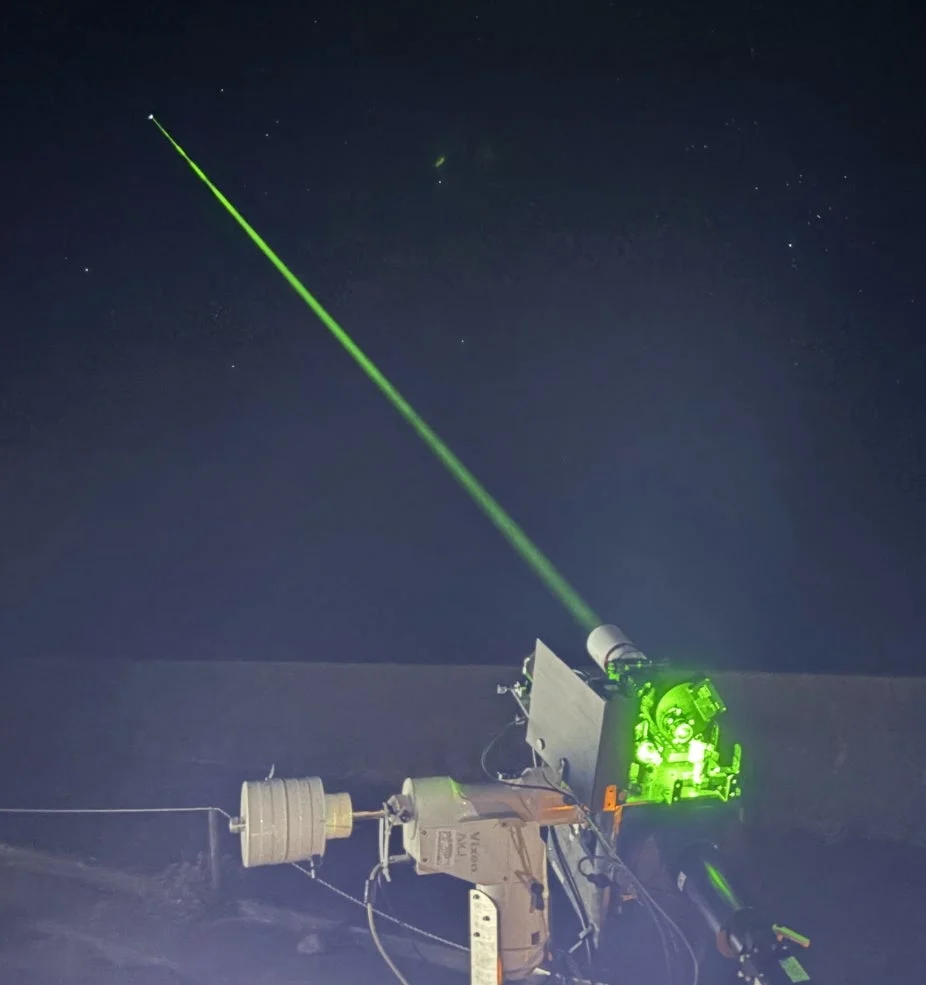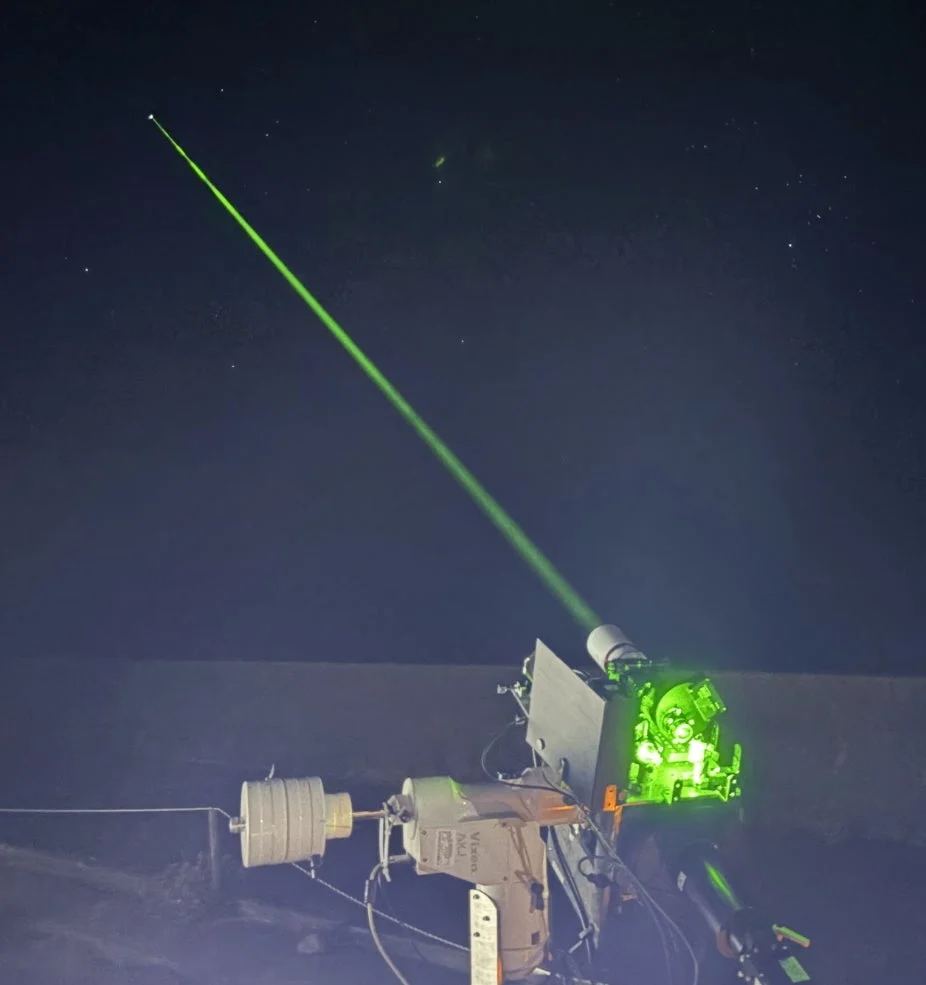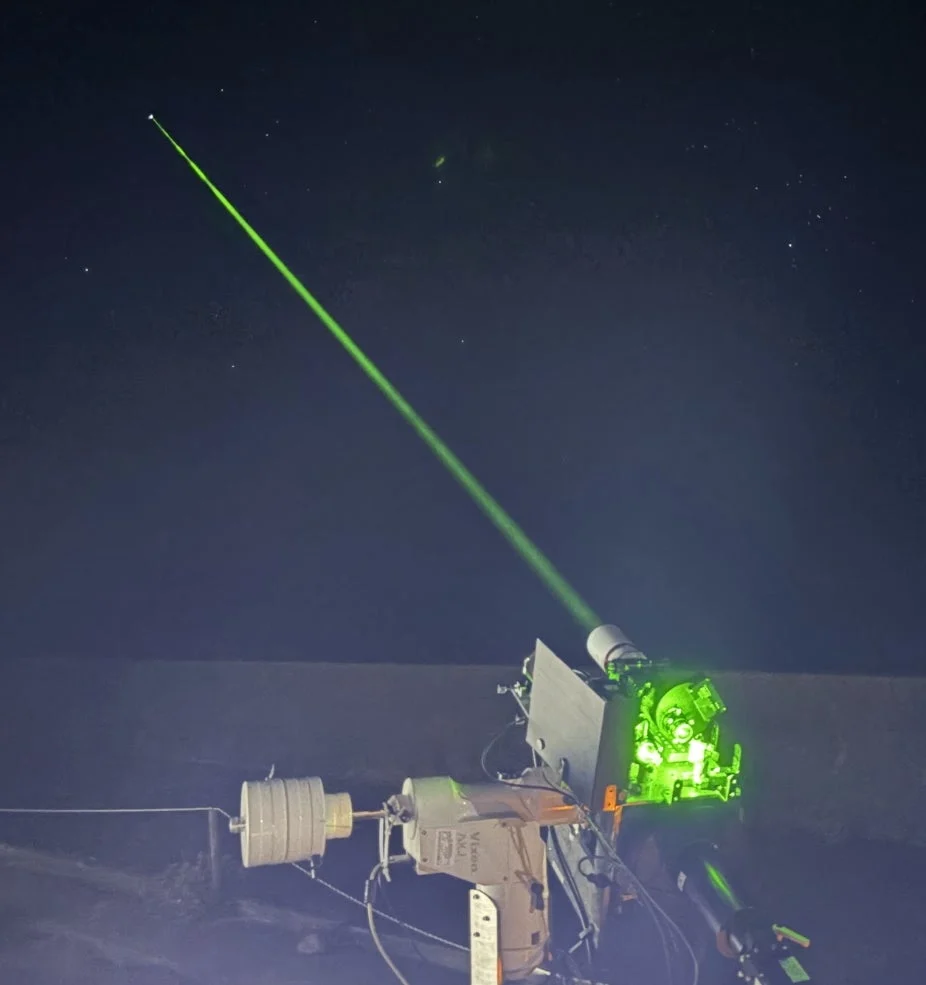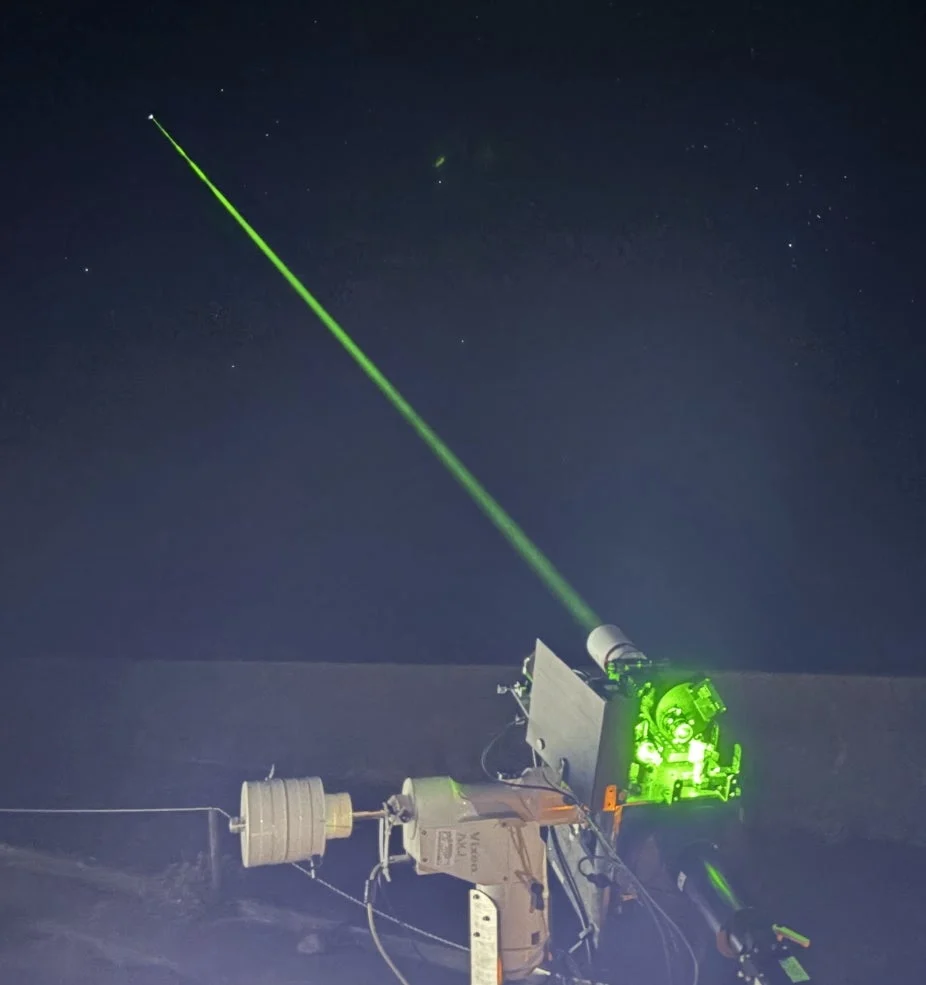

WASHINGTON, D.C. — In a significant development for the burgeoning intersection of quantum computing and national security, BosonQ Psi Federal LLC (BQP) has officially secured a strategic funding award from SpaceWERX. This milestone marks the firm’s inaugural federal contract, signaling a pivotal shift in how the United States Space Force and broader defense intelligence agencies might process critical data in the unforgiving environment of orbital operations.
The award, granted under the SpaceWERX Open Topic Small Business Innovation Research (SBIR) program, tasks BQP with the development and validation of a sophisticated software application. This project aims to revolutionize Space Domain Awareness (SDA)—the ability to track, identify, and understand the behavior of objects in Earth’s orbit—by leveraging the company’s proprietary Physics-Constrained Quantum-Assisted Machine Learning (PC-QAML) platform.
Main Facts: A New Frontier in Edge Computing
The core of the initiative lies in BQP’s innovative approach to artificial intelligence. Unlike traditional AI models that rely on massive, energy-hungry graphics processing units (GPUs) or cloud-based data centers, BQP’s PC-QAML is architected for the "edge." Specifically, the software is designed to execute directly on space-qualified hardware.
By integrating physics-based modeling with quantum-inspired computational techniques, the BQP platform can perform high-fidelity AI inference in resource-constrained environments. This capability addresses one of the most persistent hurdles in modern space operations: the "latency gap." In a theater where satellite maneuvers, debris collisions, or adversarial intent must be assessed in near-real-time, transmitting data to ground stations for processing is often too slow and potentially vulnerable to signal interception or jamming.
The BQP platform operates on the principle that by constraining machine learning models with the laws of physics, the system requires significantly less computational overhead to achieve high levels of accuracy. When combined with quantum-inspired algorithms, the system can parse complex orbital trajectories and anomalous behaviors with a speed that classical, non-optimized software struggles to match.
Chronology of Progress: From Lab to Orbit
BQP’s trajectory toward this federal contract was not accidental; it is the result of a deliberate, multi-year engagement with the defense innovation ecosystem.
- Foundational Development: BQP spent its early years refining its PC-QAML architecture, focusing on the theoretical application of quantum-inspired mathematics to classical silicon-based processors. The goal was to prove that "quantum advantages" could be simulated today on existing hardware without waiting for the widespread availability of fault-tolerant quantum computers.
- Engagement with the Tap Lab: Recognizing the critical need for advanced SDA, BQP began a collaborative relationship with the Space Domain Awareness Tap Lab. This environment served as a testing ground, allowing the company to expose its algorithms to real-world datasets and operational scenarios.
- Alignment with Command Objectives: Throughout the past year, BQP has worked to support mission objectives for both the Space Operations Command (SpOC) Mission Delta 2 and the Space Systems Command (SSC). These engagements allowed the company to refine its software to meet the specific, rigorous requirements of the Space Force.
- The SpaceWERX Milestone: Following successful pilot tests and validation of their technical roadmap, BQP applied for and secured the SBIR award. This contract marks the transition from conceptual development to a formal, funded program of record validation.
Supporting Data: The Physics-Constrained Advantage
To understand why this technology is garnering federal interest, one must look at the constraints of space-based operations. Satellites operate with limited power budgets, radiation-hardened processors that are often generations behind consumer tech, and restricted bandwidth.
Why PC-QAML Matters
Traditional machine learning (Deep Learning) is notoriously "black box" and data-intensive. It requires millions of parameters and significant training data. PC-QAML changes this dynamic by:
- Reducing Data Dependency: By incorporating physics constraints, the AI does not have to "learn" the laws of orbital mechanics from scratch; they are baked into the model. This leads to faster convergence and more reliable predictions.
- Energy Efficiency: Because the model is computationally lighter, it produces less heat and consumes less power. In the vacuum of space, thermal management is a primary constraint; power-efficient software directly extends the operational life of a satellite.
- Autonomous Inference: The ability to identify "unknown objects" without constant ground-station intervention is a major leap toward autonomous satellite resilience.
According to technical briefs provided by BQP, the integration of these quantum-inspired techniques allows for a level of predictive accuracy in object tracking that matches or exceeds current ground-based systems, but with the added benefit of decentralized, localized processing.
Official Responses and Strategic Vision
The announcement of the contract has been met with enthusiasm from within the company’s leadership, who view this as a validation of their long-term vision.
Rut Lineswala, founder and CTO of BQP, emphasized that the technology is designed to solve the most pressing problems for national security operators. "Our goal is to make advanced AI practical where it matters most: on satellites and forward-deployed systems operating with limited computing power and intermittent communications," Lineswala stated.
"This award represents an important validation of our technology and gives us the opportunity to demonstrate how quantum-inspired computing can solve real operational challenges for national security today," he added.
From a policy perspective, the SpaceWERX program—the innovation arm of the Space Force—has consistently sought to bridge the gap between Silicon Valley-style innovation and the rigid requirements of the defense sector. By funding BQP, the Space Force is signaling that it is moving away from the era of "big, heavy, and slow" satellite architecture toward a more agile, distributed network of intelligent nodes.
Implications for the Future of Space Domain Awareness
The implications of this contract extend far beyond a single software application. As the orbital environment becomes increasingly crowded with commercial constellations, debris, and, increasingly, adversarial platforms, the ability to maintain "space situational awareness" is becoming a matter of national survival.
1. Shift Toward Edge Autonomy
If BQP’s technology succeeds in field validation, it will set a new standard for future satellite design. Future "intelligent" satellites could be capable of identifying an impending collision or an adversarial "close-approach" maneuver independently, taking evasive action without waiting for a ground-based human operator to review telemetry.
2. The "Quantum-Inspired" Bridge
BQP is part of a growing cohort of companies that are betting on "quantum-inspired" solutions to bridge the gap between classical and quantum computing. While actual quantum computers capable of breaking encryption or running complex simulations in space are still years away, these quantum-inspired algorithms offer a way to extract performance gains from today’s hardware. This acts as a vital "bridge" technology, ensuring that the U.S. remains ahead of the curve.
3. Strengthening the Defense Industrial Base
The successful integration of a small, specialized firm like BQP into the defense ecosystem highlights the efficacy of the SBIR program. By providing non-dilutive funding to early-stage firms, the Department of Defense is fostering a competitive market for cutting-edge space technology, reducing the reliance on legacy prime contractors.
Conclusion
The funding of BosonQ Psi Federal by SpaceWERX is a clear indicator of the U.S. Space Force’s commitment to modernizing its technological backbone. By prioritizing edge-based, physics-constrained artificial intelligence, the Department of Defense is attempting to solve the complex puzzle of maintaining security in a contested orbital domain.
As BQP begins the validation phase of this contract, the defense community will be watching closely. If the PC-QAML platform can indeed deliver on its promise of bringing high-speed, accurate AI to the vacuum of space, it will not only enhance the safety of our orbital assets but also redefine the operational doctrine of the next generation of space warfare. In the high-stakes game of space domain awareness, the shift toward intelligent, decentralized computing is no longer an aspiration—it is a strategic necessity.