As the global tech community turns its eyes toward Cupertino, the debate over hardware demand for the latest iPhone generation continues to swirl. However, while consumers weigh the merits of the new hardware, the real revolution is happening in the pockets of millions of existing users today. With the international rollout of iOS 27—the flagship of Apple’s newly minted 27-series OS family—the iPhone is no longer just a smartphone; it is evolving into an integrated, intelligent personal hub.
For those hesitant to initiate the update, the sheer breadth of features suggests that waiting is no longer a viable strategy. From AI-driven productivity gains to deep-level system optimizations, iOS 27 represents a generational leap in software design.
The Core Transformation: Speed and Liquid Glass
Performance Metrics
Apple has prioritized the "feel" of the device in this release. Through a complete overhaul of system-level task management, the company claims that application launch times have seen a performance boost of up to 30%. This isn’t merely a cosmetic change; it is the result of refined memory management and resource allocation that makes the interface feel instantaneous. Furthermore, AirDrop—the backbone of Apple’s ecosystem sharing—has been optimized to deliver transfer speeds nearly twice as fast as the previous iteration, significantly reducing friction for power users.
The Evolution of Liquid Glass
Despite ongoing rumors regarding the 20th-anniversary glass iPhone, Apple is doubling down on its "Liquid Glass" design language. iOS 27 introduces a more mature iteration of this aesthetic, characterized by sharper, more defined iconographies and a sophisticated contrast-adjustment engine. A significant addition for UI enthusiasts is the new transparency slider, which allows users to dictate the degree of translucency across the OS, providing a personalized level of depth and immersion that was previously locked behind static system settings.
Chronology of the Release
The journey to iOS 27 was marked by a rigorous beta testing cycle, which saw Apple’s engineers iterate rapidly based on developer and public feedback.
- Phase 1 (Development): Early developer previews focused on foundational stability and the integration of Apple Intelligence frameworks.
- Phase 2 (Public Beta): The public beta phase generated significant discourse, particularly regarding the privacy-focused implementation of AI within Siri.
- Phase 3 (Global Launch): Today marks the final deployment, with the update becoming available to the public at approximately 10:00 AM PDT.
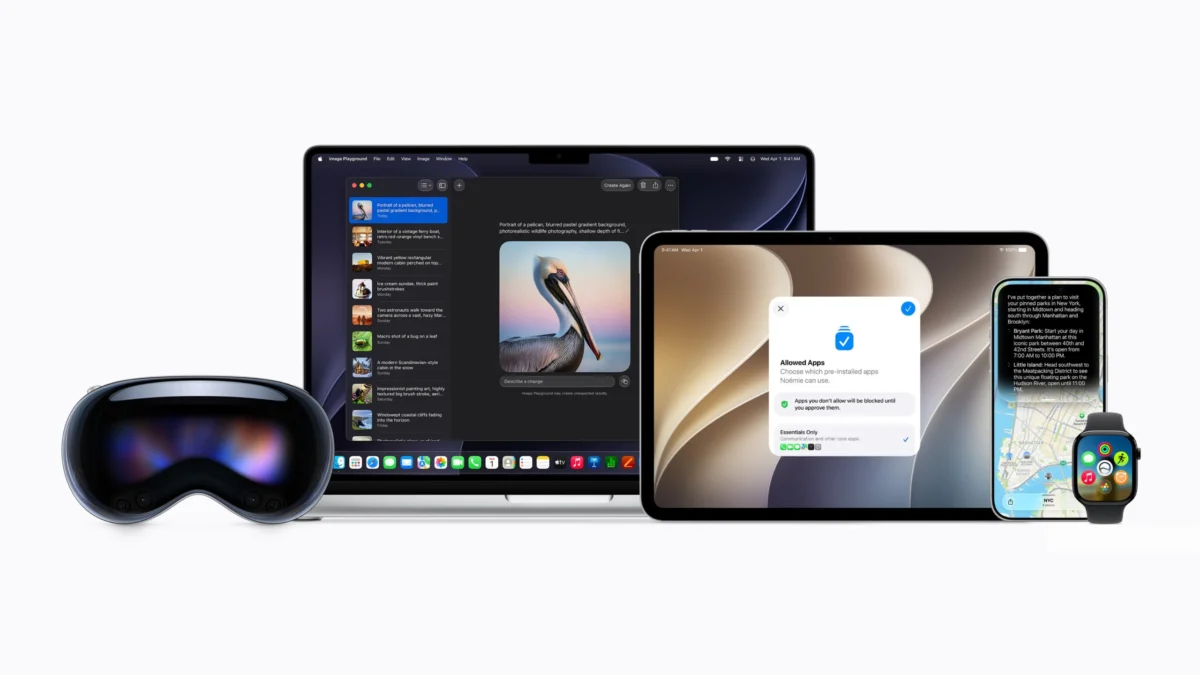
This rollout is not solitary; it is accompanied by the full 27-series OS family, ensuring that the features found on the iPhone are mirrored and synchronized across iPad, Mac, and wearable devices.
Supporting Data: The Productivity Engine
The New Siri: Contextual Awareness
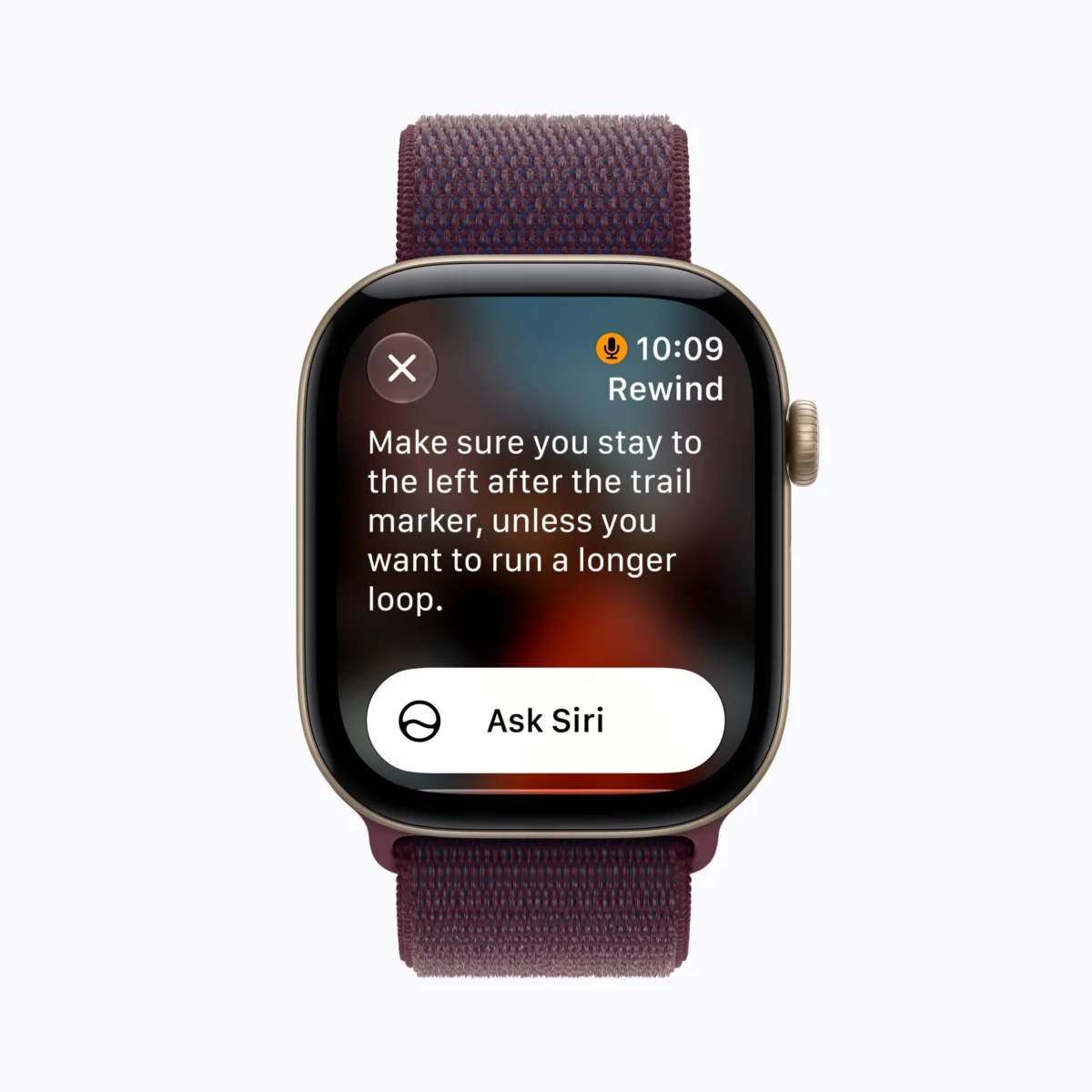
The most discussed feature of iOS 27 is undoubtedly the revamped Siri. Having transitioned from a simple voice command tool to a robust AI assistant, Siri now features a ChatGPT-like interface and a dedicated standalone app. Its "on-screen awareness" allows the assistant to understand the context of what a user is viewing, enabling seamless cross-app interactions. While EU users may face limitations due to regional regulatory landscapes, the global version of Siri represents a paradigm shift in human-computer interaction.
Intelligent Ecosystem Management
Apple has introduced several productivity tools that leverage machine learning to anticipate user needs:
- Reminders Smart Suggestions: The system now scans Messages to proactively identify tasks and suggest reminders.
- Safari Tab Grouping: AI automatically categorizes open tabs by topic, decluttering the browser interface.
- Shortcuts via Imagination: Users can now generate complex automation shortcuts simply by describing their desired workflow in plain language.
Official Responses and Strategic Implications
The "Dual-iPhone" Strategy
One of the most innovative, yet under-discussed, features is the expansion of iPhone Handoff. By allowing a single eSIM to be active across two devices simultaneously, Apple is acknowledging the growing trend of users carrying both a personal and a professional device. The transition is seamless; the moment a user unlocks their secondary device, the SIM activates, maintaining continuity of service. This feature signals Apple’s desire to dominate the enterprise space by making multi-device management effortless.
Safety and Security: A Proactive Approach
Apple has placed a renewed emphasis on the "Passwords" application. Beyond mere storage, the app now acts as a proactive security agent, capable of navigating to websites to automatically rotate weak or compromised credentials.
Furthermore, the company has implemented a comprehensive overhaul of parental controls. Responding to societal pressure regarding screen time and content exposure, the new "Ask to Browse" and "Ask to Buy" features provide parents with granular control over their children’s digital footprint. New safeguards against nudity, gore, and violence, combined with strict scheduling for school hours and meal times, demonstrate Apple’s commitment to safety as a primary product feature.
Implications for the Future of Mobile Computing
The Democratization of Development
Perhaps the most ambitious feature of iOS 27 is the ability to build Safari extensions using AI. By selecting the "Describe Extension" option in the browser’s menu, a user can effectively become a developer. This lowers the barrier to entry for custom browser functionality, allowing non-coders to tailor their browsing experience to their specific needs.
Visual and Spatial Computing
The advancements in Maps—specifically the integration of aerial imagery and vision intelligence during Flyover mode—suggest that Apple is preparing its software for a future of augmented reality. The level of detail and the sense of spatial immersion in the new Maps indicate that the iPhone is being primed to act as the primary interface for Apple’s broader spatial computing ecosystem.
Addressing the "Digital Debt"
Even in the mundane aspects of daily life, such as email management, iOS 27 offers relief. While improvements to search indexing and loading speeds are welcome, the real benefit lies in the improved Spotlight suggestions. By becoming more relevant and accurate, the OS helps users navigate their "digital debt"—the overwhelming accumulation of unread emails and files—with far greater efficiency.
Final Assessment: Why You Should Upgrade
The upgrade to iOS 27 is not merely about receiving new features; it is about ensuring that your device remains a secure, efficient, and intelligent partner. With the latest security patches—essential for any user in the current threat landscape—combined with the transformative power of Apple Intelligence, the case for installing the update is compelling.
As we move toward a future where our devices anticipate our needs rather than just responding to our commands, iOS 27 stands as the definitive bridge between the smartphone era and the era of intelligent personal computing. For those who value speed, security, and a smarter way to interact with the world, the 10:00 AM PDT release window should be viewed as a mandatory milestone.
The iPhone has long been a hub for communication and media; with iOS 27, it has officially become a hub for intelligence. Whether you are using the latest hardware or a legacy model supported by the 27-series, this update ensures that your device experience is fundamentally renewed.