The rapid ascent of Artificial Intelligence (AI) has fundamentally altered the discourse surrounding the future of work. While corporations race to integrate generative models and automated workflows into their operations, a striking psychological divide has emerged within the global workforce. Recent data from a comprehensive survey conducted by Glassdoor highlights a paradoxical trend: older employees—often characterized in tech discourse as being more resistant to change—are significantly more optimistic about the AI revolution than their younger counterparts.
This divergence in sentiment, which sees Gen X professionals looking toward AI with a sense of opportunity, while Gen Z workers view the technology as an existential threat to their livelihoods, raises profound questions about career stability, the nature of professional development, and the long-term psychological impact of the digital age.
The Main Facts: A Tale of Two Perspectives
The Glassdoor survey serves as a barometer for current workplace anxieties. According to the data, nearly 50% of Generation X employees (born 1965–1980) express a positive outlook regarding the integration of AI in their professional lives. In stark contrast, only 33% of Generation Z (born 1997–2012) share this optimism.
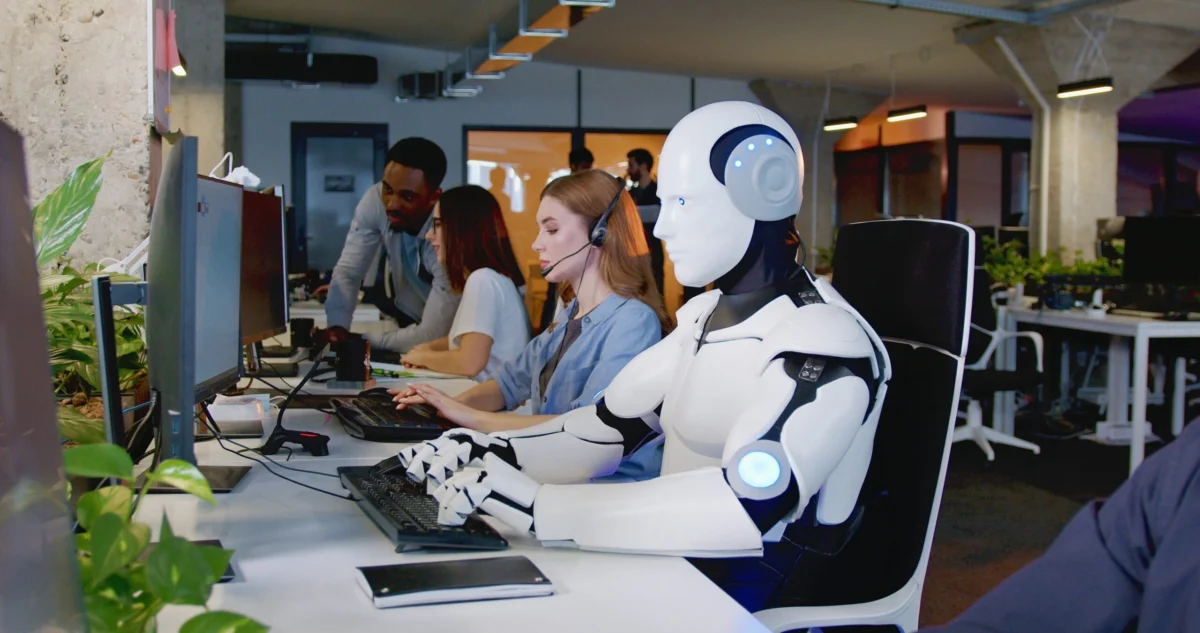
This gap is not merely a matter of technological literacy; it is a fundamental difference in how these generations perceive their own professional security. For the veteran workforce, AI is viewed as an efficiency tool—a way to outsource mundane tasks and amplify existing expertise. For the younger workforce, which is still in the process of building their career foundations, AI is frequently perceived as an encroaching competitor that could displace them before they ever reach their peak earning years.
Chronology of the AI Anxiety Surge
To understand why this gap exists, one must look at the timeline of AI’s mainstream adoption.
- 2022: The Paradigm Shift: The public launch of ChatGPT in late 2022 acted as the catalyst. While machine learning had existed in corporate backends for years, the sudden accessibility of generative AI made the possibility of "job displacement" a tangible, household fear rather than a theoretical abstraction.
- 2023: The Era of Corporate Integration: Throughout 2023, firms in sectors ranging from marketing to software development began aggressively pivoting to AI-integrated workflows. This period saw the first round of headlines regarding layoffs attributed to "AI efficiency."
- 2024: The Normalization of Fear: As companies began embedding AI into standard software suites (like Microsoft’s Copilot), the reality hit home. Gen Z, who were just entering the workforce or climbing the entry-level rungs, realized that their primary responsibilities—research, data entry, and basic drafting—were precisely the tasks AI performed best.
- 2025–2026: The Deepening Divide: By mid-2026, the contrast became impossible to ignore. As reported by Bloomberg, the "experience gap" emerged as the defining factor. Older workers began leaning into their institutional knowledge, while younger workers felt the floor was being pulled out from under their career trajectories.
Supporting Data: Examining the Disparity
The disparity between the generations is rooted in the perceived "value add" of the individual. When asked why they remain optimistic, Gen X respondents frequently cite the ability to delegate lower-level, repetitive tasks to AI, thereby allowing them to focus on high-level strategy, client relations, and mentorship.
Conversely, the data suggests that Gen Z’s negative attitude is directly correlated with their role in the current labor market. Junior positions often rely on the mastery of entry-level tasks—the very tasks currently being automated. When a junior employee sees an AI model perform a task in seconds that takes them hours, their sense of professional identity and security is threatened.
Furthermore, economic volatility has amplified this fear. Younger workers, who have navigated a landscape of student debt, housing crises, and post-pandemic inflation, view AI as one more factor that limits their ability to climb the socioeconomic ladder. Older workers, conversely, feel that their years of tenure and deep industry expertise act as a "moat" that protects them from being replaced by an algorithm.
Official Responses and Expert Analysis
The findings have sparked a heated debate among human resources experts and labor economists.
Dr. Elena Vance, a senior consultant on labor trends, noted in a recent roundtable discussion: "What we are seeing is a crisis of confidence in the ‘ladder’ of success. Gen X knows that they have already built the foundation. They view AI as a scaffolding that helps them finish their careers in comfort. Gen Z, however, is looking at a missing rung on the ladder. They are terrified that the junior roles they occupy will simply disappear, leaving them no path to senior-level experience."
Tech executives have attempted to pivot the narrative, often framing AI as a "co-pilot" rather than a replacement. However, many HR departments have struggled to communicate this to their junior staff. A spokesperson for a leading global recruitment firm remarked, "The message of ‘augmentation’ is being lost. We are seeing a breakdown in the transfer of knowledge because junior employees are worried that if they learn to work with AI, they are essentially training their own replacements."
Implications for the Future of Work
The implications of this generational rift are far-reaching, affecting everything from corporate culture to long-term economic stability.
1. The Erosion of Mentorship
If younger employees feel that their professional future is in jeopardy, they are less likely to invest in the company’s long-term goals. Furthermore, if older employees are viewed as the ones "holding the keys" to a future that feels threatened, the organic mentorship cycle—a cornerstone of professional development—may begin to fracture.
2. The Skills Gap Crisis
There is a looming risk that as companies automate entry-level roles, the "apprenticeship" model of the workplace will vanish. If Gen Z workers are not given the opportunity to perform the foundational work that creates expertise, who will step into the senior roles once the Gen X workforce retires? The long-term consequence could be a hollowed-out corporate structure, where there is a surplus of senior managers but a dearth of mid-level managers with deep, hands-on experience.
3. Corporate Strategy and Retention
Companies that fail to address the anxiety of their younger workforce will likely face a retention crisis. Gen Z workers are increasingly looking for employers who provide clear, transparent roadmaps for how they will evolve in an AI-driven environment. Firms that offer robust upskilling programs—focusing on AI literacy, ethical prompt engineering, and soft skills—are more likely to retain talent than those that simply view AI as a cost-cutting mechanism.
4. Psychological Impacts
The fear of technological displacement is a significant stressor. The mental health implications of a workforce that feels "disposable" cannot be understated. Organizations must move beyond the rhetoric of efficiency and address the human element of the AI transition. This involves psychological safety, acknowledging the validity of these fears, and fostering a culture of collaborative evolution rather than competitive survival.
Conclusion: Bridging the Divide
The divide between Gen X and Gen Z regarding AI is not merely a difference of opinion; it is a symptom of a shifting economic landscape. While older generations rely on the safety net of their experience, the younger generation is operating in a state of high-stakes transition.
To bridge this divide, the workplace must undergo a structural transformation. It is not enough to integrate technology; corporations must ensure that the human element remains at the core of the business model. This requires a shift from viewing AI as a replacement for labor to viewing it as a tool for workforce empowerment. If firms fail to provide younger employees with a clear vision of their future in an AI-assisted world, the generational divide will only widen, leading to decreased productivity, fractured company culture, and a stagnant labor market.
The challenge ahead is clear: organizations must move to reassure their workforce that human expertise remains the most valuable asset in the room, even as the tools of the trade evolve. The goal must be to ensure that the AI revolution serves as a bridge between generations, rather than the wall that separates them.