As the digital economy accelerates, fueled by the relentless demand for artificial intelligence and massive data processing, the physical footprint of the "cloud" has come under intense scrutiny. Amazon Web Services (AWS), the world’s largest cloud provider, has taken a significant step toward addressing these concerns by updating its environmental reporting dashboard to include granular, annual data regarding water withdrawals attributed to individual customer activities.
This development marks a pivotal moment in corporate sustainability reporting. By providing clients with specific data on the water consumed to power their cloud infrastructure, AWS is moving beyond high-level corporate social responsibility statements and into the realm of actionable, transparent environmental accounting.
The Evolution of the AWS Sustainability Console
The introduction of water withdrawal metrics is the latest enhancement to the AWS Sustainability Console, a digital platform originally launched in March to assist customers in tracking the greenhouse gas (GHG) emissions associated with their cloud usage.
According to Alexis Bateman, head of global sustainability for AWS, the decision to incorporate water metrics was a direct response to customer demand. As sustainability teams across industries face increasing pressure from regulators, shareholders, and consumers to report on their Scope 3 emissions—the indirect emissions that occur in a company’s value chain—cloud service providers have become critical partners in these efforts.
"We really wanted to target some of the key data points that customers were asking for," Bateman noted. The new dashboard metrics encompass a variety of water uses, ranging from the intensive requirements of data center cooling systems to peripheral uses, such as fire protection tank maintenance. To ensure the accuracy of these figures, AWS has collaborated closely with utility providers and utilized sophisticated telemetry across its global network of data centers.
A Proprietary Methodology for Complex Calculations
Calculating the water impact of a virtual service is a notoriously complex task. Because cloud customers share hardware and infrastructure, attributing specific environmental costs to a single entity requires a robust and verifiable framework.
AWS has developed a proprietary methodology for these calculations, borrowing heavily from the approaches it refined for its carbon emissions reporting. Critically, both the carbon and water reporting methodologies have undergone third-party assurance to ensure they meet rigorous industry standards.
The dashboard provides historical data dating back to January 2022, allowing corporate sustainability officers to integrate this information into their multi-year environmental impact assessments. This capability is viewed as a vital tool for organizations looking to identify "negative trade-offs."
Celine Lescop, global digital sustainability executive lead at the French insurance giant AXA, underscored the value of this transparency. "It completes our existing measurements of GHG emissions and energy consumption, giving us a full picture of our environmental impact," Lescop said. "It allows us to identify and prevent negative trade-offs, ensuring we create holistic solutions rather than shifting problems from one resource to another."
The Delicate Water-Energy Balance
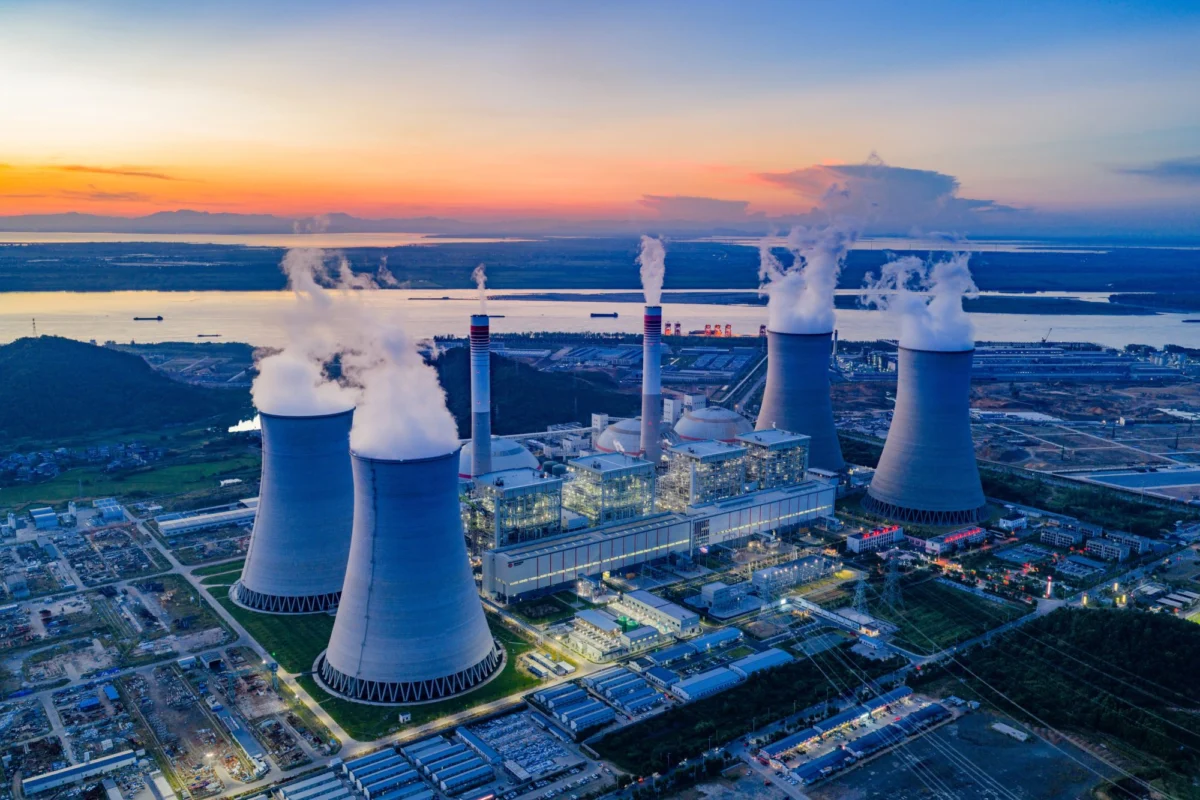
The push for greater water transparency comes at a time when the "Big Three" of cloud computing—Amazon, Google, and Microsoft—are facing a major strategic dilemma. The rapid expansion of artificial intelligence capacity requires massive amounts of power and, by extension, water.
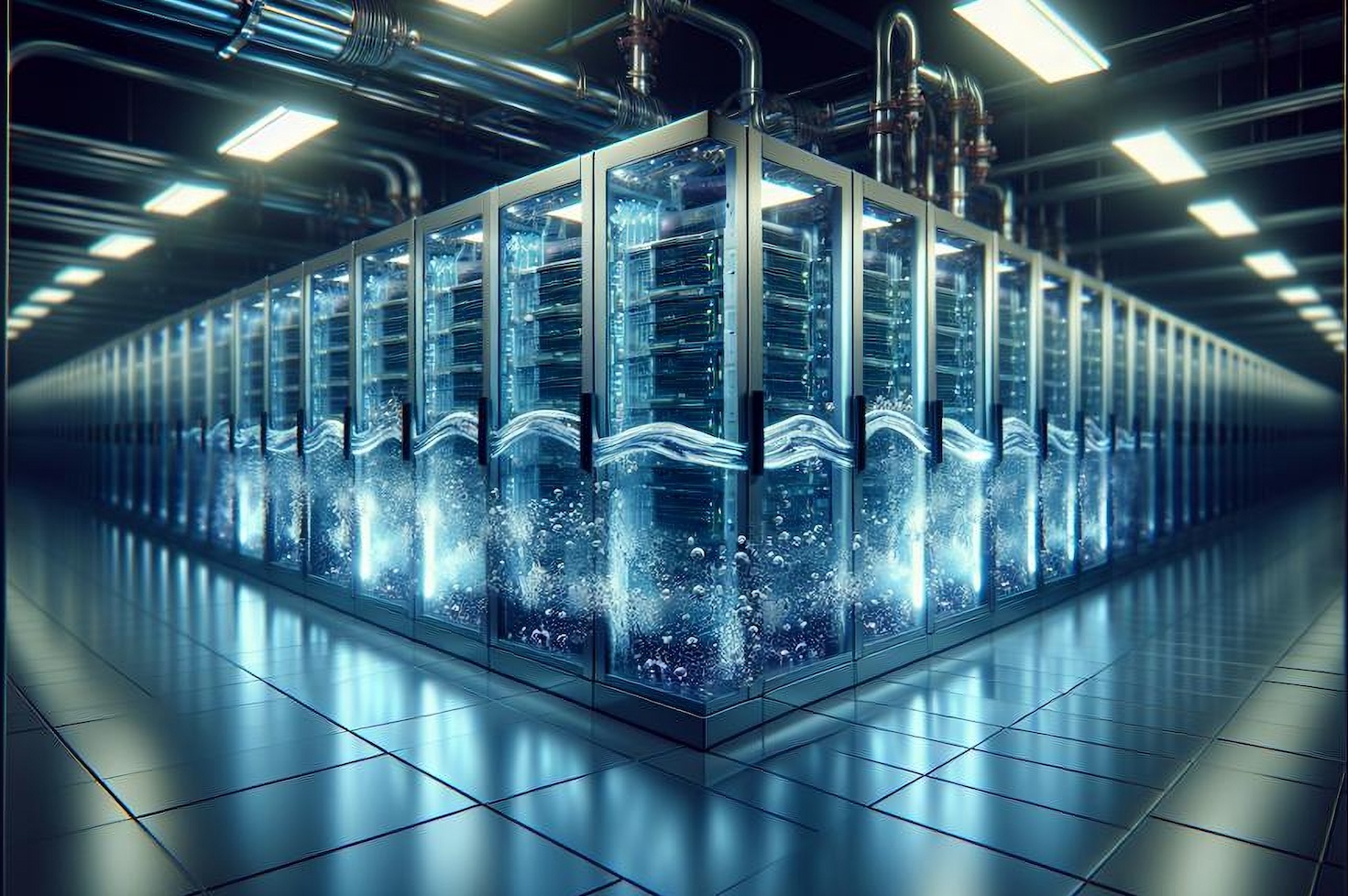
Data center operations are governed by two primary metrics: Power Usage Effectiveness (PUE) and Water Usage Effectiveness (WUE). Managing these two in tandem is a delicate balancing act. Many systems designed to reduce freshwater consumption through evaporative cooling inadvertently lead to higher energy consumption. Conversely, high-efficiency cooling systems that minimize electricity usage may require higher volumes of water.
This "water-energy nexus" has become a flash point for environmental advocacy groups and local governments, particularly in regions prone to drought. As AI demand surges, the industry is under pressure to optimize these systems without compromising either the climate or the local water table.
Chronology of Cloud Sustainability Initiatives
To understand the current state of industry reporting, one must look at the recent timeline of environmental accountability in the tech sector:
- Early 2020s: Growing awareness of the "invisible" footprint of data centers leads to increased pressure from environmental groups regarding the water consumption of the tech giants.
- 2022: Amazon begins building out the infrastructure for its Sustainability Console, aiming to provide customers with carbon emission data.
- March 2024: AWS launches the Sustainability Console, offering customers a centralized hub for GHG emissions data.
- Mid-2024: Microsoft reports significant milestones in its closed-loop cooling systems for AI facilities, focusing on minimizing water usage.
- Late 2024/Early 2025: AWS announces the expansion of its console to include water withdrawal metrics, providing retroactive data to 2022.
- 2025: Google continues its leadership in water replenishment, investing heavily in local water-stressed regions to balance its consumption.
Competitive Landscape: How the Giants Compare
While all three major cloud providers have pledged to reduce their freshwater usage, their approaches vary significantly.
Microsoft
Microsoft has focused heavily on engineering solutions, particularly through the development of closed-loop cooling systems for its AI data centers. Unlike some traditional systems that consume vast amounts of water through evaporation, these closed-loop models are designed to circulate water within a contained environment, drastically reducing the net withdrawal from local sources. Additionally, Microsoft has taken a lead in transparency by publishing data regarding the water consumed by specific AI queries in its Copilot service.
Google has focused its sustainability strategy on "replenishment." Recognizing that they cannot eliminate water use entirely, they have initiated projects to restore local watersheds in regions where their data centers are located. In 2025, Google emerged as a leader in this area, claiming to have replenished the highest volume of freshwater among the three, specifically targeting water-stressed basins.
Amazon (AWS)
AWS currently boasts one of the most efficient water-usage scores in the industry. By focusing on highly efficient evaporative cooling systems and leveraging regional climate data to optimize usage, they maintain a lean operational profile. With the introduction of the new dashboard, AWS is positioning itself as the leader in customer-specific reporting, providing the granular data that corporations need to report their own Scope 3 footprints.
The Implications for Future Tech Policy
The integration of water metrics into the AWS Sustainability Console is likely to trigger a new standard for the entire cloud computing industry. As customers become accustomed to receiving detailed environmental impact reports, it will become increasingly difficult for smaller cloud providers to operate without similar transparency.
1. Regulatory Pressure
Government agencies and environmental regulators are watching these developments closely. The ability of companies to self-report through these consoles may eventually lead to standardized, government-mandated environmental disclosure requirements for data center operators.
2. Strategic Site Selection
The availability of granular water data may influence where future data centers are built. If customers begin to prioritize low-water-impact regions, tech giants may shift their expansion plans toward areas with more abundant water resources or cooler climates that require less cooling energy.
3. The Future of AI Efficiency
As AI models become more complex, the energy and water cost per query will remain a critical metric. Companies will likely compete on the "environmental efficiency" of their AI models, turning sustainability into a key performance indicator (KPI) for software development.
Conclusion: A Step Toward Holistic Sustainability
The move by AWS to include water withdrawal metrics in its sustainability dashboard is a significant acknowledgment that the digital world has a very physical impact. By moving beyond aggregate corporate numbers and providing customer-specific, actionable data, AWS is empowering businesses to make more informed decisions about their digital infrastructure.
As Alexis Bateman indicated, this is only the beginning. The company plans to refine these metrics further, with future iterations potentially offering monthly or even real-time withdrawal data. For businesses operating in the cloud, the "hidden" costs of their digital activities are becoming visible. In an era of climate uncertainty, this visibility is not just a technological achievement—it is a business imperative. As the industry continues to evolve, the ability to balance the immense power of AI with the finite nature of our natural resources will define the next generation of cloud leadership.