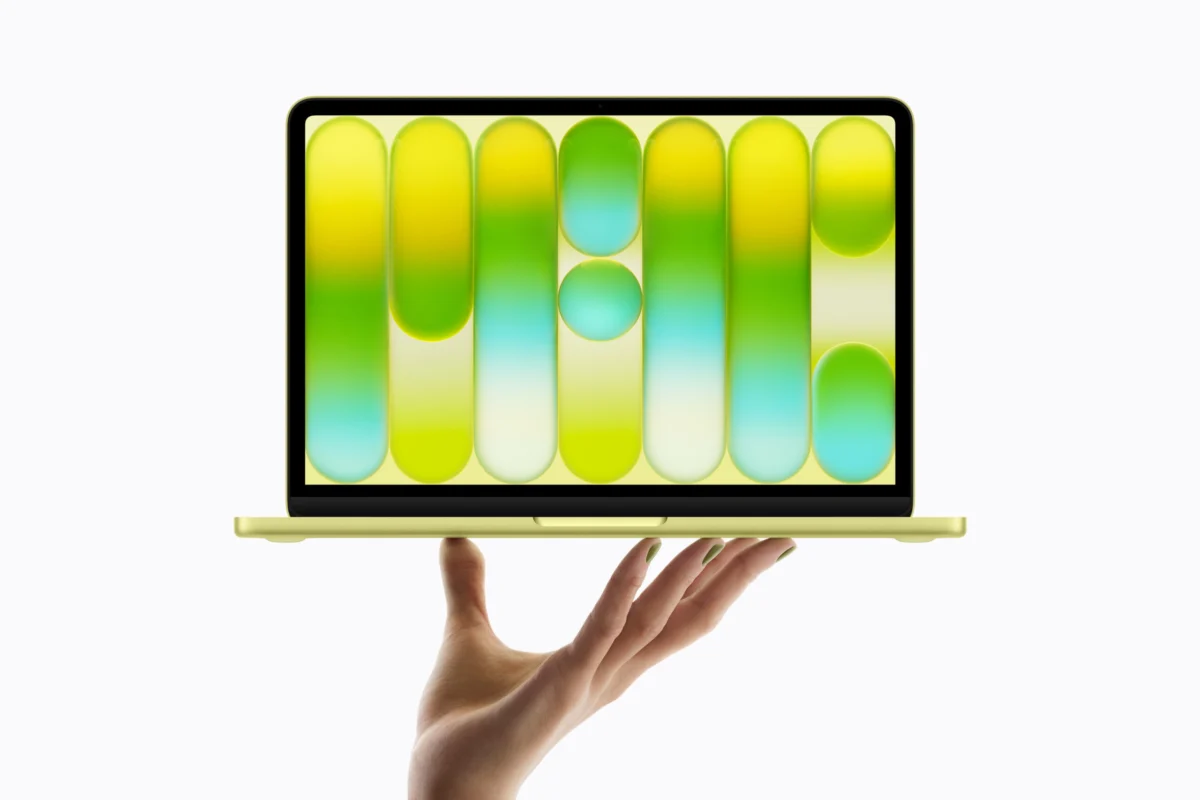
In the landscape of modern personal computing, few products have managed to disrupt the status quo as effectively as the Apple MacBook Neo. Amidst a broader electronics market grappling with the harsh realities of geopolitical instability, supply chain volatility, and the inflationary pressures dubbed "AI-flation," the MacBook Neo has emerged as a rare success story. As Apple prepares to launch the next iteration of this device in the spring of 2027, the tech giant faces a delicate balancing act: how to evolve a winning formula without alienating the cost-conscious audience that fueled its meteoric rise.
Main Facts: A New Pillar of Apple’s Portfolio
The MacBook Neo has effectively redefined the entry-level premium laptop market. With eight million units sold by the end of 2026, the device has proven that there is a massive, underserved segment of users—ranging from students to enterprise IT managers—who crave the Apple ecosystem but were previously deterred by high entry barriers.
Despite a price hike from its initial $599 launch MSRP to the current $699, the device has remained a consistent fixture in Amazon’s top-three laptop bestsellers list. This endurance is particularly striking given the current economic climate, where both enterprise procurement departments and individual consumers are scrutinizing every purchase. By positioning the Neo as a high-value, high-performance machine, Apple has effectively captured a demographic that typically opts for midrange Windows laptops or Chromebooks, proving that brand loyalty is only as strong as the accessibility of the product.
Chronology of the Neo’s Ascent
The trajectory of the MacBook Neo was not a stroke of luck; it was the result of a calculated shift in Apple’s hardware strategy.
- Initial Launch (Mid-2026): Apple introduced the MacBook Neo at a $599 price point, aiming to capture the "everyman" market. Demand immediately outstripped supply, with Apple executives openly admitting difficulty in keeping up with the overwhelming order volume.
- Market Penetration (Q3 2026): Within just 21 days of its debut, the Neo accounted for 23% of Apple’s total notebook sales volume. This rapid adoption signaled a shift in consumer behavior, as the Neo began eating into the market share of established Windows competitors.
- The Price Adjustment (Late 2026): Despite a $100 price increase to $699, the device’s momentum remained largely uninterrupted, cementing its status as a core product rather than a novelty item.
- The Enterprise Surge (Q4 2026): Large-scale deployments, such as the Philippines Department of Education’s procurement of 170,000 units, signaled that the device was no longer just a consumer play, but a viable, high-volume enterprise tool.
- The 2027 Outlook: With manufacturing reports suggesting Apple has booked production for 16 million units of the "Neo 2," the company is clearly betting that the second generation will double the success of the first.
Supporting Data: Why the Neo Defies Market Gravity
While global PC shipments plummeted by 21% in the third quarter of 2026, Apple’s global market share surged to nearly 10%. This divergence is entirely anomalous in the current climate. Analysts point to three primary drivers for this performance:
- The "Switch" Factor: Tom Boger, Apple’s Vice President of Mac and iPad Product Marketing, has noted that the Neo is attracting more "new-to-Mac" customers than any product in the 42-year history of the Macintosh. The barrier to entry has finally been lowered enough to convert long-time Windows users.
- Enterprise TCO (Total Cost of Ownership): IT departments have increasingly realized that the upfront cost of a Mac is offset by lower support and maintenance costs. The Neo has become the primary vehicle for this realization. In some instances, demand for the device in hybrid fleets is so high that third-party resellers are bundling them with Windows 11 virtual machine (VM) software, allowing companies to bridge the gap between legacy requirements and modern hardware.
- The Tablet Cannibalization: Perhaps the most significant "downside" to the Neo’s success is the internal friction it has caused with the iPad line. As iPad shipments fell by 27.5% this year, it became clear that consumers are increasingly viewing the MacBook Neo as a better value proposition than a midrange iPad, particularly when the price points converge.
Official Responses and Strategic Vision
Apple’s leadership has been vocal about the importance of the Neo in the company’s long-term vision. Tom Boger recently described the introduction of the device as a "huge momentum creator," emphasizing that it has reinvigorated a category that many analysts thought had reached maturity.
"We’re bringing more new-to-Mac customers than we ever have in the 42 years that the Mac has been around," Boger stated. This focus on growth over stagnation is clearly driving Apple’s internal roadmaps. The company is not merely trying to sell hardware; it is trying to lock a new generation of users into the Apple Silicon ecosystem. By providing a "gateway" device, Apple ensures that these new users are likely to purchase higher-end MacBooks, iPhones, and services in the future.
Implications: The Challenge of the Neo 2
As the market looks toward the 2027 release of the successor, several critical challenges emerge.
The Margin Squeeze
The primary challenge for the Neo 2 will be the cost of components—specifically memory. With global memory prices remaining volatile, Apple faces a dilemma. If they increase the base memory to 12GB to keep the machine "future-proof," they risk compressing their product margins. If they stick to lower configurations, they risk disappointing a customer base that has come to expect superior performance for their dollar.
The "iPad Problem"
Apple must manage the internal competition between the MacBook Neo and the iPad. If the Neo 2 continues to be priced aggressively, it may continue to cannibalize tablet sales. While Apple remains the dominant player in the tablet market, they must ensure that the MacBook does not render the iPad redundant for the average student or professional.
Maintaining the Value Proposition
The "Neo" brand is currently synonymous with "affordable, light, and quiet." If the second generation loses this identity—either through a significant price hike or a design shift that pushes it toward the "Pro" category—the momentum could stall. Apple’s success with the Neo was built on the premise that it was a "no-compromise" device for the average user. Any deviation from this philosophy will be closely scrutinized by both Wall Street and the consumer base.
Conclusion: A New Era for the Mac
The MacBook Neo has proven that there is a massive appetite for a high-quality, entry-level laptop that does not sacrifice build quality or performance. Its success has forced a recalibration of the entire laptop market.
As Apple prepares for the next phase of this product cycle, the stakes are higher than ever. With 16 million units reportedly in the production pipeline, Apple is signaling that the Neo is not just a successful experiment, but a cornerstone of its business model. If Apple can navigate the inflationary pressures of the coming year and maintain the "Neo" value proposition, it is poised to capture a significantly larger share of the global computer market, potentially altering the balance of power between macOS and Windows for the next decade.
The question remains: Can Apple continue to offer more while charging less? Based on the last 18 months of performance, the answer appears to be a cautious, yet optimistic, yes. The tech giant has demonstrated that when the product is right, the market will follow, regardless of the broader economic headwinds.