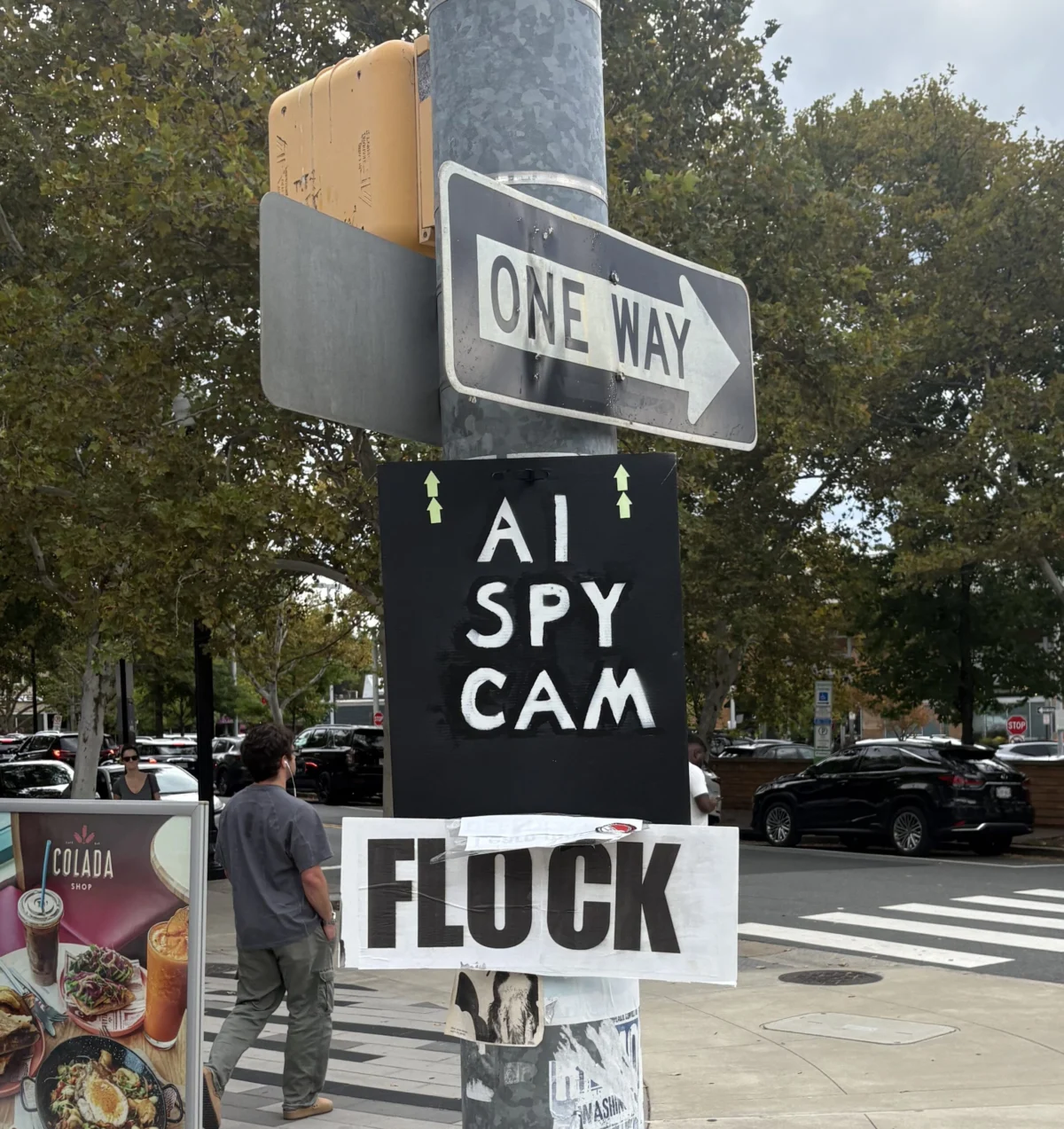
September 19, 2026 — In a move that signals deepening internal and external instability, Flock Safety, the prominent surveillance technology firm known for its widespread network of license plate recognition (LPR) cameras, has initiated a voluntary buyout program for its 1,500-person workforce. The offer, described by company leadership as the “most generous” in its history, comes as the startup faces a tidal wave of public outcry, municipal contract terminations, and mounting allegations regarding the misuse of its surveillance data.
As the company attempts to navigate what CEO Garrett Langley has termed a crisis of “internal morale,” the voluntary departure program serves as a strategic pivot to manage both human capital and a damaged public reputation.
The Strategic Pivot: Voluntary Buyouts
On Friday, reports confirmed that Flock Safety is actively encouraging a significant portion of its staff to take voluntary severance packages. Rather than resorting to traditional involuntary layoffs—which are often morale-crushing and legally complex—the company is positioning these departures as a proactive, mutually beneficial exit strategy.
According to internal communications, the company expects a high uptake of the offer and has signaled that it will approve a majority of the requests. By incentivizing staff to leave, Flock is effectively attempting to prune its headcount in a way that minimizes public perception of failure, while simultaneously trimming the ranks of employees who may be disillusioned by the firm’s recent controversies. Industry analysts note that this approach also provides a financial buffer; without these buyouts, the company would have been forced to initiate formal, involuntary layoffs to manage its shifting financial reality as municipal contracts evaporate.
Chronology of a Crisis
The current turmoil is the result of a rapid, three-month collapse in public trust that began in earnest during the summer of 2026.
- Early August 2026: The Washington Post publishes a damning investigative report uncovering 46 documented instances of law enforcement officers weaponizing Flock’s network of cameras to stalk and harass domestic partners, ex-spouses, and romantic interests. The report turns the spotlight on the vulnerability of the company’s data.
- Mid-August 2026: The impact of the scandal becomes measurable. Anti-surveillance advocacy groups track a massive wave of contract terminations. Data shows that 90 cities canceled their partnerships with Flock in August alone—a fourfold increase compared to the previous month.
- Late August 2026: The backlash reaches the state level. Florida and Texas, two of the most significant markets for surveillance infrastructure, announce official moves to block the use of Flock cameras, citing severe privacy and security concerns.
- September 2026: CEO Garrett Langley appears on the All-In podcast, publicly acknowledging the severity of the situation. He identifies the primary casualty of the recent news cycle not just as market share, but as “internal morale,” setting the stage for the current buyout announcement.
Supporting Data: The Erosion of Trust
The figures surrounding the decline of Flock’s business model are stark. For years, the company positioned itself as an essential tool for public safety, helping police departments solve crimes by building a "virtual net" of license plate data. However, the 46 cases of misuse identified by The Washington Post fundamentally undermined the company’s "safety-first" value proposition.
The ripple effect has been systemic. When a municipality terminates a contract with a technology provider, it is rarely an isolated incident; it signals a shift in public sentiment that forces other local governments to perform political cost-benefit analyses. The fact that 90 cities abandoned the platform in August suggests that the privacy concerns are no longer a niche issue for civil liberties groups but a mainstream political liability for mayors and city councils.
The financial strain is compounded by the legal costs and the potential for class-action litigation arising from the misuse cases. With municipal revenue streams drying up, the company is under immense pressure to tighten its belt, making the voluntary buyout program a necessary, if desperate, administrative maneuver.
Official Responses and Corporate Sentiment
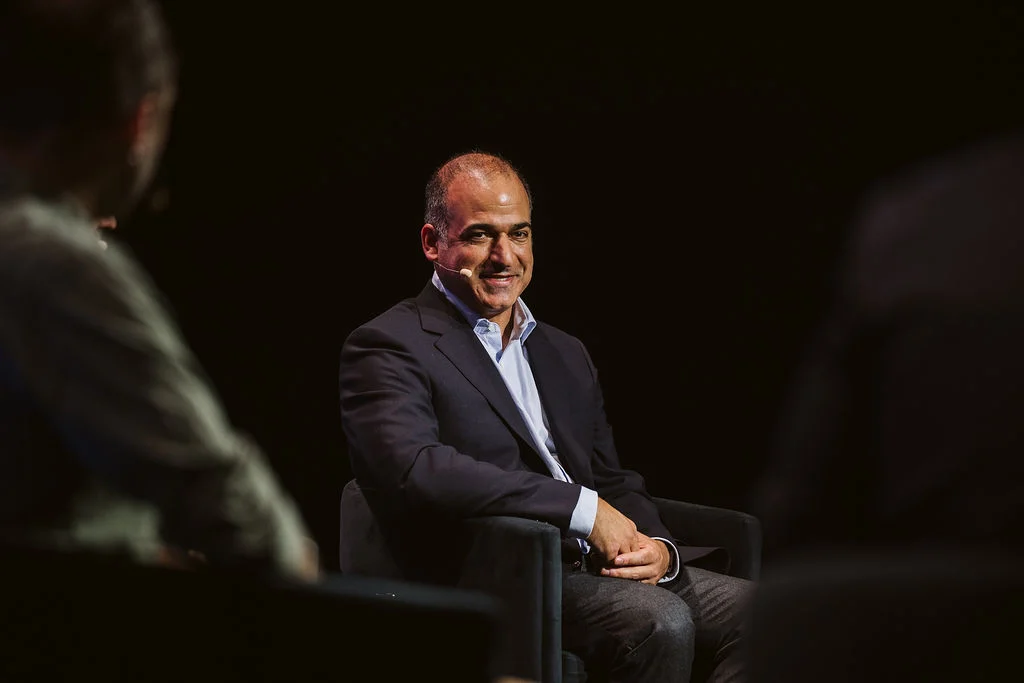
Flock Safety has remained largely guarded in its public statements, though its internal messaging has been clear: the company is undergoing a period of painful recalibration. CEO Garrett Langley’s recent interview on the All-In podcast provided a rare, candid glimpse into the mindset of the leadership team.

Langley did not shy away from the fact that the company is reeling. By focusing on the "internal damage" to his workforce, he is attempting to reframe the layoffs as a solution to a cultural problem. "The biggest damage caused by the backlash has been to internal morale," Langley noted.
By offering generous severance packages, the company is attempting to retain some modicum of goodwill with its departing employees, perhaps hoping to prevent them from becoming vocal critics of the company culture or its technical vulnerabilities in the future. As of this writing, Flock has yet to provide a detailed comment on how many employees it hopes will depart or the specific financial impact of these payouts on the company’s bottom line.
The Broader Implications: Privacy vs. Utility
The situation at Flock Safety highlights the broader, existential struggle facing the surveillance technology industry. For years, companies like Flock benefited from a "security-first" narrative that prioritized the rapid deployment of LPR technology with minimal federal oversight. The 2026 crisis proves that this model was built on a foundation of trust that, once broken, is nearly impossible to rebuild.
1. The Death of the "Privacy-Blind" Model
Flock’s reliance on law enforcement as its primary client base created a blind spot: the assumption that police departments would effectively police themselves when using the software. The reality, as evidenced by the stalking cases, showed that without strict, automated safeguards, the technology is prone to abuse. The industry is now facing a future where "privacy by design" is no longer a marketing buzzword but a prerequisite for survival.
2. The Municipal "Flight to Safety"
As more cities pull the plug, the ecosystem of surveillance is becoming increasingly fragmented. Municipalities that remain with Flock are now under intense scrutiny, potentially facing their own litigation if they continue to use tools that have been publicly linked to privacy violations. This could lead to a massive consolidation or a total exit from the market by smaller, less-equipped surveillance providers.
3. The Future of Surveillance Regulation
The actions taken by Florida and Texas suggest that we are entering a new era of legislative friction. If large states continue to ban the use of private-sector surveillance technology in public spaces, the entire business model of the "smart city" as a private-public partnership may become untenable. We are likely to see a shift toward stricter state-level regulations that mandate transparency, audit trails, and strict data-retention policies for any company wanting to sell to the government.
Conclusion
The announcement of voluntary buyouts at Flock Safety is a watershed moment in the company’s history. It is a tacit admission that the "move fast and break things" approach—often lauded in the tech sector—is fundamentally incompatible with the high-stakes world of public surveillance.
As the company attempts to stabilize, it faces a dual challenge: it must convince the remaining staff that the company has a future, while simultaneously convincing the public that it has the capacity to prevent the misuse of its own tools. For now, the focus is on the departures. Whether these buyouts will be enough to save the company’s culture and its business remains to be seen. What is clear, however, is that the era of unfettered, community-wide surveillance is meeting its first real, sustained resistance.