While the annual Perseid meteor shower commands the lion’s share of public attention each August, the mid-summer sky is a bustling highway of celestial debris. From mid-July through late August, Earth’s orbital path intersects with several streams of dust and rock shed by passing comets and ancient asteroids. While these lesser-known showers—the Capricornids, Delta Aquarids, Piscis Australids, Alpha Capricornids, Iota Aquarids, and Kappa Cygnids—may lack the sheer volume of the Perseids, they offer a unique and rewarding challenge for the patient observer.
For those willing to step away from the glare of city lights, this season provides a rare opportunity to witness the quiet beauty of the cosmos. By understanding the timing, radiant points, and viewing conditions of these secondary showers, skywatchers can transform a standard summer night into an immersive astronomical experience.
The Mechanics of a Meteor Shower: Why Context Matters
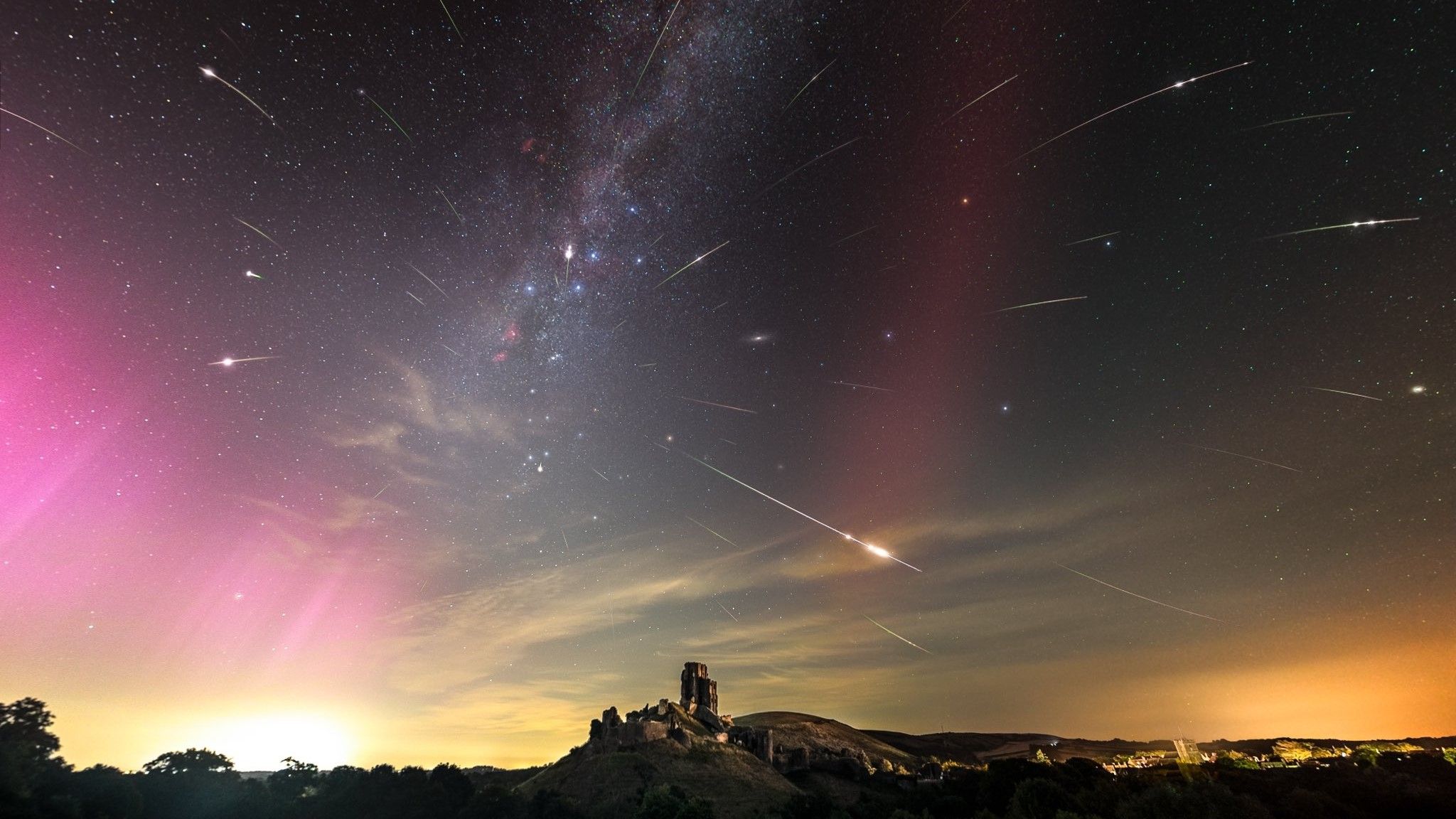
To appreciate these summer displays, one must first understand what a "meteor shower" actually is. As comets orbit the sun, they leave behind a trail of debris—dust, ice, and small rocky fragments. When Earth’s orbit crosses one of these streams, the particles slam into our atmosphere at high speeds. The resulting friction causes the air to ionize, creating the glowing streaks we call "shooting stars."
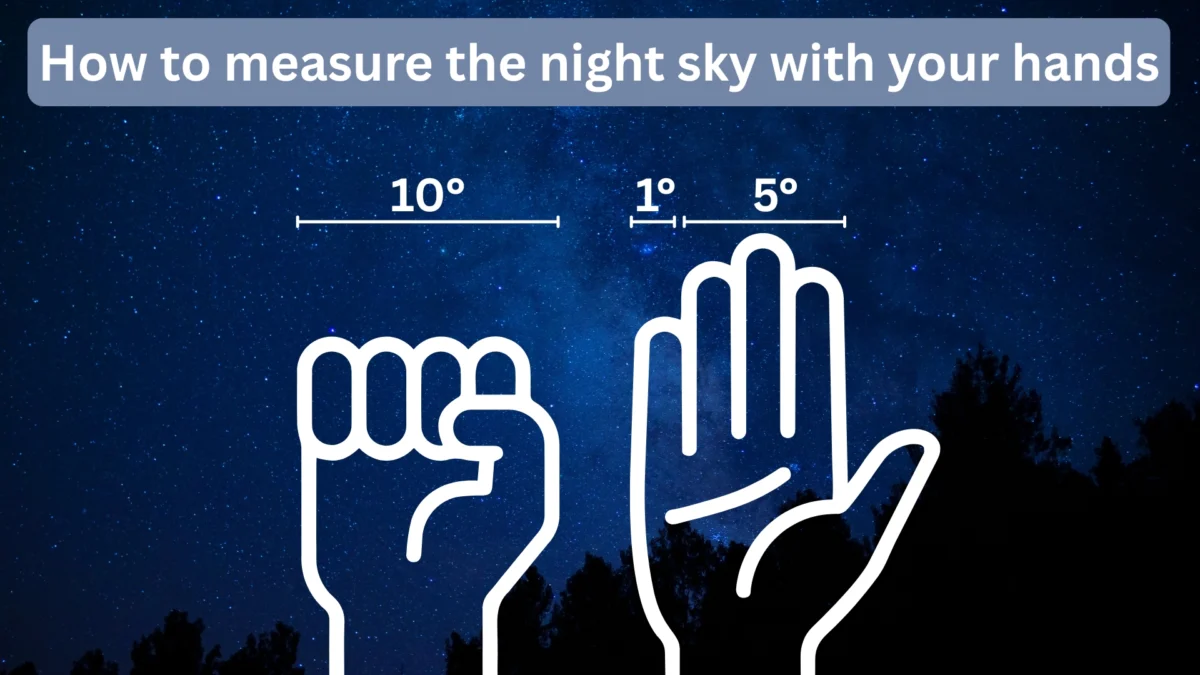
The "radiant" of a shower is the point in the sky from which these meteors appear to originate. However, a common misconception is that observers should look directly at the radiant. In reality, looking about 30 degrees away from the radiant—toward the zenith, or the highest point in the sky—often yields the best results. At this distance, the meteors appear longer and more spectacular.
A Chronological Guide to Summer’s Meteor Streams
The summer season is a marathon, not a sprint, for meteor enthusiasts. Below is a breakdown of the notable events leading up to and following the Perseid peak.
1. The Capricornids (July 10 – August 15)
The season begins with the Capricornids, which reach their maximum activity around July 25. This is a subtle shower, often producing only a handful of meteors per hour. Because of their low density, these meteors are frequently mistaken for "sporadic" meteors—the random, background streaks that appear at an average rate of seven per hour throughout the year. To truly appreciate the Capricornids, one must be prepared to map their paths back to their intersection point, a process that turns skywatching into a form of citizen science.
2. The Delta Aquarids (July 12 – August 23)
The Delta Aquarids are arguably the most prolific of the minor showers, peaking on July 29 with as many as 20 to 30 meteors per hour under ideal conditions. This shower is unique for its "double radiant," suggesting that we are passing through two distinct, ancient streams of debris. These meteors are known for their medium-slow speeds as they cross our atmosphere. While 5% to 10% of these meteors leave persistent, glowing trains, the 2026 peak unfortunately coincides with a full moon, which will likely wash out the fainter streaks.
3. The Piscis Australids (July 10 – August 10)
Peaking on July 30, the Piscis Australids are primarily an event for Southern Hemisphere observers, as their radiant near the bright star Fomalhaut climbs much higher in their skies than in the Northern Hemisphere. For northern observers, these are a difficult target, rarely exceeding eight meteors per hour.
4. The Alpha Capricornids (July 7 – August 15)
The Alpha Capricornids, peaking on July 31, are the "hidden gems" of the summer. While they are sparse—averaging only about five meteors per hour—they are renowned for producing exceptionally bright, yellow-hued fireballs. These slower-moving meteors are often quite photogenic, though the proximity of a 93% illuminated moon near the peak of the 2026 cycle will present a significant visual challenge.
5. The Iota Aquarids (July 15 – August 25)
As we transition into August, the Iota Aquarids take the stage, peaking on August 6. Similar to the Delta Aquarids, this is a double-radiant shower. With an hourly rate of approximately six meteors under perfect conditions, they require a dark, moonless sky to be enjoyed fully.
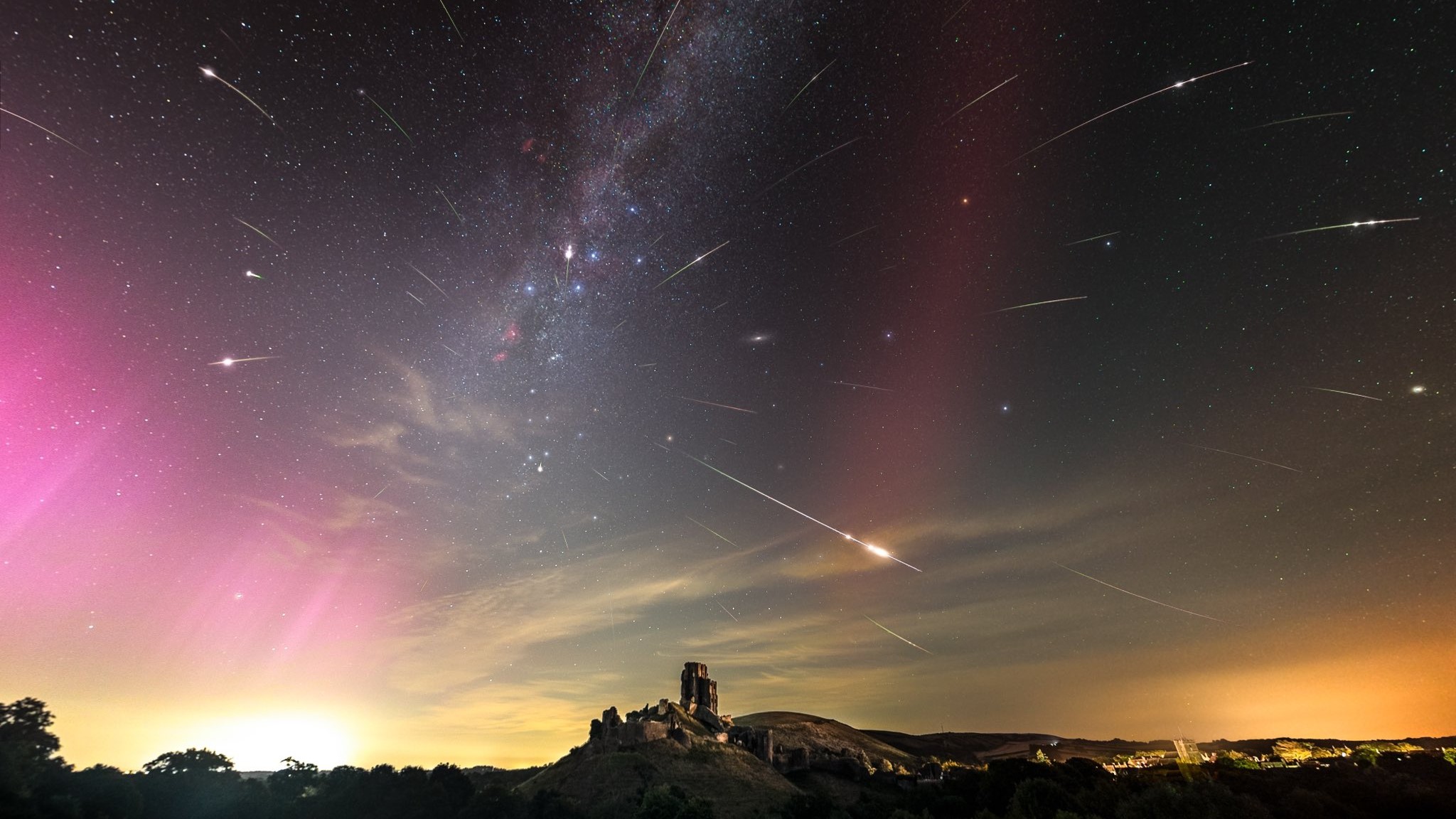
6. The Perseids (July 17 – August 24)
The undisputed king of the summer sky, the Perseids, will reach their crescendo on the morning of August 13, 2026. This shower is generated by debris from the comet Swift-Tuttle. Unlike the minor showers, the Perseids frequently offer rates exceeding 50 meteors per hour. The 2026 event is particularly promising, as it coincides with a favorable lunar phase, allowing the fainter, flaring meteors to be seen against a truly dark background.
7. The Kappa Cygnids (August 3 – August 25)
The final act of the summer is the Kappa Cygnid shower, which peaks on August 17. Though they are a "minor" stream with a rate of about four per hour, they are famous for their slow, graceful, and sometimes flaring fireballs. Because the radiant sits nearly overhead at 10:00 p.m., they are one of the most accessible showers for casual viewers.
Essential Data for the Serious Observer
| Shower | Peak Date | Rate (per hour) | Key Characteristic |
|---|---|---|---|
| Capricornids | July 25 | 2-5 | Requires plotting/mapping |
| Delta Aquarids | July 29 | 20-30 | Double radiant, persistent trains |
| Piscis Australids | July 30 | 5-8 | Best for Southern Hemisphere |
| Alpha Capricornids | July 31 | 5 | Bright yellow fireballs |
| Iota Aquarids | Aug 6 | 6 | Double radiant |
| Perseids | Aug 13 | 50+ | High activity, flaring trails |
| Kappa Cygnids | Aug 17 | 4 | Slow, dramatic fireballs |
Note: Hourly rates assume a zenithal hourly rate (ZHR) under a perfectly dark sky with the radiant at the zenith.
Expert Insights and Skywatching Protocols
Meteor science, as noted by veteran observers and instructors at the Hayden Planetarium, is as much about preparation as it is about luck. The "official" rates provided by organizations like NASA and the International Meteor Organization are theoretical maximums.
"The lower the radiant sits in the sky, the fewer the numbers you will see," explains Joe Rao, a renowned meteorologist and astronomy columnist. "At an altitude of 30 degrees, your potential count is halved; at 15 degrees, it is slashed by two-thirds."
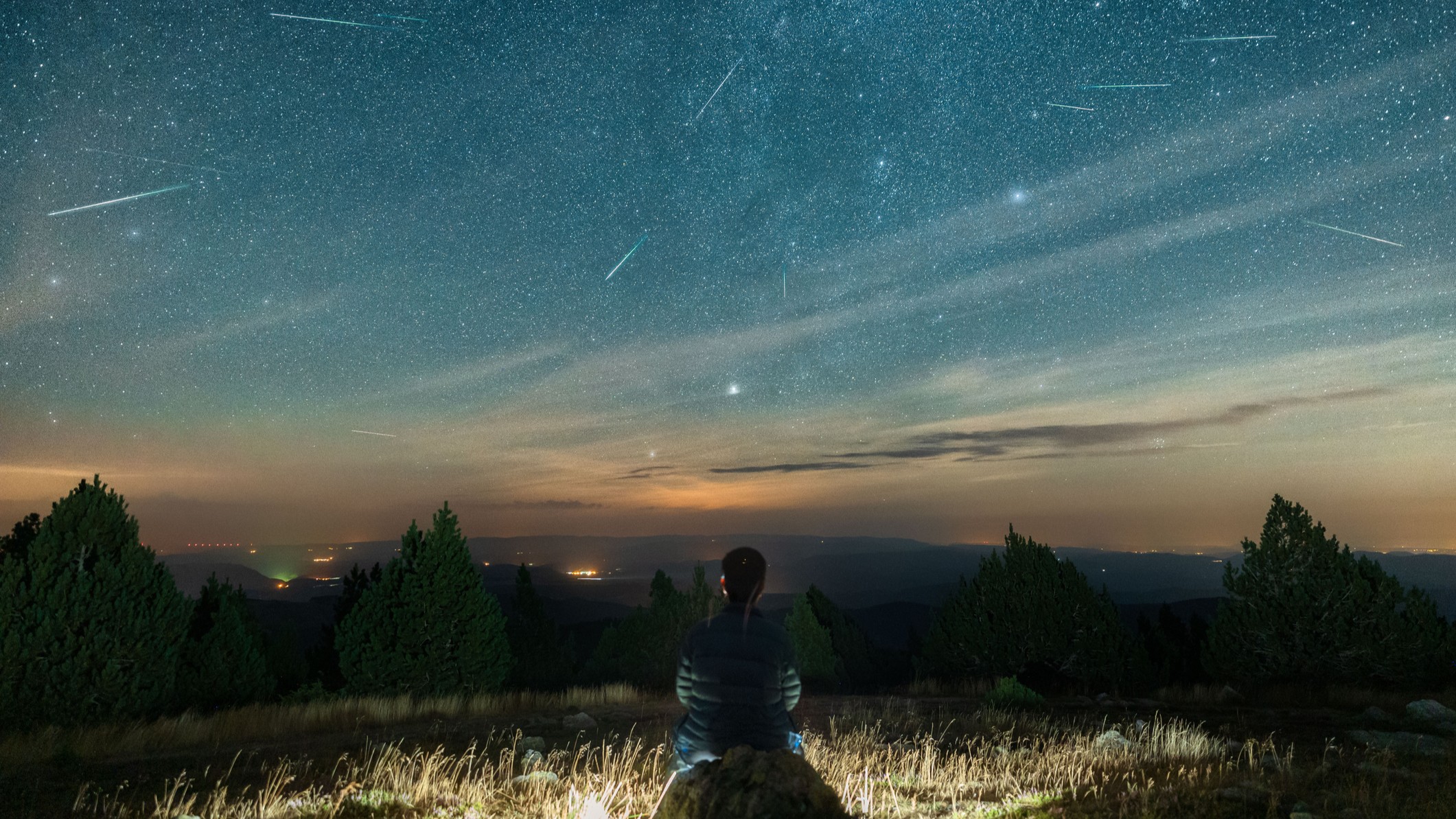
The "Comfort Protocol"
Observers often underestimate the cooling effect of the ground during a long night of watching. Professional advice dictates:
- The Nap Factor: Take a late afternoon nap to ensure you are alert during the pre-dawn hours, when many showers are most active.
- Thermal Management: Even in mid-summer, lying still on the ground leads to rapid heat loss. Utilize heavy blankets, sleeping bags, and ground pads.
- Visual Calibration: Avoid looking at cell phone screens or flashlights. If you must use light, use a red-filtered torch to preserve your night vision.
Implications for Astronomy and Amateur Science
Why track these minor showers if the Perseids are so much more impressive? The answer lies in the ongoing study of our solar system’s architecture. Every meteor that burns up in our atmosphere provides data about the parent comet or asteroid. By observing minor showers, astronomers can better map the streams of dust left behind by long-period comets, helping to refine models of the solar system’s history.
Furthermore, these minor showers provide a "practice run" for the eyes. Training oneself to identify the subtle differences in speed, color, and trajectory between a Delta Aquarid and a sporadic meteor requires time and dedication. For the enthusiast, these showers offer a meditative, low-key alternative to the chaotic "peak" night of the Perseids.
Final Verdict: Are They Worth It?
The minor summer meteor showers are not for the viewer seeking a "fireworks show." If you expect a sky filled with constant light, you will likely be disappointed. However, for those who appreciate the quiet, profound connection to the cosmos, these events are unparalleled. They offer a seasonal rhythm to the night sky, rewarding the patient with unexpected flashes of color, the occasional slow-moving fireball, and a deeper appreciation for the debris that drifts through our solar neighborhood.
In an age of digital distraction, the act of lying on the grass for hours, waiting for a silent streak of light from a comet’s tail thousands of miles away, remains one of the most grounding experiences available to humanity. Whether you catch a rare Alpha Capricornid fireball or a faint Delta Aquarid streak, the effort of watching is, in itself, the reward.