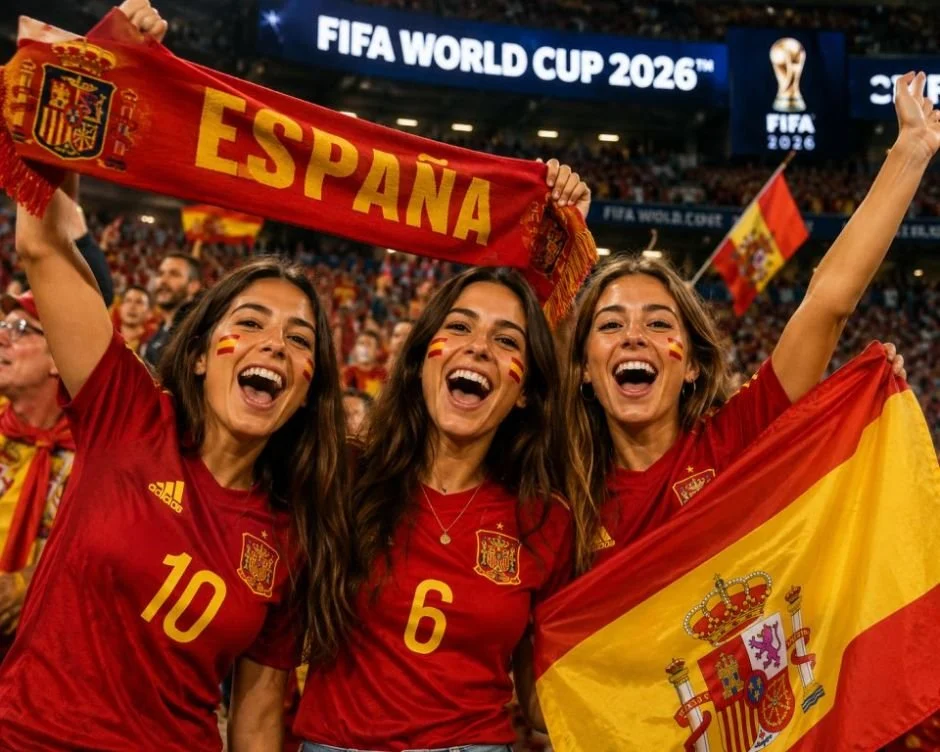
The most anticipated sporting event on the planet, the FIFA World Cup 2026, has concluded, not just as a spectacle of athletic prowess, but as a monumental testament to the power of digital engagement and the indispensable role of advanced telecommunications infrastructure. This quadrennial tournament, co-hosted across Canada, Mexico, and the United States, transcended traditional viewership paradigms, transforming into one of the largest digital sporting events in history. It pushed global telecom operators to unprecedented levels of network expansion, including broadband, fiber optics, and 5G, to seamlessly support billions of video streams and a deluge of internet traffic, fundamentally reshaping how fans interact with and consume live sports.
The sheer scale of digital consumption during the FIFA World Cup 2026 was nothing short of revolutionary. From the opening whistle to the final, an insatiable appetite for real-time action, behind-the-scenes content, and social media interaction placed an immense strain on networks worldwide. This demand, however, was met with remarkable resilience, a direct result of proactive and substantial investments made by telecommunications providers who recognized the evolving landscape of sports entertainment.
Main Facts: A Digital Deluge and a Network Revolution
The FIFA World Cup 2026 has etched its name in the annals of digital sports history, generating an unprecedented surge in online engagement that significantly pressured global telecom operators. The need to accommodate billions of video streams and a colossal wave of internet traffic necessitated a dramatic expansion of broadband, fiber, and 5G network capacities. This technological leap forward underscores a paradigm shift in sports consumption, where digital platforms and robust connectivity are no longer supplementary but are now integral to the fan experience.
The tournament’s climax, the final match where Spain emerged victorious against Argentina with a solitary extra-time goal, set a new U.S. soccer viewership record. Nearly 63 million Americans tuned in, with Fox’s English-language broadcast capturing 38.9 million viewers and Comcast’s Telemundo and Peacock contributing an additional 23.9 million. This figure dwarfs the 22.3 million who watched the 2022 World Cup final, signaling a dramatic ascent in soccer’s mainstream appeal within the United States.
Beyond the final, the Round of 16 clash between England and Mexico captivated nearly 45 million viewers, a number that outshone even the monumental viewership of the Major League Baseball World Series Game 7 (27 million) and the NBA Finals Game 5 (25 million). While still trailing the 126 million viewers for Super Bowl LX, this performance firmly places soccer on par with established American sports leagues in terms of audience draw.
The economic impact of this digital fervor was equally significant. Broadcasters reported immense profitability. Fox and Comcast, having invested approximately $485 million and $600 million respectively for media rights, witnessed substantial returns. Fox One alone saw a surge of 2.8 million subscribers in June, more than double the 1.1 million acquired during the NFL Playoffs in January. Advertising revenue soared, with 30-second slots during knockout-stage matches commanding up to $1 million – a figure more than double that of 2018. Even the introduction of new hydration breaks created additional advertising opportunities, with Fox anticipating at least $250 million in revenue from these segments alone.
The digital footprint of the tournament was staggering. FIFA reported a colossal 20 billion video views across digital platforms by the quarter-final stage, with TikTok and YouTube alone accounting for 14.5 billion views. Social media platforms buzzed with 30 billion impressions and 1.7 billion engagements, a remarkable escalation from the 2022 World Cup. Social media impressions surged by 130 percent, engagement by 160 percent, and video views by an astonishing 485 percent compared to the previous tournament.
FIFA’s own digital platforms experienced record-breaking demand. FIFA.com attracted 130 million unique visitors during the group stage, while the FIFA World Cup mobile application reached 30 million unique users, a 130 percent increase from 2022. The organization also welcomed 39 million new social media followers, including 16 million on TikTok and 5 million on YouTube, underscoring the rapid migration of football fandom to digital and streaming channels.
This digital triumph was underpinned by one of the most extensive communications infrastructure deployments ever witnessed for a sporting event. FIFA deployed over 161,000 kilometers of fiber-optic cable, enough to circumnavigate the Earth four times. Tournament and broadcast networks handled an immense 13 petabytes of data, facilitated by 4,000 network devices and 10,000 video distribution endpoints. A private 5G network was established across all 16 stadiums, ensuring seamless support for broadcast operations, referee cameras, media production, and crucially, fan connectivity. Over 5,000 radios were deployed, and 2,600 spectrum requests were approved to guarantee reliable wireless communications. In a testament to the digital security measures in place, over 1 billion cyber threats were successfully mitigated.
Telecom operators responded with significant investments to meet the unprecedented mobile broadband demand. Verizon, as the Official Telecommunications Services Sponsor, tripled to quintupled network capacity at every U.S. host stadium through the deployment of additional 5G spectrum. Thousands of under-seat and specialized stadium antennas were installed to enhance coverage, anticipating that fans would consume over 50 terabytes of mobile data per match for live streaming, uploads, social media sharing, and digital transactions.
These network enhancements translated into record traffic. Verizon reported carrying nearly 500 terabytes of mobile data across all U.S. FIFA stadiums during the tournament, with the final alone generating 29.2 terabytes. Uplink traffic spiked by nearly 70 percent during the halftime show as fans shared photos and videos in real-time, a clear indicator of the growing reliance on high-capacity broadband infrastructure for modern sporting events.
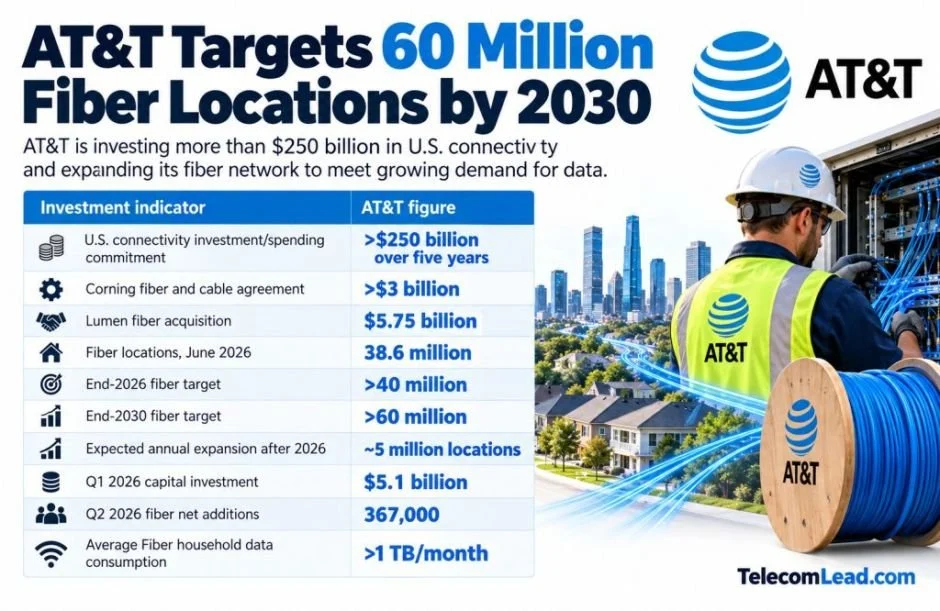
AT&T played a pivotal role, powering connectivity for nine matches at AT&T Stadium, the most of any venue, and preparing its network for an estimated 4 million spectators in North Texas. AT&T Stadium recorded its highest mobile data usage during the Australia vs. Egypt match with 28.7 terabytes, equivalent to over 5.7 million social media posts. During the Jordan vs. Argentina match, fans generated 25.9 terabytes as Argentina’s captain achieved an all-time individual goal record. To support the tournament, AT&T upgraded network capacity across 11 U.S. host cities, anticipating 2-3 times normal traffic levels and providing connectivity at 146 venues, including stadiums, airports, fan festivals, and team base camps. Their operations were coordinated through a centralized command center with on-site technical teams. Since 2023, AT&T invested over $430 million in network infrastructure, completing over 1,500 enhancement projects and handling more than 1 billion network connections. The company also established a dedicated FirstNet Operations Center to support first responders.
T-Mobile US, though not an official sponsor, proactively strengthened its mobile capacity, automation, and resilience across host cities. The operator enhanced its nationwide 5G infrastructure with additional spectrum, cell sites, transport capacity, and AI-driven network optimization. A key innovation was Dynamic CX, an AI-powered capability that automatically detects major events and adjusts network resources in near real-time to maintain performance during peak demand.
The FIFA World Cup 2026 has definitively demonstrated that global sporting events are increasingly driven by digital consumption. With billions of video views, tens of billions of social impressions, and petabytes of data traversing networks that have undergone significant upgrades, the event has solidified the notion that broadband capacity and internet speed are as critical to the fan experience as the matches themselves.
Chronology: From Anticipation to Data Overload
The journey to the FIFA World Cup 2026’s digital dominance began long before the first ball was kicked. Planning and infrastructure development were meticulously orchestrated over several years, with telecommunications companies working in tandem with FIFA and local organizing committees.
Pre-Tournament Preparations (2023-Early 2026):
- Infrastructure Investment Surge: Telecom operators, recognizing the potential for unprecedented digital demand, began significant capital expenditures. This included the deployment of new fiber optic cables, the expansion of existing fiber networks, and the strategic placement of 5G antennas and cell towers in and around host cities.
- 5G Rollouts and Enhancements: Focus was placed on accelerating 5G network deployments and enhancing existing coverage, particularly in and around the 16 host stadiums. This involved acquiring additional spectrum licenses and investing in advanced antenna technologies for improved signal penetration and capacity.
- Partnerships and Sponsorships: Key telecommunications companies like Verizon secured official sponsorships, allowing them direct access to stadium infrastructure and the opportunity to showcase their technological capabilities. Other operators, like T-Mobile US, focused on independent network upgrades to capitalize on the increased demand.
- Network Simulation and Testing: Extensive simulations and stress tests were conducted to predict and prepare for peak traffic loads. This involved replicating fan behavior patterns, including simultaneous video streaming, social media uploads, and the use of mobile ticketing and payment systems.
- Cybersecurity Framework Development: Robust cybersecurity measures were designed and implemented to protect the vast amounts of data generated and to mitigate potential threats to network integrity.
Tournament Kick-off and Group Stages (June-July 2026):
- Initial Surge in Traffic: The opening matches immediately witnessed a significant increase in data traffic, validating the pre-tournament projections. Fans, eager to share their experiences, flooded social media and streaming platforms.
- Record-Breaking Digital Engagement: By the end of the group stages, FIFA’s digital platforms and social media channels were already reporting record-breaking numbers for video views, impressions, and engagements, signaling a strong start to the digital consumption trend.
- Network Performance Monitoring: Telecom operators closely monitored network performance in real-time, deploying rapid response teams to address any localized congestion or connectivity issues.
Knockout Stages and Record Viewership (July 2026):
- Escalating Demand: As the tournament progressed into the knockout stages, the demand for high-quality video streaming intensified. Crucial matches saw viewership numbers climb to new heights.
- U.S. Viewership Milestones: The England vs. Mexico match, in particular, highlighted the growing popularity of soccer in the U.S., drawing an audience that rivaled major American sports championships.
- Advertising Revenue Peaks: The heightened viewership and engagement translated into peak advertising revenue for broadcasters, with premium ad slots being highly sought after.
The Grand Finale and Post-Tournament Analysis (Late July 2026):
- World Cup Final Records: The Spain vs. Argentina final shattered U.S. soccer viewership records, solidifying the sport’s mainstream status and demonstrating the capability of broadcast networks to deliver high-quality, widely accessible content.
- Final Data Deluge: Stadiums and surrounding areas experienced their highest data usage during the final match, pushing network capacities to their limits.
- Post-Tournament Data Compilation: FIFA and telecom operators began compiling comprehensive data on digital viewership, network performance, and overall engagement, providing a detailed picture of the tournament’s digital impact.
Supporting Data: Numbers That Speak Volumes
The sheer volume of data generated and consumed during the FIFA World Cup 2026 provides a stark illustration of its digital magnitude.
- Video Views: 20 billion video views across digital platforms by the quarter-final stage.
- TikTok and YouTube alone: 14.5 billion views.
- Social Media Metrics:
- Impressions: 30 billion.
- Engagements: 1.7 billion.
- Growth vs. 2022: Impressions +130%, Engagement +160%, Video Views +485%.
- FIFA Digital Platforms:
- FIFA.com unique visitors (Group Stage): 130 million.
- FIFA World Cup mobile app unique users: 30 million (130% increase from 2022).
- New FIFA social media followers: 39 million (16 million on TikTok, 5 million on YouTube).
- Broadcasting and Advertising:
- U.S. World Cup Final Viewership: Nearly 63 million (Fox: 38.9M, Telemundo/Peacock: 23.9M).
- 2022 World Cup Final U.S. Viewership: 22.3 million.
- England vs. Mexico Viewership: Nearly 45 million.
- 30-second ad slot price (knockout stage): Up to $1 million (more than double 2018 levels).
- Fox advertising revenue from hydration breaks: Estimated at least $250 million.
- Network Infrastructure:
- Fiber-optic cable deployed by FIFA: Over 161,000 km (100,000 miles).
- Data transported: 13 petabytes (13 million gigabytes).
- Network devices: 4,000.
- Video distribution endpoints: 10,000.
- Private 5G network: Deployed across all 16 stadiums.
- Radios deployed: Over 5,000.
- Spectrum requests approved: 2,600.
- Cyber threats mitigated: Over 1 billion.
- Telecom Operator Data (Examples):
- Verizon stadium capacity increase: 3x to 5x.
- Verizon mobile data per match prediction: Over 50 terabytes.
- Verizon total mobile data across U.S. stadiums: Nearly 500 terabytes.
- Verizon final match data traffic: 29.2 terabytes.
- Verizon uplink traffic increase (halftime): Nearly 70%.
- AT&T Stadium highest data usage (Australia vs. Egypt): 28.7 terabytes (equivalent to 5.7M social media posts).
- AT&T Stadium data usage (Jordan vs. Argentina): 25.9 terabytes.
- AT&T network capacity upgrade: 2-3x normal traffic levels.
- AT&T network enhancement projects: Over 1,500.
- AT&T network connections handled: Over 1 billion.
- T-Mobile US network upgrades: Additional spectrum, cell sites, transport capacity, AI-driven optimization.
Official Responses: Champions of Connectivity
FIFA and the participating telecommunications companies have lauded the success of the digital integration and the robust network performance during the FIFA World Cup 2026.
FIFA:
A FIFA spokesperson commented, "The FIFA World Cup 2026 has not only been a celebration of the beautiful game but also a powerful demonstration of how digital innovation can elevate the fan experience to new heights. The unprecedented engagement across our digital platforms, from video streams to social media interactions, underscores the global passion for football. We are immensely proud of the collaborative efforts that ensured seamless connectivity for billions of fans worldwide, making this the most digitally connected World Cup in history."
Verizon:
"As FIFA’s Official Telecommunications Services Sponsor, we are thrilled to have played a crucial role in delivering an exceptional digital experience for fans at the FIFA World Cup 2026," stated a Verizon representative. "Our significant investments in 5G and network capacity at U.S. host stadiums were essential to handling the record-breaking data consumption. Seeing fans share their passion in real-time, stream every moment, and stay connected throughout the tournament is a testament to our commitment to innovation and powering unforgettable experiences."
AT&T:
"The FIFA World Cup 2026 presented an extraordinary opportunity to showcase the strength and reliability of our network," said an AT&T executive. "By significantly upgrading our infrastructure across numerous host cities and venues, we were able to support the massive influx of fans and their data needs. We are proud to have powered connectivity for so many crucial matches and to have contributed to a successful and connected tournament for fans and operations alike."
T-Mobile US:
"While not an official sponsor, T-Mobile US recognized the immense importance of this global event for connectivity," a company spokesperson explained. "Our strategic investments in enhancing our 5G network, coupled with our AI-driven optimization capabilities like Dynamic CX, ensured that our customers and the broader public experienced reliable and high-performance mobile service throughout the tournament, even during peak demand. We are committed to providing the best network experience, and major events like the World Cup are crucial proving grounds for our capabilities."
Implications: The Future of Sports Consumption and Infrastructure
The FIFA World Cup 2026 has irrevocably altered the landscape of sports consumption and highlighted the critical importance of advanced telecommunications infrastructure.
- The Rise of the Digital Fan: The tournament has solidified the shift from passive television viewership to active, multi-platform digital engagement. Fans now expect seamless access to live streams, on-demand content, interactive features, and real-time social media integration. This trend will continue to grow, demanding even more sophisticated digital fan experiences.
- Broadband as a Fundamental Utility: High-speed broadband and reliable mobile connectivity have transitioned from being conveniences to essential utilities for major sporting events. The ability to stream high-definition video, upload content instantly, and utilize digital services is now intrinsically linked to the fan experience, both inside and outside stadiums.
- Telecom Infrastructure as a Competitive Differentiator: Telecommunications operators that can consistently deliver robust and high-capacity networks will gain a significant competitive advantage. Investments in fiber optics, 5G, and future network technologies will be paramount for hosting and supporting major global events.
- Data-Driven Fan Engagement: The massive data generated during the World Cup offers invaluable insights into fan behavior, preferences, and consumption patterns. This data can be leveraged by sports organizations, broadcasters, and sponsors to personalize content, optimize advertising strategies, and develop innovative fan engagement initiatives.
- The Global Digital Divide: While the World Cup showcased incredible digital connectivity, it also implicitly highlights the ongoing challenge of the digital divide. Ensuring equitable access to high-speed internet and affordable devices globally remains a critical issue for future inclusive sporting events.
- Sustainability and Network Efficiency: The immense energy consumption associated with massive data transfer and network operations will increasingly come under scrutiny. Future events will likely see a greater emphasis on sustainable network infrastructure and energy-efficient technologies.
- The Convergence of Sports and Technology: The FIFA World Cup 2026 has underscored the symbiotic relationship between sports and technology. Future sporting events will continue to push the boundaries of what’s possible, integrating augmented reality, virtual reality, and advanced data analytics to create immersive and engaging experiences for a global audience.
In conclusion, the FIFA World Cup 2026 has not only delivered thrilling football but has also served as a powerful catalyst for technological advancement. It has redefined what it means to be a fan in the digital age and has firmly established the indispensable role of robust telecommunications infrastructure in delivering these unparalleled experiences. The legacy of this tournament will undoubtedly shape how sports are consumed and broadcast for years to come, ushering in an exciting new era of digital-first sports entertainment.