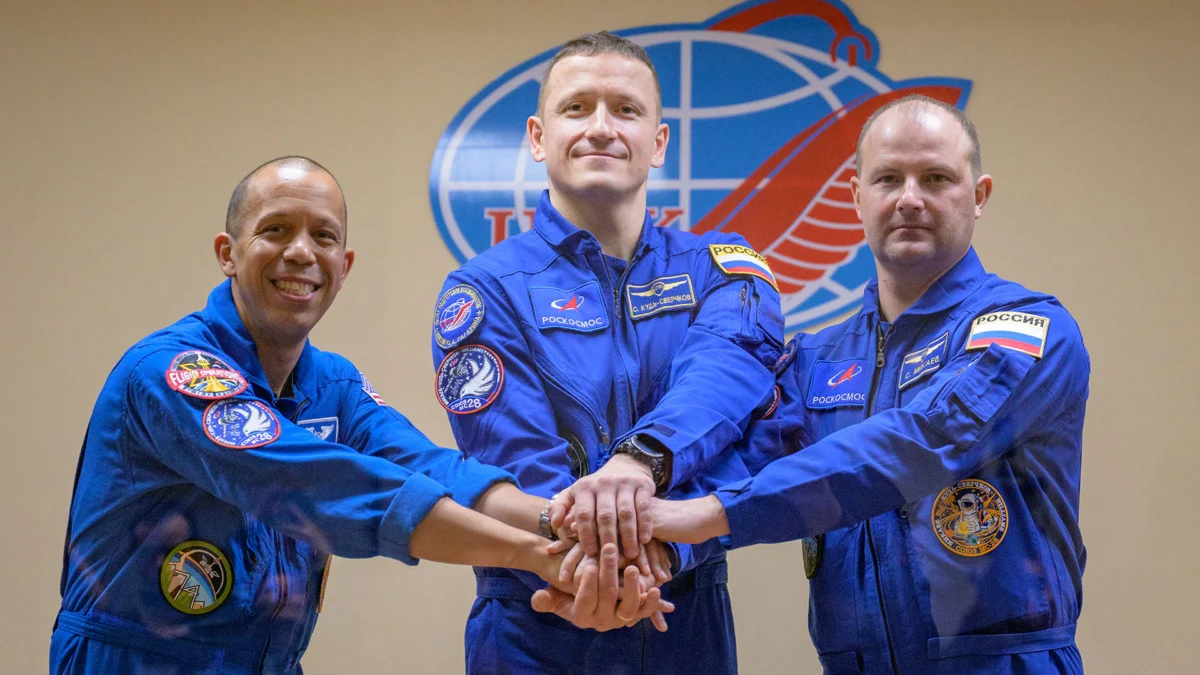
As the sun sets on another historic chapter of human space exploration, a trio of spacefarers is preparing for their final hours aboard the International Space Station (ISS). NASA astronaut Chris Williams and Roscosmos cosmonauts Sergey Kud-Sverchkov and Sergei Mikaev are slated to depart the orbiting laboratory early Sunday, July 26, concluding an arduous and scientifically productive 241-day mission. Their return to Earth marks the conclusion of Expedition 74 and the beginning of a new era for the station under the command of NASA’s Jessica Meir.
The Return Journey: A Chronology of Descent
The return of the Soyuz MS-28 spacecraft is a meticulously choreographed ballet of orbital mechanics and international cooperation. For the crew, the journey begins long before the physical separation from the ISS.
The transition period commenced on July 25, with a formal change-of-command ceremony. In this time-honored tradition of spaceflight, outgoing commander Sergey Kud-Sverchkov officially passed the station’s "keys" to Jessica Meir. This symbolic gesture serves as the official bridge between Expedition 74 and Expedition 75, a transition that technically solidifies the moment the Soyuz MS-28 undocks from the station’s docking port.
The Sequence of Events
- July 25, 9:40 a.m. EDT (1340 GMT): NASA began live coverage of the change-of-command ceremony, highlighting the seamless handover of responsibilities.
- July 25, 11:10 p.m. EDT (0310 GMT, July 26): Coverage resumes to capture the emotional farewells between the departing crew and the remaining ISS inhabitants.
- July 25, 11:30 p.m. EDT (0330 GMT, July 26): The hatches between the ISS and the Soyuz MS-28 are scheduled to be sealed, marking the start of the "free-flight" phase for the spacecraft.
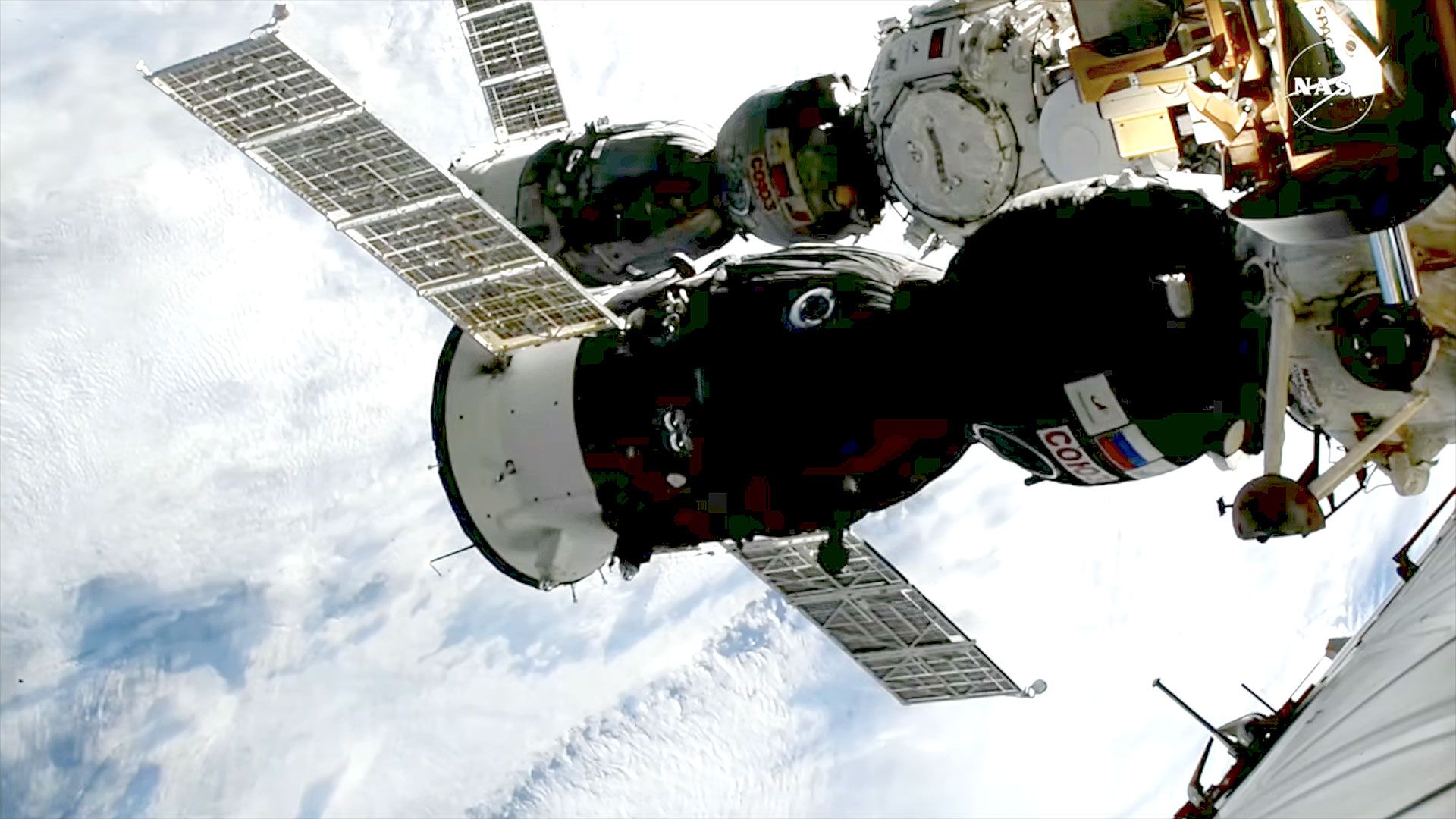
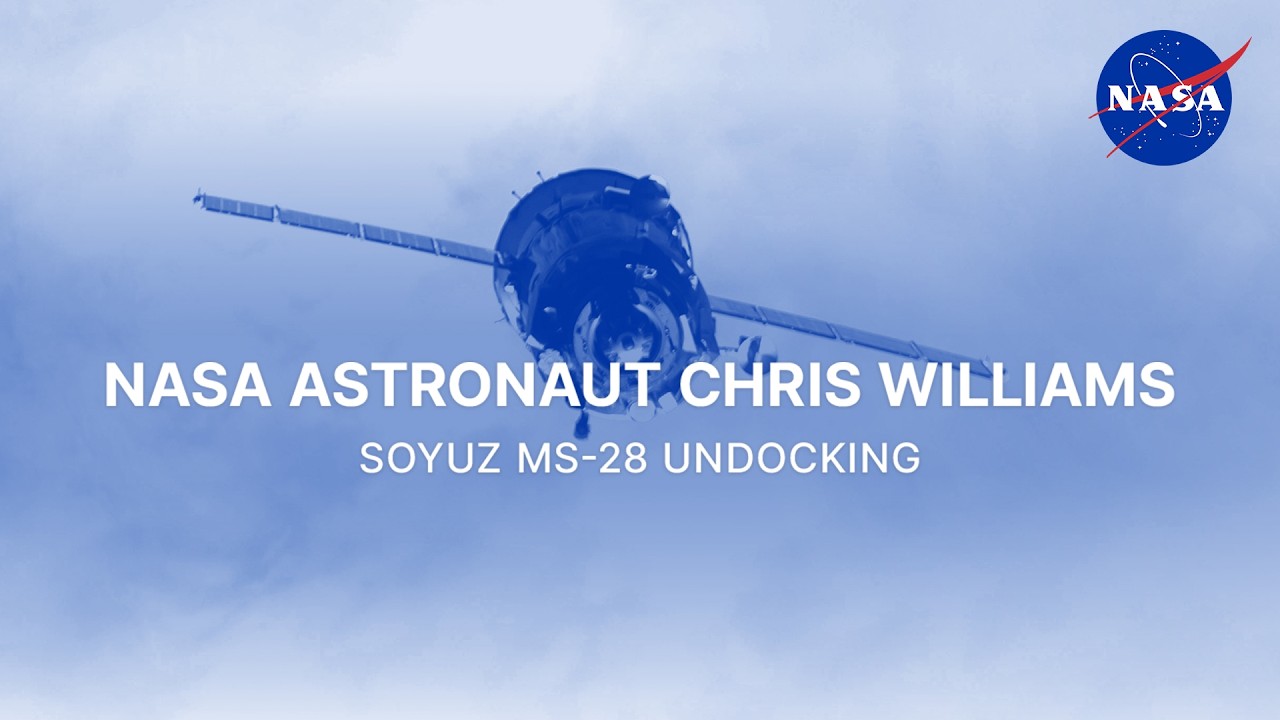
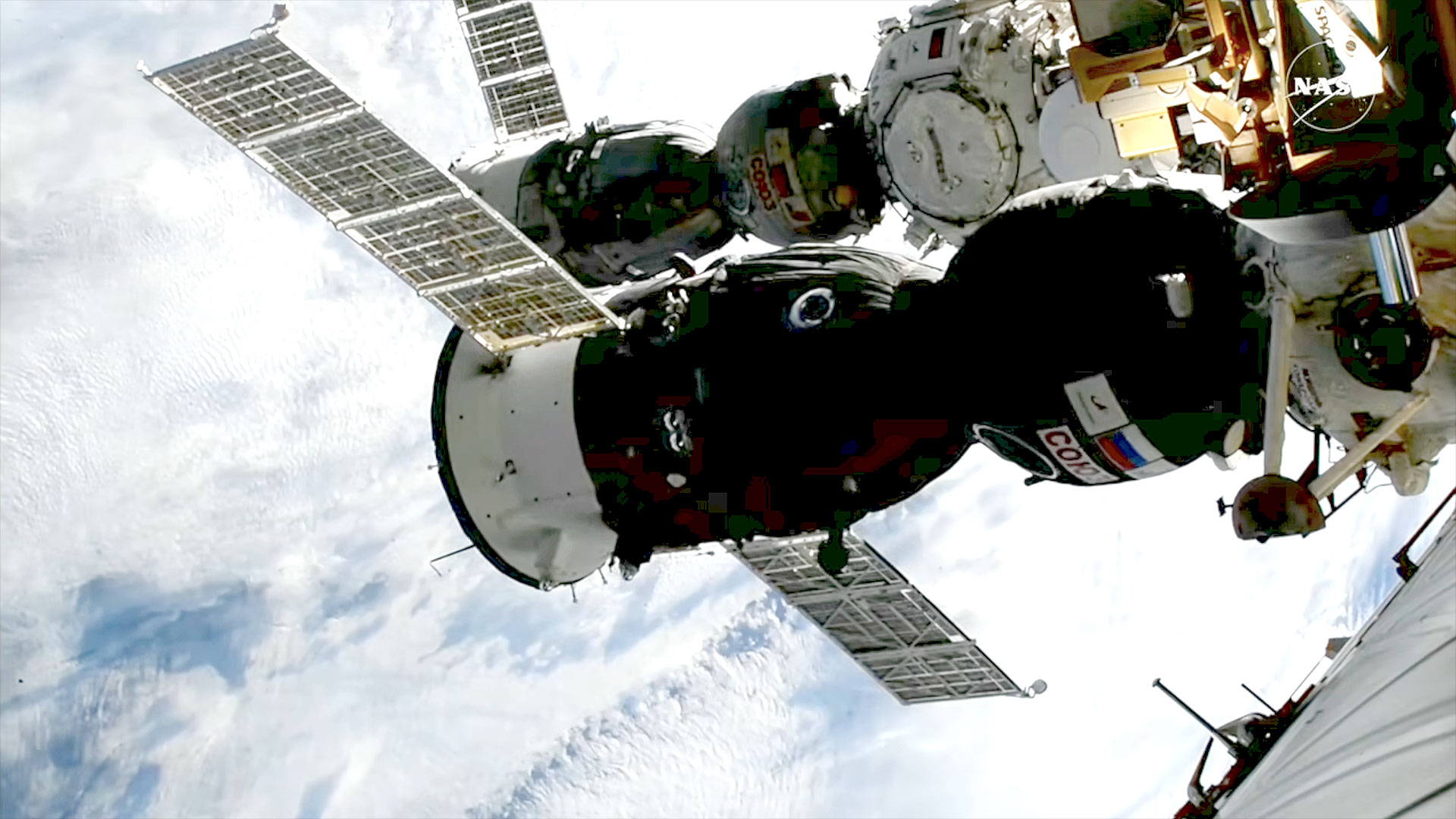
- July 26, 3:02 a.m. EDT (0702 GMT): The critical undocking maneuver. The Soyuz MS-28 will pull away from the station, beginning its slow drift into a separate orbit.
- July 26, 6:26 a.m. EDT (1026 GMT): Expected touchdown on the windswept steppes of Kazakhstan, southeast of the city of Dzhezkazgan.
Following the physical separation, the spacecraft will perform a series of deorbit burns, a process that slows the capsule down from its orbital velocity of roughly 17,500 mph (28,000 kph). This reduction in speed causes the vessel to drop into the upper layers of Earth’s atmosphere, where the friction of the air creates a protective plasma shield and slows the craft down before the parachute deployment sequence begins.
Mission Overview: A Legacy of 241 Days
The Soyuz MS-28 mission has been a journey of endurance and scientific discovery. Launching on Thanksgiving Day, November 27, 2025, the mission served as the first foray into space for both Chris Williams and Sergei Mikaev, while representing the second mission for veteran cosmonaut Sergey Kud-Sverchkov.
By the time the capsule touches down, the trio will have spent 241 days in the microgravity environment of low Earth orbit. During this period, the crew has remained incredibly busy, managing the complex internal systems of the ISS, conducting numerous scientific experiments, and maintaining the aging infrastructure of the station.
The scale of their journey is difficult to comprehend: they will have completed 3,856 orbits of our planet, traversing a distance of more than 102 million miles (164 million kilometers). This distance is equivalent to traveling to the Sun and nearly halfway back again, highlighting the sheer velocity at which the station and its inhabitants constantly travel.
The Human Element: Training and Recovery
The life of an astronaut or cosmonaut does not end when the hatch closes for the final time. The physical toll of long-duration spaceflight—including muscle atrophy, fluid shifts, and bone density loss—requires a rigorous post-landing protocol.
Upon landing, the crew will be extracted from the cramped confines of the Soyuz descent module by recovery teams stationed in Kazakhstan. Given the remote nature of the landing site, the primary mode of transport to civilization is by helicopter, which will ferry the crew to the city of Karaganda for initial medical evaluations.
From there, the paths of the crew diverge to align with their respective space agencies:
- NASA’s Chris Williams will begin his journey home to the Johnson Space Center in Houston, Texas, where he will undergo an extensive post-flight rehabilitation program designed to help his body readapt to Earth’s gravity.
- Sergey Kud-Sverchkov and Sergei Mikaev will head to Star City, Russia, the historic center of Russian cosmonaut training, to reunite with their families and undergo their own post-mission health assessments.
Implications for Future Exploration
The successful conclusion of the MS-28 mission provides NASA and Roscosmos with vital data points regarding the long-term effects of spaceflight on the human body. As humanity looks toward more ambitious goals—including missions to the Moon under the Artemis program and eventual crewed missions to Mars—the lessons learned from the 241-day stays on the ISS are invaluable.
The cooperation required to maintain the ISS, despite geopolitical tensions on the ground, remains one of the greatest success stories of international relations. The handoff between Kud-Sverchkov and Meir serves as a reminder that the vacuum of space is a harsh environment that demands absolute collaboration. By relying on one another for life support, scientific data, and daily operations, these international crews have proven that science can transcend borders.
Scientific Advancements
During their time in orbit, the crew contributed to hundreds of experiments. These ranged from studying the behavior of fluids in microgravity to testing new biological growth techniques that could eventually sustain humans on long-duration interplanetary voyages. Furthermore, the maintenance of the station’s hardware—often requiring complex spacewalks—ensures that the ISS remains viable for future generations of researchers.
Conclusion: Looking Toward the Horizon
As we watch the live feeds from NASA’s cameras this Sunday, we are witnessing more than just the return of a spacecraft. We are watching the conclusion of a significant chapter in human history. The dedication of individuals like Williams, Kud-Sverchkov, and Mikaev is what makes the impossible seem routine.
While the Expedition 74 crew prepares to return to the pull of gravity and the comfort of their homes, the station itself continues its tireless, silent orbit. With Jessica Meir now in command, the ISS continues to host a new wave of researchers, ensuring that the legacy of discovery remains uninterrupted.
For those interested in witnessing the final descent, NASA’s live coverage will provide real-time updates as the Soyuz MS-28 descends through the atmosphere, a final, fiery reminder of the immense energy and engineering required to reach for the stars and return home safely. The world watches, waiting to welcome these modern-day explorers back to the planet they have orbited thousands of times, a little bit wiser and a lot further from home than they were eight months ago.