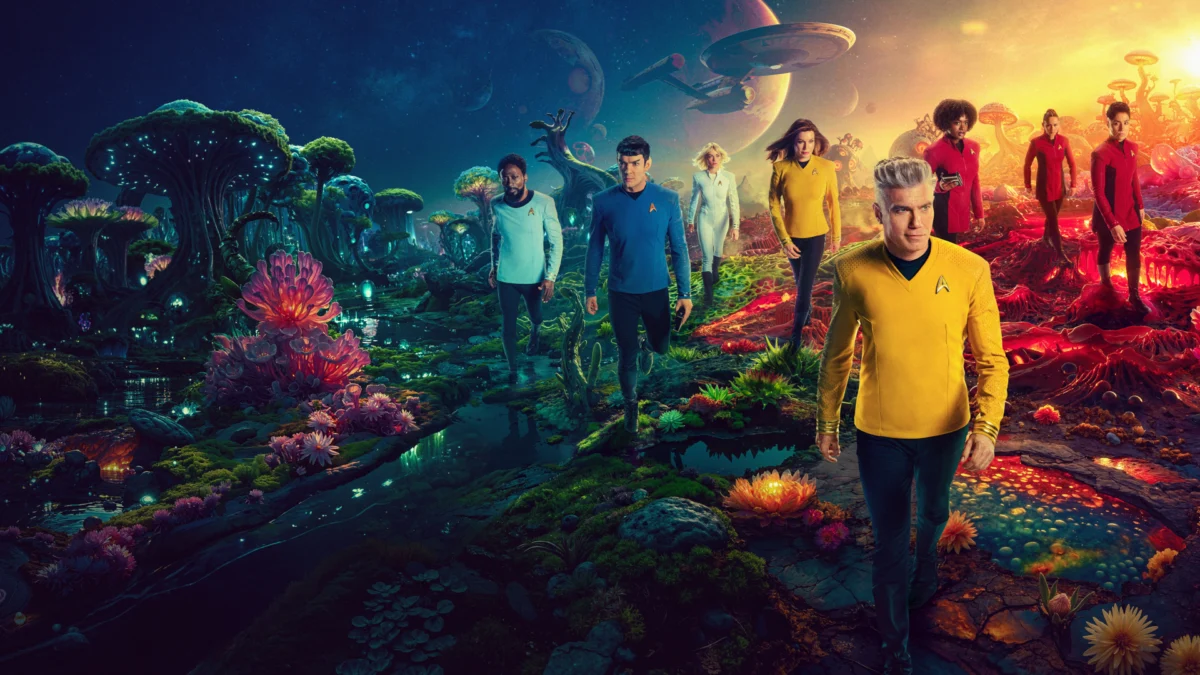
On September 8, 1966, the American television landscape shifted irrevocably. A seemingly routine Thursday night saw the premiere of Star Trek, a show that introduced audiences to the U.S.S. Enterprise and a vision of the future where humanity traveled among the stars. At the time, the concept of a planet outside our solar system—an exoplanet—was purely the stuff of science fiction. Today, nearly six decades later, the universe has proven to be far more populated and bizarre than even Gene Roddenberry’s visionary writers could have dared to dream.
The Evolution of the "Strange New World"
When Star Trek first debuted, the scientific community had no confirmed evidence of planets orbiting stars other than our own. The "exoplanet" remained a theoretical curiosity, a placeholder in the vast equation of the Drake Equation. Yet, the writers of the series populated their fictional galaxy with a dizzying array of environments: desert worlds like Vulcan, lush garden planets, gas giants, and icy outposts.
The show utilized these diverse settings as narrative mirrors, allowing the crew of the Enterprise to explore human nature through the lens of alien geography. However, the constraints of 1960s television production—combined with the limited astrophysical knowledge of the era—meant these worlds were often simplified, Earth-like variations. As we have moved from the era of speculative fiction to the era of actual space-based exoplanet discovery, the reality has diverged sharply from the tropes of mid-century television.
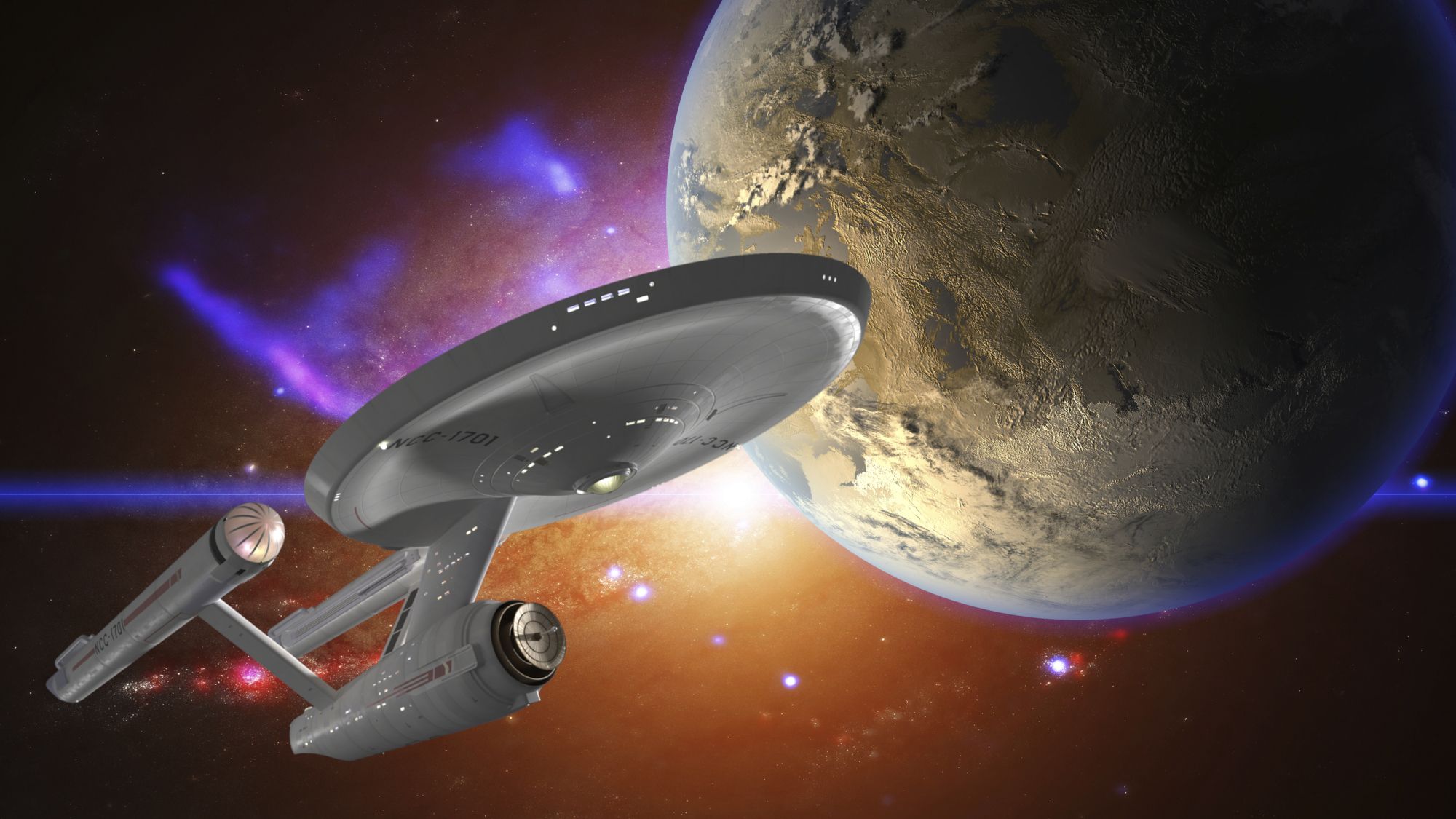
Chronology: From Sci-Fi Speculation to Statistical Certainty
The path from the television screen to the telescope was long and arduous. For decades, astronomers searched for "wobbles" in stars—the subtle gravitational tugs caused by orbiting planets—with little success.
- 1966: Star Trek premieres. The scientific consensus is that planets might exist, but we have no way of finding them.
- 1992: The first confirmed exoplanets are discovered orbiting a pulsar, PSR B1257+12. These were not the habitable, garden-variety worlds of Star Trek, but dead, irradiated husks orbiting the remains of a collapsed star.
- 1995: The discovery of 51 Pegasi b, the first exoplanet found orbiting a sun-like star, marks a turning point. It was a "Hot Jupiter"—a massive gas giant orbiting its star in just four days, challenging existing theories of planet formation.
- 2009–2018: The launch of NASA’s Kepler Space Telescope revolutionized the field, revealing that planets are not rare anomalies but ubiquitous features of the galaxy.
- 2024: NASA’s official tally of confirmed exoplanets surpasses the 6,000 mark. We now know that, statistically, every star in the sky likely hosts at least one planet.
Supporting Data: When Fiction Meets Astrophysics
The divergence between the Star Trek vision and modern astronomy is most evident when examining the specific "worlds" popularized by the franchise.
The Vulcan Problem
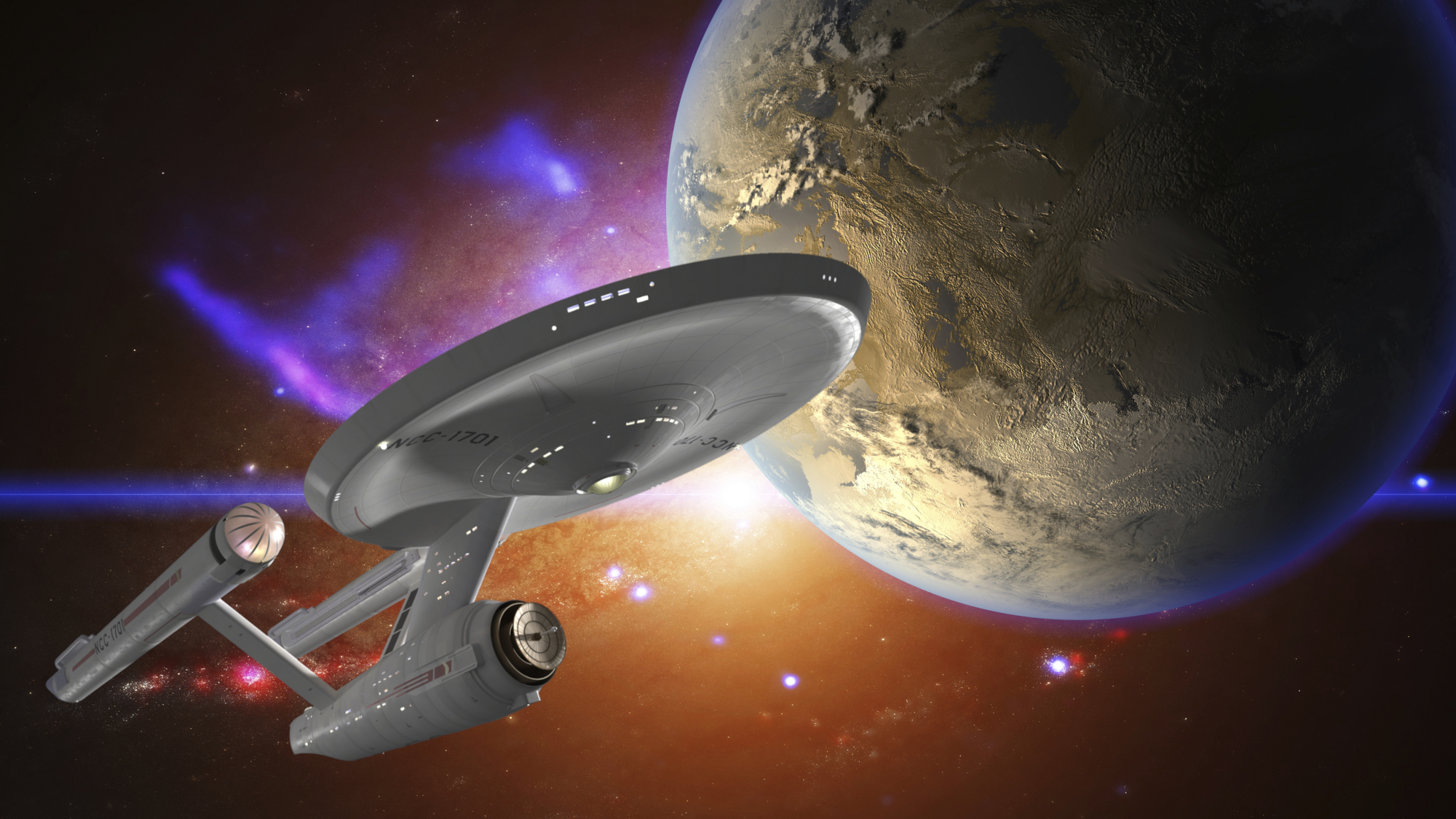
Vulcan, the home of Spock, is perhaps the most famous fictional planet in history. In the show, it is described as a hot, dry, high-gravity world orbiting 40 Eridani A, a real star located about 16 light-years from Earth. In 2018, the scientific community was abuzz when researchers announced a "super-Earth" candidate orbiting that very star. However, further analysis revealed the signal was likely not a planet at all, but rather the result of stellar jitter—magnetic activity and starspots mimicking a planetary orbit. This serves as a cautionary tale: the universe is incredibly good at playing tricks on our instruments.
Water Worlds and Extreme Pressure
In the Star Voyager episode "Thirty Days," the crew encounters "The Waters," a planet-sized sphere of liquid water held together by a containment field. While the show used a containment field to maintain the structure, modern physics suggests that a body of water that large would collapse under its own gravity. The core would not be liquid, but rather "Ice VII" or other high-pressure ice phases that exist under the extreme crushing weight of a planetary interior. While we haven’t found a pure water-planet, candidates like TOI-1452 b, a super-Earth orbiting a red dwarf, suggest that many worlds possess significantly higher water content than our own, even if they remain inhospitable to human life.
The Circumbinary Reality
Star Trek frequently featured worlds with binary or even ternary suns, such as the vacation planet Risa. For years, astronomers were unsure if planets could maintain stable orbits in such chaotic gravitational environments. The discovery of Kepler-16b changed that. This "circumbinary" planet orbits two stars, meaning a sunset on its surface would indeed involve two suns dipping below the horizon. However, where Star Trek imagined these systems as potential homes, reality reveals that many such worlds are cold, gas-shrouded giants, unsuitable for a leisurely vacation.
Official Scientific Perspectives
The scientific community maintains a rigorous distinction between the "habitable zones" depicted in media and the actual conditions observed by missions like the James Webb Space Telescope (JWST).
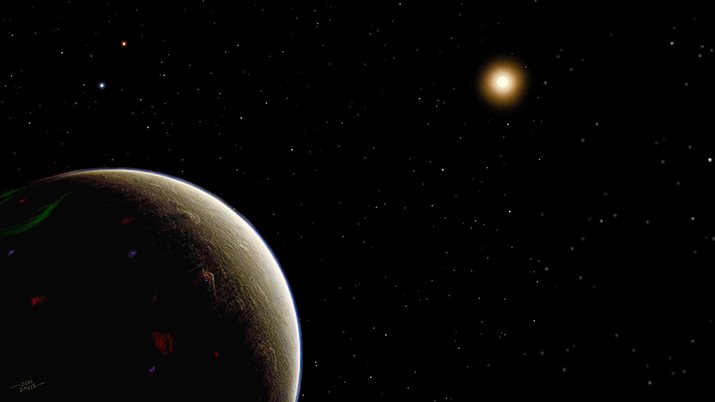
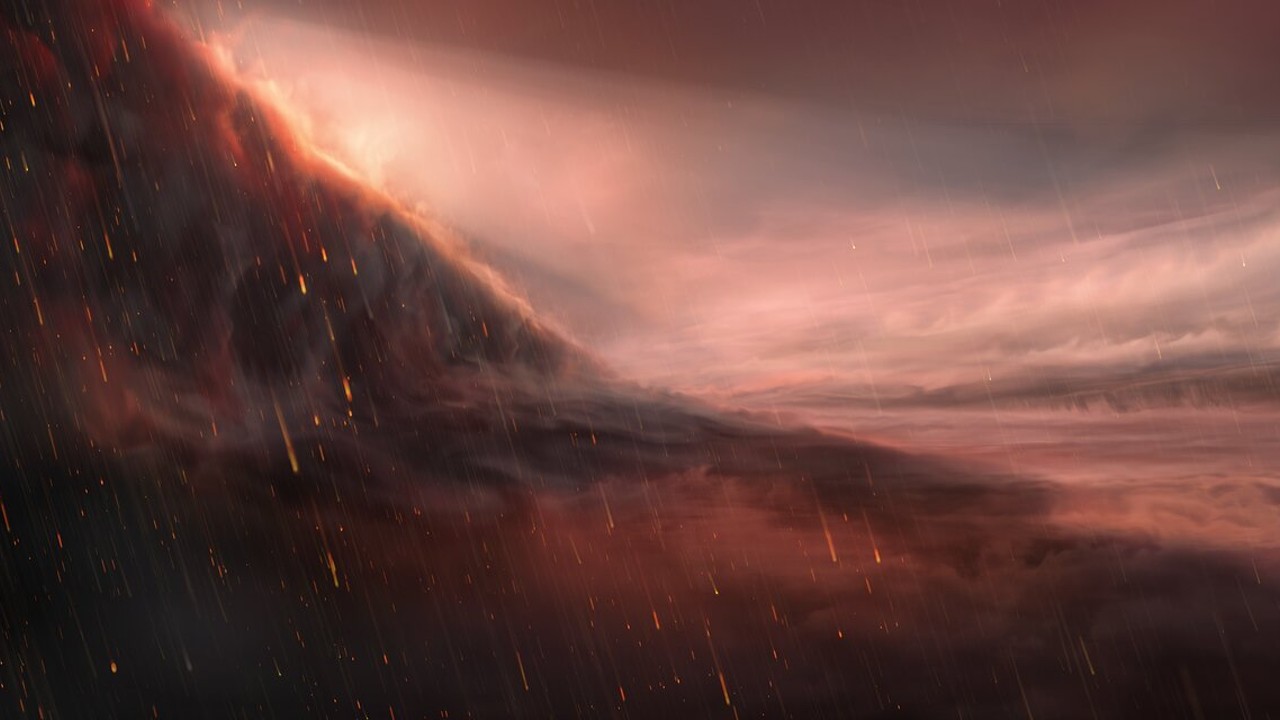
NASA’s exoplanet research division emphasizes that while the Star Trek universe was limited by the need for "human-habitable" sets, the real universe is defined by extreme variety. Astrophysicists point to worlds like WASP-76b, where temperatures are so high that iron vaporizes on the dayside, only to condense into iron rain on the nightside. Similarly, 55 Cancri e, often called a "super-Earth," is likely covered in a global magma ocean, an environment far more hellish than any depicted in the Star Trek archives.
Dr. Alix, an astrophysicist specializing in exoplanetary characterization, notes: "The greatest scientific legacy of Star Trek isn’t the accuracy of its specific planet designs, but the cultural paradigm shift it encouraged. By normalizing the idea that the galaxy is teeming with diverse, planetary environments, it helped build the public and political support necessary to fund the very missions that eventually discovered these worlds."
Implications: The Reality is Stranger Than Fiction
As we analyze the current data, the implications for our search for extraterrestrial life are profound. Star Trek functioned on the assumption that if you fly to a star, you will find a planet that feels somewhat like Earth. Reality has shown us that Earth-like planets—those with the precise balance of rocky composition, atmospheric pressure, and liquid water—are the exception, not the rule.
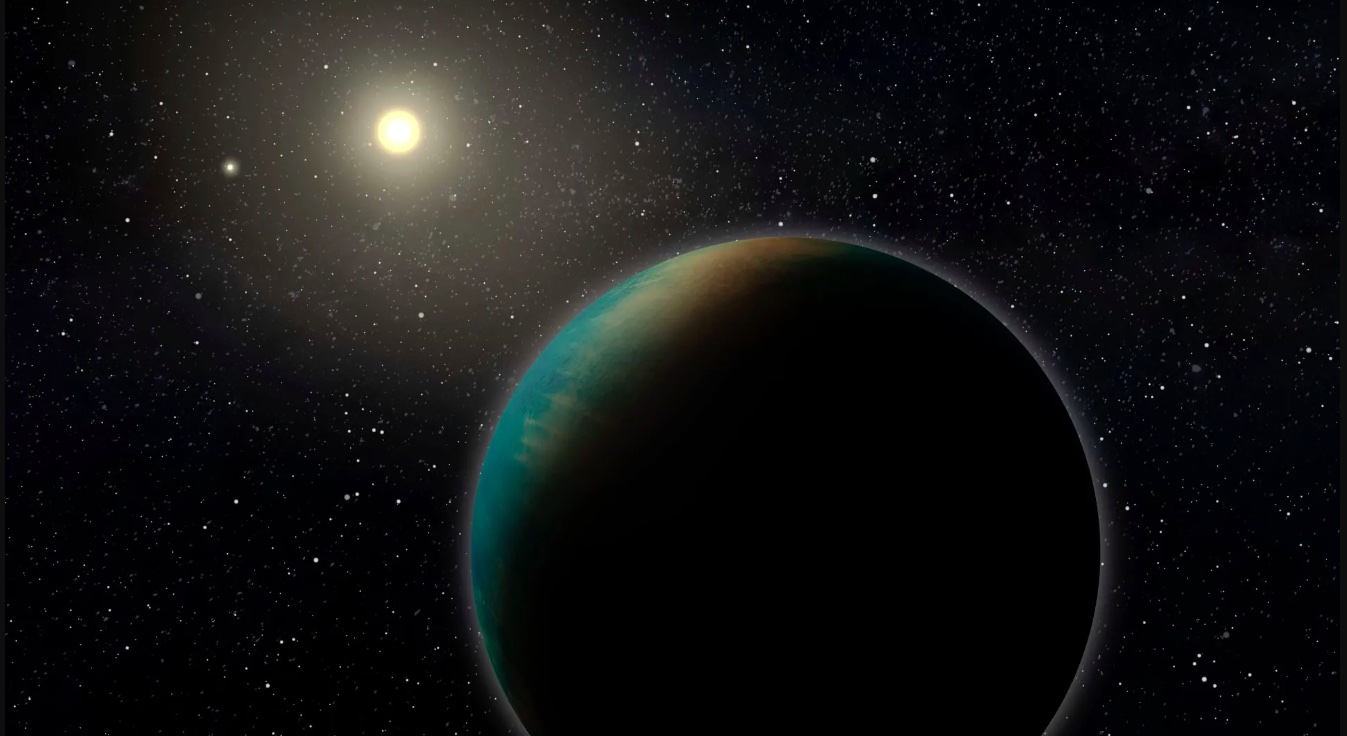
The "discovery" of these 6,000+ planets has fundamentally altered our understanding of the galaxy. We have moved from being a solar system that suspected it might be lonely to a galaxy that knows it is crowded. The diversity of planetary architecture—rogue planets drifting in the dark without a star, worlds with metallic atmospheres, and planets orbiting multiple suns—shows that nature does not follow the narrow rules of television writers.
Looking Toward the Future
The next phase of exploration involves atmospheric characterization. With the capabilities of the JWST and upcoming missions like the Habitable Worlds Observatory, we are moving beyond just finding planets to actually "tasting" their atmospheres. We are looking for biosignatures—gases like methane or oxygen that could indicate the presence of life.
While we have not yet encountered the "strange new worlds" of the Federation, we have encountered a universe that is vast, complex, and infinitely more creative than we ever imagined. The legacy of Star Trek is not found in the accuracy of its science, but in the audacity of its optimism. It taught us to look up, to wonder, and to recognize that the final frontier is not just a destination for ships—it is a laboratory of infinite possibility.
As we look back at the 60-year gap between that first broadcast and our current catalogue of 6,000 worlds, one thing is clear: the most exciting episodes of this discovery have yet to be written. The science of the future may not always mirror the fiction of the past, but it continues to be, in the words of the franchise itself, a journey to seek out new life and new civilizations.