After a week of intensive testing with Google’s newly released Pixel 11 lineup—comprising the standard Pixel 11, the Pixel 11 Pro, and the Pixel 11 Pro Fold—a distinct, dual-layered reality has emerged. On one hand, these devices represent the pinnacle of current mobile refinement, offering an unparalleled user experience for the productivity-minded professional. On the other, they suffer from a distinct lack of "wow" factor, feeling more like a subtle calibration of the previous generation than a revolutionary leap forward.
For the modern tech-dependent professional, this raises a fundamental question: Is the Pixel 11 worth the investment, or is the "boring" nature of these phones a sign that the smartphone industry has finally reached a plateau of peak maturity?
Main Facts: The Evolution of the Pixel 11 Lineup
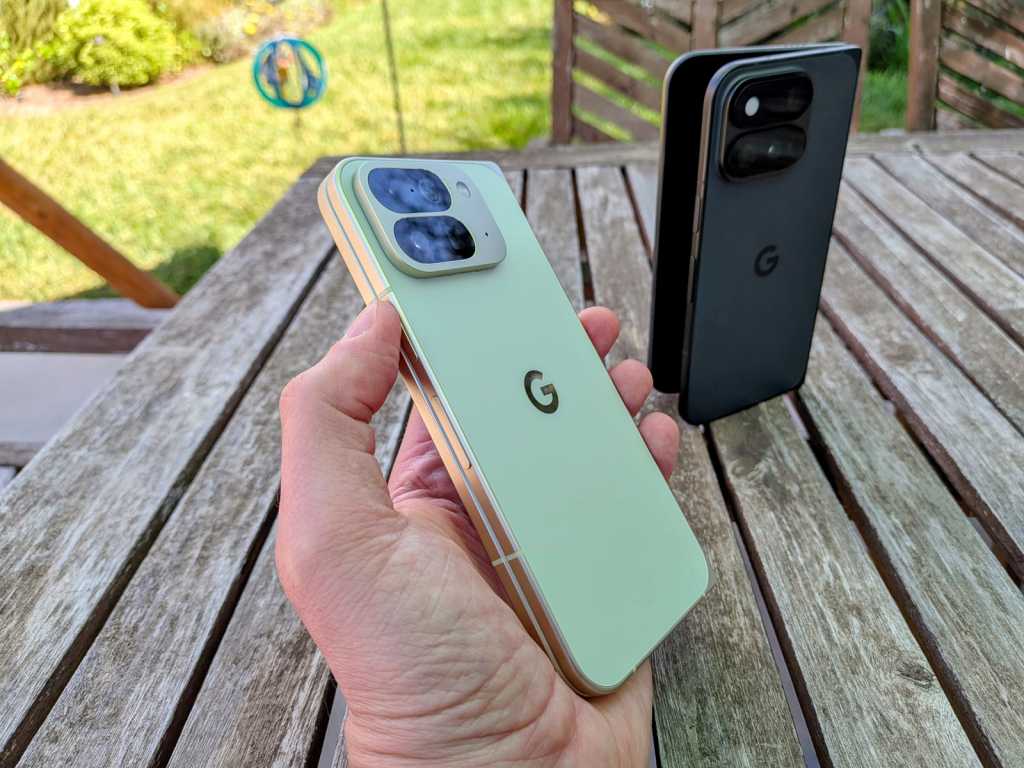
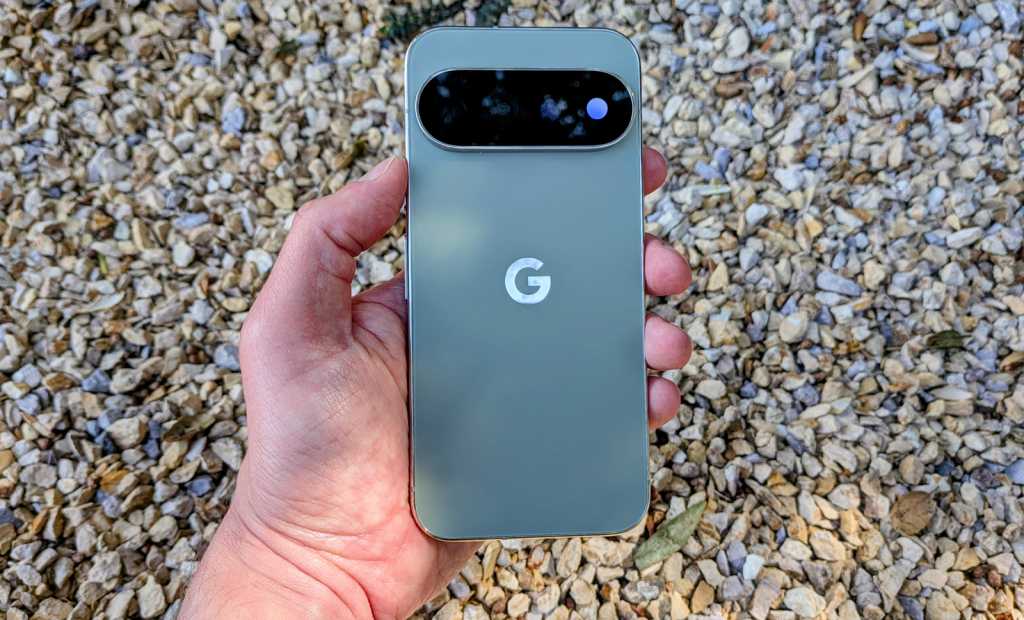
The Pixel 11 series arrives in an ecosystem where the hardware has become almost invisible in its efficiency. The devices are sleek, the camera bars are thinner, and the displays are both brighter and more resilient than their predecessors.
However, beneath the polished exterior, the changes are incremental. The new Tensor processor offers modest efficiency gains, and charging speeds have seen a minor uptick. The most significant "new" features include:

- Magic Capture: A camera mode that allows users to record video while simultaneously pulling full-resolution still images from the footage.
- Enhanced Voice Typing: A native AI-driven dictation system that aims to rival specialized third-party tools like Wispr Flow.
- HiLight LED: A rear-mounted notification system integrated into the camera housing that glows during Gemini interactions or custom contact alerts.
While these features add utility, they highlight the central tension of the release: Google is leaning heavily into software-driven "intelligence" while the physical hardware remains largely static.
A Chronology of the Launch
The rollout of the Pixel 11 was, to put it mildly, unconventional. Last Wednesday, Google opted for a fragmented announcement strategy. Early in the day, the company published an extensive, detailed blog post outlining the specifications and features of the new phones. Several hours later, in an elaborate evening event, the company formally introduced the Pixel 11, 11 Pro, and 11 Pro Fold to the public.
For those who have followed the Pixel trajectory—from the early days of the Pixel 10 Pro to the experimental designs of the 10 Pro Fold—this launch felt less like a celebration of a new era and more like a routine update. Having spent the last year living with the Pixel 10 Pro and having access to almost every flagship Android device on the market, the transition to the 11 felt seamless, almost to a fault. There was no "learning curve" because, effectively, there was no change in the core user experience.
Supporting Data and Hardware Analysis
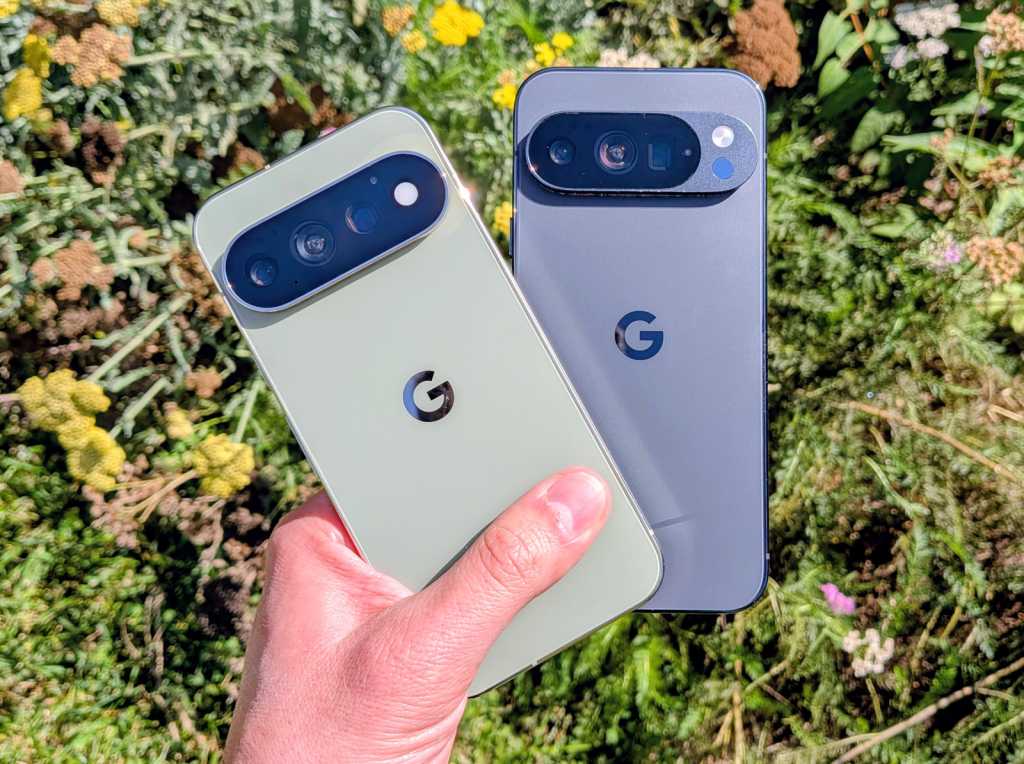
When comparing the Pixel 11 Pro to its predecessor, the marginal nature of the upgrades becomes clear. The dimensions of the Fold have been reduced by 0.7mm and 19g—adjustments so subtle that they are effectively imperceptible in daily use.
The RAM and Thermometer Controversy
Perhaps the most contentious aspect of this year’s release involves two specific hardware shifts:
- The Removal of the Thermometer: Previously featured on the Pro models, the dedicated thermometer—which had evolved into a surprisingly useful tool for quick, reliable temperature checks—has been entirely removed.
- Memory Constraints: In a move driven by global supply chain issues, the base Pixel 11 Pro models now ship with 12GB of RAM. To secure 16GB, users must opt for the more expensive 512GB storage tier. While this may not impact immediate performance, it creates a potential bottleneck for long-term, high-intensity multitasking.
Furthermore, the "HiLight" LED feature, while visually interesting, remains severely limited. Currently, its functionality is restricted to signaling Gemini engagement and identifying specific callers. Critics argue that this is an "embarrassingly half-baked" execution of what could have been a powerful, customizable notification tool.
Official Stance and AI Integration
Google’s marketing for the Pixel 11 is almost entirely centered on its AI-first philosophy. The company is betting that the "intelligence" inside the phone—its ability to summarize, dictate, and process information via Gemini—is the true value proposition.
However, as the broader tech industry has seen, AI gimmicks for the sake of marketing often come at the expense of genuine user utility. Many of the "new" AI features found in the Pixel 11 are either arriving on older devices via software updates or are already available through third-party applications. This leads to the "Pixel 11 Paradox": the phone is an exceptional piece of hardware that does exactly what it is supposed to do, yet it struggles to justify a replacement cycle for those already holding a Pixel 10 or 9.
Implications for the Consumer
So, what does this mean for the professional who relies on their phone to get things done?
The Case for Stability
If you are a professional, "exciting" is often overrated. You need a device that is reliable, secure, and supported. Google continues to lead the industry with its software support policy. By guaranteeing major Android releases and regular security updates for seven years, the Pixel remains the only Android device where privacy and software longevity are treated as a core product promise. If your current device is aging or you are a new entrant to the Android ecosystem, the Pixel 11 is arguably the most sensible purchase on the market.
The Case for Restraint
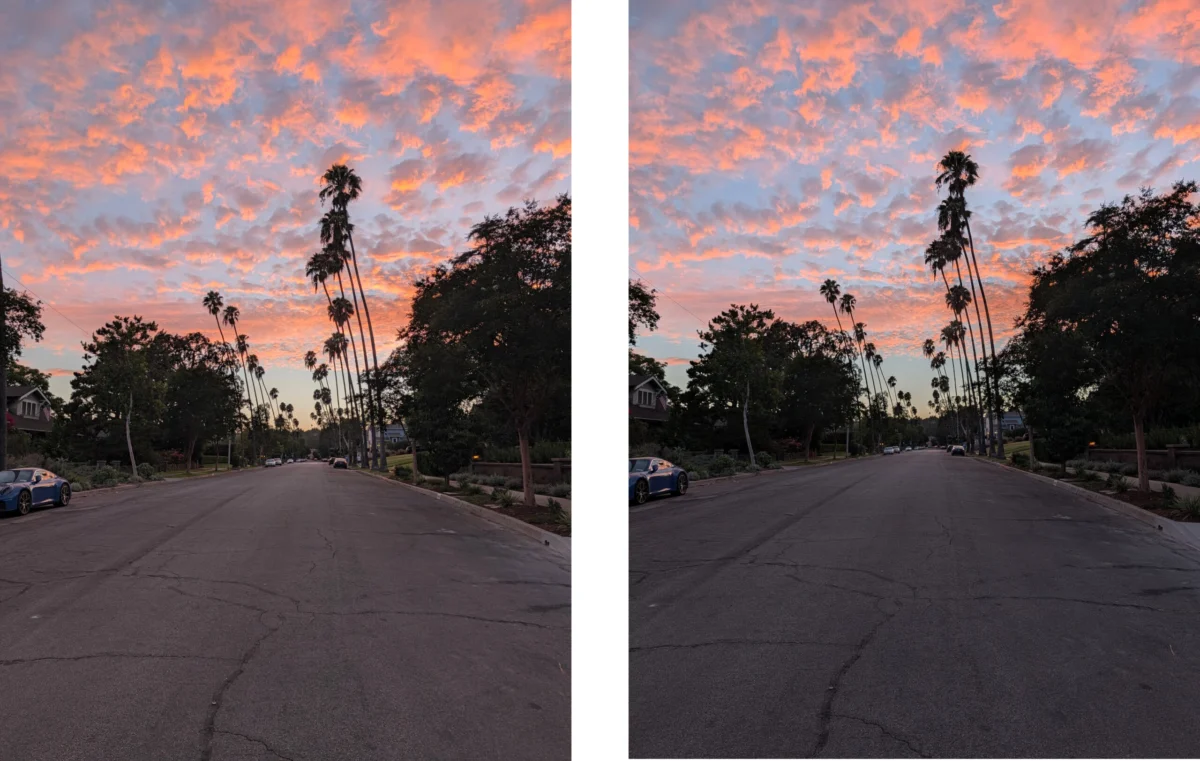
Conversely, if you are currently using a Pixel 10 or a late-model Pixel 9, the Pixel 11 offers very little in the way of tangible upgrades. The camera performance is statistically similar, the speed is subjectively identical in real-world tasks, and the physical form factor remains largely unchanged. In this context, the lack of "excitement" is actually a testament to how good the previous generation was.
Conclusion: The Maturity of the Smartphone
The Pixel 11 serves as a mirror to the current state of the smartphone market. We have reached a point where the fundamental hardware—the screen, the processor, the camera—has become so good that further refinement yields diminishing returns.
For many, the "boring" nature of the Pixel 11 is actually its greatest feature. It is a tool that works, it is updated regularly, and it avoids the pitfalls of "innovation for the sake of innovation." In a market obsessed with the next big AI gimmick, opting for a device that simply does its job with quiet, consistent reliability might be the most productive decision a professional can make.
If you are looking for a phone that will serve you faithfully for the next half-decade, the Pixel 11 is an easy recommendation. Just don’t go looking for the thrill of the new; instead, find comfort in the stability of the proven.