As humanity accelerates its presence in Low Earth Orbit (LEO) with thousands of new satellite constellations and expanded commercial activity, we have reached a precarious tipping point. The orbital environment is becoming increasingly crowded, littered with the remnants of decades of space exploration—dead satellites, spent rocket stages, and fragments of high-speed collisions. This "orbital debris" poses a catastrophic risk to current and future missions. However, a new wave of innovation is emerging, led by pioneering companies like KMI Space, which are turning to the natural world to solve one of the most complex engineering challenges in history.
The Growing Crisis of Orbital Debris
Orbital debris, often referred to as "space junk," has evolved from a theoretical concern into a tangible threat. According to data from the European Space Agency (ESA) and NASA, there are tens of thousands of objects larger than 10 centimeters currently tracked in orbit. When objects are moving at speeds of roughly 17,500 miles per hour, even a paint fleck can cause significant damage. The "Kessler Syndrome"—a scenario where the density of objects in LEO is high enough that collisions between objects could cause a cascade of further collisions—is no longer a science fiction trope; it is a genuine operational risk.
Historically, space agencies have focused on avoidance rather than removal. But as the commercial space sector grows, the need for "Active Debris Removal" (ADR) has shifted from a peripheral interest to an essential requirement for sustainable space flight.
Bio-Mimicry in Orbit: The KMI Space Approach
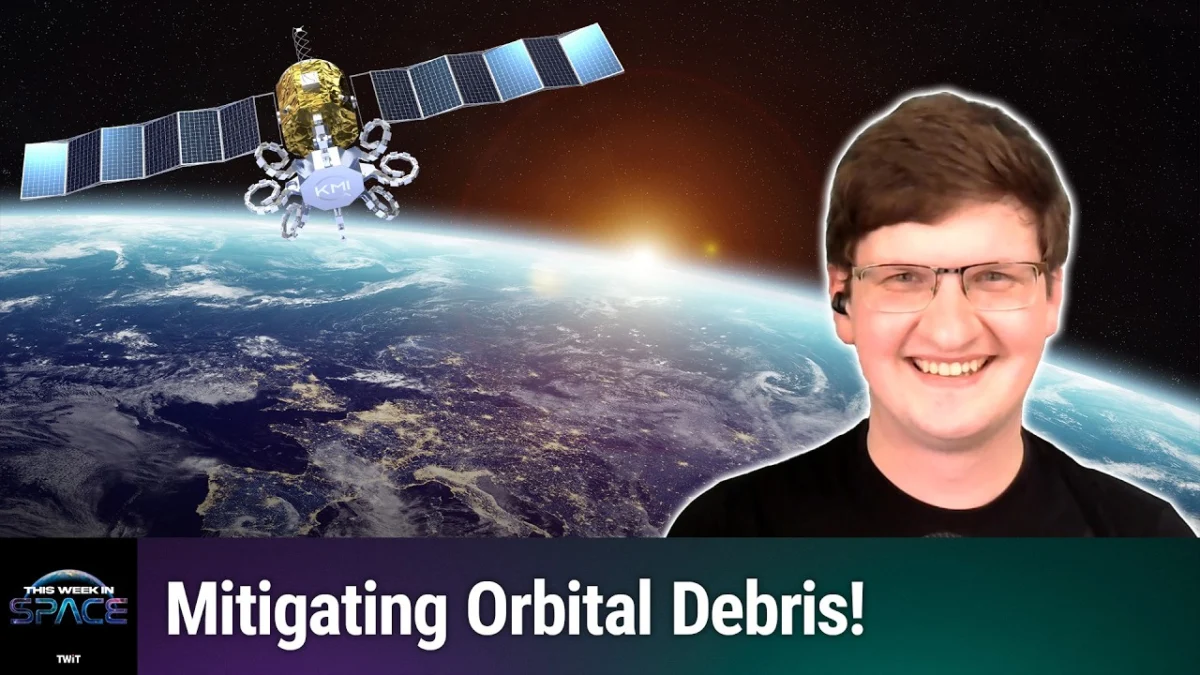
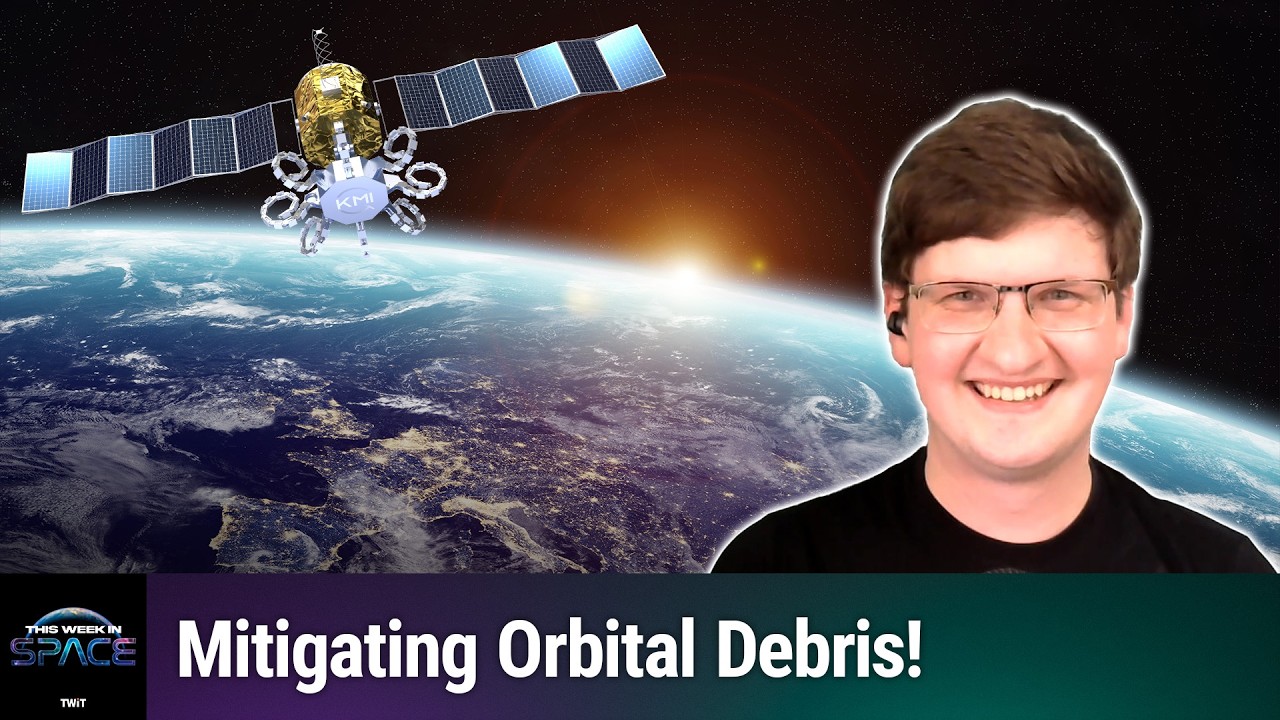
In a recent episode of This Week In Space, hosts Rod Pyle and Tariq Malik sat down with Adam Kall of KMI Space to discuss the company’s cutting-edge work on the International Space Station (ISS). KMI Space is spearheading a paradigm shift by utilizing biomimicry to address the challenges of capturing uncontrolled, tumbling debris in microgravity.
The company has drawn inspiration from two unlikely masters of adhesion and manipulation: the octopus and the gecko.
The Octopus Influence
The octopus is a marvel of biological engineering, utilizing a combination of suction and muscular dexterity to manipulate objects of various shapes and sizes. In the context of orbital debris, where a target object may be spinning or have an irregular surface, the "soft robotics" approach modeled after the octopus offers a distinct advantage over rigid, mechanical grippers. By using flexible, suction-based appendages, robotic systems can conform to the geometry of a piece of debris, providing a secure hold without the need for complex, heavy-duty docking hardware.
The Gecko Advantage
While the octopus provides the model for grasping, the gecko provides the model for surface contact. Geckos are renowned for their ability to traverse vertical surfaces with ease due to the microscopic hairs on their feet, which leverage van der Waals forces. KMI Space is exploring similar adhesive technologies for space applications. These "dry adhesives" allow a robotic arm or satellite to latch onto smooth, metallic, or composite surfaces of a defunct satellite without the need for specialized "capture points" or fuel-heavy docking maneuvers.
Chronology of Development
The journey toward effective orbital salvage has been methodical and rigorous.
- 2020–2022: Initial Research and Development: KMI Space began conceptualizing its "Grip" technology, focusing on the physics of adhesion in a vacuum.
- 2023: ISS Demonstration Missions: The company successfully launched its experimental hardware to the International Space Station. The ISS serves as the ultimate "proving ground" for space robotics, providing a controlled yet realistic microgravity environment.
- The 170-Grip Milestone: During its tenure on the ISS, KMI Space completed over 170 individual rendezvous-and-grab operations. These tests were crucial for gathering data on how different materials and surface textures react to their bio-inspired adhesive mechanisms.
- Present Day: Following the successful validation of their technology, the company is now transitioning from experimental modules to more ambitious, flight-ready designs intended for dedicated debris-removal missions.
Supporting Data: Why "Grab" Technology Matters
The primary challenge of debris removal is the "uncooperative" nature of the target. A dead satellite doesn’t have a standardized docking port. It might be tumbling end-over-end, or it might be covered in fragile solar arrays that cannot be damaged during the capture process.
Current data suggests that manual or heavy-mechanical capture is both expensive and risky. KMI’s approach is significantly lighter, allowing for smaller, more cost-effective "chaser" satellites. By reducing the mass of the capture mechanism, the chaser satellite can carry more fuel or accommodate more debris, effectively changing the economics of the "space janitor" industry.
The success of the 170-operation test cycle provides a statistical foundation for these claims, proving that the adhesive mechanisms can perform consistently under the thermal cycling and radiation environment typical of LEO.
Official Perspectives and Industry Implications
The consensus among space industry leaders—including the experts at This Week In Space—is that the commercialization of orbital debris removal is inevitable. Regulatory bodies like the FCC have begun implementing stricter "de-orbiting" requirements for new satellites, forcing companies to plan for their end-of-life disposal.
However, existing debris remains a major liability. Companies like KMI Space are positioning themselves not just as engineers, but as providers of an essential environmental service. The implication for the future of space travel is profound: if we can successfully "clean up" our orbital neighborhood, we can continue to launch constellations that provide global internet, climate monitoring, and deep-space communications without the fear of a Kessler-level event.
Beyond the Hardware: A New Space Age
While the engineering side of space exploration is critical, the human element remains the driving force. Podcasts like This Week In Space, hosted by Rod Pyle and Tariq Malik, provide a vital bridge between high-level technical developments and the public’s understanding of the "new space age." By contextualizing the work of companies like KMI Space, these programs ensure that the public understands not just the how, but the why of modern space policy.
Bridging the Gap: From Orbital Mechanics to Model Rockets
Interestingly, the fascination with space hardware is not limited to the orbital realm. For those looking to bring the excitement of rocket science into their own backyard, the industry is providing more than just satellite technology. The recent release of the Estes Falcon 9 scale model—a highly detailed, launchable recreation of the SpaceX workhorse—serves as a reminder that the current era of space exploration is accessible to everyone.
Retailing at $149.99 (with various discount codes like IN-COLLECTSPACE available), these models are more than toys; they are educational tools that spark interest in the next generation of engineers who will eventually design the next generation of debris-removal satellites.
Conclusion: The Path Forward
The challenge of orbital debris is significant, but it is not insurmountable. By marrying the principles of biological evolution—specifically the grasping prowess of the octopus and the adhesive secrets of the gecko—with modern aerospace engineering, companies are finding ways to secure our future in the stars.
As the technology matures, we can expect to see more "chaser" missions launched, more debris removed from our most vital orbital planes, and a more sustainable approach to the final frontier. Whether it is through the serious work of cleaning up low Earth orbit or the simple inspiration provided by a model rocket on a launchpad, the message is clear: the future of space is being built today, one grip at a time.
For those interested in following these developments, tuning into This Week In Space provides a front-row seat to the unfolding history of the modern space age—a history that is being written by visionaries, engineers, and dreamers who are committed to ensuring that humanity’s reach continues to expand into the cosmos, safely and sustainably.