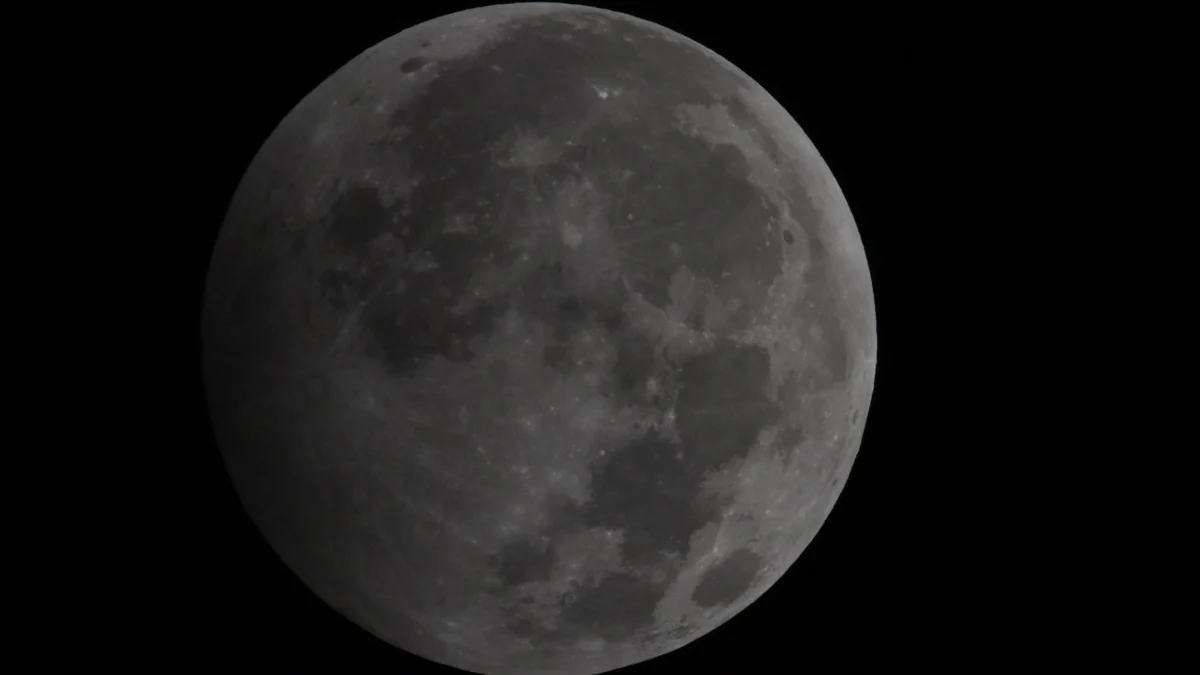
The recent "almost Blood Moon"—a partial lunar eclipse that graced our skies this past August—has left enthusiasts and casual observers alike with a lingering sense of wonder. For a brief window, the moon was bathed in a deep, atmospheric crimson as it dipped into Earth’s shadow, a celestial reminder of the intricate orbital dance between our planet and its sole natural satellite. However, as the dust settles on this recent event, the eyes of the stargazing community have naturally turned toward the horizon, asking a singular, pressing question: When will the heavens shift to reveal the next lunar spectacle?
While the astronomical calendar dictates a period of relative quiet, the next notable event is already marked on the charts. On February 20, 2027, the Earth will once again align with the sun and moon to initiate a penumbral lunar eclipse. This event, while fundamentally different in intensity from the dramatic partial eclipse witnessed in August, offers its own unique charm for those who understand the mechanics of the cosmos.
Main Facts: Understanding the Penumbral Eclipse
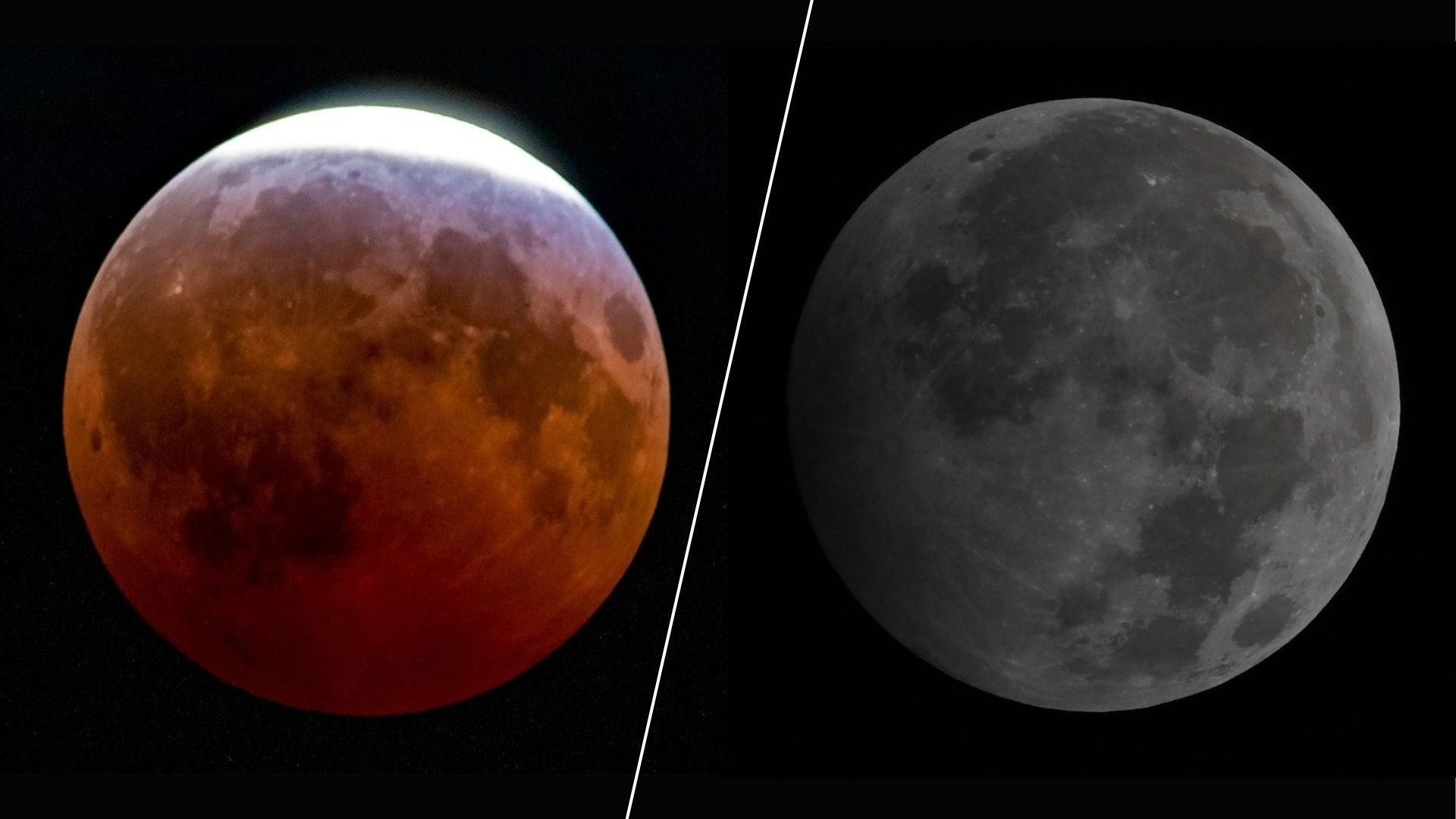
To appreciate the upcoming event in 2027, one must first distinguish between the various types of lunar eclipses. A total lunar eclipse, often dubbed a "Blood Moon," occurs when the moon passes entirely into the Earth’s umbra—the darkest, central part of our planet’s shadow. The result is a striking, deep red transformation caused by sunlight filtering through Earth’s atmosphere.
A partial lunar eclipse, like the one experienced in August, occurs when only a portion of the moon enters this dark umbral shadow, creating a visible "bite" taken out of the lunar disk.
The event scheduled for February 20, 2027, is a penumbral lunar eclipse. This occurs when the moon travels through the penumbra, the lighter, outer fringe of Earth’s shadow. Unlike the sharp, dark transition of an umbral eclipse, the penumbral version is far more subtle. To the naked eye, the moon may appear only slightly dimmed, as if a thin, transparent veil has been drawn across its surface. The effect is often so faint that casual observers might not notice it at all without careful observation.
Chronology of the 2027 Event
The February 20, 2027, penumbral eclipse is set to reach its peak at approximately 6:12 p.m. EST (2312 GMT). At this precise moment, the moon will be positioned as close as it will get to the edge of Earth’s dark umbra, focusing the slight dimming effect primarily on the lunar north polar region.
For observers in the Northern Hemisphere, this coincides with the "Snow Moon." Traditionally named by indigenous cultures for the harsh, wintry conditions that typically prevail during this month, the name provides a poetic backdrop to the astronomical event. Because the moon will be riding high in the cold, clear skies of late winter, conditions may be optimal for viewing, provided the observer is equipped with patience and an understanding of what to look for.
Following this event, the cycle of eclipses continues with varying degrees of magnitude. However, the next true "spectacle"—the kind that commands global attention—will not arrive until December 31, 2028. On this New Year’s Eve, a magnificent total lunar eclipse will unfold, casting a deep, blood-red hue over the skies of Asia, Australia, and the Pacific region.
Supporting Data: Why Geometry Matters
The predictability of these events is a testament to the precision of celestial mechanics. The lunar orbit is tilted by about 5 degrees relative to the Earth’s orbit around the sun. Consequently, the moon usually passes above or below the Earth’s shadow during its monthly journey around our planet. An eclipse can only occur when the moon, Earth, and sun align perfectly along the "nodes"—the points where the moon’s orbital plane intersects the ecliptic.
The rarity of a total eclipse, compared to the frequency of the moon’s monthly cycle, is entirely a result of these precise orbital intersections. The 2027 penumbral eclipse is a reminder that even when the alignment is not "perfect" enough to create a total eclipse, the geometry still dictates a measurable, albeit faint, physical interaction between the Earth’s shadow and the moon’s surface.
Essential Gear for the Discerning Stargazer
For those looking to observe the nuances of the 2027 penumbral eclipse, standard vision may struggle to register the subtle shift in lunar luminosity. This is where advanced optics become essential.
Recent innovations in stabilization technology have revolutionized the field of amateur astronomy. For example, the Fujinon Techno-Stabi 1640 binoculars represent the pinnacle of accessible skywatching gear. With 16x magnification, these binoculars offer a level of detail that would traditionally require a heavy, cumbersome tripod to keep steady. By utilizing sophisticated image-stabilization technology, these binoculars eliminate the natural hand-shake that plagues high-magnification viewing, allowing the user to track the subtle darkening of the lunar limb with clarity.
Investing in such equipment transforms the experience from a "missed" event to a technical study. Even when the moon is not being fully swallowed by the Earth’s shadow, high-quality optics allow observers to appreciate the lunar topography, craters, and maria that remain visible even during the dimming phases.
Implications for Astrophotographers
For the creative observer, the February 2027 eclipse presents a unique photographic challenge. Capturing a total eclipse is a matter of managing extreme contrast, but capturing a penumbral eclipse requires extreme sensitivity.
To document the event, photographers should:
- Prepare Baseline Images: Capture the moon on a night preceding the eclipse to establish a "control" photo of the full Snow Moon under normal illumination.
- Standardize Settings: Use manual camera settings—aperture, shutter speed, and ISO—to ensure that the comparison photos are scientifically valid.
- Focus on the Limbs: The penumbral shadow is often most visible as a gradient across the lunar disk. Using a telephoto lens with at least 400mm-600mm focal length is highly recommended to resolve the subtle shading.
The goal is not to capture a "dramatic" shot, but to document the scientific reality of the Earth’s presence in space. Sharing these images with the wider community, such as through platforms like Space.com, allows for a collaborative analysis of how different latitudes and atmospheric conditions affect the perception of the penumbral shadow.

Official Perspectives and Educational Outreach
Astronomical organizations and observatories view events like the 2027 penumbral eclipse as vital educational opportunities. While they lack the "wow factor" of a total eclipse, they are excellent vehicles for teaching the public about the scale of the solar system.
"The beauty of a penumbral eclipse lies in its subtlety," notes one astronomy outreach coordinator. "It forces the observer to slow down and really look at the moon, rather than waiting for a spectacular, high-contrast event. It is a lesson in patience and an exercise in understanding the shadow of our own home planet."
By shifting the focus from the rare, high-intensity events to the more frequent, subtle transitions, the scientific community encourages a more sustained interest in the night sky. This longitudinal observation is essential for maintaining a populace that is scientifically literate and connected to the rhythms of the natural world.
Looking Toward the Future
As we look past the 2027 event, the cycle of the moon continues its inevitable march. The 2028 total lunar eclipse will serve as a global gathering, with millions across the Pacific and Asia preparing their telescopes and cameras for the "Blood Moon." Between now and then, the sky remains an open laboratory.
Whether one is a veteran astronomer or a curious newcomer, the upcoming years offer a steady progression of events that reward those who take the time to look up. The "almost Blood Moon" of August was merely a chapter in a much larger, ongoing narrative of celestial motion. By equipping ourselves with the right tools, the right knowledge, and the right perspective, we can ensure that every phase of this story—no matter how faint—remains a source of inspiration and wonder.
Editor’s Note: If you capture any unique images or observations during the upcoming lunar cycles, we encourage you to share your work with our community. Please send your high-resolution photos, location details, and commentary to our dedicated submission desk at [email protected]. Your contributions help build a comprehensive record of these events for future generations of stargazers.