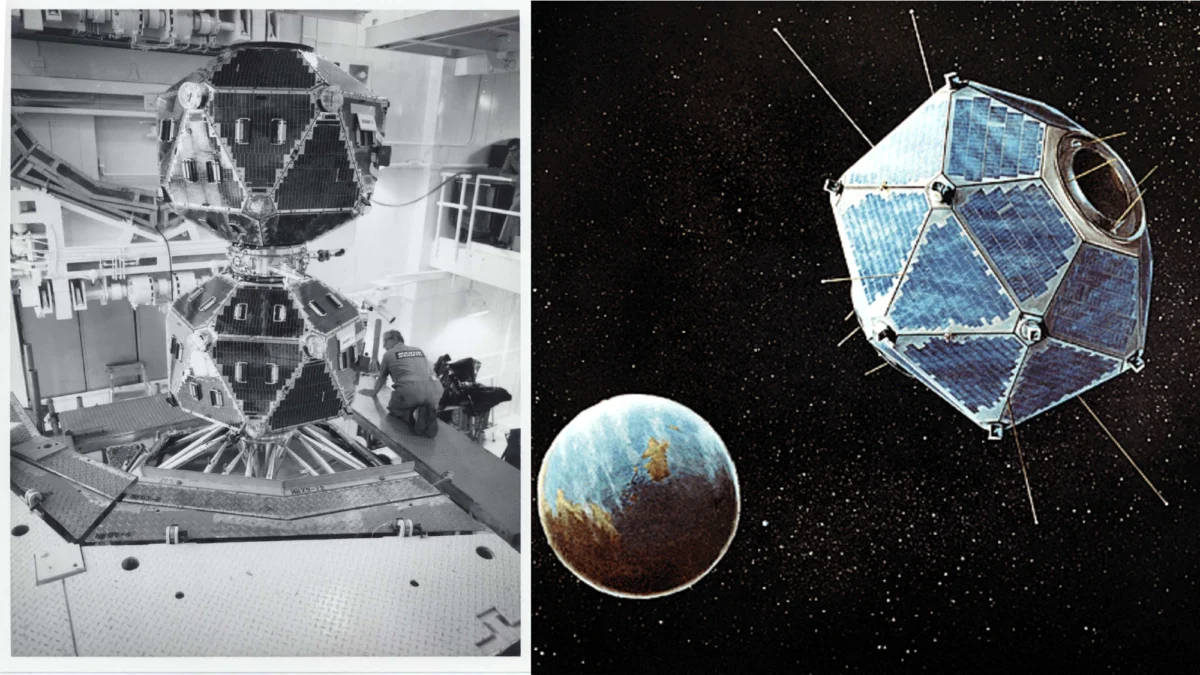
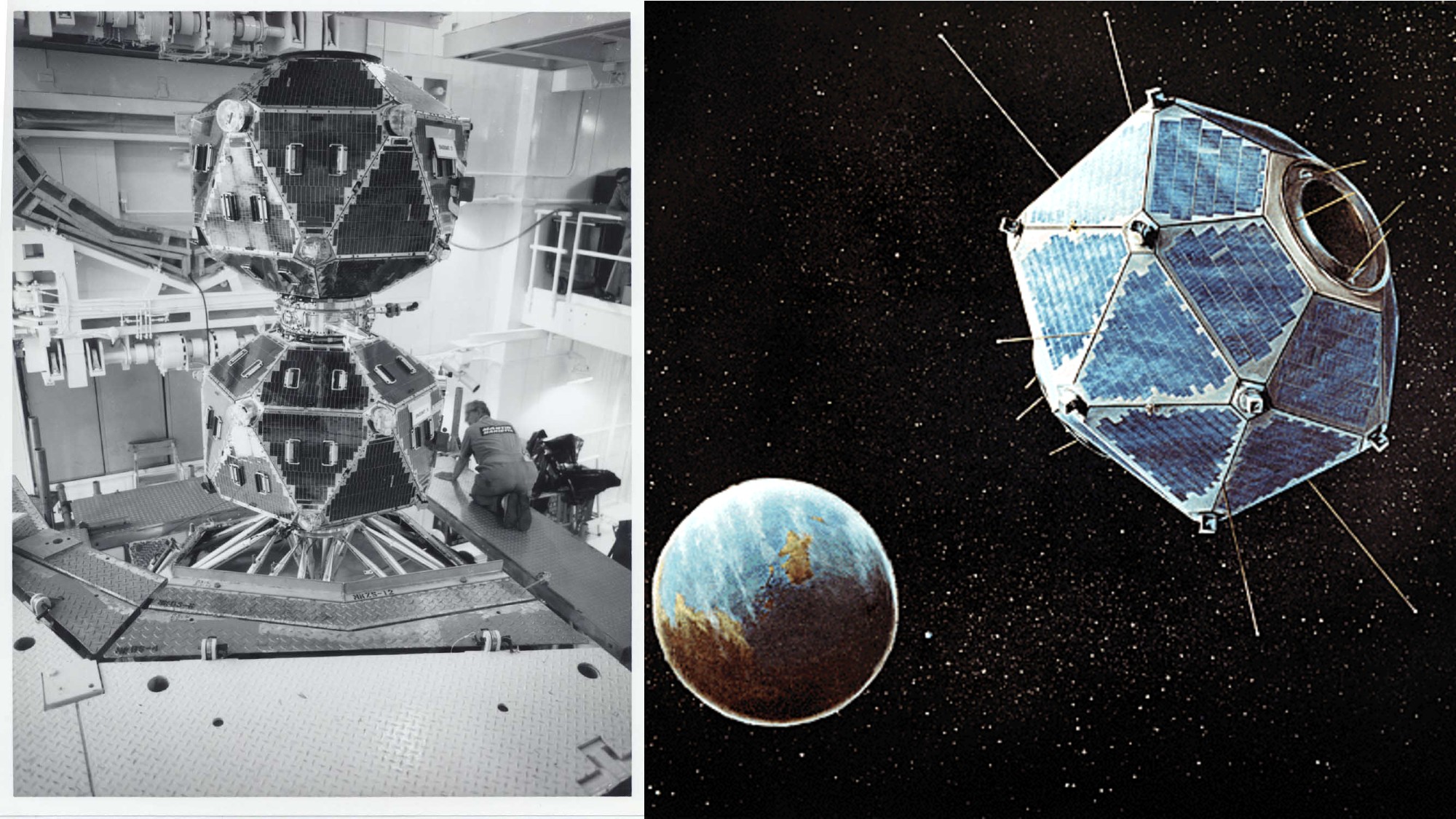
On September 22, 1979, the silent, cold expanse of the South Atlantic Ocean became the stage for one of the most enduring mysteries of the Cold War. At 2:53 a.m. local time, an aging American surveillance satellite, Vela 6911, captured an optical signature that sent shockwaves through the corridors of power in Washington, D.C. The sensor, specifically engineered to detect the telltale "double flash" of a nuclear detonation in Earth’s atmosphere, had triggered a high-priority alert.
For over four decades, this event—now known as the "Vela Incident"—has remained a focal point of intense geopolitical speculation and scientific debate. Was it a clandestine nuclear test conducted by a rogue state, or was it merely a cosmic coincidence caused by a meteoroid strike on the satellite’s lens? As declassified documents emerge and modern forensic science re-examines the data, the case for a man-made nuclear explosion has become increasingly difficult to dismiss.
The Chronology of a Cold War Mystery
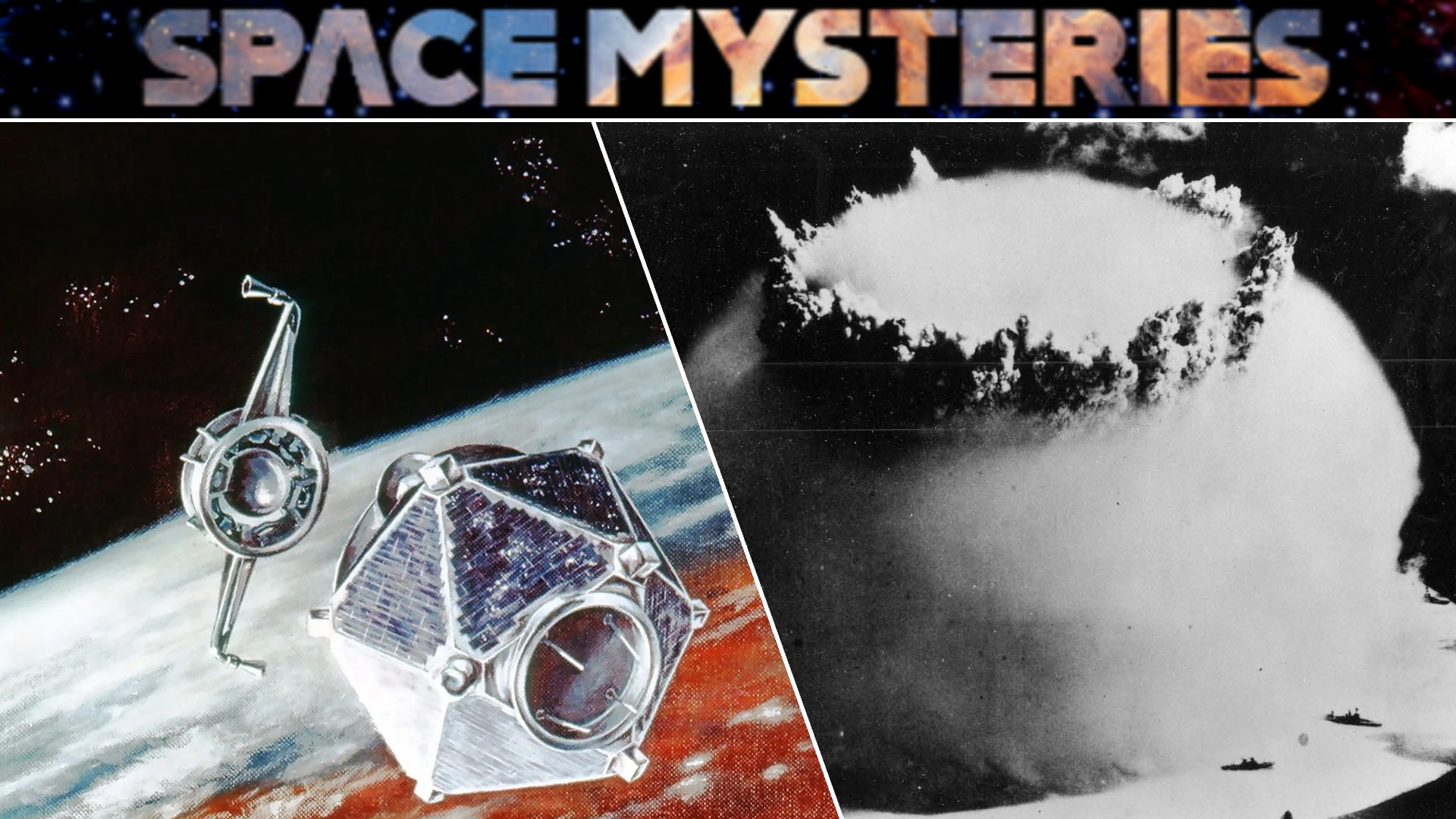
The Vela program was a child of the 1963 Partial Nuclear Test Ban Treaty, which prohibited nuclear testing in the atmosphere, underwater, and in outer space. To monitor compliance, the United States launched a series of "Vela" satellites, designed with sophisticated sensors capable of detecting the unique electromagnetic pulses and optical signatures of a nuclear blast.
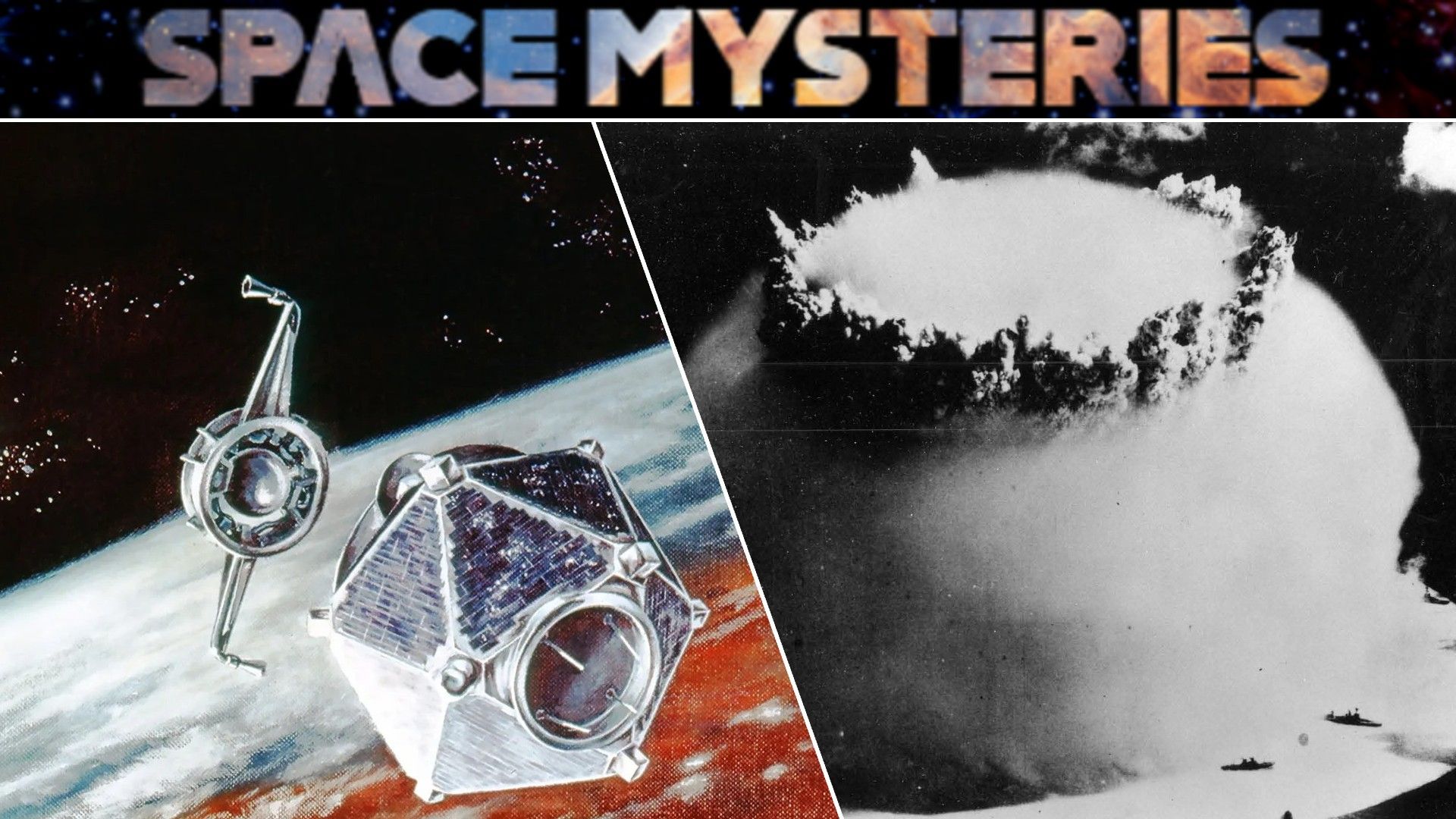
On the morning of September 22, 1979, Vela 6911 recorded the event. The data was unmistakable to those trained to recognize it: a bright initial flash caused by the fireball, followed by a second, longer-lasting pulse generated by the expansion of the atmosphere and the cooling of the plasma. It was the "signature of doom" the system was built to find.
Immediate Reaction and Internal Dissent
President Jimmy Carter was briefed almost immediately. His diary entry from that day reflects the gravity of the situation: "There was indication of a nuclear explosion in the region of South Africa." By February 1980, the President’s suspicion had hardened into a belief that Israel, potentially in collaboration with the South African apartheid government, had conducted a naval nuclear test.
However, the international and domestic political fallout was potentially catastrophic. A confirmation of a nuclear test would have triggered the Glenn Amendment, which mandated severe economic and military sanctions against any non-nuclear-weapon state conducting such a test. Faced with these diplomatic complexities, the administration convened a panel of scientists, chaired by MIT professor Jack Ruina, to verify the findings.
Scientific Skepticism: The Ruina Panel
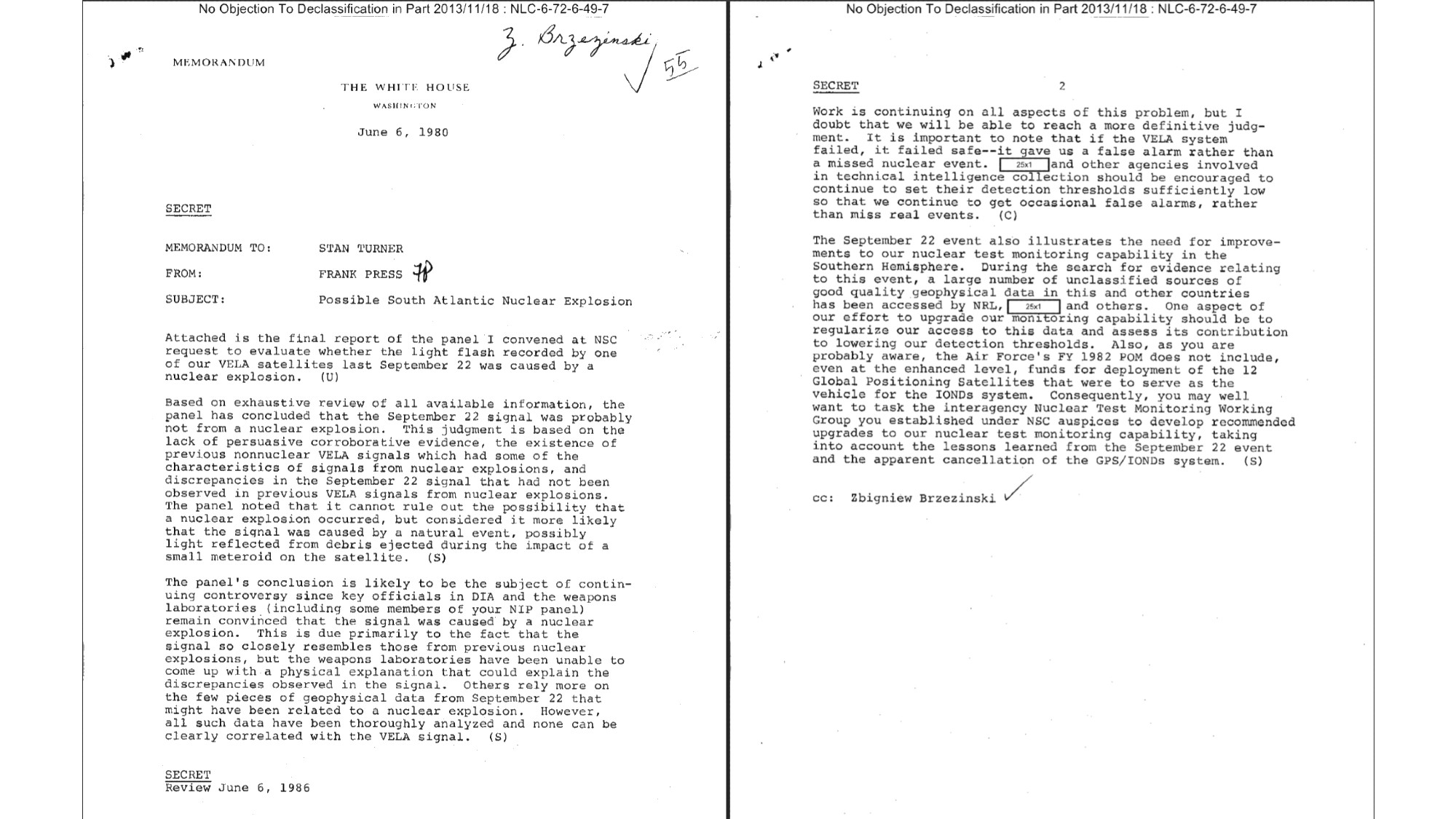
The Ruina panel, tasked with providing an objective analysis, ultimately concluded in May 1980 that the flash was likely not a nuclear explosion. Their alternative hypothesis? The satellite, which had been in operation since 1969, had likely been struck by a micrometeoroid. This impact, the panel argued, could have caused a momentary glitch in the light sensor, mimicking the double-flash pattern.
This explanation was met with immediate hostility from the intelligence community. Critics within the Defense Intelligence Agency (DIA) and the Naval Research Laboratory (NRL) viewed the report as a "whitewash"—a politically motivated attempt to avoid a diplomatic crisis. The debate split the U.S. government into two camps: the "Natural Anomaly" school, which prioritized the skepticism of the academic panel, and the "Nuclear Test" school, which relied on the raw intelligence gathered by the satellite’s secondary sensors.
Supporting Data: The Case for a Nuclear Blast
In the decades following the incident, the "meteoroid" theory began to lose traction as additional data points surfaced.
The Hydroacoustic Evidence
One of the most compelling pieces of evidence, which the Ruina panel was largely accused of ignoring, was data from a network of underwater hydrophones. These sensors, designed to detect Soviet submarines, recorded a low-frequency sound wave in the South Atlantic at the exact time of the flash. Hydroacoustic signals are a standard method for identifying nuclear tests at sea; the wave pattern detected was consistent with the pressure pulse generated by a nuclear device detonated at shallow depth.
Ozone Disturbances and Satellite Cross-Referencing
In 2022, a study analyzing data from the NASA Nimbus-7 satellite provided a new layer of verification. Researchers found that, roughly 16 minutes after the Vela detection, the Nimbus-7 atmospheric sounder detected a distinct disturbance in the ozone layer over the South Atlantic. This perturbation appeared to be the result of a blast-generated shock wave moving through the upper atmosphere. When combined with the Vela data, the probability that a natural event could produce both an optical flash and an atmospheric shock wave simultaneously became statistically negligible.
The "Double Flash" Signature
The unique double-flash signature is not a fluke; it is a physical requirement of an atmospheric nuclear explosion. The first flash is produced by the rapid heating of air around the detonation point, which then becomes opaque due to the formation of a fireball. The second flash occurs as the fireball expands and the shock wave dissipates, allowing light to escape again. The Vela 6911 sensors were calibrated to detect this precise sequence. To suggest it was a meteoroid is to suggest that a random space rock managed to perfectly replicate the complex physics of a nuclear detonation in a way that fooled the most advanced detection system of the 1970s.

Official Responses and Political Realities
The refusal of the Carter administration to confirm the explosion was driven by the delicate state of international relations. South Africa, under the apartheid regime, was increasingly isolated, and Israel’s nuclear program was the "open secret" of the Middle East. Admitting that these two nations had successfully tested a nuclear device would have necessitated a shift in U.S. policy that the administration was not prepared to handle during an election year.
Former CIA officers, including the late Tyler Drumheller, have stated on record that they possessed intelligence at the time confirming the test. "They [the sources] collectively provided incontrovertible evidence that the apartheid government had in fact tested a nuclear bomb in the South Atlantic in 1979," Drumheller noted in 2006. The persistent redactions in declassified documents regarding the incident suggest that even today, the U.S. government remains cautious about fully acknowledging the event.
Implications for Modern Nuclear Non-Proliferation
The Vela Incident serves as a cautionary tale in the history of nuclear non-proliferation. If the 1979 event was indeed a nuclear test, it represents one of the most successful instances of a state—or two states—evading international detection and sanctions.
A Test of Monitoring Capabilities
The incident spurred a massive overhaul of how the United States monitors nuclear activities. It moved away from relying solely on optical sensors in space to a more integrated, multi-modal approach that includes seismic, hydroacoustic, and atmospheric radionuclide monitoring. Today’s International Monitoring System (IMS), operated by the Comprehensive Nuclear-Test-Ban Treaty Organization (CTBTO), was built with the lessons of the Vela Incident in mind.
The Enduring Shadow of the South Atlantic
The fact that the scientific community remains divided—with members of the original 1980 panel still standing by their "anomaly" conclusion—highlights the difficulty of establishing "truth" when sensitive intelligence data clashes with scientific modeling. However, for many independent researchers, the case is closed.
The convergence of hydroacoustic signals, atmospheric shock wave data from Nimbus-7, and the consistent optical signature detected by Vela 6911 paints a picture that is fundamentally inconsistent with a meteoroid strike. As more records are declassified and the geopolitical context of 1979 fades further into history, the "South Atlantic Flash" is increasingly viewed not as a scientific mystery, but as a political secret that simply refused to stay buried.
Conclusion: The Verdict of History
While we may never see a formal admission from the governments involved, the weight of the evidence has tipped decidedly toward a nuclear test. Whether it was a joint Israeli-South African venture or an isolated test by the Pretoria government, the Vela Incident stands as a reminder of the limitations of diplomacy when faced with hard, uncomfortable truths.
The South Atlantic sky, once silent and dark, revealed a secret that night—a secret that, despite decades of obfuscation and official denial, continues to resonate through the annals of nuclear history. The "ghost" of the Vela incident is no longer a mystery; it is a testament to the fact that, in the nuclear age, you cannot hide the fire forever.