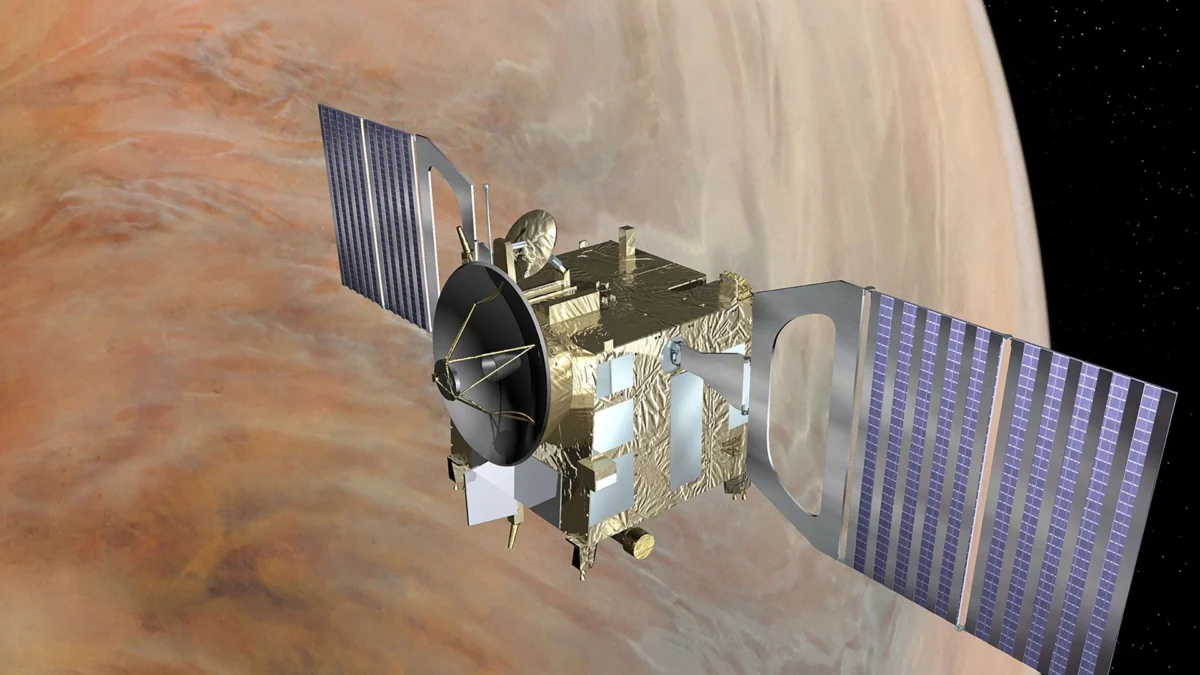
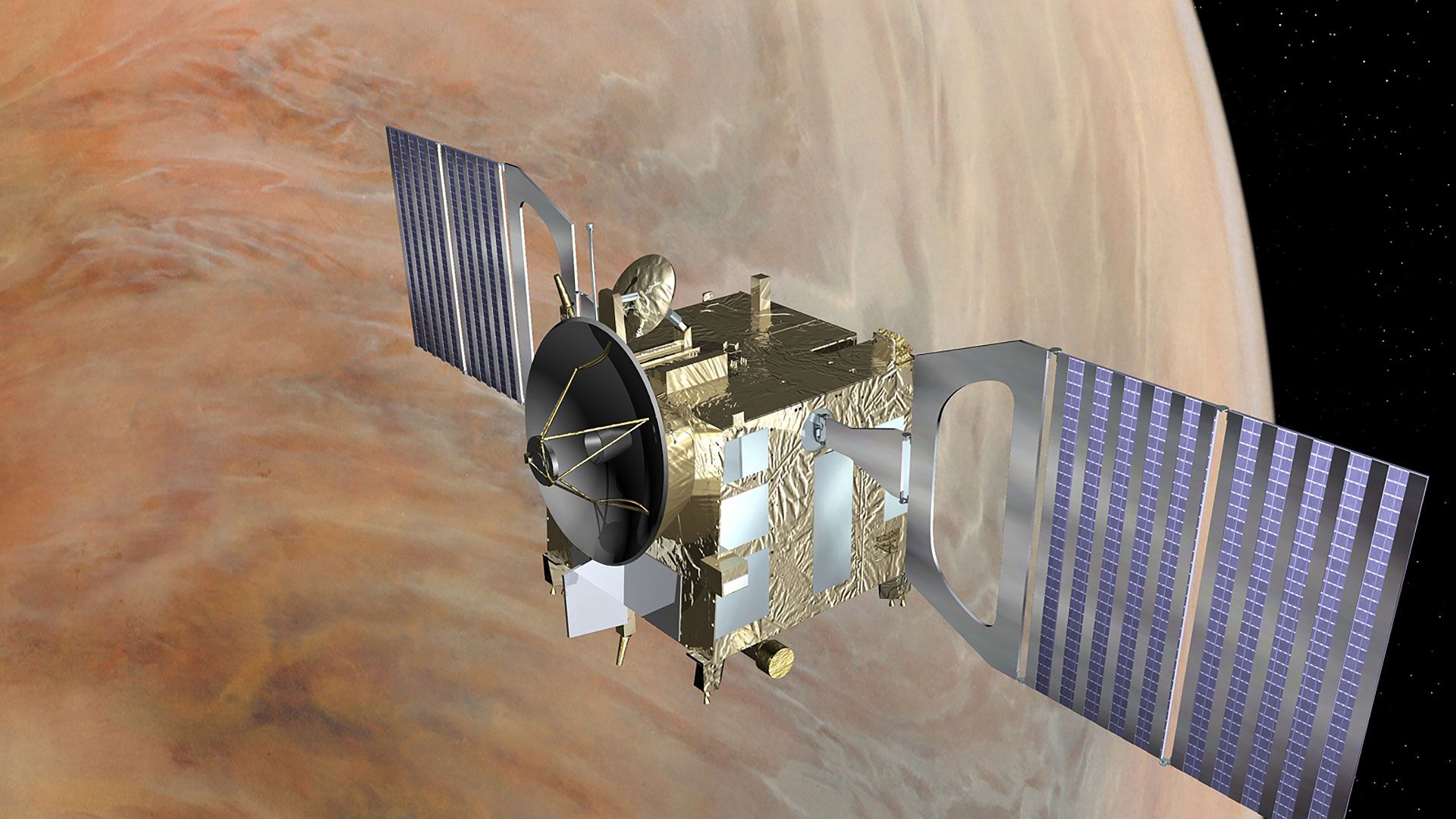
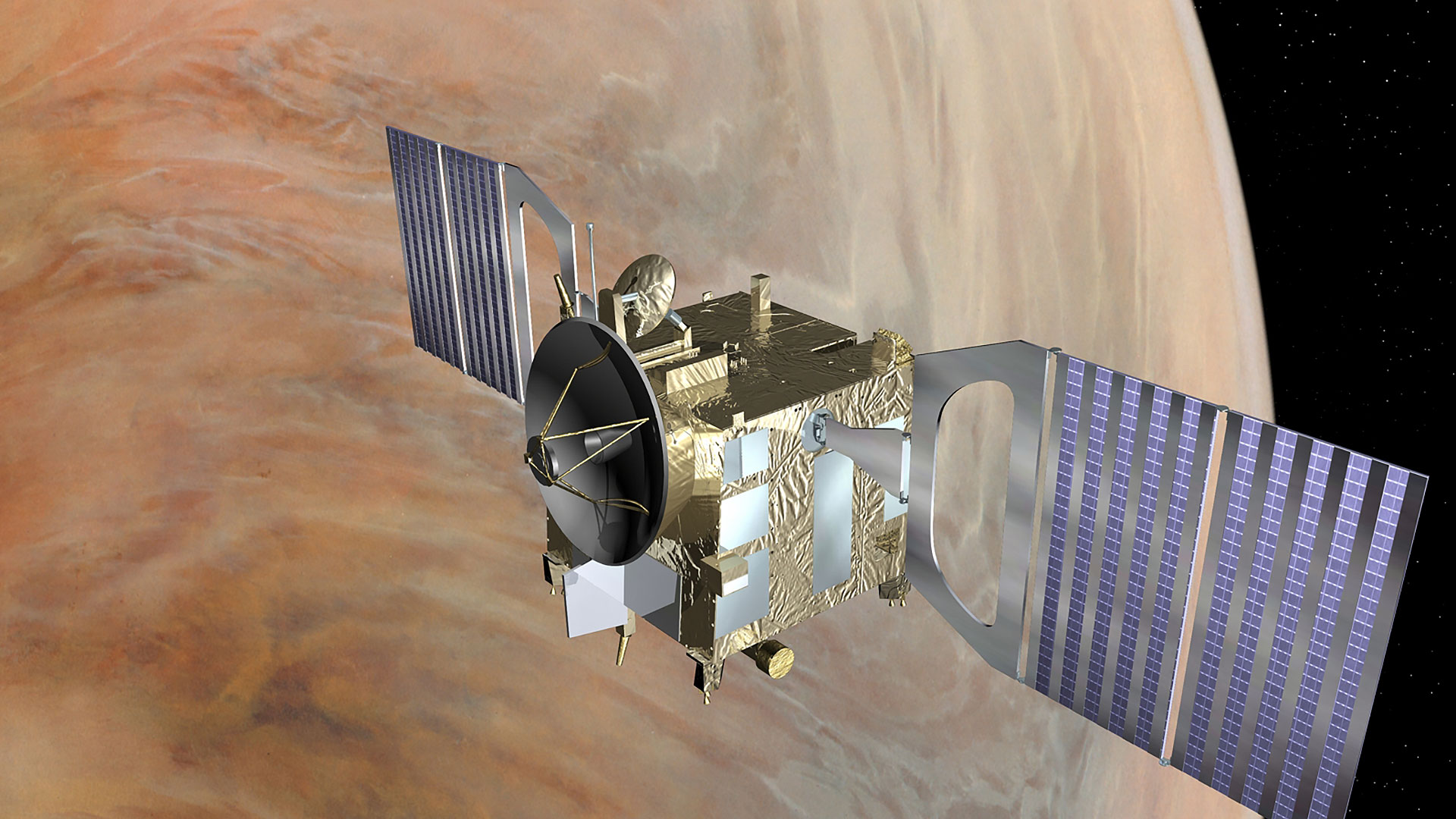
On November 8, 2005, the European Space Agency (ESA) achieved a milestone in deep-space exploration. As a Russian Soyuz-Fregat rocket pierced the crisp autumn air at the Baikonur Cosmodrome in Kazakhstan, it carried the Venus Express spacecraft, Europe’s maiden voyage to Earth’s "evil twin." This mission would not only mark the beginning of a new era of planetary science for the continent but would also fundamentally reshape our understanding of the solar system’s most mysterious and inhospitable world.
For more than nine years, Venus Express endured the brutal, sulfuric environment of the second planet from the sun, providing an unprecedented look at a world that serves as both a climate laboratory and a haunting cautionary tale for our own home planet.
The Crucible of Venus: A Hostile Environment
Venus is a world of extremes. Often referred to as Earth’s twin due to its similar size and density, it is, in practice, a hellish hothouse. The planet’s thick, carbon-dioxide-rich atmosphere creates a runaway greenhouse effect, driving surface temperatures to roughly 900 degrees Fahrenheit (475 degrees Celsius)—hot enough to melt lead. Furthermore, the atmospheric pressure at the surface is 90 times that of Earth, equivalent to being nearly a mile underwater.
For Venus Express, operating in such a vicinity was a feat of engineering endurance. Even from its elliptical polar orbit, the spacecraft had to contend with intense solar radiation and the corrosive nature of the planet’s clouds, which are composed largely of sulfuric acid. Despite these threats, the mission far exceeded its original design specifications, serving as a testament to the robustness of European aerospace engineering.
A Chronology of Discovery
The journey of Venus Express was a long and productive one. After its 2005 launch, the probe successfully entered orbit around Venus in April 2006.
Initial Years and Scientific Breakthroughs
During its primary mission phase, the spacecraft utilized a suite of sophisticated instruments to peer through the thick, opaque cloud cover that hides the surface from optical telescopes. Among its most notable discoveries was the identification of a massive, double-eyed vortex swirling around the planet’s south pole—a complex atmospheric structure that challenged existing models of planetary meteorology.
Furthermore, Venus Express provided some of the most compelling evidence to date for active volcanism on the planet. By mapping infrared emissions from the surface, the craft detected transient hot spots that suggested lava flows might still be reshaping the Venusian landscape today. The probe also revealed that Venus generates its own localized auroras. Unlike Earth’s auroras, which are tied to a global magnetic field, Venusian auroras are formed by the interaction of solar wind particles with the planet’s ionosphere, a discovery that highlighted the unique electromagnetic dynamics of a world lacking a protective planetary dynamo.
The Daring Finale: Aerobraking
As the mission reached its twilight, mission controllers at the European Space Operations Centre (ESOC) in Darmstadt, Germany, made a bold decision. In an effort to maximize the scientific return, they initiated an "aerobraking" campaign in 2014. They commanded the craft to dip into the upper reaches of the Venusian atmosphere, using the friction of the gas to lower its orbit.
Though Venus Express was never designed to navigate the thin, high-altitude gases of a planetary atmosphere, it performed the maneuver with remarkable precision. This daring act allowed scientists to sample the planet’s density and temperature profiles at altitudes previously inaccessible. However, all good things must come to an end; by late 2014, the spacecraft’s fuel reserves were depleted. In January 2015, the silent, weary explorer finally succumbed to the gravitational pull and atmospheric drag, burning up in the thick clouds it had studied for nearly a decade.
Why It Mattered: Global Context and Legacy
The success of Venus Express cemented the European Space Agency’s reputation as a world-class space power. By the time it reached orbit, only the United States and the Soviet Union had successfully placed probes around Venus. The mission effectively placed ESA in the top tier of planetary exploration, setting the stage for later successes and paving the way for Japan’s Akatsuki mission, which arrived at the planet five years later.

A Mirror for Earth
The scientific value of the mission extends far beyond the data gathered during its orbit. According to insights curated by The Planetary Society, studying Venus is essential for understanding the evolutionary divergence of terrestrial planets.
"By studying Venus, we can learn how Earth-like planets evolve and what shapes planets throughout the galaxy into temperate, lush worlds instead of sweltering hothouses," the Society noted in its analysis of the mission. There is significant evidence to suggest that Venus may have once hosted vast, habitable oceans similar to those on Earth. The transition from a water-rich world to a toxic, high-pressure furnace is the ultimate "cautionary tale" for climate scientists modeling the potential future of Earth’s own atmosphere.
Implications for Future Exploration
The legacy of Venus Express lives on in the current generation of planetary science. By providing a comprehensive map of the planet’s atmosphere and surface features, it removed the "blank spots" from our maps, allowing subsequent mission planners to target specific regions of interest.
ESA’s interest in Venus did not end with the demise of the Express. In 2018, the agency’s BepiColombo mission—a joint effort with the Japan Aerospace Exploration Agency (JAXA) destined for Mercury—utilized a gravity-assist flyby of Venus. This maneuver served as a reminder that Venus remains a critical "stepping stone" for interplanetary travel.
Furthermore, the data returned by Venus Express has become the bedrock for modern planetary climate modeling. Scientists now use this data to refine computer simulations that explain how greenhouse gases interact with planetary crusts and how long-term solar interaction can strip a planet of its ability to support life. As researchers turn their attention to exoplanets orbiting distant stars, the "Venus model" serves as a vital template for determining which worlds might be habitable and which are doomed to the same fate as our neighbor.
Conclusion: A Scientific Sentinel
Venus Express was more than a satellite; it was a tireless sentinel that stood watch over a chaotic world. It proved that even with limited resources and aging technology, human ingenuity can unlock the secrets of the most hostile environments in our solar system.
As we look toward future missions—such as NASA’s VERITAS and DAVINCI+ or ESA’s EnVision—we do so on the shoulders of the data gathered by the Venus Express team. The mission taught us that Venus is not a static, dead rock, but a dynamic, evolving laboratory. By observing the "evil twin," we have gained a clearer perspective on the fragility of our own environment and the precious, delicate balance that keeps Earth a vibrant, blue oasis in the dark expanse of space.
The story of the Venus Express is, ultimately, the story of humanity’s curiosity—a drive to peer into the storm, to push beyond the limits of design, and to search for truth in the most unforgiving places in the cosmos. Even in its final descent into the clouds, the spacecraft provided one last gift: a deeper understanding of the planet that holds the keys to our own future.