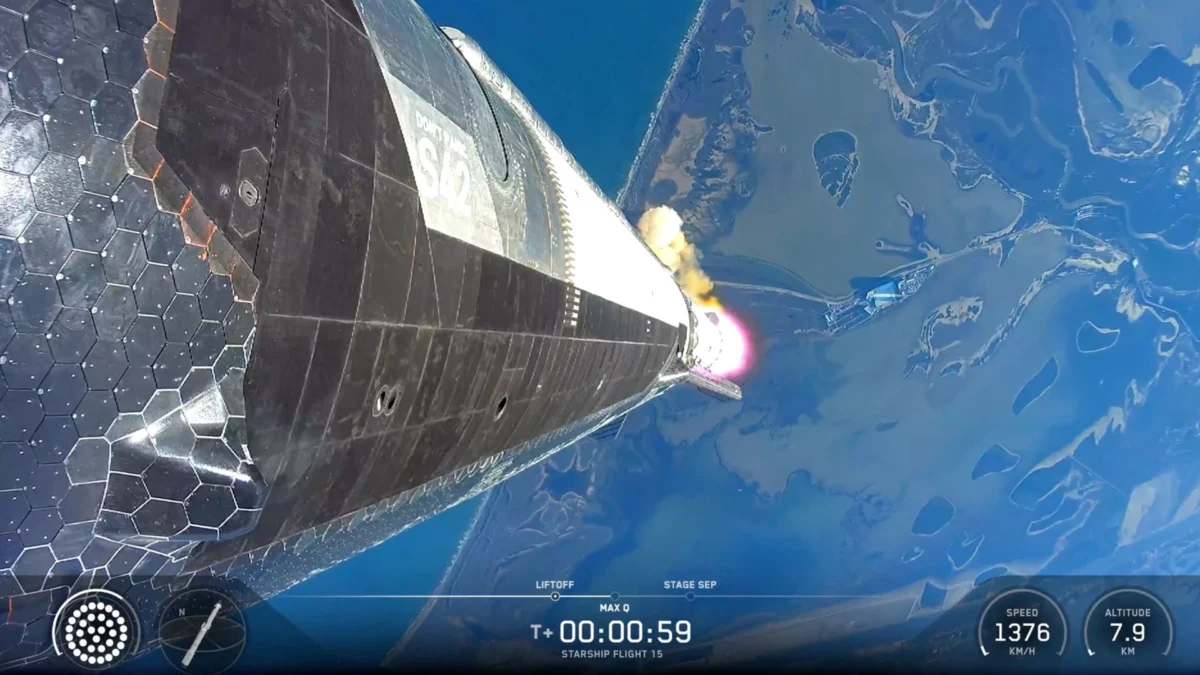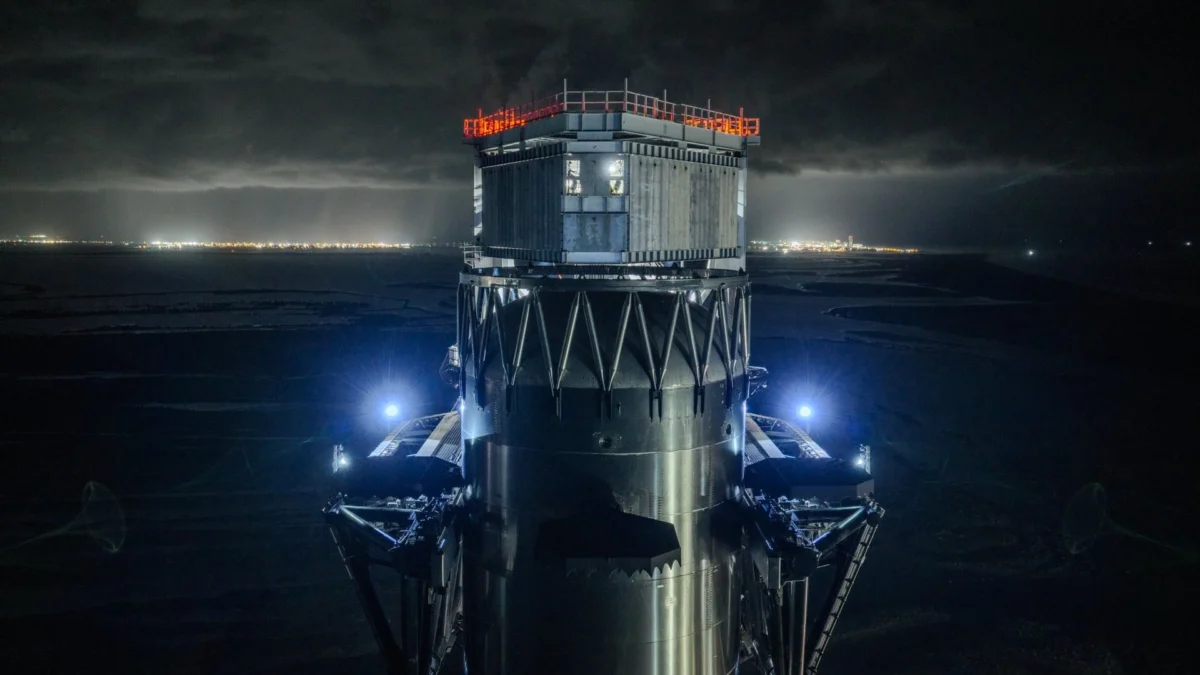
SpaceX is inching closer to a pivotal moment in the history of aerospace engineering. As the company prepares for the 15th test flight of its Starship megarocket, scheduled to lift off from the Starbase facility in South Texas this Friday, November 13, the stakes have never been higher. With the successful integration of the Super Heavy Booster 22 onto the launch mount, SpaceX is signaling its readiness for a mission that aims to redefine the logistics of orbital transport: a simultaneous "double-catch" of both the booster and the upper-stage ship.
Main Facts: The Anatomy of the Mission
The upcoming mission, designated Flight 15, is not merely another routine test of the world’s most powerful rocket. It represents the next logical, albeit incredibly daring, evolution of SpaceX’s rapid-reusability philosophy.
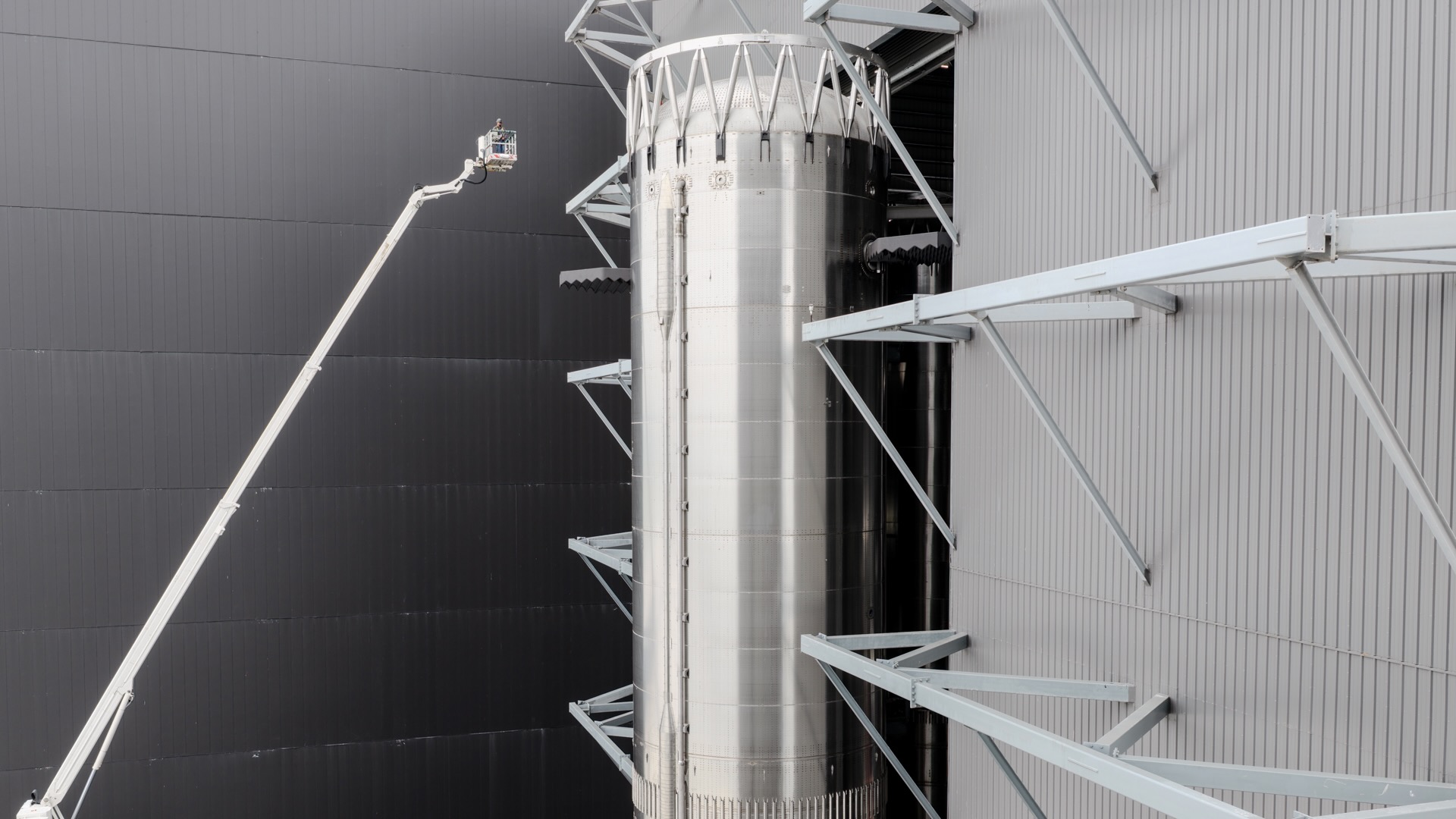
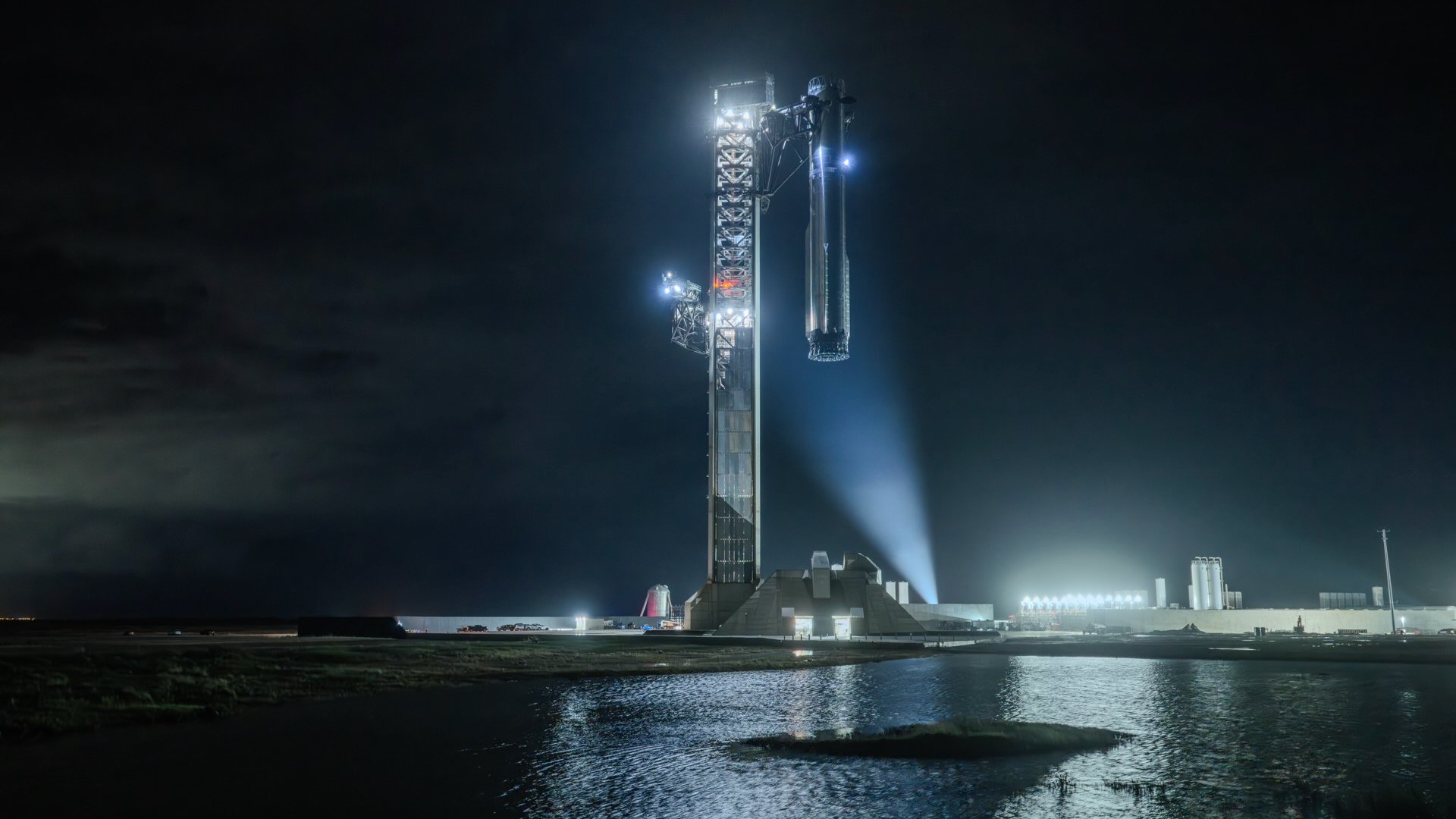
On November 10, SpaceX confirmed the completion of critical pre-flight procedures, including the rollout of Super Heavy Booster 22 to the launch pad. Upon arrival, the booster underwent a series of high-fidelity "squeeze tests," during which the launch tower’s iconic mechanical "chopstick" arms were engaged to secure the vehicle at the exact height required for a mid-air capture.
The flight window opens at 5:45 p.m. EST (2245 GMT) on November 13, spanning 75 minutes. The mission profile involves the Super Heavy booster returning to the launch site approximately 6.5 minutes after ignition. The Starship upper stage, meanwhile, is slated to embark on a more complex journey. After deploying 26 Starlink V3 satellites into Low Earth Orbit (LEO) and completing 14 orbits of the planet, the ship will attempt its own high-stakes recovery—a maneuver that has never before been attempted in the history of spaceflight.
Chronology of the Starship Program
To understand the magnitude of the upcoming flight, one must look back at the rapid iterative development cycle that has defined the Starship program.
- Early Development: The initial tests focused on basic flight controls, engine ignition sequences, and atmospheric reentry survivability.
- The Milestone of Flight 5: This was the first true turning point for the "chopstick" recovery method. SpaceX demonstrated the ability to catch the massive Super Heavy booster, proving that a mechanical tower could safely intercept a descending multi-ton vehicle.
- The Orbital Success of Flight 14: Launched on September 28, Flight 14 marked the first time the Starship system successfully reached orbital velocity, providing the necessary telemetry and data to move forward with more aggressive maneuvers.
- The Current Phase (Flight 15): The focus has shifted from mere "survival" to "operational precision." By attempting a dual-recovery, SpaceX is transitioning from a developmental phase into a demonstration of the logistical infrastructure required for a fully reusable, high-cadence launch system.
Supporting Data: Engineering the Future of Reusability
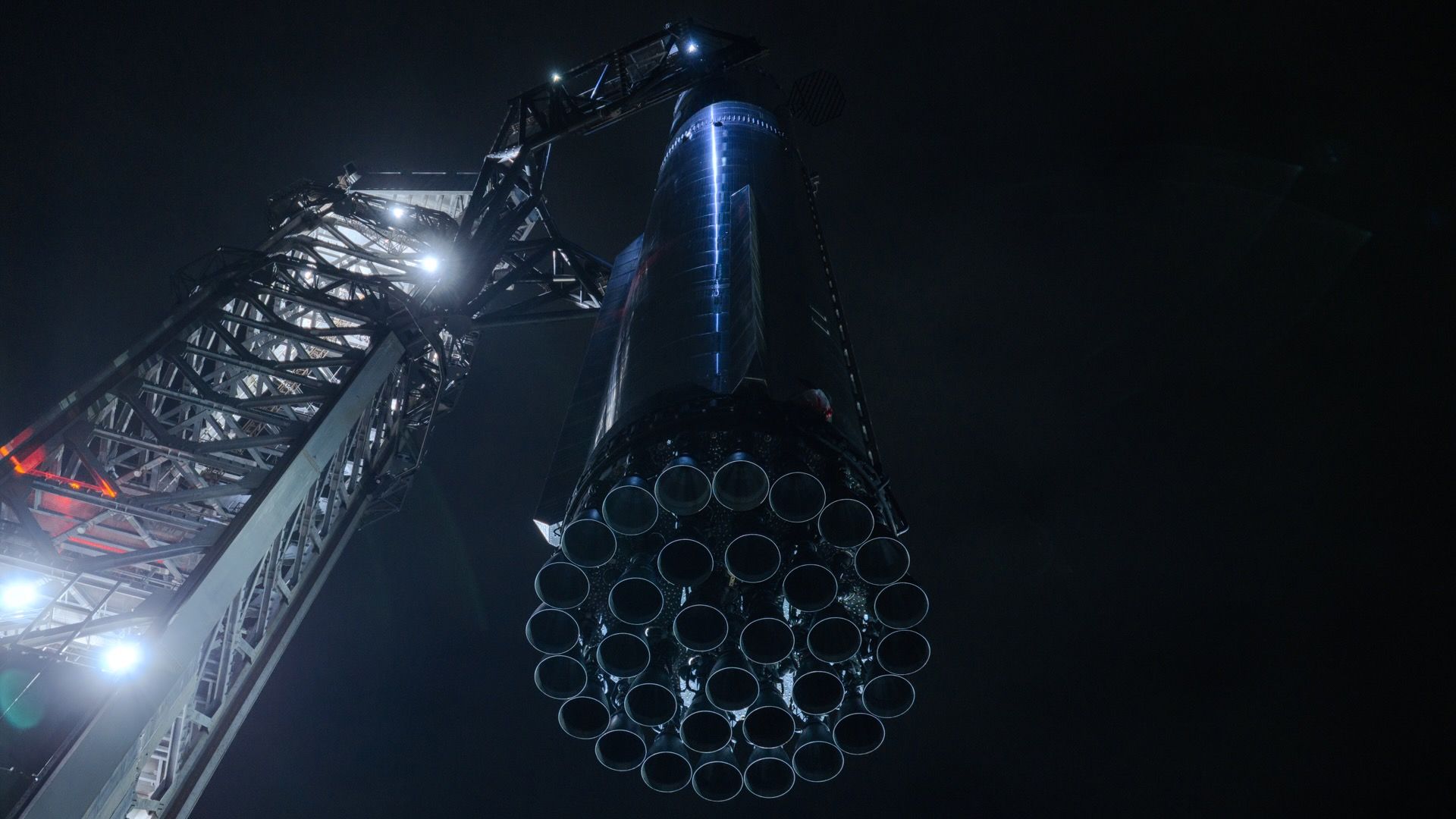
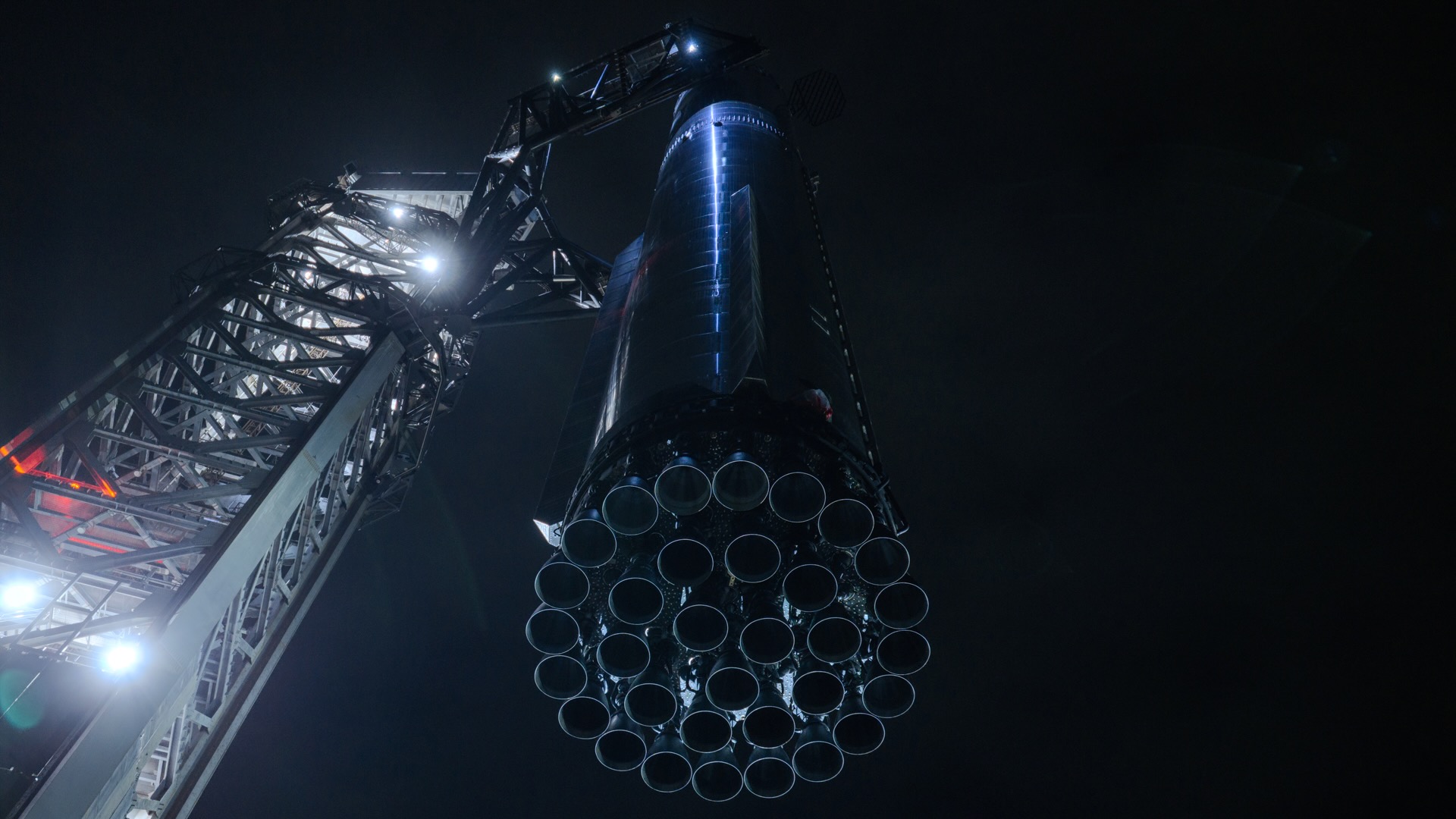
The sheer scale of the Starship architecture is a testament to the engineering audacity of the SpaceX team. The Super Heavy booster is powered by 33 Raptor engines, a complex propulsion suite that requires immense precision to throttle and control during landing maneuvers.
The Physics of the Catch
The "chopstick" recovery system operates on a razor-thin margin. As the booster descends, it must execute a "boost-back" burn, followed by an entry burn, and finally a landing burn that brings it to a near-hover precisely between the tower arms. The arms then close in a "squeeze" maneuver that locks the booster in place.
The challenge with the Ship, however, is significantly greater. The Ship is designed to operate in the vacuum of space and endure the extreme thermal stresses of atmospheric reentry. Unlike the booster, which performs a relatively short-duration flight, the Ship will have been exposed to the harsh environment of space for nearly 24 hours by the time it attempts its landing. Managing the thermal protection system (TPS) while ensuring the vehicle remains maneuverable enough for a precision catch is an engineering hurdle that has kept the industry watching closely.
The "Starmind" and Scalability
SpaceX’s long-term goal is not just to reach orbit, but to normalize it. Elon Musk has repeatedly stated the company’s intention to reach a cadence of 10,000 flights per year by 2030. This objective is driven by the need to deploy the Starlink V3 constellation and the burgeoning "Starmind" AI data-center network. Without a "full-catch" recovery system, such a high launch rate is economically and operationally impossible.
Official Responses and Strategic Intent
SpaceX’s communication style remains characteristically lean, focusing on mission-critical updates. In their official X (formerly Twitter) statement on November 10, the company emphasized that the pre-flight testing at the pad was essential for verifying the structural integrity of the catch mechanism.
"Booster 22 was used for final catch testing upon arrival, including a suspended squeeze test at catch height," the company stated. This transparent approach to sharing photos and test results serves two purposes: it maintains public engagement and provides a clear narrative of iterative progress. By treating every flight as a "test" rather than a definitive mission, SpaceX lowers the psychological barrier to failure, allowing their engineers to push the envelope of what is physically possible with liquid-fueled, orbital-class hardware.
Implications: A New Era of Space Logistics
If the double-catch succeeds, the implications for the global space economy will be profound.
The End of Expendable Rocketry
For decades, the standard for rocket recovery has been the vertical landing of individual stages on droneships or land pads. If a launch provider can successfully catch the entire stack at the launch site, the time required to "turn around" a vehicle for its next mission is reduced from weeks or months to potentially days. This is the "Holy Grail" of spaceflight.
Economic and Scientific Impact
The ability to launch thousands of satellites per year, or to ferry massive amounts of cargo to the Moon or Mars, depends entirely on the cost per kilogram to orbit. Rapid, full reusability is the only mechanism that brings these costs down to a level where the average corporation or research institution can contemplate large-scale off-world operations.
Geopolitical Dominance
The success of Flight 15 will further cement SpaceX’s status as the world’s preeminent launch provider. As other nations and private firms race to develop their own heavy-lift capabilities, SpaceX’s ability to "catch" its future is not just a technological flex—it is a strategic advantage that gives them an unassailable lead in the new space race.
Looking Ahead: The Road to Friday
As the countdown to Friday begins, the mood at Starbase is one of focused intensity. The team has moved the hardware, conducted the squeeze tests, and verified the systems. What remains is the execution of a flight profile that, even a decade ago, would have been considered science fiction.
Whether or not the double-catch is fully successful on this first attempt, the attempt itself is a milestone. It marks the moment when the industry stopped asking "can we fly to orbit?" and began asking "how quickly can we fly again?"
For those wishing to witness this historic attempt, live coverage will be available via Space.com, with continuous updates provided throughout the launch window. As we look toward the skies over South Texas this Friday, we are not just watching a rocket launch; we are watching the potential birth of a truly multi-planetary infrastructure. The "chopstick" arms are waiting, the engines are prepped, and the world is watching to see if SpaceX can once again pull the impossible into the realm of the ordinary.