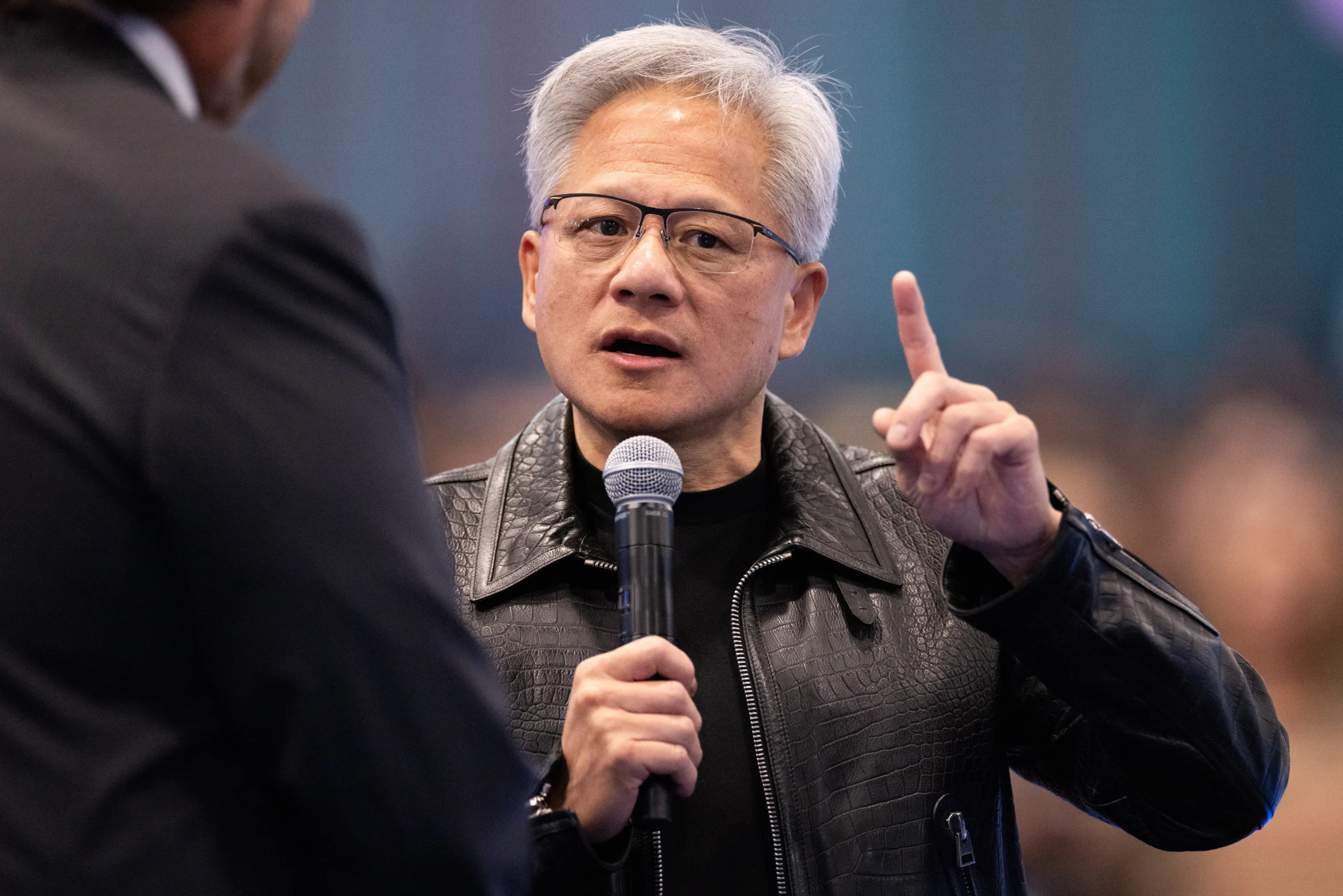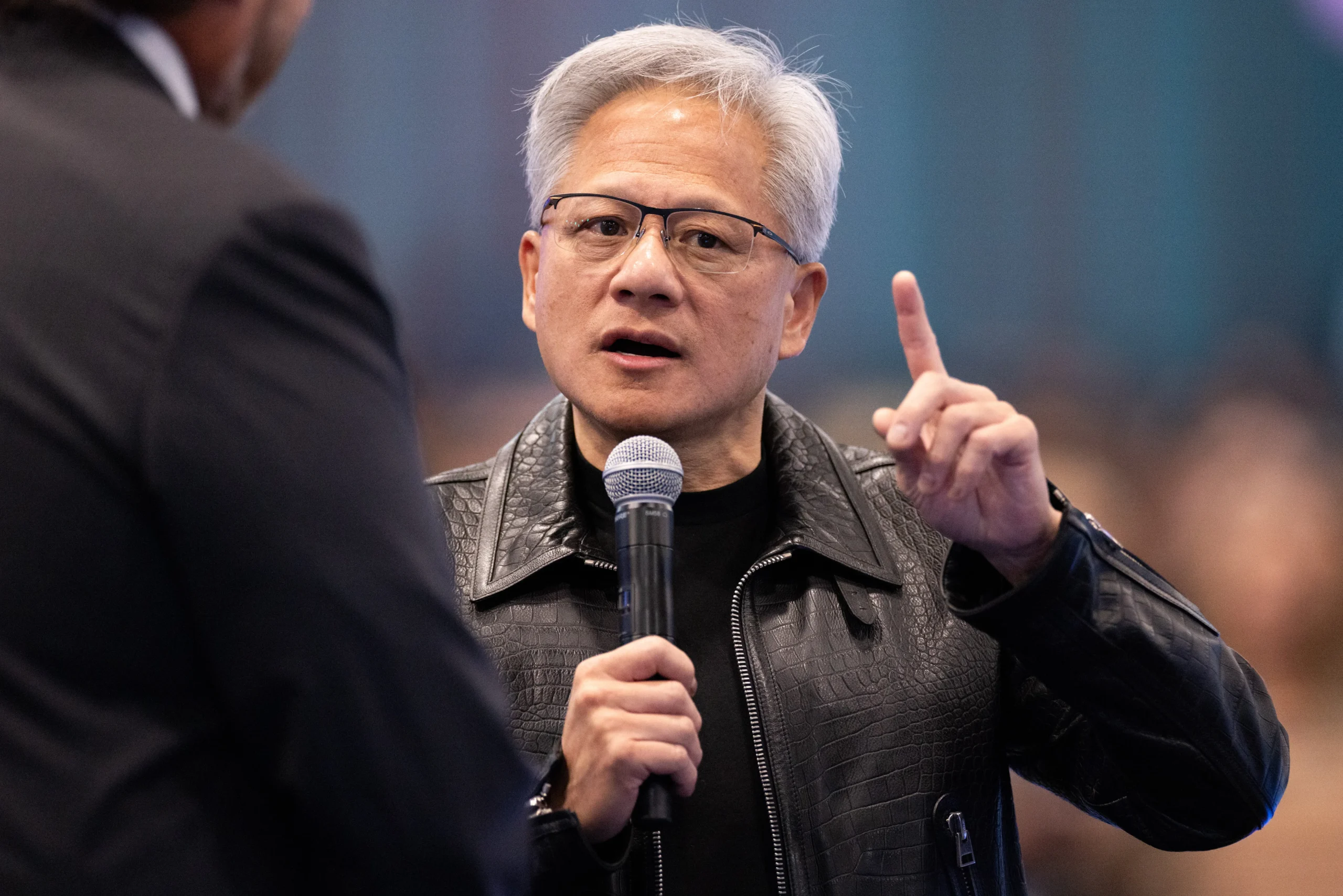
The global technology sector is reeling following the revelation that Nvidia CEO Jensen Huang has admitted to an extramarital affair with an executive suspected of being a Chinese intelligence operative. The scandal, which has triggered a formal internal investigation at the chip giant, has sent shockwaves through the semiconductor industry and ignited a firestorm regarding national security, corporate governance, and the precarious nature of the global AI chip supply chain.
While the admission surfaced in early November 2026, the embers of this fire were fanned months ago. As it turns out, the red flags were visible in plain sight, buried within a contentious short-selling report published by Culper Research in May 2026. The report, which initially drew skepticism due to the firm’s financial stake in Nvidia’s decline, is now being scrutinized as a prescient, if overlooked, warning.
A Chronology of Concealment and Exposure
The timeline of the current crisis suggests a collision between personal indiscretion and geopolitical maneuvering.
May 2026: The Warning Shot
On May 13, 2026, Culper Research published a scathing report titled "The China Problem." The document alleged that Nvidia’s reliance on the Chinese market—despite stringent U.S. export controls—was being facilitated through complex, illicit channels in Southeast Asia. Central to their thesis was a mysterious Singaporean entity known as Megaspeed, which had transformed from a minor player into a massive buyer of Nvidia’s flagship H100 and H200 chips. Most notably, Culper highlighted the "uncomfortably close" relationship between Jensen Huang and Alice Huang, a senior executive at Megaspeed.
June – October 2026: The "Special Relationship"
Throughout the summer and early autumn, industry whispers regarding the CEO’s social life intensified. Witnesses reported seeing Huang and the Megaspeed executive in high-profile social settings, often far from the gaze of standard corporate security. Internal grumblings among Nvidia staff—cited in the Culper report—began to circulate, with employees questioning why the CEO was maintaining such an overt personal connection with a key client executive, particularly one operating in a jurisdiction known for hosting intelligence intermediaries.
November 2026: The Collapse
The dam broke on the weekend of November 8, 2026. Facing mounting pressure from internal auditors and external security inquiries, Jensen Huang formally admitted to the affair. Nvidia’s board of directors promptly announced an independent investigation into the relationship, while U.S. intelligence agencies signaled that they had been tracking Alice Huang for months, suspecting her of being a "honey-trap" operative tasked with gathering intelligence on U.S. chip export strategy and influencing Nvidia’s lobbying efforts in Washington.
The Megaspeed Connection: Financial Anomalies
The core of the scandal lies in the suspicious growth of Megaspeed. According to financial data unearthed by Culper Research, Megaspeed’s balance sheet underwent an inexplicable explosion. At the end of 2023, the firm reported total liabilities and equity of roughly $33 million. By the end of 2024, that figure had ballooned to an astounding $3 billion.
Culper noted that this surge was largely driven by "refundable deposits" from an unidentified source. The Financial Times later corroborated this, reporting that internal documents revealed Alibaba, the Chinese e-commerce and cloud computing titan, had funneled significant capital into Megaspeed through a web of shell subsidiaries.
The implication is clear: Megaspeed was not a traditional client, but rather a sophisticated vehicle for circumventing U.S. export restrictions. By routing chips through this Singaporean front, Chinese entities were able to secure the high-end hardware necessary to train their domestic large language models, effectively rendering U.S. trade policy toothless.
Official Responses and Corporate Accountability
Nvidia has been forced into a defensive posture, issuing statements that emphasize the company’s commitment to internal policy compliance and national security. The board of directors is under immense pressure from shareholders to determine whether proprietary trade secrets or sensitive geopolitical data were shared during the course of the illicit relationship.
"Nvidia maintains strict protocols regarding conflicts of interest and interactions with entities in restricted regions," a company spokesperson stated. "We are cooperating fully with relevant authorities and have engaged external counsel to lead a thorough, independent investigation into the matters raised."
However, critics argue that the "tone at the top" was compromised long ago. The fact that the CEO was socializing openly with a suspected foreign operative has led to calls for a wholesale restructuring of Nvidia’s governance board. Institutional investors, many of whom were heavily leveraged in Nvidia’s stock, are now grappling with the reality of "key-person risk"—a term that has moved from the theoretical to the catastrophic in a matter of days.
Geopolitical Implications: The AI Arms Race
The fallout of this scandal extends far beyond the boardroom of a Santa Clara-based chipmaker. The intelligence community is concerned that the relationship provided the Chinese government with a direct line into the decision-making process of the man who arguably controls the "picks and shovels" of the AI revolution.
1. The Export Control Failure
The U.S. Department of Commerce has spent years fine-tuning export controls to deny China the ability to mass-produce advanced AI systems. If Alice Huang was indeed an agent of the Chinese state, she would have had unique leverage to lobby Jensen Huang on the scope of those controls, potentially influencing Nvidia’s public stance to be more "China-friendly" in exchange for personal access.
2. Intellectual Property Exposure
Beyond lobbying, there is the risk of intelligence leakage. Nvidia’s roadmaps for next-generation architecture (such as the Blackwell series and beyond) are some of the most guarded secrets in the world. If there was any transfer of information—deliberate or coerced—the competitive landscape of the global AI race could be permanently altered.
3. The Trust Deficit
Perhaps the most damaging long-term impact is the erosion of trust between Nvidia and its primary stakeholders, including the U.S. government. Moving forward, the company will likely face a much more rigorous oversight regime. Future export licenses may be delayed, and internal compliance audits will likely become a permanent, intrusive fixture of the company’s daily operations.
The Short Seller’s Vindication
Culper Research, often dismissed as a predator by corporate management, finds itself in the unlikely position of being a whistleblower for national security. While their primary goal was financial gain—betting that the market would punish Nvidia for its exposure to China—their methodology has proven to be devastatingly accurate.
The firm’s May 13 report was more than just an investment thesis; it was a map of a vulnerability. By tracing the financial flows between Alibaba and Megaspeed, and identifying the personal link between the two executives, they exposed a critical failure in both the corporate governance of a trillion-dollar company and the oversight mechanisms of the U.S. government.
Conclusion: A New Era of Risk
The Nvidia scandal marks a watershed moment for the tech industry. It serves as a stark reminder that in the era of high-stakes, geopolitically significant technology, the personal lives of leaders are not merely private matters. When the CEO of a company that serves as the backbone of global AI infrastructure enters into a relationship with an individual tied to a rival superpower, the entire global security architecture is compromised.
As the investigation unfolds, the tech world will be watching not just for the fate of Jensen Huang, but for the future of Nvidia itself. Can a company recover from a scandal that strikes at the very heart of its integrity? And more importantly, what does this say about the vulnerabilities inherent in our current technological supply chain? For now, the answers remain as opaque as the shell companies that funded the very scandal that brought the house down.