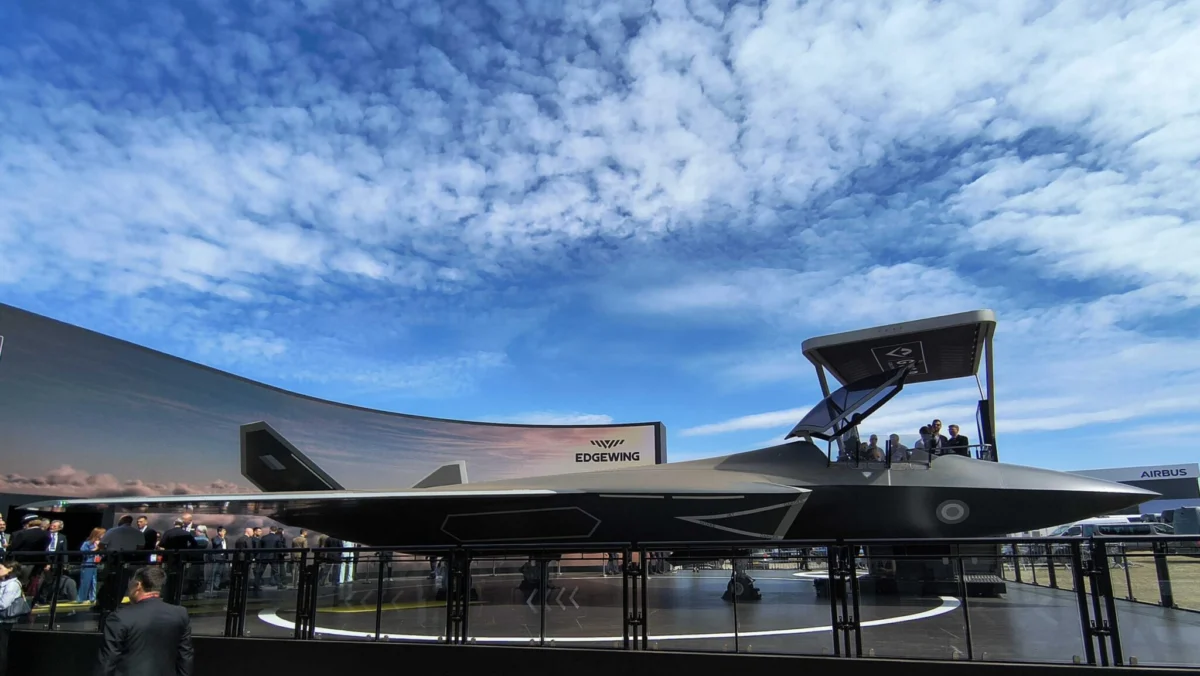
MILAN – The race for air superiority in the 2030s has officially entered a high-speed lane. Lorenzo Mariani, the CEO of Italian defense titan Leonardo, has signaled that the Global Combat Air Programme (GCAP)—the ambitious trilateral initiative between Italy, the United Kingdom, and Japan—is currently under intense pressure to accelerate its development timeline. While the official entry-to-service (EIS) target remains 2035, industry leaders and government officials are exploring the feasibility of bringing that date forward by as much as two years, potentially delivering the sixth-generation fighter by 2033.
The push for acceleration is not merely an engineering challenge; it is a geopolitical response to an increasingly volatile security landscape. As defense ministries look to replace aging fleets and counter the rise of advanced integrated air defense systems globally, the urgency to field a multi-domain, stealth-capable, and AI-integrated combat platform has reached a fever pitch.
The Strategic Imperative: Why 2033?
The Global Combat Air Programme is designed to replace the Eurofighter Typhoon in the UK and Italian air forces, and the Mitsubishi F-2 in Japan. The project represents a fundamental shift in combat aviation, moving away from traditional “platform-centric” design toward a “system-of-systems” approach. This includes the integration of autonomous “loyal wingman” drones, advanced sensor fusion, and directed-energy weapons.
The Japanese Driver
The primary motivation behind the 2033 target is Japan’s specific procurement timeline. The Japan Air Self-Defense Force (JASDF) is slated to begin the retirement of its F-2 fleet in the mid-2030s. Delaying the arrival of the GCAP platform could create a critical capability gap in the Indo-Pacific, a region where China and Russia have significantly modernized their own aerial assets. By accelerating the program, Japan secures a seamless transition that ensures its sovereign defense posture remains robust against regional threats.
The "Modular" Compromise
When asked about the feasibility of such an aggressive schedule, Lorenzo Mariani was candid. “It’s always possible to be progressively meeting the final requirement,” he noted during a recent investor call. This suggests that the 2033 version of the aircraft may not be the “full-spec” version originally envisioned for 2035. Instead, the consortium might adopt a modular release strategy—fielding an initial, highly capable version of the airframe and avionics suite, with subsequent software updates and hardware spirals integrating more exotic capabilities over time. This “spiral development” model is a hallmark of modern agile engineering, favored by software-heavy programs like the F-35 and various drone swarms.
A Chronology of the GCAP Development
To understand the scale of this acceleration, one must look at the rapid evolution of the program since its inception:
- December 2022: The UK, Italy, and Japan officially sign the GCAP agreement, merging the UK-led Tempest project with Japan’s F-X program.
- December 2023: A formal treaty is signed in Tokyo to establish the GCAP International Government Organisation (GIGO) to manage the program.
- July 2026 (Farnborough Airshow): Industry leaders confirm the intense political pressure to accelerate the schedule. Canada is formally added as an observer.
- July 2026 (Post-Farnborough): Leonardo CEO Lorenzo Mariani publicly acknowledges the “strong push” to move the 2035 deadline to 2033.
- 2027 (Projected): A anticipated "cutoff date" for new partner nations to join the core industrial consortium, as indicated by leadership at Leonardo.
Industrial and Geopolitical Implications
The industrial architecture of GCAP is a complex web of national champions: BAE Systems (UK), Leonardo (Italy), and Mitsubishi Heavy Industries (Japan). Bringing the program forward requires an unprecedented level of synchronization across three continents, disparate time zones, and different national regulatory frameworks.
The Role of New Partners
The program is currently in a state of rapid expansion. Canada’s entry as an observer signifies the program’s move toward becoming a global standard for Western and Indo-Pacific allies. Furthermore, reports from Janes indicate that Singapore is in early talks regarding potential involvement.
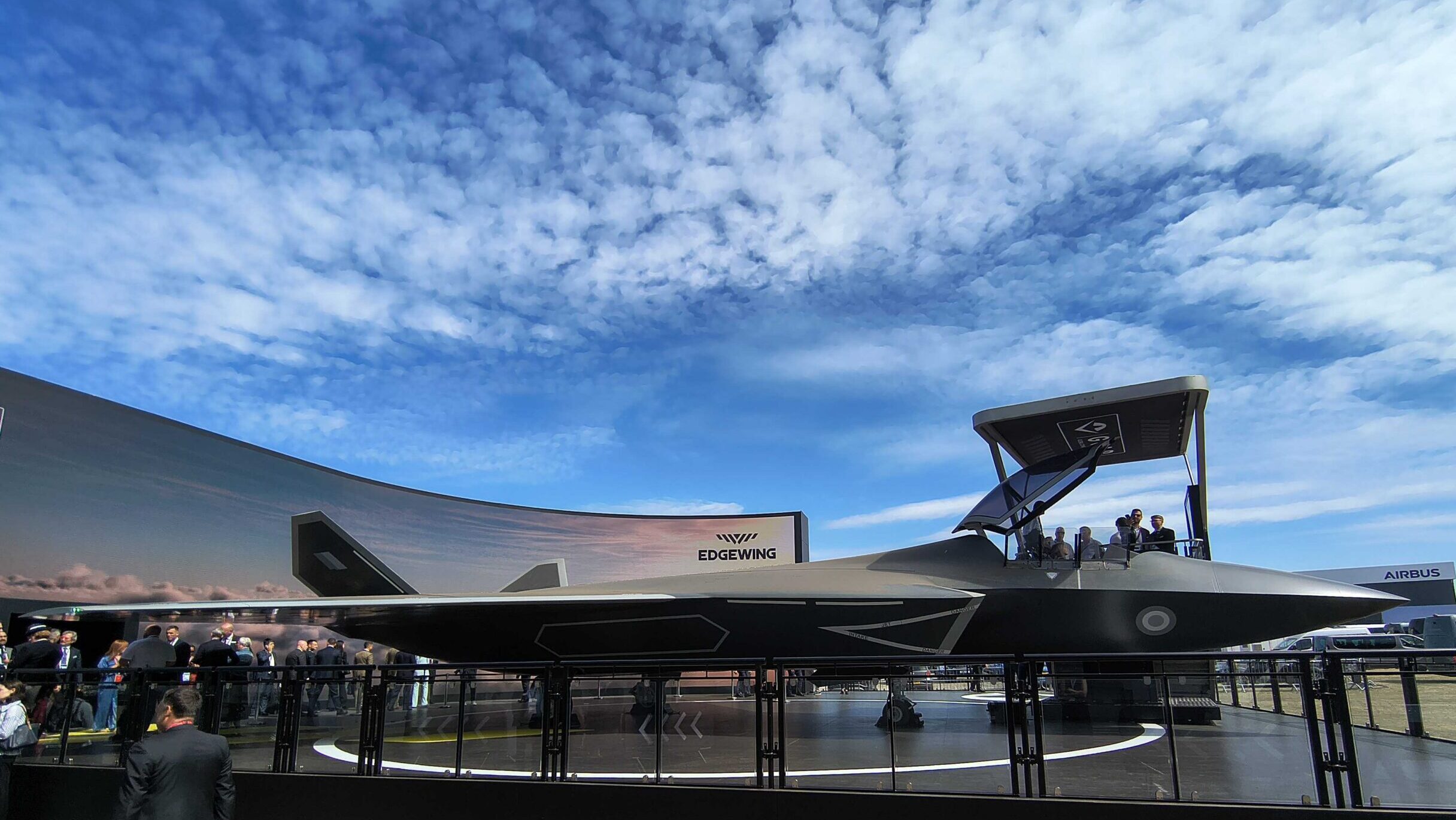
The inclusion of these nations serves a dual purpose: it dilutes the financial burden of the massive R&D costs and expands the potential export market for the aircraft. However, as the program grows, so does the risk of "requirement creep." Managing the needs of three core partners is difficult; managing the needs of five or six is exponentially more complex. Mariani’s suggestion of a 2027 cutoff for new participants is a necessary defensive maneuver to freeze the design requirements and prevent the program from collapsing under the weight of conflicting national priorities.
The Saudi Arabia Factor
Riyadh’s persistent interest remains a wildcard. Saudi Arabia has long sought to become a full-fledged partner in the program, seeking not just the aircraft, but the industrial expertise that comes with it. Leonardo has acknowledged this interest, but the path forward remains delicate. Bringing in a non-traditional partner—especially one with different export control requirements—could complicate the existing trilateral treaty, creating a tension between the need for funding and the need for streamlined, cohesive decision-making.
Technical Hurdles: Accelerating Innovation
Accelerating a fighter program by two years is a feat rarely achieved in aerospace history. For GCAP to hit a 2033 target, the consortium must revolutionize its testing cycles.
- Digital Twin Integration: The consortium is already utilizing advanced digital twin technology to test flight characteristics in virtual environments long before a prototype touches the tarmac. Accelerating the timeline will require doubling down on these virtual tests to shorten the time between design iterations.
- Supply Chain Resiliency: The global supply chain for aerospace components is currently under strain. A 2033 deadline will force the consortium to secure raw materials and specialized components—such as carbon fiber composites and high-temperature alloys—far earlier than anticipated.
- Software-First Architecture: The sixth-generation fighter is as much a flying computer as it is a combat jet. By decoupling software development from physical hardware manufacturing, the team can continue to refine the “brain” of the aircraft even after the airframe enters production, allowing for the “modular” entry mentioned by Mariani.
Official Responses and Strategic Outlook
While government ministers have remained relatively quiet regarding the specifics of the 2033 target, the sentiment among defense contractors is clear: the threat environment is evolving faster than current procurement cycles can manage.
The UK’s Ministry of Defence and the Italian Ministry of Defence have both emphasized that the GCAP is not just a replacement for legacy fighters; it is an economic engine for their respective aerospace sectors. By accelerating the program, they are also accelerating the return on investment (ROI) for their taxpayers and securing their technological sovereignty for the next half-century.
Risks of Acceleration
However, critics warn of the “F-35 trap”—the danger of rushing a platform into service before it is truly mission-ready, leading to years of expensive retrofits and maintenance issues. The GCAP team must balance the desire for speed with the necessity of reliability. If the 2033 version is too stripped-back, it may fail to provide the deterrent effect required to justify its massive price tag.
Conclusion: A New Era of Combat Aviation
The potential move to a 2033 delivery date for the Global Combat Air Programme is a watershed moment for international defense cooperation. It signifies a transition away from the slow, bureaucratic procurement models of the 20th century toward a more agile, high-stakes model that recognizes the fluidity of modern geopolitical threats.
As the program moves toward 2027, the decisions made by the trilateral partners—and the potential new entrants like Singapore—will determine whether this sixth-generation fighter becomes the backbone of a global coalition or a fragmented project weighed down by its own ambition. For now, the message from Milan is one of determined urgency: the future of air power is not just coming; it is being willed into existence, and it is arriving sooner than expected.