
As we cross the mid-point of 2026, the landscape of artificial intelligence is shifting from the era of "wow-factor" experimentation to a focus on industrial-grade reliability. The latest insights from leading data science experts highlight a critical transition: the industry is no longer merely impressed by what AI can do; it is now obsessed with how AI can be governed, scaled, and integrated into the complex, messy realities of global business.
This report synthesizes the most significant developments of the final week of July 2026, covering the shift toward autonomous agents, the maturation of LLM deployment strategies, and the enduring relevance of foundational machine learning.
Main Facts: The Shift Toward Agentic Autonomy
The dominant narrative in the AI space this week is the maturation of autonomous agents. For years, "agents" were synonymous with complex scripts or brittle prototypes. Today, the focus has shifted toward robust orchestration.
As noted by industry expert Shittu Olumide, the transition from prototype to production requires a departure from "free-acting" AI toward constrained, goal-oriented systems. The consensus is clear: successful agents require strict guardrails. By utilizing stateful orchestration frameworks—most notably LangGraph—developers are now able to implement checkpointing that allows for reliable, multi-step reasoning loops. This is the difference between a chatbot that occasionally hallucinates and an autonomous agent that can reliably execute a multi-phase business process without human intervention.
Chronology of Weekly Developments (July 27 – July 31, 2026)
- July 27: The week opened with a deep dive into the practical architecture of autonomous agents. Experts emphasized the necessity of boundary-setting, marking a move away from open-ended AI models toward deterministic, stateful systems. Simultaneously, the launch of platforms like KimiClaw signaled a growing market for managed cloud infrastructure, specifically designed to lower the barrier for self-hosting these complex agents.
- July 28: Focus shifted toward the intersection of data science and rigid output requirements. Iván Palomares Carrascosa introduced "Practical Constraint Decoding," a technical strategy using finite state machines to force Large Language Models (LLMs) to adhere to specific schemas. On the same day, new benchmarks for AI-powered data analysis tools were published, illustrating how automation is finally offloading the "drudgery" of data cleaning to machines.
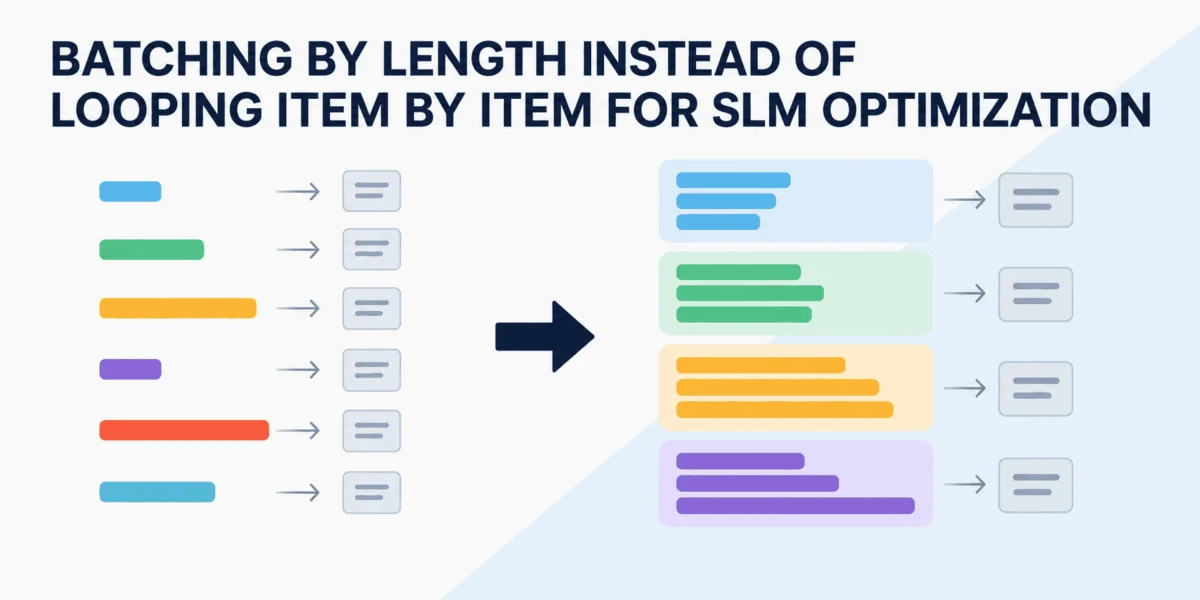
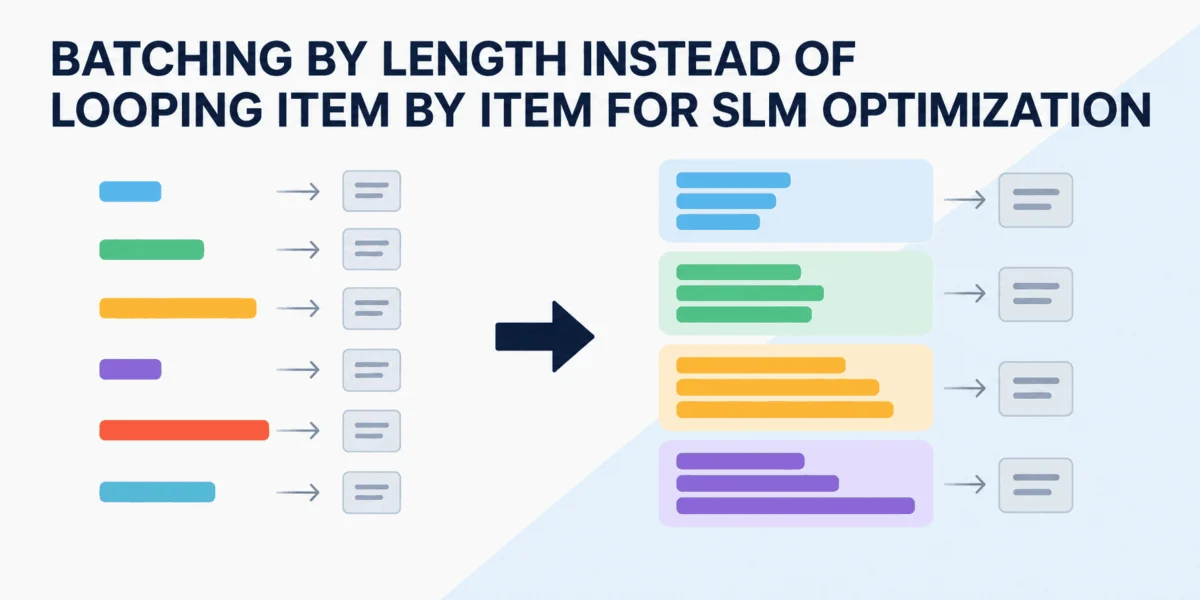
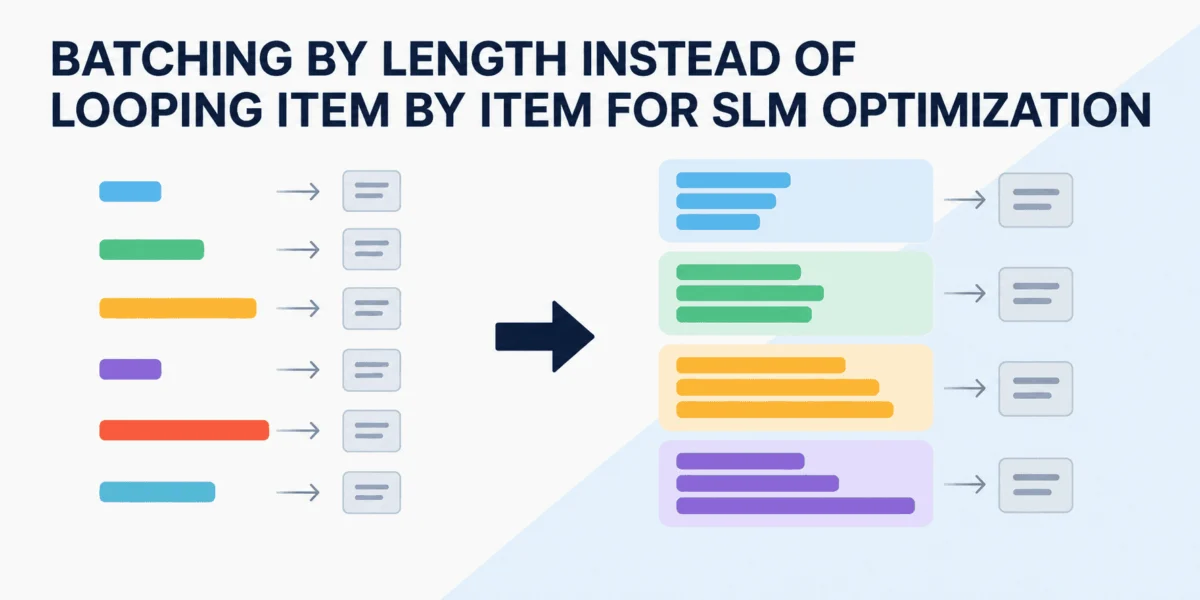
- July 29: Harvard Business School Online released a strategic framework for AI adoption. The core takeaway? AI success is a management problem, not a math problem. The emphasis was placed on business objectives and high-quality data over the mere pursuit of complex algorithmic architecture. Concurrently, new resources for mastering Small Language Models (SLMs) emerged, catering to professionals seeking efficient, local-first AI solutions.
- July 30: The discussion pivoted back to the fundamentals. Abid Ali Awan underscored that while generative AI captures the headlines, the backbone of modern data science remains rooted in classic algorithms—regression, boosting methods (XGBoost/LightGBM), and ensemble techniques. In parallel, guides on Claude Design highlighted the importance of design systems in maintaining consistency in code generation.
- July 31: The week concluded with a focus on the next frontier of interaction: voice-controlled AI. Shittu Olumide provided a technical roadmap for voice agents, stressing that the challenge is no longer just speech-to-text accuracy, but the orchestration of interruption handling and conversational flow latency. Additionally, curated reading lists for LLM mastery were released, cementing the educational standards for the next generation of AI engineers.
Supporting Data: The "Real-World" AI Integration
The data emerging from this week’s industry insights suggests a "Three-Pillar" approach to AI maturity:
- Orchestration over Model Size: The shift toward Small Language Models (SLMs) and constraint decoding indicates that businesses are prioritizing efficiency and reliability over sheer parameter count.
- Infrastructure as a Catalyst: Platforms like KimiClaw represent a shift from bespoke, fragile DIY solutions to standardized, scalable cloud environments for AI agents.
- Human-Centric Design: Even as automation increases, the role of the professional is shifting toward "strategic questioning." AI is no longer the final decision-maker; it is an analytical partner that automates repetitive execution, allowing the human to define the mission.
Official Perspectives: The HBS View on AI Adoption
Harvard Business School Online’s latest assessment offers a sobering reality check for the C-suite. Their guidance suggests that organizations often fail not because their models are inferior, but because their objectives are poorly defined.
The report suggests that "model validation" must be treated with the same rigor as financial auditing. In an environment where AI outputs are increasingly autonomous, the ability to validate these outputs against real-world outcomes is the primary KPI for any data science team. They emphasize that the "data prep" stage remains the most critical—and often most overlooked—part of the AI lifecycle. Garbage in, garbage out remains the law of the land, regardless of how advanced the underlying transformer architecture might be.
Implications: The Future of the Profession
The End of the "Wild West" of AI Development
The move toward constraint decoding and stateful orchestration signifies that the era of "unpredictable AI" is coming to an end. By mathematically forcing LLMs to adhere to regular expressions and data schemas, engineers are effectively "domesticating" generative AI. This is a vital evolution for industries such as finance, healthcare, and legal services, where non-deterministic outputs are a liability.
The Hybrid Skill Set of the 2026 Practitioner
The modern data professional is becoming a hybrid of a software engineer, a linguist, and a business strategist. To be effective in late 2026, one must:
- Master the Old and the New: While LLMs are essential, knowledge of gradient-boosted trees and classic regression models is still required to solve structured data problems efficiently.
- Understand Agentic Flows: The future is not just "chatting" with an AI; it is building agentic systems that can interact with APIs, manage state, and recover from errors.
- Prioritize Efficiency: With the rise of SLMs and local deployment, the ability to fine-tune smaller models for specific tasks is becoming more valuable than the ability to prompt massive, general-purpose models.
Infrastructure and Voice: The Next Bottlenecks
As we look toward the remainder of 2026, two areas will likely define the winners and losers:
- Managed Agent Infrastructure: As companies move to deploy dozens or hundreds of autonomous agents, the "infrastructure of control"—how these agents are monitored, logged, and updated—will become a multi-billion dollar sector.
- Voice Latency: The race for "natural" AI interaction will be won by those who can solve the latency issues inherent in streaming speech recognition. The ability to handle interruptions—a hallmark of human communication—remains the "Holy Grail" of AI interface design.
Conclusion
The developments of this week confirm a broader trend: AI is moving out of the laboratory and into the factory. The excitement surrounding the technology has been tempered by a pragmatic realization that reliability, governance, and business alignment are the true drivers of value. Whether through the implementation of strict constraint decoding or the adoption of managed agent platforms, the industry is building a foundation that will support the next decade of intelligent automation.
For the professional, the path forward is clear: master the underlying mathematics, embrace the new orchestration frameworks, and focus your strategy on the business problems that actually need solving. The tools are ready; the question is no longer whether they can work, but whether we can govern them effectively enough to scale.