By [Your Name/News Outlet Name]
In an era where reliable, high-speed internet is no longer a luxury but a fundamental necessity, many households find themselves at a digital crossroads. While fibre optic technology is often lauded as the gold standard, its widespread deployment remains a significant challenge, particularly in rural and underserved areas. This is precisely where fixed wireless internet has carved out a vital niche, offering a practical and increasingly capable solution for those left behind by traditional infrastructure. This in-depth analysis explores how fixed wireless internet functions, its performance compared to fibre, and why its availability and suitability for individual properties are often more critical than theoretical technological superiority.
The Fixed Wireless Advantage: Connecting the Unconnected
The dream of a rural idyll – more space, peace, and affordability – can quickly sour when confronted with the reality of inadequate internet access. For many who have moved beyond urban sprawls, the familiar disappointment of "no service" or "only dial-up" can feel like a return to a bygone era. This digital chasm is precisely the space that fixed wireless internet has been built to bridge.
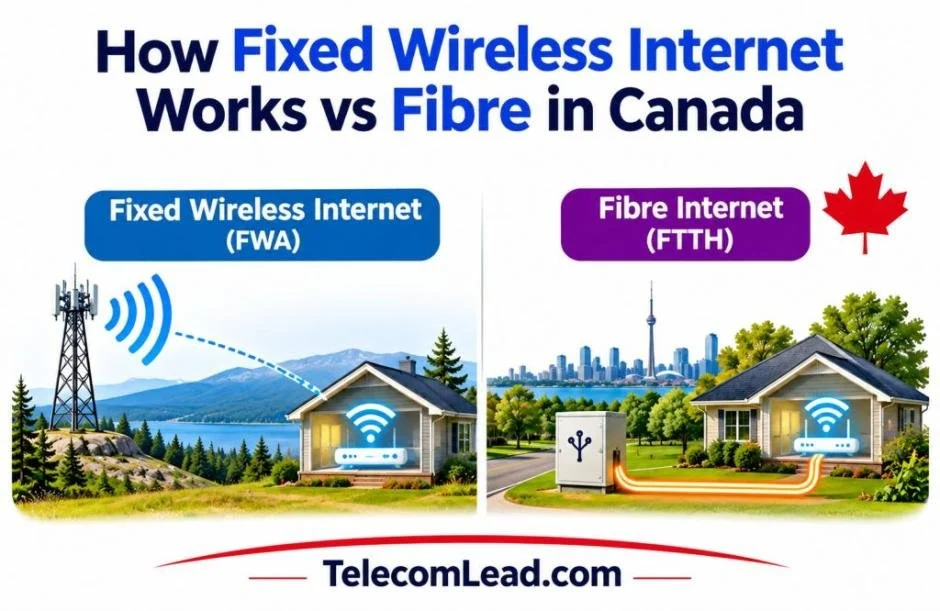
Unlike fibre optic, which relies on the laborious and expensive process of burying cables underground, fixed wireless leverages radio waves to deliver broadband internet. A central tower, strategically placed within range, broadcasts a signal that is then received by a small antenna installed on the user’s roof or exterior wall. This antenna then feeds the internet signal into a router within the home, providing Wi-Fi connectivity to all devices.
The appeal of fixed wireless lies in its speed of deployment. Where fibre installation can take months or even years due to the extensive groundwork required, fixed wireless installations can often be completed within days. This rapid deployment makes it an attractive option for individuals and families seeking immediate access to modern internet services.
Demystifying the Wireless Link: How it Works from Tower to Router
A common misconception about fixed wireless internet is its similarity to satellite internet, involving data traveling to and from space. In reality, the process is far more akin to a highly directed and sophisticated walkie-talkie conversation, conducted entirely at ground level. The core of any fixed wireless setup involves three key pieces of hardware:
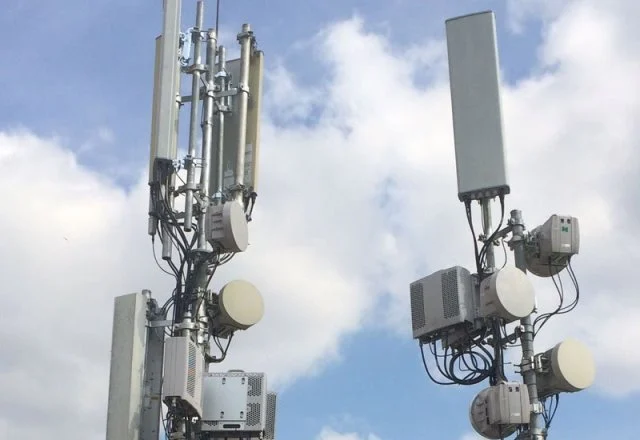
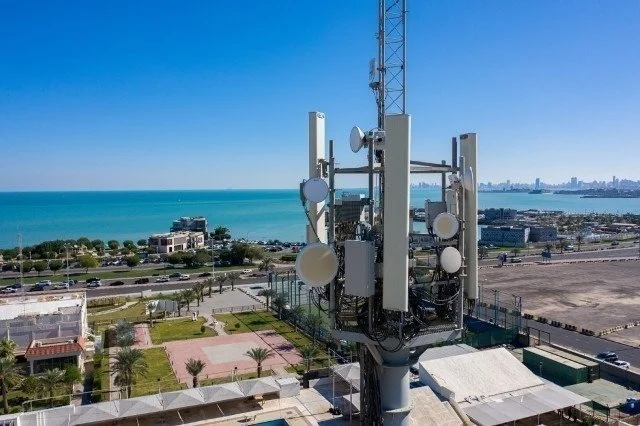
- The Base Station (or Tower): This is the central hub, operated by the internet service provider (ISP). It emits the internet signal across a specific radio frequency. These towers are strategically located to cover a defined geographical area.
- The Outdoor Antenna (or Receiver): Mounted on the user’s property, this small, directional antenna is precisely aimed at the nearest base station. It captures the radio signal broadcast by the tower.
- The Indoor Router: This device connects to the outdoor antenna and converts the incoming radio signal into a standard Ethernet signal, which then powers the home’s Wi-Fi network, allowing all connected devices to access the internet.
The "fixed" in fixed wireless is crucial. Unlike the mobile broadband you might experience on your smartphone, the outdoor antenna is permanently affixed and pointed towards a single, dedicated tower. This dedicated link, operating on either licensed or unlicensed radio spectrum, ensures a stable and consistent connection. Data travels as radio waves across this direct path, is received, converted, and then distributed throughout the home via Wi-Fi.
The Criticality of Line of Sight: Why a Clear View Matters
The performance and reliability of a fixed wireless connection are heavily influenced by a factor known as "line of sight." Radio waves, particularly those used for broadband transmission, travel in straight lines and are susceptible to interference from physical obstructions.
A clear, unobstructed view between the outdoor antenna and the base station tower is paramount for a strong and stable signal. Any partial obstruction can degrade the signal strength and, consequently, the internet speed and reliability. Common culprits that can impede line of sight include:
- Dense Foliage: Mature trees, especially those with thick canopies, can scatter and absorb radio signals.
- Buildings and Structures: Adjacent buildings, sheds, or even certain architectural features on a property can block the signal path.
- Hills and Terrain: Undulating landscapes and hills can create significant physical barriers to a direct radio link.
This is why ISPs offering fixed wireless services invariably conduct a site survey before confirming service availability and providing a quote. The assessment is highly specific to the individual property, examining the precise angle and potential obstructions between the proposed antenna location and the nearest tower. It is not simply a matter of postal code coverage.
Factors Influencing Real-World Speeds
While providers advertise specific plan speeds, the actual internet performance experienced by a user can fluctuate. Several factors influence these real-world speeds, and understanding them is key to setting realistic expectations:
- Distance from the Tower: Signal strength naturally diminishes with increased distance. The farther a property is from the base station, the weaker the signal will be, impacting overall speed.
- Obstructions: As detailed above, anything that impedes line of sight – trees, buildings, terrain – will scatter or absorb the radio signal, reducing throughput.
- Spectrum Type: Fixed wireless services utilize different radio spectrum bands. Licensed bands are exclusively allocated to the ISP, minimizing interference. Unlicensed bands, while more readily available, are shared with other devices, potentially leading to congestion and slower speeds.
- Tower Load: Like any shared network, the base station tower can experience congestion. During peak usage hours, particularly in the evenings when many users are online simultaneously, the available bandwidth is shared among all subscribers connected to that tower, leading to reduced speeds for everyone.
Therefore, when comparing fixed wireless plans, it is advisable to treat advertised speeds as an upper limit rather than a guaranteed performance metric. Inquiring about typical speeds experienced by other customers on the same tower during peak evening hours can provide a more accurate picture of real-world performance.
Fixed Wireless vs. Fibre: A Comparative Analysis
The technological prowess of fibre optic internet is undeniable. Its capacity for speed, low latency, and immunity to external interference makes it the undisputed leader in raw performance. However, a comprehensive comparison between fixed wireless and fibre must consider not just technical specifications but also practical availability and installation realities.
| Feature | Fixed Wireless (Typical) | Fibre Optic |
|---|---|---|
| Download Speed | 25 – 300 Mbps | 500 Mbps – 3 Gbps+ |
| Upload Speed | Slower than Download | Matches Download Speed |
| Latency | 10 – 40 ms | 1 – 10 ms |
| Install Timeline | Days | Weeks to Years (if ever) |
| Weather Impact | Mild (extreme storms) | None |
| Availability | Broad (incl. rural) | Dense areas, new builds |
Fibre optics offer superior download and upload speeds, with upload speeds typically matching download speeds, which is crucial for demanding applications like high-definition video conferencing and large file uploads. Its latency is also significantly lower, providing a more responsive online experience for gaming and real-time applications. Furthermore, fibre is impervious to weather conditions, ensuring uninterrupted service.
However, the stark reality is that fibre optic infrastructure is expensive and time-consuming to deploy. It is primarily available in densely populated urban areas and new housing developments where the cost-per-household is more justifiable. For a significant portion of the population, particularly those in rural or semi-rural settings, fibre simply isn’t an option. This is where fixed wireless emerges as a vital, and often the only, viable alternative.
Evaluating Fixed Wireless Suitability for Your Address
The decision of which internet connection is best suited for a particular address hinges less on which technology "wins on paper" and more on what is physically accessible and practically functional. A few key steps can help determine if a fixed wireless link is the right choice:
The Tower Question: Proximity and Clarity
The first and most crucial step is to engage with potential fixed wireless providers and inquire about the specific tower that would serve your address and its approximate distance. A provider with a well-established network will be able to readily provide this information. Following this, ask these critical questions:
- What is the approximate distance to the serving tower? Closer is generally better for signal strength.
- Are there any known obstructions between your property and the tower? This includes large trees, hills, or buildings.
- What is the typical upload speed experienced by other customers on that tower during peak hours? This is vital for remote work and demanding online activities.
- What is the provider’s policy on signal interference and troubleshooting? Understanding their support structure is important.
Right-Sizing Your Plan: Beyond Download Speeds
For remote workers and households reliant on consistent online connectivity, upload capacity is often the quiet dealbreaker. While downloading a file is relatively forgiving, participating in lengthy video conferences while simultaneously uploading project files to a server demands robust upload speeds. Households with multiple devices, home offices, streaming services, and smart home devices should prioritize plans that offer sufficient upload bandwidth, rather than solely focusing on the lowest monthly cost.
Optimizing the Installation: Small Choices, Big Impact
The physical installation of the outdoor antenna can significantly impact performance. Several small choices can make a measurable difference:
- Antenna Placement: Installers should strive for the highest possible point on the property that maintains a clear line of sight to the tower.
- Antenna Alignment: Precise alignment is critical for optimal signal reception. Ensure the installer is taking the time to fine-tune the antenna’s direction.
- Cable Routing: Using high-quality, shielded Ethernet cable for the connection from the outdoor antenna to the indoor router minimizes signal degradation.
- Router Location: Place the indoor router in a central location within the home, away from other electronic devices that could cause interference, to maximize Wi-Fi coverage.
The Backup Plan: Ensuring Business Continuity
For businesses or individuals whose livelihoods depend on a stable internet connection, especially those operating from rural locations, a backup internet solution is a prudent investment. Many fixed wireless users pair their primary connection with a low-cost cellular backup. This failover system automatically switches to a cellular network if the primary fixed wireless connection is disrupted, ensuring minimal downtime and protecting against the worst-case scenarios. This strategy is particularly common for agricultural operations and home-based consultancies that rely on rural fixed wireless providers.
Conclusion: Availability Trumps Theory When Connectivity is Key
In the ongoing discourse surrounding internet technologies, the debate often centers on the theoretical superiority of fibre optics. However, for a substantial segment of the population, the more pertinent question is not which technology is inherently better, but rather, what technology is actually available at their doorstep.
Fixed wireless internet has proven to be a powerful tool in bridging the digital divide, providing a capable and reliable connection to households that would otherwise be left with inadequate or non-existent broadband access. While it may not match the raw capacity of fibre, its rapid deployment, increasing speeds, and expanding availability make it a compelling solution.
The success of a fixed wireless connection hinges on critical factors such as clear line of sight to a nearby tower, a well-executed installation, and a service plan that adequately meets the household’s specific needs, particularly concerning upload bandwidth. As Canada and other nations continue to strive for universal connectivity, fixed wireless networks are poised to play an increasingly vital role. Until the fibre optic cables finally reach every road and every home, a properly installed and adequately provisioned fixed wireless link represents not just a stopgap measure, but a robust and enduring solution for modern digital life.