Executive Summary: A Strategic Alignment in Wireless Standards
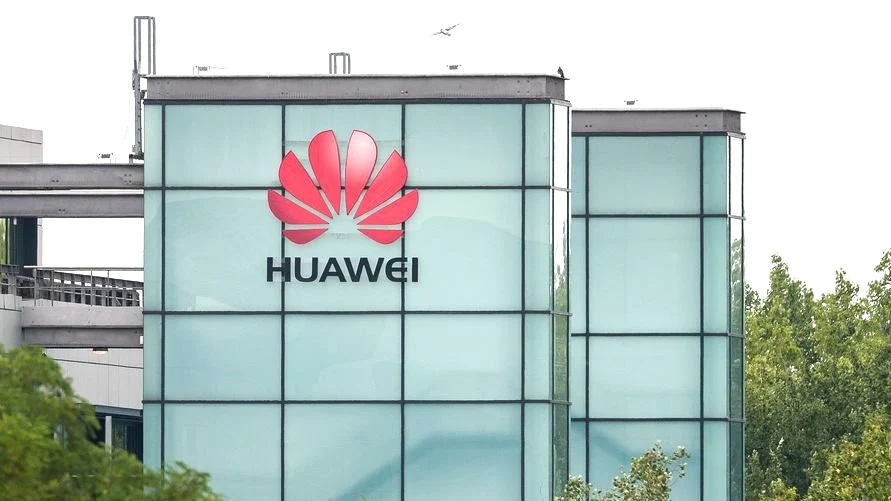
In a move that underscores the evolving landscape of global technology standards, Huawei Technologies Co., Ltd. and HP Inc. have officially announced the signing of a multiyear global patent cross-licensing agreement. This strategic accord centers primarily on Huawei’s extensive portfolio of Wi-Fi standard-essential patents (SEPs). By formalizing this arrangement, the two tech giants have effectively reinforced the legal and operational framework that governs wireless connectivity in modern computing devices.
While the agreement signifies a major milestone in intellectual property (IP) management, it also serves as a testament to the persistent maturation of the wireless ecosystem. For Huawei, the deal represents a validation of its decades-long investment in research and development (R&D) within the Information and Communications Technology (ICT) sector. For HP, it ensures that its broad range of laptops, peripheral equipment, and connected devices remain compliant with international wireless standards, maintaining the seamless user experience that its global customer base expects.
The Chronology of Negotiation and Strategic Rationale
The path to this agreement was marked by professional, long-term negotiations that spanned several months. Historically, the relationship between major hardware manufacturers and telecommunications infrastructure leaders has been defined by the delicate balance of patent assertion and collaborative standardization.
The Foundation of the Deal
The dialogue between Huawei and HP began as a routine effort to ensure that HP’s hardware portfolio, which integrates Wi-Fi capabilities, was appropriately licensed under the relevant industry standards. Huawei, holding one of the world’s largest patent portfolios in the wireless space, sought to formalize its contribution to the Wi-Fi standard. Conversely, HP sought to secure reciprocal patent rights, ensuring that its own innovations were protected while obtaining the necessary "keys" to continue utilizing essential Wi-Fi technologies.
The Negotiating Process
Steven Geiszler, who spearheaded the negotiations on behalf of Huawei, noted that the process was characterized by "professionalism and courteousness." Unlike many high-profile technology litigation cases that often dominate headlines—and frequently end in protracted courtroom battles—this agreement was reached through bilateral discourse. This reflects a shift in the tech industry toward private, negotiated settlements that bypass the costs and uncertainty of judicial intervention.
Supporting Data: The Ubiquity of Wi-Fi Standards
To understand the significance of this agreement, one must recognize the role of Wi-Fi as the invisible backbone of the modern digital economy. Wi-Fi has evolved from a niche convenience to a critical utility, comparable to electricity or water, connecting homes, schools, hospitals, and public infrastructure.
The Evolution of Standards
The technology covered by this agreement is not static. It encompasses several generations of wireless networking, each building upon the last:
- Wi-Fi 4 and 5 (802.11n/ac): Despite the arrival of faster protocols, these standards remain the workhorses of the industry. They provide stable, reliable networking for millions of legacy devices, from basic office printers to older laptops that do not require the extreme throughput of modern standards.
- Wi-Fi 6 (802.11ax): Representing a major leap in efficiency, Wi-Fi 6 introduced features like OFDMA (Orthogonal Frequency-Division Multiple Access) and TWT (Target Wake Time). These innovations allow for better performance in dense environments where dozens of devices—from smart lightbulbs and refrigerators to high-definition streaming devices—compete for the same wireless bandwidth.
- Wi-Fi 7 (802.11be): The latest frontier. By building on the architecture of Wi-Fi 6, Wi-Fi 7 offers extreme throughput, lower latency, and significantly improved reliability. It is designed to handle the high-bandwidth requirements of 8K video streaming, immersive AR/VR experiences, and complex remote computing tasks.
Huawei’s contributions to these generations have been substantial. Through its active participation in the IEEE 802.11 working groups, Huawei has consistently submitted technical contributions that have been incorporated into the global standards, ensuring that innovation created in labs in China and around the world benefits users in every corner of the globe.
Official Responses and Industry Context
The reception of this news has been nuanced, with both companies eager to frame the agreement within their broader corporate strategies.
Huawei’s Perspective: Validating Innovation
Alan Fan, Huawei’s Chief Intellectual Property Officer, emphasized that the agreement is a "strong testament" to Huawei’s persistent focus on independent innovation. For Huawei, licensing is not merely a revenue stream; it is a way to share the fruits of its multi-billion-dollar annual R&D expenditure with the wider industry. "Through patent licensing, Huawei shares its innovation with the industry, particularly in the area of standardized technologies, which brings leading technological experiences to consumers worldwide," Fan stated.
HP’s Perspective: Standardized Compliance
HP Inc. provided a measured response to the announcement, emphasizing the routine nature of such agreements. In an emailed statement, an HP representative clarified the scope of the deal: "This is a standard-essential patent license covering Wi-Fi technology—something used broadly across the industry and routine for companies whose products connect to Wi-Fi. It is not new, does not represent a broader strategic or commercial relationship, partnership, or collaboration with Huawei."
This statement is critical from a public relations and regulatory standpoint. By distancing the agreement from a "strategic partnership," HP signals to its investors and regulators that this is a transactional legal matter—the cost of doing business in a world where wireless connectivity is non-negotiable—rather than a deeper alignment with a Chinese telecommunications giant that has faced geopolitical scrutiny in other markets.
Implications for the Tech Ecosystem
The Huawei-HP agreement serves as a bellwether for the future of Intellectual Property in the tech sector.
The Normalization of Patent Licensing
The ease with which this deal was concluded suggests that the industry is moving toward a more mature phase of patent management. As the number of connected devices—the so-called Internet of Things (IoT)—continues to explode, the number of patents required to manufacture a single consumer product increases exponentially. Cross-licensing agreements, like the one signed today, act as an "industry lubricant," preventing the gridlock that would occur if every individual patent holder attempted to assert their rights independently.
The Role of Standardization
The agreement highlights the importance of open standards. Because Wi-Fi is developed openly, drawing on the collective wisdom of hundreds of companies, it ensures that technology remains interoperable. A laptop manufactured by HP in the United States must work flawlessly with a router manufactured by a different company in a coffee shop in Europe. This interoperability is only possible through the widespread licensing of SEPs.
Geopolitical Resilience
Despite the complex geopolitical environment surrounding Huawei, this agreement demonstrates that when it comes to fundamental communication standards, the commercial need for interoperability often transcends national borders. By focusing on the technical merits of the Wi-Fi patents, both companies have found a way to maintain market stability and ensure that the end-user remains unaffected by wider geopolitical tensions.
Conclusion: A Future of Connected Innovation
As we look toward the future, the significance of this deal lies in its normalcy. In a world where digital connectivity is the lifeblood of society—supporting everything from remote healthcare and digital education to the energy-efficient smart home—the ability for companies to agree on the terms of technological usage is paramount.
Huawei’s role in these standards remains a cornerstone of its business model. By publicly sharing its innovations, it ensures that its technological footprint remains integrated into the devices people rely on every day. Meanwhile, HP continues its commitment to providing high-performance computing solutions while ensuring that it operates on a secure, licensed, and legally sound foundation.
As the industry moves toward Wi-Fi 7 and beyond, the framework established by this multiyear agreement will likely serve as a template for other manufacturers. It is a reminder that while hardware might be competitive, the standards that make that hardware functional must remain collaborative. In the end, it is the global consumer who benefits from this "behind the scenes" cooperation, enjoying faster, more reliable, and more energy-efficient wireless connections in every facet of their daily lives.
For those interested in the deeper mechanics of intellectual property and the philosophy of standardization, Huawei continues to provide educational resources, including FAQ sessions hosted by Alan Fan, to demystify the complex world of patent licensing for the public.